





Gold Leaf Baroque Mirror
A gold leaf baroque mirror brings dramatic carved depth and reflective light into a room, shaped by centuries of European craftsmanship.
Gold Leaf Baroque Mirror
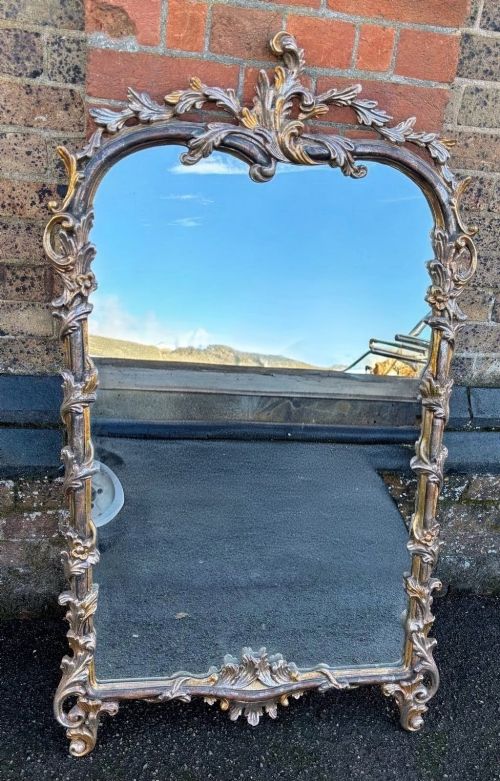
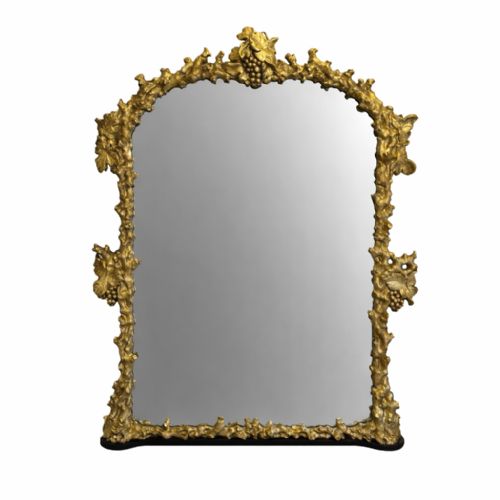
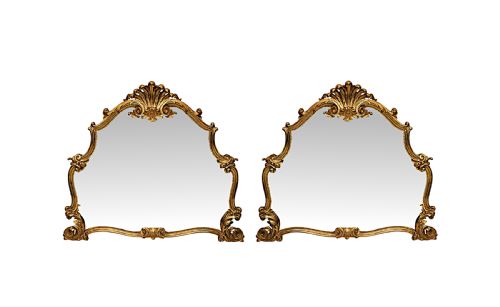
A gold leaf baroque mirror represents an ornate tradition of interior decoration, spanning from the seventeenth century through subsequent revival periods. These pieces include wall mirrors, overmantels, pier mirrors, and picture frames designed to command attention in a room.
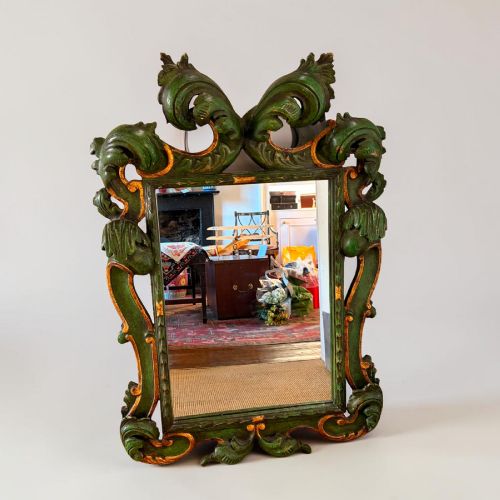
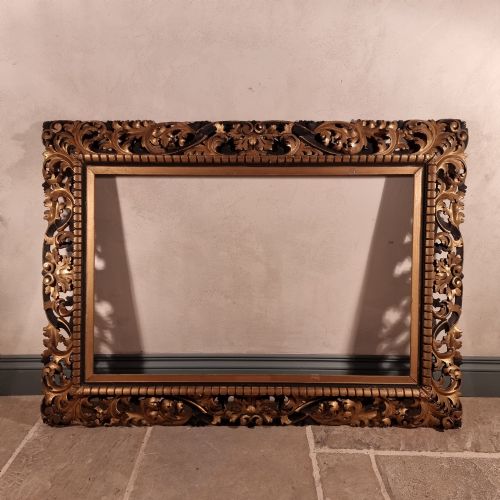
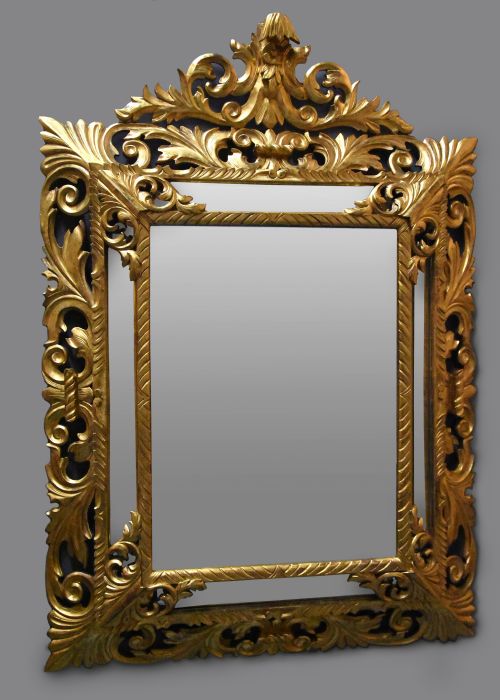
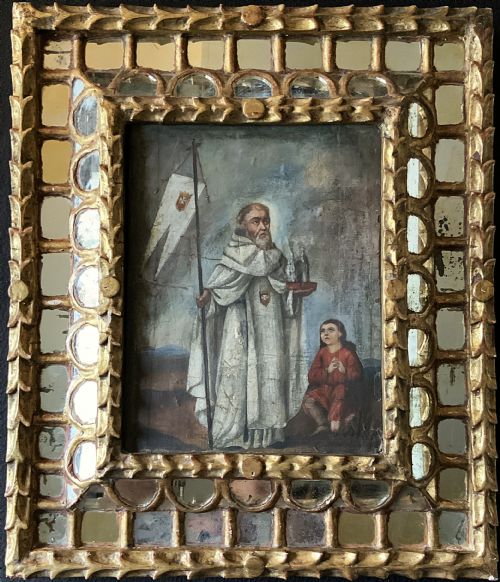
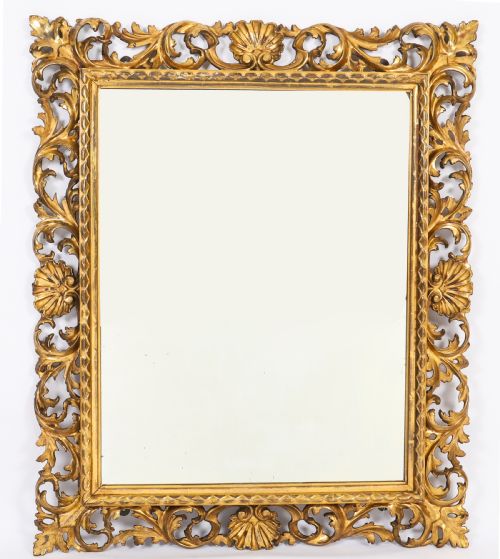
The versions most commonly found here originate from Italian workshops, particularly Florentine and Venetian makers, alongside French examples in the baroque and rococo taste. They appear in rectangular, oval, and cushion-framed formats, often displaying deep carving and religious or classical motifs.
How they were made
The foundation of these pieces relies on carved wood and gesso, which provide the base for intricate sculptural detail before gilding takes place. Artisans apply thin sheets of gold leaf over the prepared surface, sometimes combining silver leaf or polychrome highlights to catch the light.
Earlier examples frequently employ original mercury plates within the mirror glass, imparting a characteristic mottled reflection due to age. Carving is executed by hand, creating the deep undercut foliage, scrolls, and figural elements typical of the style.
Gold Leaf Baroque Mirror Retail Price Guide 2026
Typical asking prices for gold leaf baroque mirror among the pieces listed under this phrase on Sellingantiques today, from the lower quarter to the upper quarter. They describe what is for sale here now, not the wider market.
Materials recorded across the selection include giltwood, gesso, silver leaf, and original mercury plate mirror glass.
What varies in quality
The depth and crispness of the hand-carved wood separate finer examples from simpler production, as skilled carvers achieve realistic flora, fauna, and scrollwork without mechanical uniformity. The quality of the gilding itself, including the weight of the gold leaf and the preservation of the original gesso foundation, dictates the visual richness.
Structural integrity matters significantly, particularly in large overmantel and cushion mirrors where the weight of the timber frame places stress on the joints and corner mitres. The presence of period mirror glass, such as mercury plate, adds historical substance compared to later replacement glazing.
The Gold Leaf Baroque Mirror Glossary
- Giltwood
- Wood that has been coated with gold leaf or gold paint. This finish creates a luminous surface that defines baroque and rococo frames.
- Gesso
- A plaster-like mixture applied to wood frames to create a smooth surface for carving and gilding. It allows for sharp relief work before the gold leaf is laid down.
- Cushion mirror
- A mirror framed by a convex, sloped border that swells outwards towards the edge. This form was popular in seventeenth-century designs to maximise reflected light.
- Overmantel mirror
- A large glass designed to hang specifically above a fireplace mantel. These pieces often span horizontal proportions to match the width of the hearth below.
- Mercury plate
- An early type of mirror glass produced by applying a tin and mercury amalgam to the rear of the glass. It yields a characteristic, slightly uneven reflection aged with dark speckles.
Gold Leaf Baroque Mirror: Frequently Asked Questions
How do I hang a heavy gold leaf baroque mirror?
These frames carry substantial weight due to their dense carved timber and gesso construction. Secure the hanging hardware directly into wall studs using heavy-duty brackets rated for the specific load.
Avoid relying solely on plasterboard or lightweight picture wire. Professional installation ensures the frame remains stable and flush against the wall surface.
Are these mirrors original to the seventeenth century?
Pieces originate from a broad span of periods, including authentic seventeenth and eighteenth-century items alongside nineteenth-century revivals and early twentieth-century interpretations. The carved details, wood shrinkage, and backing materials help establish the actual age of manufacture.
Revival pieces often capture the baroque style faithfully while utilising nineteenth or twentieth-century construction techniques and hardware.
What is a Florentine mirror?
A Florentine mirror originates from workshops in Florence, known for exuberant openwork frames featuring scrolls, acanthus leaves, and deep relief carving. These pieces frequently showcase elaborate crestings at the top and matching aprons at the base.
They function as standalone wall art as much as practical looking glasses, reflecting distinctive Italian aesthetic traditions.