

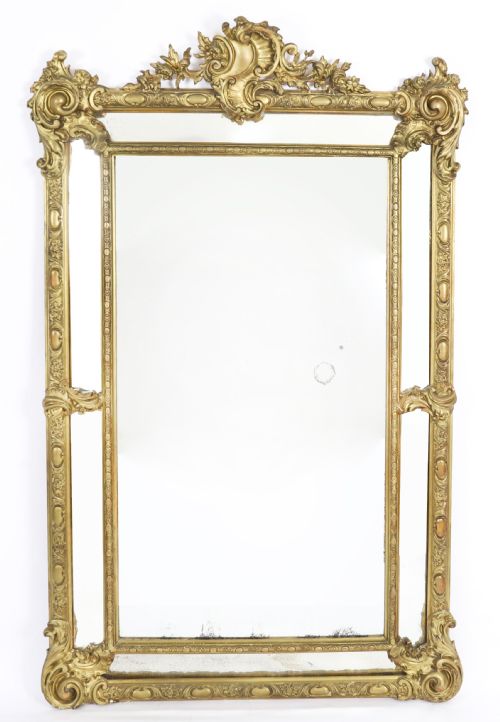


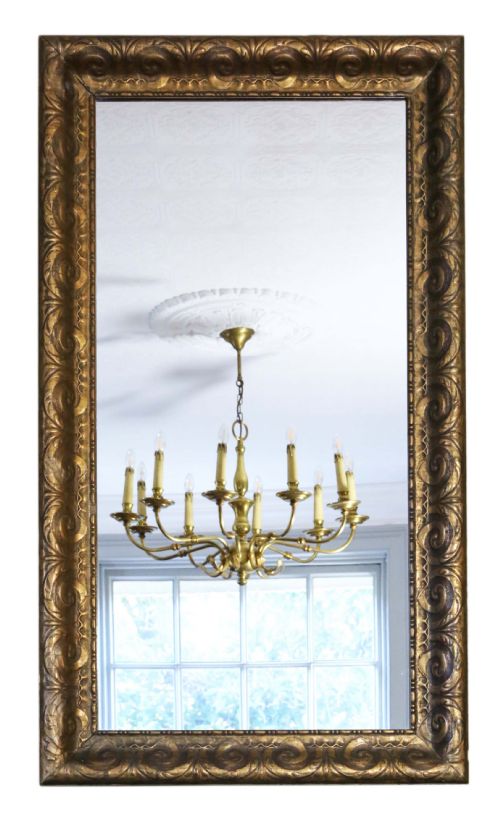


French Style Cushion Mirror
A french style cushion mirror brings a deep, curved reflection and rich gilt presence to a room, catching the light in a way flat glass simply cannot manage.
French Style Cushion Mirror
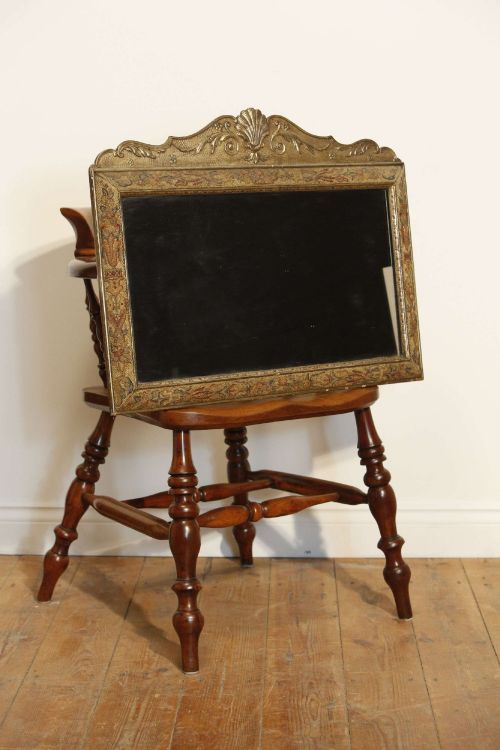
When you search for a french style cushion mirror, you encounter wall mirrors defined by a rounded, outward-projecting frame profile that pushes the central glass forward. The examples seen here span the nineteenth century, including pieces from eighteen-sixty, eighteen-ninety, and nineteen-hundred, alongside nineteenth-century and early twentieth-century dates.
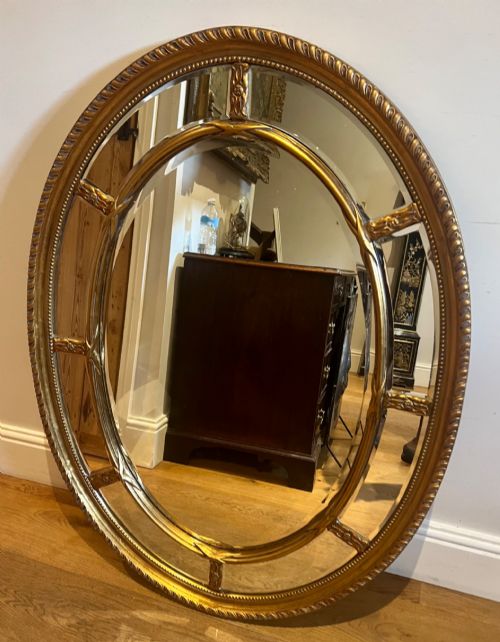
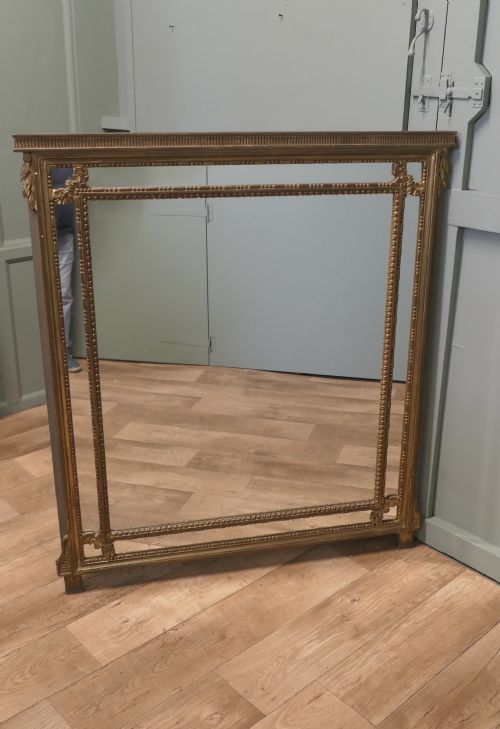
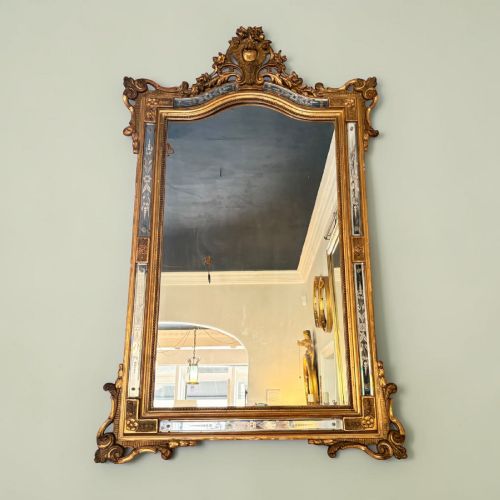
The dominant forms on this page include large overmantel mirrors and oval formats reflecting Louis Revival, Louis XV, Louis XVI, Baroque Revival, and Rococo influences. Originating from French Chateau and Victorian contexts, these wall mirrors serve as commanding focal points above mantelpieces and console tables.
Most pieces show heavy French nineteenth-century origins, often combining carved wood with painted finishes, gesso, and gold leaf. Buyers find both grand overmantels and more intimate oval shapes, each retaining the characteristic raised profile of the cushion frame.
How they were made
Makers constructed these frames from solid timbers such as oak and general carved wood, applying layers of gesso to build up the intricate ornamental reliefs. This preparation created a smooth, receptive base for subsequent gilding with gold leaf or painted treatments.
The distinctive convex or cushion shape required precise joinery to angle the frame members outward from the wall towards the glass rebate. Artisans then fitted heavy glass plates into these deep surrounds, securing them behind substantial wooden backs.
French Style Cushion Mirror Retail Price Guide 2026
Typical asking prices for french style cushion mirror among the pieces listed under this phrase on Sellingantiques today, from the lower quarter to the upper quarter. They describe what is for sale here now, not the wider market.
The listings on this page span the period from eighteen-sixty to nineteen-hundred, featuring materials such as oak, gesso, glass, and gold leaf.
What varies in quality
Quality rests upon the depth and crispness of the carved wood and gesso ornamentation, where sharper botanical and scroll motifs separate superior work from softer castings. The handling of the gold leaf and the subtlety of painted or distressed finishes also determine the visual weight of the piece.
The integrity of the structural joinery on the cushion profile dictates longevity, as the outward angle places sustained tension on the corners. Original glass plates with authentic age and heavy wooden backs further distinguish finer examples from later restorations.
The French Style Cushion Mirror Glossary
- Cushion mirror
- A wall mirror featuring a convex, outward-curving frame that swells away from the wall towards the central glass. This profile creates a three-dimensional effect that catches light from multiple angles.
- Gesso
- A plaster-like mixture applied to wood frames to provide a smooth surface for carving and gilding. Artisans model fine decorative details directly into this layer before applying gold leaf or paint.
- Giltwood
- Timber that has been coated with thin sheets of gold leaf or gold paint. It provides the brilliant metallic sheen characteristic of classical French and Victorian mirrors.
- Overmantel mirror
- A large wall mirror designed specifically to hang above a fireplace mantel. These pieces often feature wide proportions to match the span of the hearth below.
- Louis Revival
- A nineteenth-century decorative style that resurrects the ornate, curved aesthetics of the seventeenth and eighteenth-century French royal courts. It encompasses both Rococo and Neoclassical design elements.
French Style Cushion Mirror: Frequently Asked Questions
Where should I hang a cushion mirror?
These mirrors traditionally anchor the wall directly above a fireplace mantel, where their generous scale balances the hearth. They also function well on prominent living room or hallway walls to draw light deep into the space.
Because of their substantial weight and projection, secure wall fixings into solid masonry or proper studwork are essential for safe hanging.
How do I clean the glass safely?
Use a soft microfibre cloth and a mild glass cleaner sprayed onto the cloth rather than directly onto the mirror surface. This prevents liquid from seeping behind the old glass edges and damaging the silvering.
Keep moisture entirely away from the giltwood or painted gesso frame, dusting it only with a dry, soft brush.
Are these mirrors genuinely French?
The inventory includes pieces created in France alongside British Victorian interpretations influenced by French design movements. Stylistic markers like Louis Revival and Rococo motifs appear across both origins.
Examining the construction timbers and framing techniques helps determine the specific regional workshop behind each piece.
How do I date a cushion mirror?
Dating relies on examining the construction materials, such as the presence of scrubbed oak versus gesso-coated softwood, alongside the fastening methods on the back. Stylistic cues like nineteenth-century Baroque Revival or specific Victorian proportions also narrow down the era.
Foxing on the glass and the wear patterns on the gold leaf provide further physical evidence of age.