


Decorative Gold Mirror
A decorative gold mirror brings warmth and reflective light to a room, drawing the eye with carved gilt surfaces and period forms.
Decorative Gold Mirror
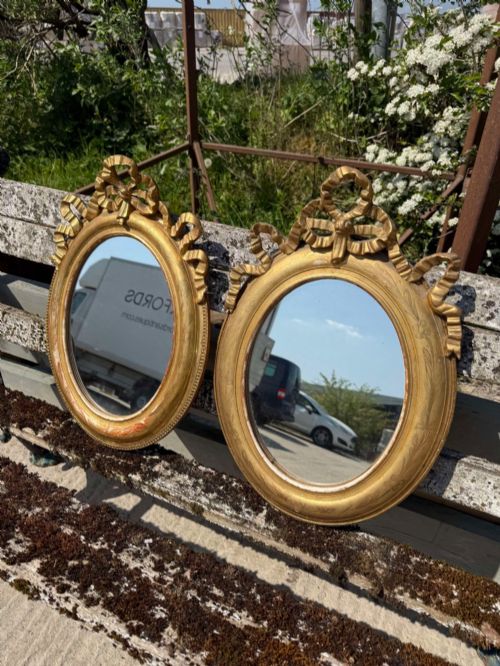
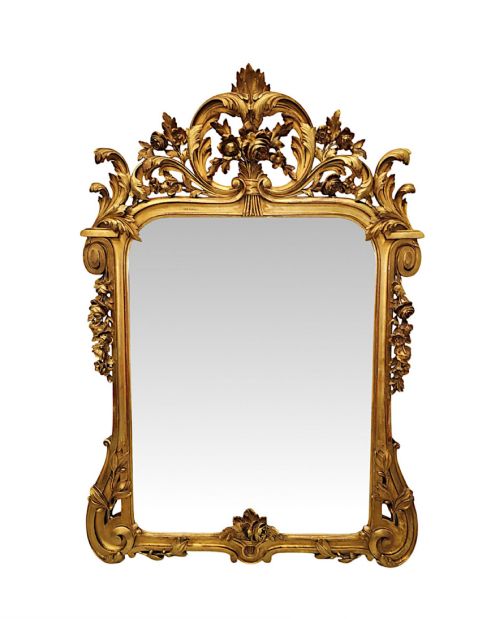
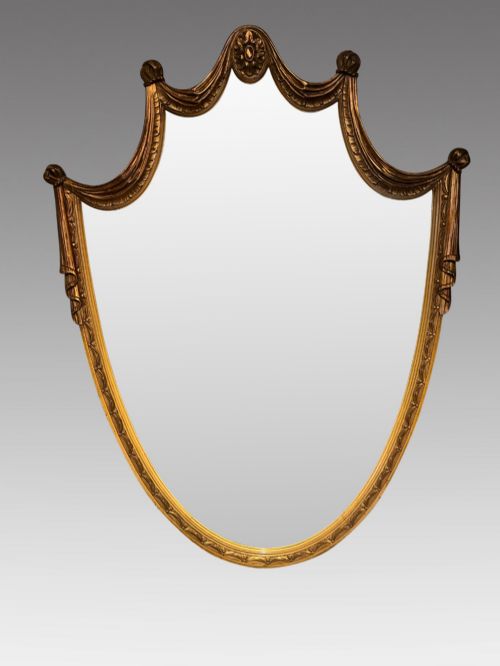
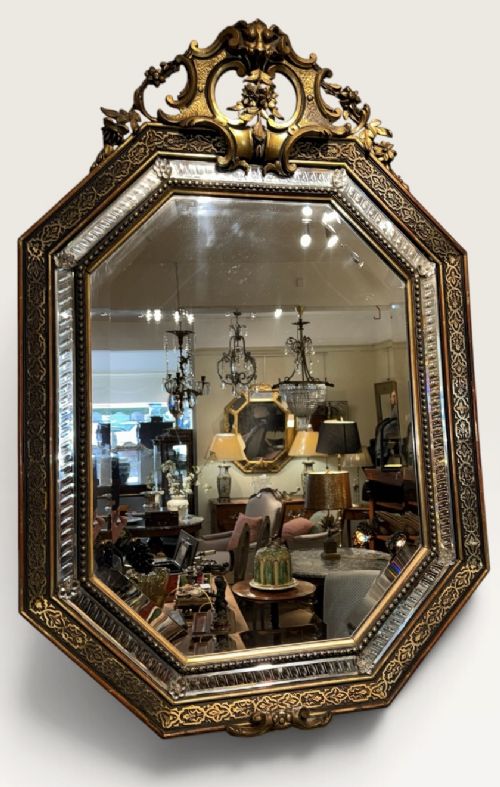
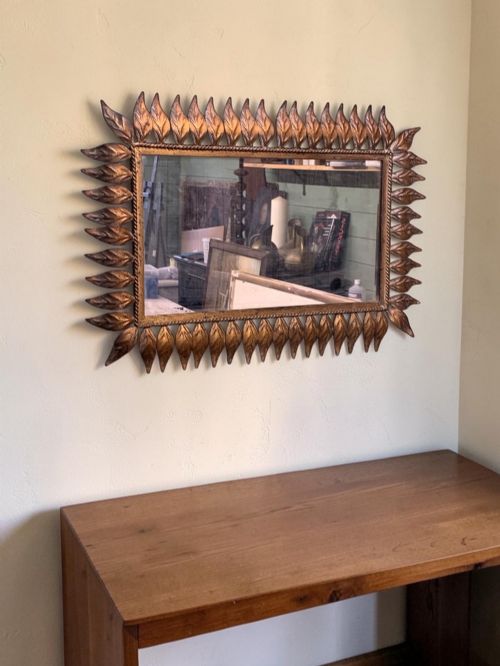
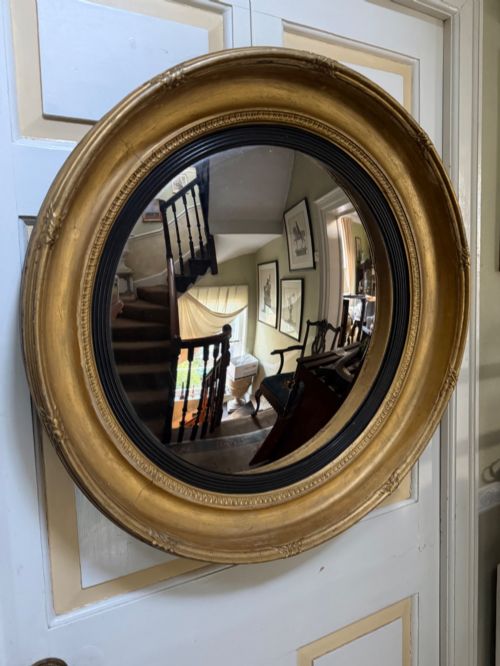
When you search for a decorative gold mirror, you encounter a selection spanning the eighteenth, nineteenth, and early twentieth centuries. These pieces encompass wall mirrors, overmantels, girandoles, and convex circular frames designed to hang above mantelpieces or anchor a principal wall.
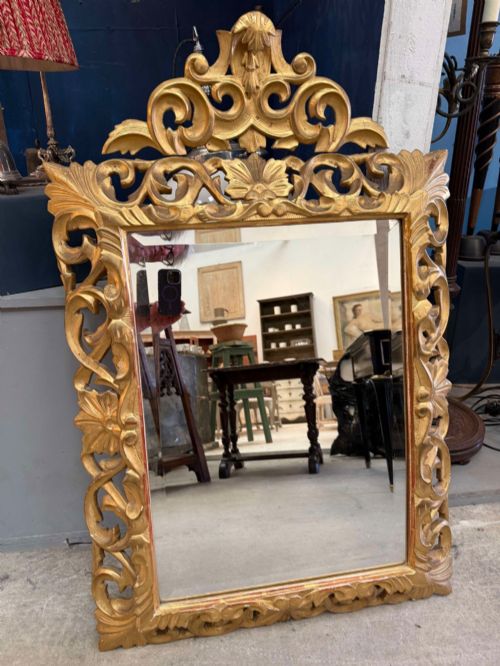
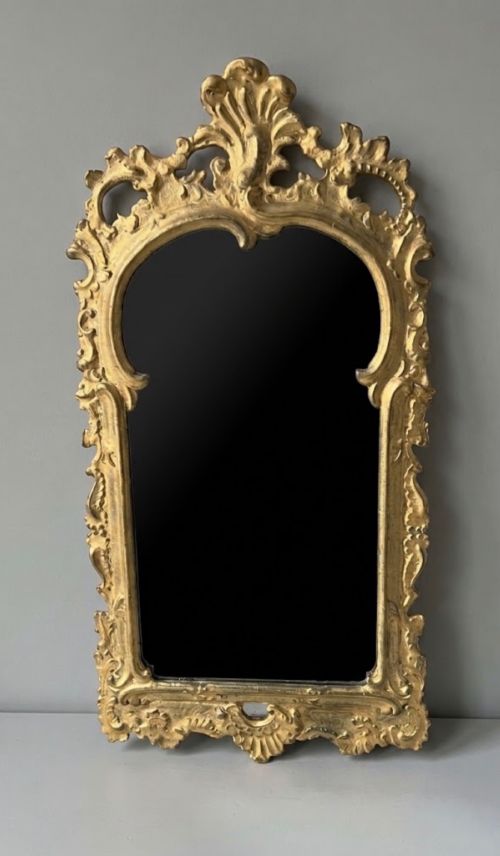
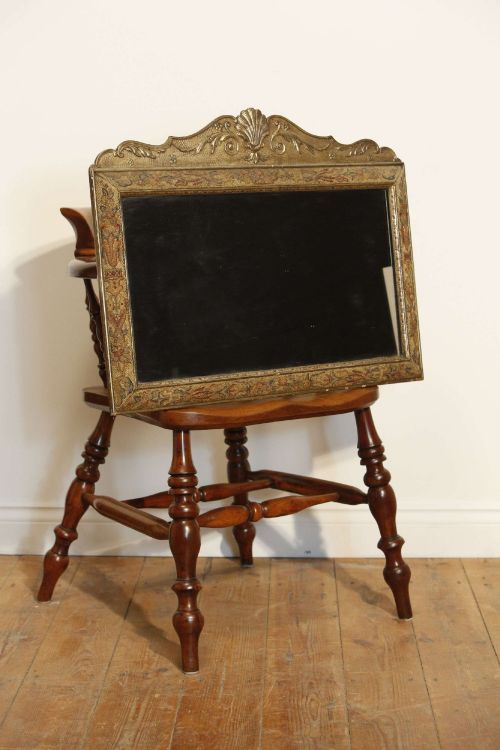
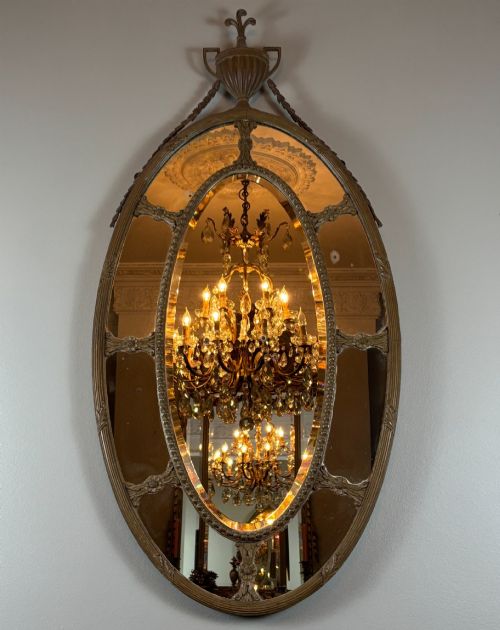
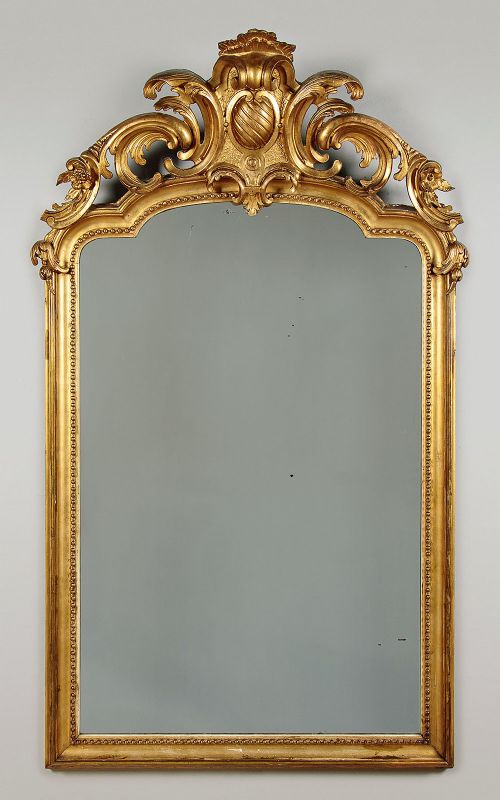
The most common examples on this page date from the nineteenth century, including Victorian, Regency, and French revival styles. You will find rectangular overmantels, arched top frames, and carved oval mirrors finished in gold leaf, gesso, or paint.
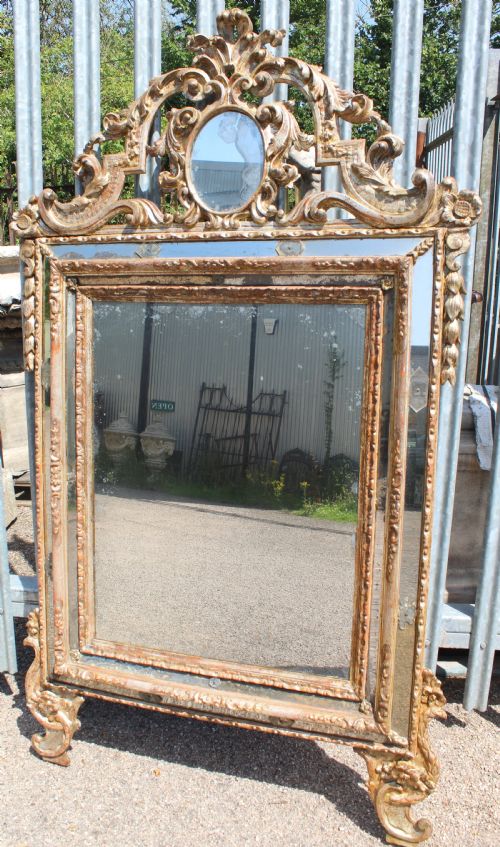
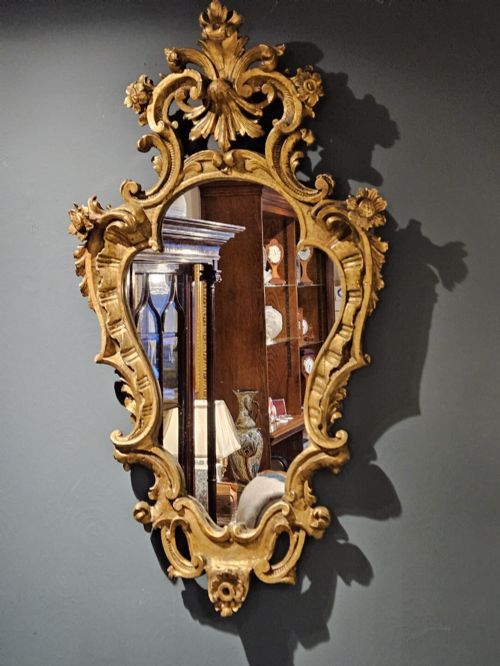
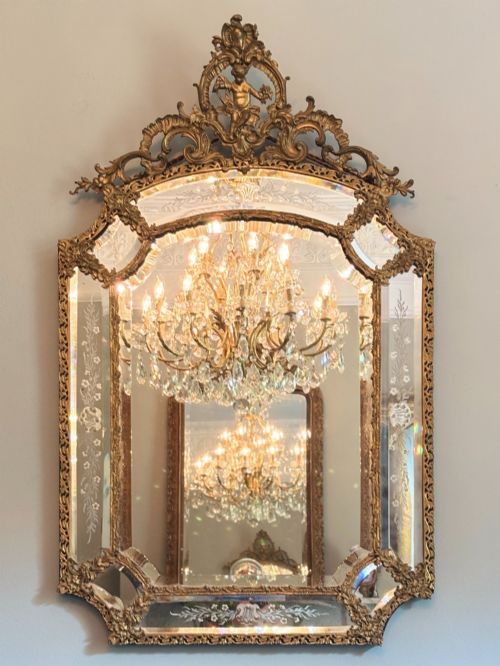
Origins vary across English, French, and Italian workshops, incorporating regional carving traditions from Florentine cushion frames to Chinoiserie and Rococo motifs. Each object reflects the prevailing decorative tastes of its period, from classical symmetry to ornate revival styles.
How they were made
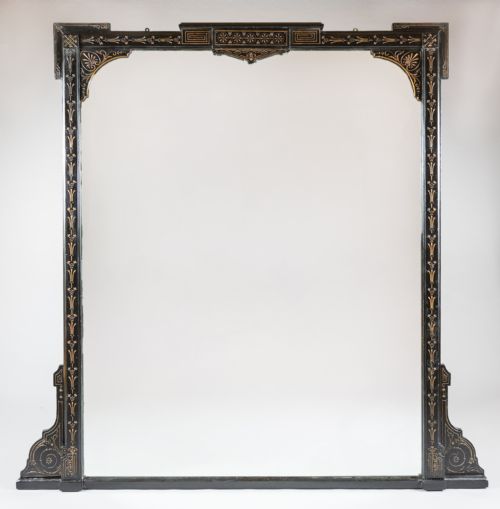
Makers typically constructed the core structures from timber such as carved wood, pine, or walnut, sometimes combining ebonised wood with parcel-gilt details. Gesso was then applied over the wooden base to build up intricate relief ornaments, including swags, urns, and vine leaves.
The decorative surfaces received applications of gold leaf or metallic paint to achieve their luminous finish. Reflective plates included flat glass, engraved plates, and convex or butlers mirror glass, occasionally showing age-related foxing.
Decorative Gold Mirror Retail Price Guide 2026
Typical asking prices for decorative gold mirror among the pieces listed under this phrase on Sellingantiques today, from the lower quarter to the upper quarter. They describe what is for sale here now, not the wider market.
Listings feature eighteenth-century walnut pieces alongside nineteenth-century Victorian, Regency, and French Rococo Revival giltwood wall mirrors.
What varies in quality
The depth and crispness of the wood carving distinguish finer examples from simpler production pieces. Skilled hand-carving in giltwood yields sharp relief details on acanthus leaves, crestings, and column frames, whereas lower tiers rely on simpler moulded compositions.
The integrity of the original gilt surface and the preservation of the antique mirror plate determine the overall character of the piece. Superior examples maintain their original gold leaf layers and aged glass plates without heavy modern restoration.
The Decorative Gold Mirror Glossary
- Giltwood
- Wood that has been coated with gold leaf or gold powder. This surface method creates the characteristic warm metallic sheen found on period frames.
- Gesso
- A plaster-like mixture applied to wood bases and carved to form raised ornaments. It provides the detailed contours beneath the gold leaf finish.
- Overmantel
- A large mirror specifically designed to hang above a fireplace mantel. These horizontal formats often feature architectural columns or arched tops.
- Convex mirror
- A round mirror with an outward-curving glass plate that captures a wide-angle reflection of the interior. They often feature eagle surmounts or circular frames.
- Girandole
- A decorative wall mirror featuring attached candle sconces. The candle arms multiply the reflective light within the room.
Decorative Gold Mirror: Frequently Asked Questions
Where should I hang an overmantel mirror?
An overmantel mirror traditionally sits directly above a fireplace mantelpiece to anchor the focal point of a reception room. Its generous width helps balance the hearth below while reflecting light across the space.
Ensure the wall fixings are secured firmly into studs or masonry to support the substantial weight of these large wooden and gesso frames.
What is parcel-gilt?
Parcel-gilt refers to an object that is only partially gilded, leaving portions of the underlying wood or dark paint exposed. This technique creates a striking contrast between the rich gold highlights and the dark ebonised or walnut timber.
Victorian and eighteenth-century makers frequently utilised this method to emphasise specific carved mouldings and architectural lines.
How do I care for antique gilt surfaces?
Dust antique giltwood and gesso surfaces gently with a dry, soft brush to protect the delicate gold leaf layer. Avoid using liquid cleaners, polishes, or damp cloths, which can strip or damage the historic finish.
Keep the mirror away from direct, harsh sunlight and areas of high humidity to preserve both the timber frame and the silvered glass plate.