




Decorative Glass Flower Vase
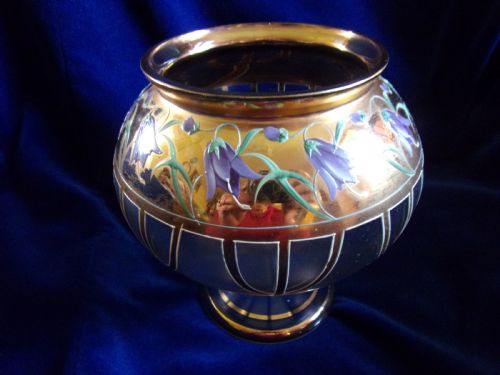
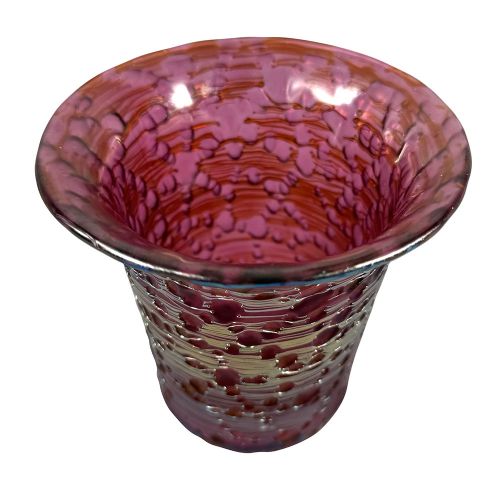
A decorative glass flower vase brings colour and tactile form to a room, ranging from fluid Art Nouveau curves to clean Art Deco geometry.
Decorative Glass Flower Vase
A decorative glass flower vase spans periods from the nineteenth century through the mid-twentieth century, encompassing Victorian cranberry glass alongside Art Nouveau and Art Deco designs.
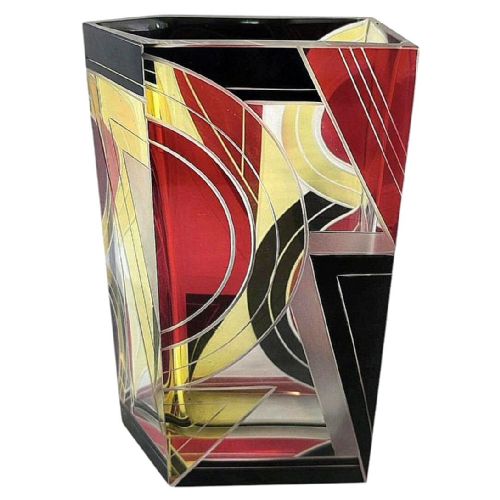
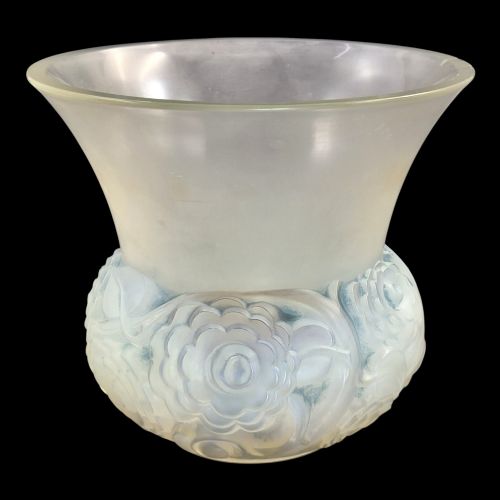
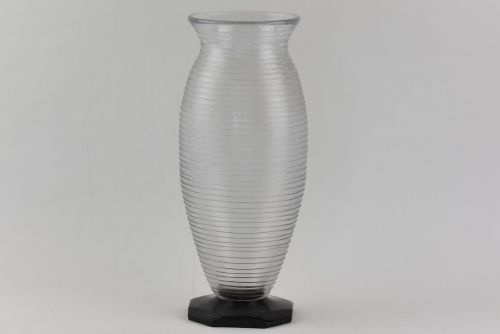
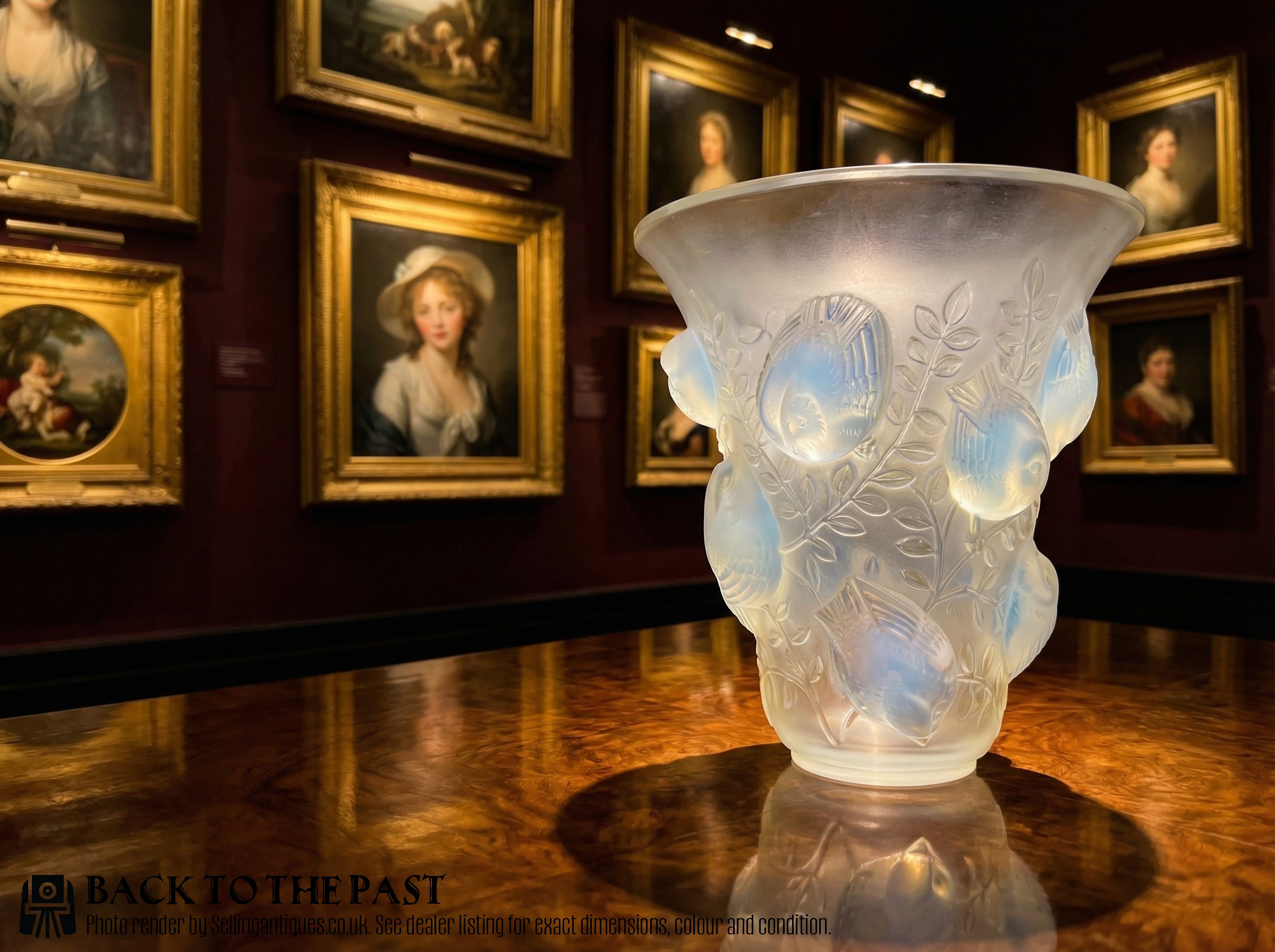
The pieces on this page include tall geometric vessels, cameo glass creations, opalescent French works, and functional centrepieces designed to hold stems or stand alone.
Makers and houses represented range from French glassworks to English makers, reflecting diverse regional tastes in handling colour and light.
Materials and methods
Glassmaking techniques utilise blown glass, cameo glass layers, and optical blowing to build depth and texture within each vessel.
Surface decoration incorporates acid-etching, enamel painting, and gilding directly onto frosted, clear, or opalescent glass bodies.
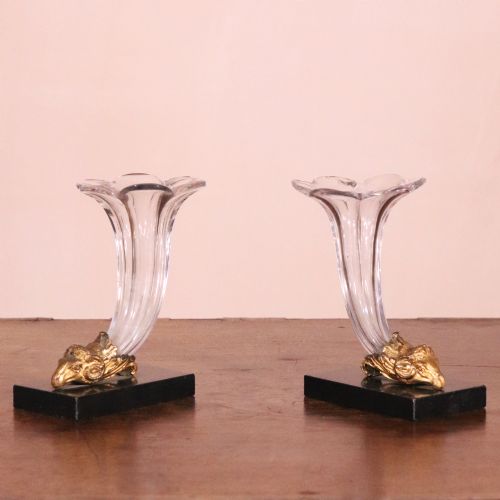
Several Victorian pieces take the playful form of cornucopias, designed to pour visual delight straight onto the dining table.
Judging quality
Quality rests upon the crispness of the acid-etching, the precision of the enamelling, and the complexity of layered cameo carving.
The weight of the glass, the fluidity of blown forms, and the subtlety of iridescent or opalescent effects distinguish exceptional studio and factory output.
René Lalique·Emile Gallé·Daum Nancy·Karl Palda·James Powell·Thomas Webb
The Decorative Glass Flower Vase Glossary
- Cameo glass
- Glass formed with multiple layers of different colours, allowing carvers to etch away the exterior layer to reveal a contrasting design. This technique demands immense precision from the artisan.
- Opalescent glass
- Glass containing ingredients that diffuse light to create a milky, glowing appearance with bluish or amber highlights. It catches interior light to striking effect.
- Iridescent glass
- Glass treated with metallic salts while hot to produce a shimmering, rainbow-like surface sheen. This finish was heavily favored during the Art Nouveau period.
- Acid-etched glass
- Glass decorated by applying acid to eat away exposed surfaces through a resist, creating frosted patterns or deep textural reliefs. It provides sharp linear definition.
Decorative Glass Flower Vase: Frequently Asked Questions
How do I clean an antique glass vase safely?
Wash the glass gently in lukewarm water using mild soap, avoiding abrasive scrubbers that might scratch the surface or damage delicate enamel and gilt details.
Allow the vessel to air dry completely on a soft cloth rather than inserting cloths into narrow necks where pressure could crack the glass.
Can I use these vases for fresh flowers?
Many of these vessels were created to hold blooms, though historic pieces with internal staining or delicate metal mounts require careful handling.
Use a soft bottle brush and avoid harsh chemical cleaners inside the vase to preserve the original glass interior.
How do I distinguish Art Nouveau from Art Deco?
Art Nouveau pieces feature organic, flowing lines inspired by natural forms like flowers, vines, and insects, often utilising iridescent or cameo surfaces.
Art Deco shifts toward strict symmetry, geometric patterns, and clean architectural lines typical of the nineteen-thirties.
What is cameo glass?
Cameo glass involves fusing two or more distinct layers of coloured glass together before carving or acid-etching the top layer away.
This reveals the contrasting background colour and creates a raised relief design with exceptional depth.