



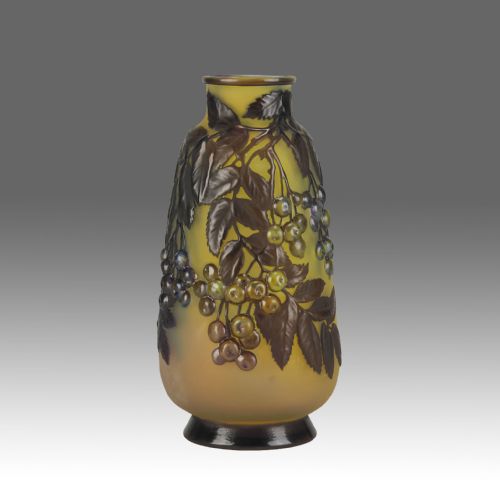


Collectible French Art Glass
Collectible french art glass brings tactile beauty and sculptural form to a room through coloured and moulded vessels.
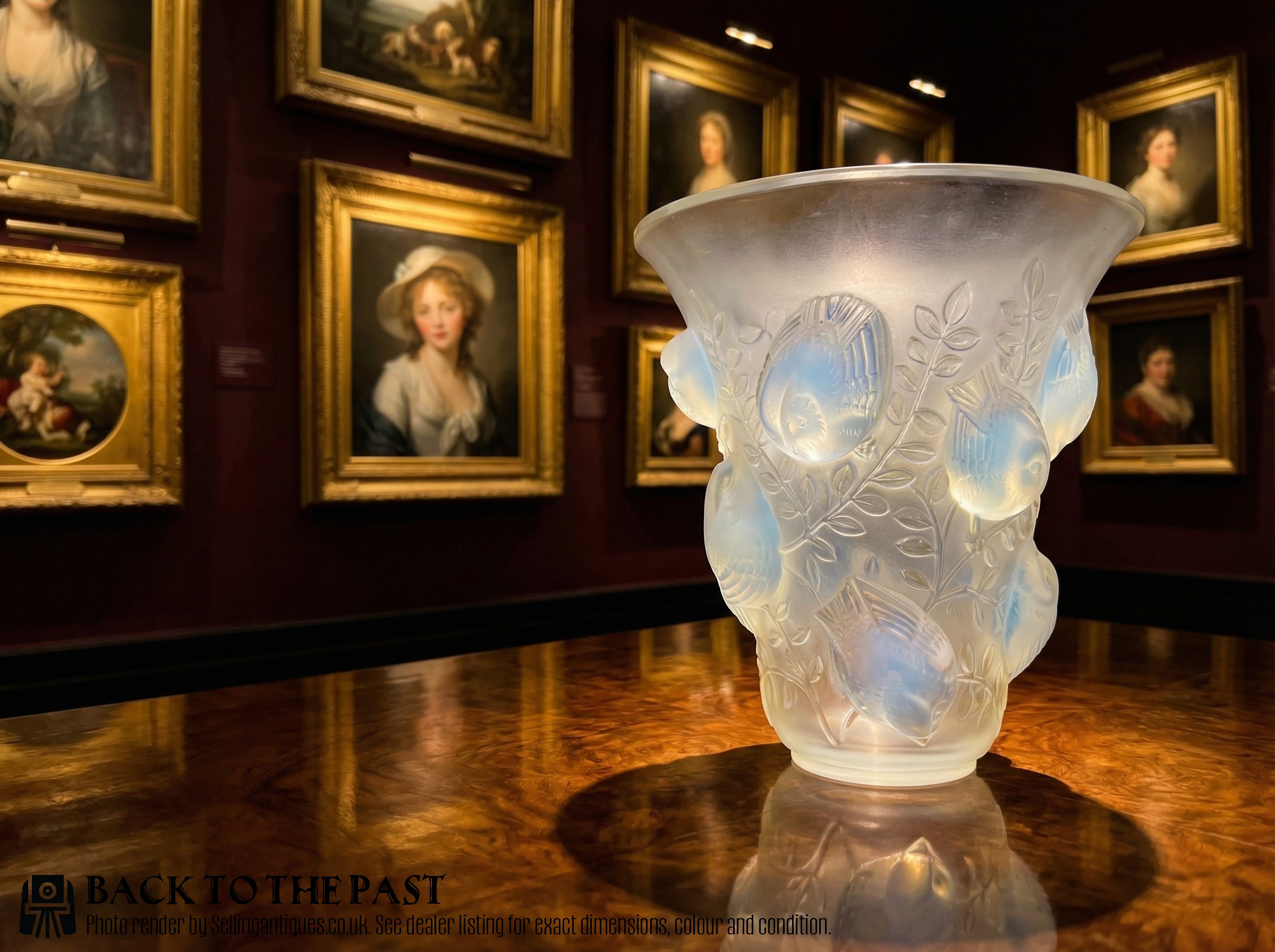
Collectible French Art Glass
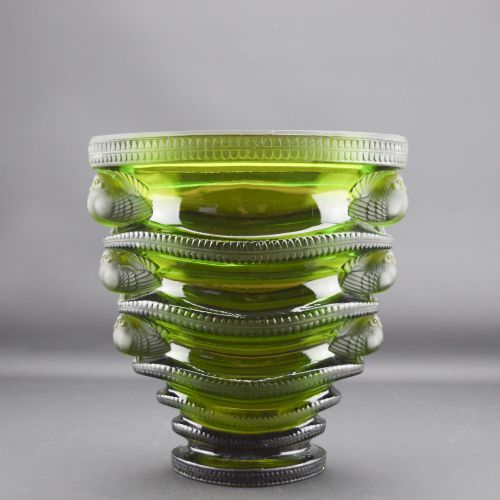
Collectible french art glass encompasses decorative objects created primarily during the late nineteenth and early twentieth centuries. Pieces span the Art Nouveau and Art Deco styles, showing naturalistic floral motifs alongside geometric modernist lines.
Production centres on works from the 1890s through to the 1930s. Creators utilise clear, frosted, opalescent, and cameo glass to achieve varied optical effects.
Manufacturing Techniques and Materials
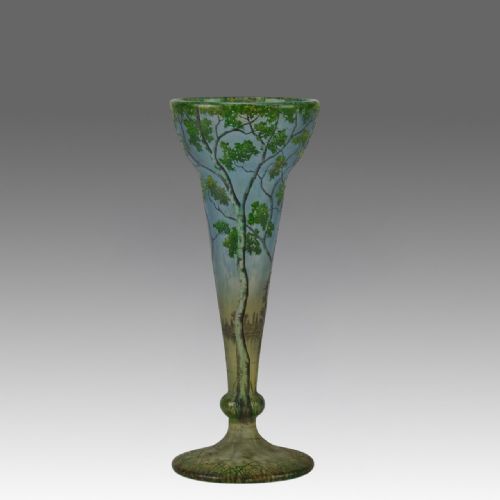
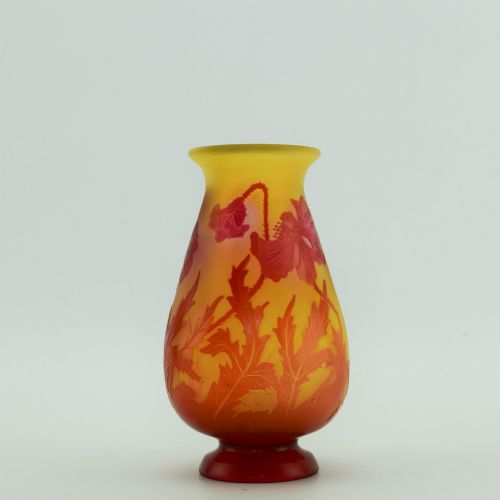
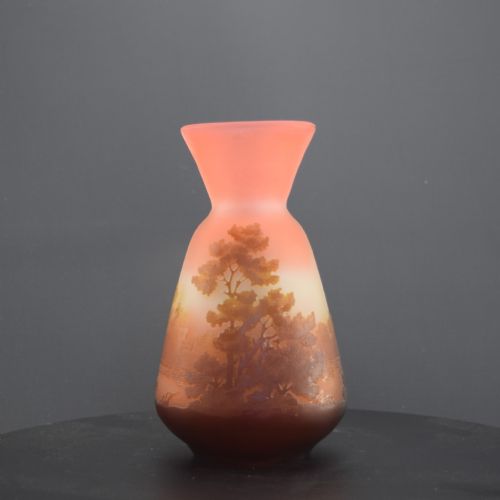
Cameo glass utilises multiple fused layers of coloured glass that artisans carve down using acid-etching to reveal contrasting background designs. This method requires precise temperature control during layering and meticulous hand-carving.
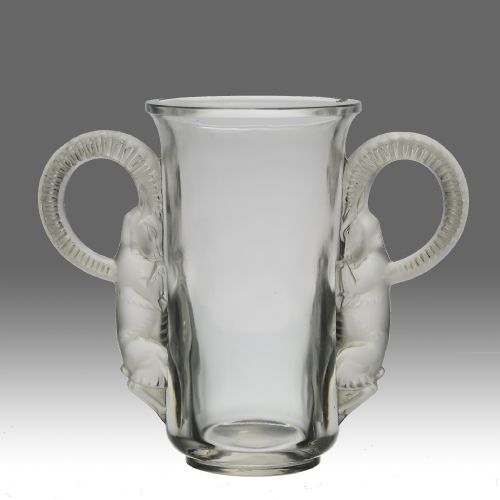
Moulded glass involves pressing molten material into metal forms to shape intricate reliefs and textures. Makers frequently apply enamel staining or frosting treatments to accentuate the raised portions of the design.
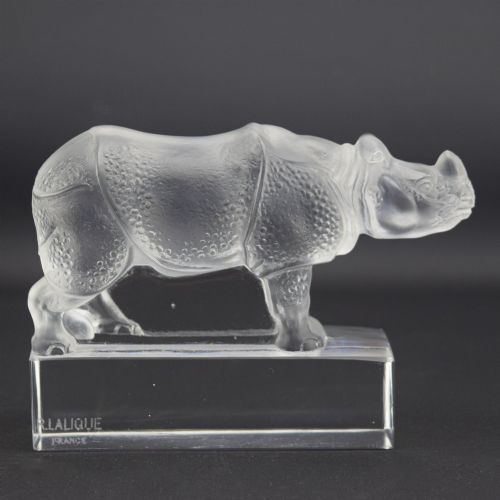
Among the glassware sits a rhinoceros paperweight, proving that even fierce savannah beasts occasionally held down paperwork in French style.
Distinguishing Quality in Glassware
Quality rests upon the depth of the carving and the crispness of the moulded relief. Superior examples exhibit sharp botanical details or distinct animal forms without blurring along the edges.
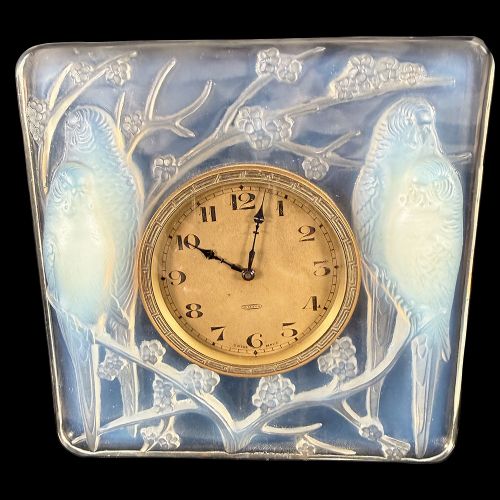
The handling of colour and light transmission separates standard production from finer works. Opalescent pieces shift tones effectively between transmitted and reflected light, while cameo vessels demonstrate deliberate contrast between layers.
Rene Lalique·Daum Frères·Gallé·Amalric Walter
The Collectible French Art Glass Glossary
- Cameo glass
- Glassware created with multiple layers of contrasting colours fused together. Artisans carve or acid-etch the outer layers away to produce raised designs.
- Opalescent glass
- A translucent glass type that appears milky blue when viewed with reflected light and amber or warm tones with transmitted light.
- Acid-etched glass
- Glass treated with hydrofluoric acid to eat away exposed surfaces. This technique produces matte textures or layered patterns.
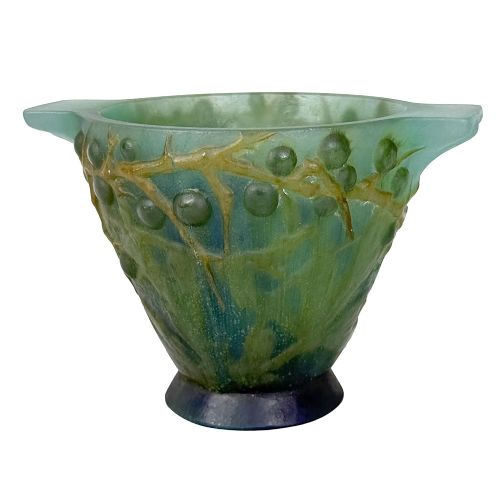
- Pate de verre
- A form of kiln-cast glass made from finely crushed glass mixed with a binder. The paste is packed into a mould and fused by heat.
Collectible French Art Glass: Frequently Asked Questions
What is collectible french art glass?
Collectible french art glass consists of decorative vessels and objects produced in France during the late nineteenth and early twentieth centuries. These works embrace Art Nouveau and Art Deco movements, utilising distinct moulding and cameo techniques.
Items range from perfume bottles and vases to bowls and car mascots. The works reflect significant advancements in glass chemistry and artistic design during the period.
How do I identify Art Nouveau pieces?
Art Nouveau pieces display organic, flowing lines inspired by nature. Motifs typically include floral elements, vines, landscapes, and insect forms.
Makers such as Daum Frères and Gallé applied these designs using multi-layered cameo glass and naturalistic colour palettes.
How do I identify Art Deco pieces?
Art Deco pieces favour geometric patterns, symmetry, and stylised animal or human figures. These works often utilise opalescent, frosted, or clear moulded glass.
René Lalique defined much of this aesthetic through high-relief vases, plates, and perfume bottles produced in the nineteen-twenties and thirties.
How should I display these glass objects?
Display these pieces in locations with adequate lighting to appreciate their translucency and texture. Placing them near natural light allows opalescent and cameo glass to shift tones effectively.
Ensure shelves are stable and spacious enough to support heavy glass forms safely away from edges.