
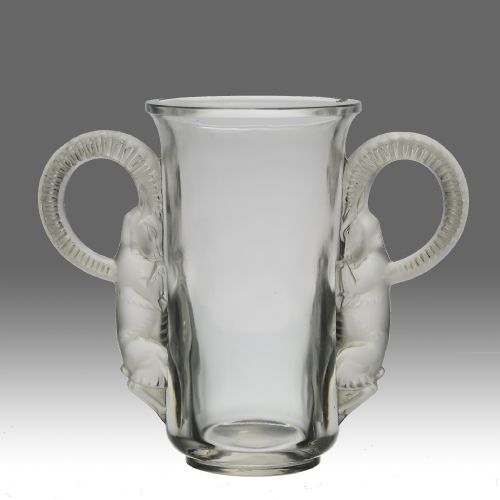


Frosted Glass Urn
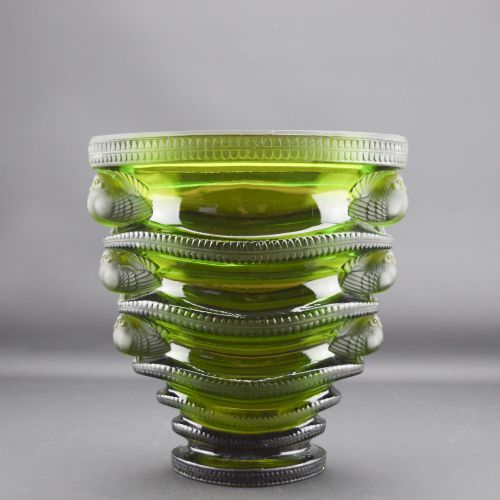
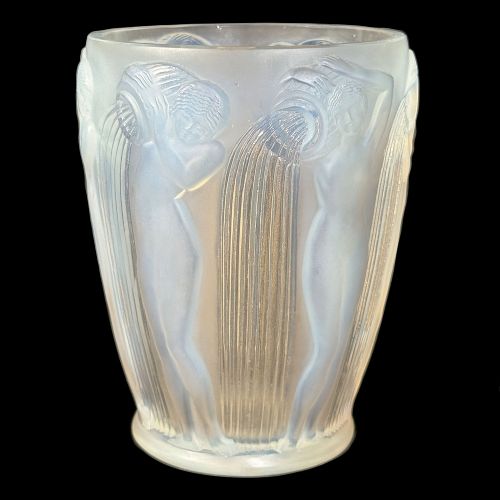
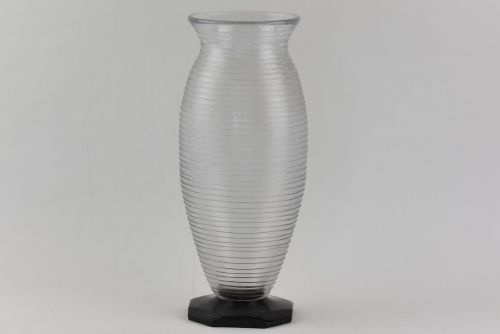
These frosted glass urn pieces and related vessels bring tactile texture and translucent depth to a room, offering sculptural form in varied glass techniques.
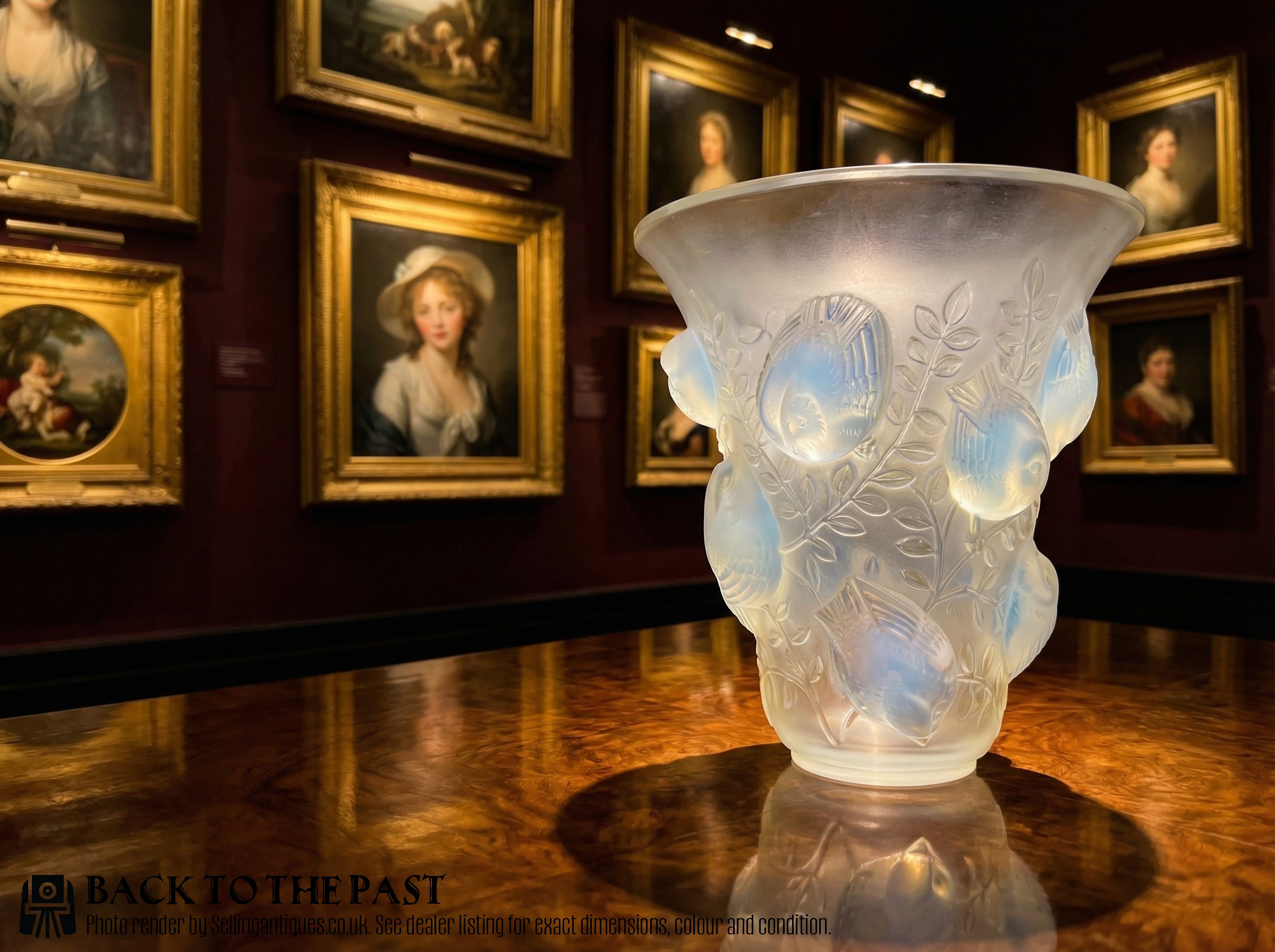
Frosted Glass Urn
When you search for frosted glass urn items, you encounter a selection of decorative vessels and vases originating from the Victorian era through the Art Deco period.
The objects take the form of substantial vases, ornamental urns, and occasionally architectural glass elements such as doors, reflecting historical design movements including French Neoclassical, Art Nouveau, and Art Deco.
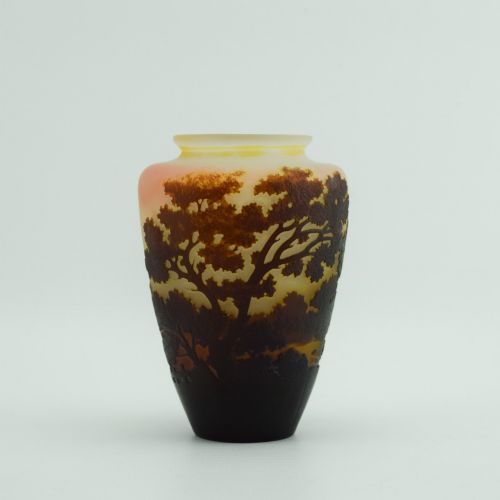
You are most likely to meet moulded, opalescent, and cameo glass pieces produced by major European glassworks from the late nineteenth century up to the mid twentieth century.
How they were made
Makers utilised techniques such as acid-etching, moulding, and cameo carving to achieve the distinctive matte surface texture characteristic of these pieces.
Hot-worked blown glass provided the foundational shape, which was subsequently treated through wheel-carving, chemical etching, or multi-layered cameo overlay to create contrast between clear, frosted, and coloured glass.
Frosted Glass Urn Retail Price Guide 2026
Typical asking prices for frosted glass urn among the pieces listed under this phrase on Sellingantiques today, from the lower quarter to the upper quarter. They describe what is for sale here now, not the wider market.
Listings span periods from Victorian and Edwardian times through to the 1920 and 1930 Art Deco eras.
What varies in quality
The depth of relief and the crispness of detail in moulded or cameo designs separate ordinary production from superior examples.
The integration of colour, such as opalescent fire or layered contrasting hues, dictates the visual richness of the finished piece.
Rene Lalique·Daum·Thomas Webb and Sons·Richardson
The Frosted Glass Urn Glossary
- Cameo glass
- Glass formed by fusing layers of different colours and then carving away portions to create a raised design in relief. This technique requires considerable skill to maintain consistent depth.
- Opalescent glass
- Glass containing ingredients that cause it to milky-blue or fire with orange and yellow tones when light passes through. It creates a luminous, ethereal quality on curved surfaces.
- Acid-etched glass
- Glass treated with hydrofluoric acid to eat away the surface and create a frosted matte finish. This method allows for precise control over decorative patterns.
- Moulded glass
- Molten glass pressed into a metal or wooden mould to shape the vessel and impress a pattern simultaneously. It enabled the efficient production of complex decorative motifs.
Frosted Glass Urn: Frequently Asked Questions
How do I clean frosted glass?
Clean frosted glass gently with warm water and a mild detergent using a soft cloth. Avoid abrasive materials that can damage the matte texture.
Dry the piece thoroughly with a lint-free towel to prevent water spots from forming on the etched surfaces.
What is cameo glass?
Cameo glass involves multiple fused layers of coloured glass where the outer layer is carved away to expose a contrasting background colour. This demanding technique produces high-relief ornamentation.
Pieces often display botanical or landscape scenes rendered in delicate tonal gradations.
Are these pieces signed?
Many higher-quality glass pieces carry acid-etched, engraved, or moulded signatures or maker marks near the base. These signatures authenticate the origin of the work.
Unsigned pieces still occur, requiring stylistic attribution based on form, glass chemistry, and decorative technique.