
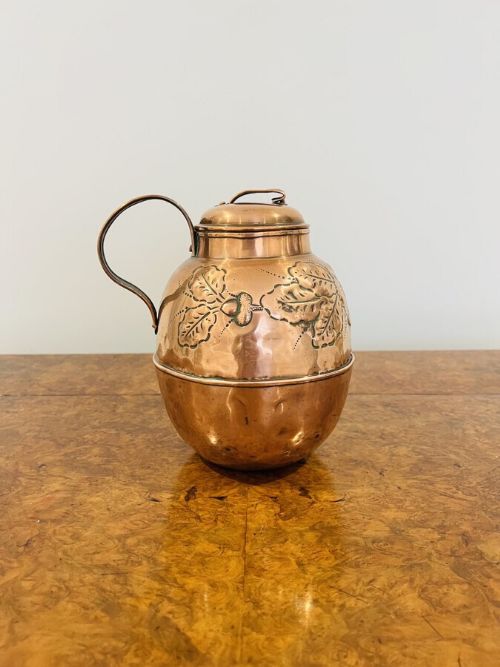


Decorative Copper Vessel
These decorative copper vessel options bring warmth and rich metallic tone to any room.
Decorative Copper Vessel
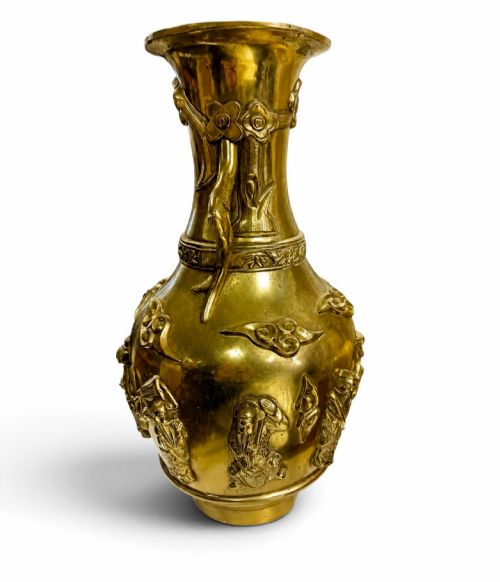
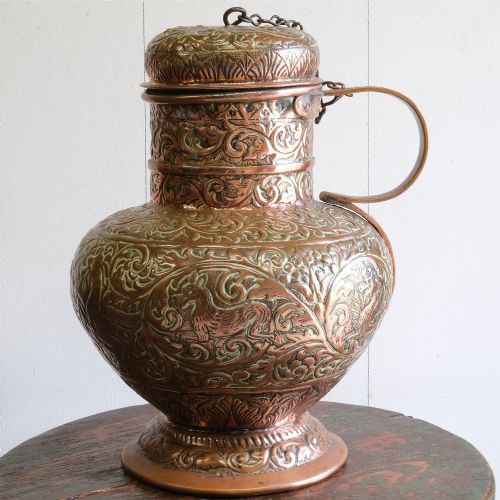
A decorative copper vessel serves both practical and ornamental purposes across various historical periods, frequently appearing in domestic and regional forms. Buyers exploring a decorative copper vessel will encounter diverse items ranging from Victorian jugs and kettles to Arts and Crafts planters and bowls.
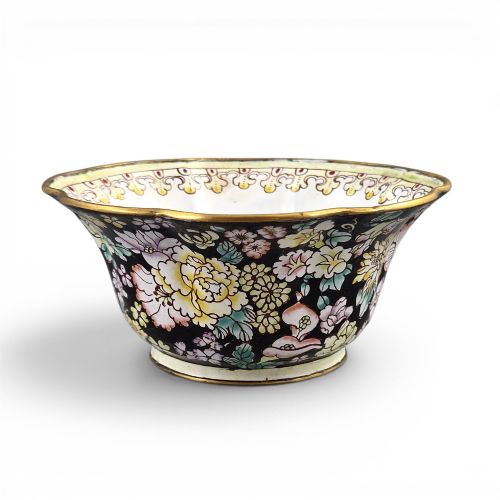
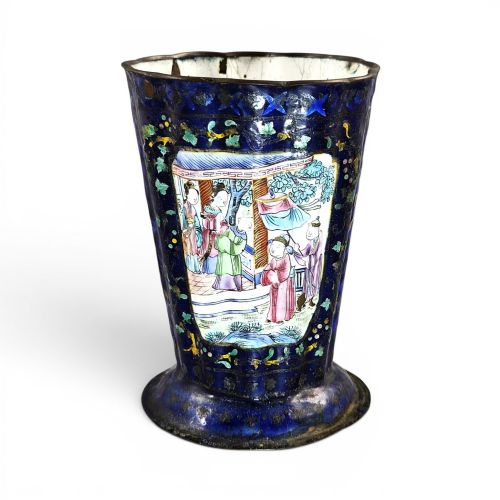
Forms include baluster vases, samovars, flagons, and water barrels, alongside painted enamel vessels from the Qing dynasty. Each object reflects the specific aesthetic priorities of its origin, blending metalwork skill with functional utility.
Materials and construction methods
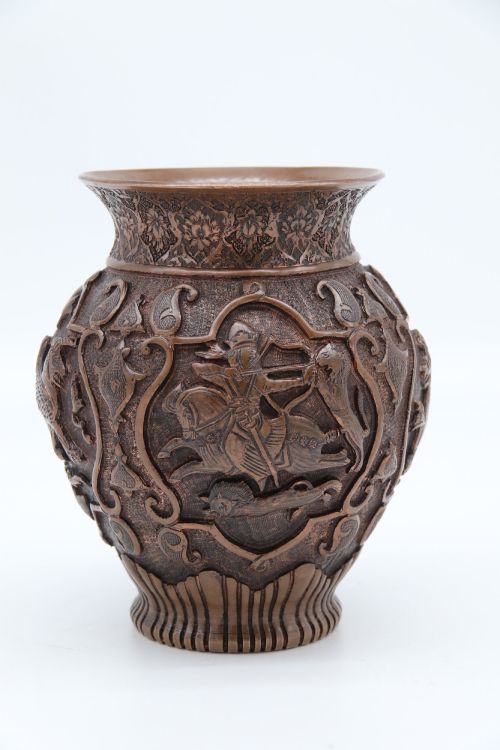
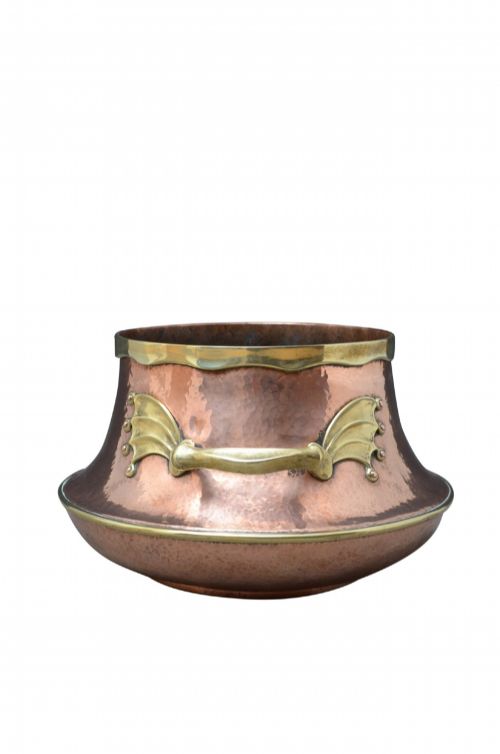
Makers utilised primary copper alongside brass, tin, and mixed metal alloys to build sturdy bodies capable of holding liquids or supporting plants. Surface enhancement often involved repoussé work, chasing, and hammering to create low and high relief decorative motifs.
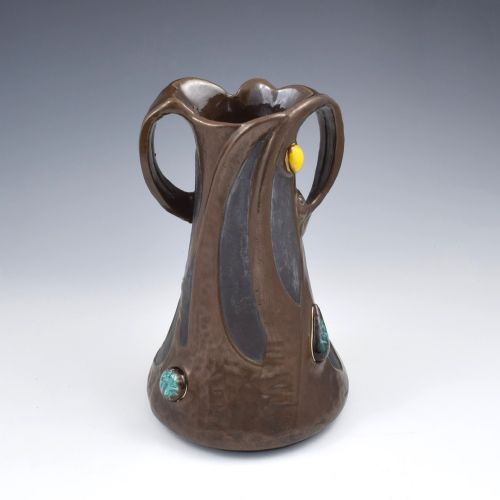
Enamel techniques appear on specific pieces, particularly painted Canton wares on copper bases from the late eighteenth and nineteenth centuries. Artisans also incorporated cabochons, brass handles, and contrasting metal trim to highlight structural details.
Listings feature Victorian, Edwardian, and eighteenth-century items in copper, brass, and enamel.
Judging the quality of metalwork
Quality rests upon the crispness of the hand-hammered or repoussé surface details and the structural integrity of seams and handles. Superior examples display careful handling of metal thickness and harmonious proportions between body and decorative mounts.
The distinction between standard utility items and finer display pieces often lies in the depth of ornamentation, such as intricate floral chasing or integrated enamel and cabochon settings. Well-preserved patination and maker marks or regional decorative traits further elevate a piece.
The Decorative Copper Vessel Glossary
- Repoussé
- A metalworking technique where the artisan hammers the design from the reverse side to create raised relief on the front. This method gives depth to floral and figural motifs.
- Jardiniere
- An ornamental pot or stand designed to hold plants or flowers indoors. They frequently appear in heavy copper or brass during the Arts and Crafts period.
- Samovar
- A heated metal container traditionally used to boil and heat water in Russia and surrounding regions. Victorian examples often feature robust copper construction with taps and handles.
- Baluster
- A architectural form shaped like a vase or column, commonly describing the curved profile of certain tall vases in the collection. It provides a stable base and tapering neck.
- Cairoware
- Nineteenth-century metalwork produced in Egypt and the Middle East, typically featuring brass inlaid with silver or copper. These pieces use intricate Islamic geometric patterns.
Decorative Copper Vessel: Frequently Asked Questions
How do I clean old copper?
Old copper is best maintained with gentle dusting and occasional soft wiping to preserve the natural aged patina.
Avoid harsh commercial metal polishes that strip away historical surface character and dull the metal over time.
Are these vessels watertight?
Many nineteenth-century jugs, kettles, and buckets were built for holding liquids and water storage during daily use.
However, older vessels require careful inspection for hairline fractures or historical repairs before regular use with water.
What is Arts and Crafts copper?
Arts and Crafts copper items emphasise hand-worked surfaces, visible hammering marks, and simple functional designs.
Makers from this movement rejected industrial uniformity in favour of handcrafted individuality and honest materials.
How do I date Victorian copper?
Victorian copper pieces often feature distinct construction markers such as dovetail joints, hand-cut rivets, and heavier gauge metal.
Stylistic cues like aesthetic movement engraving or specific maker stamps also help narrow down the production decade.