










Decorative Ceramic Wall Platter
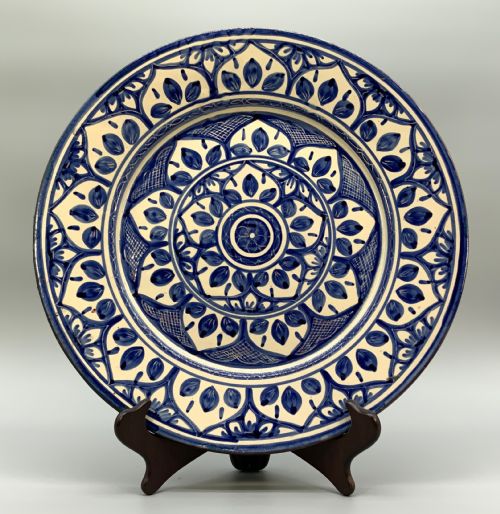
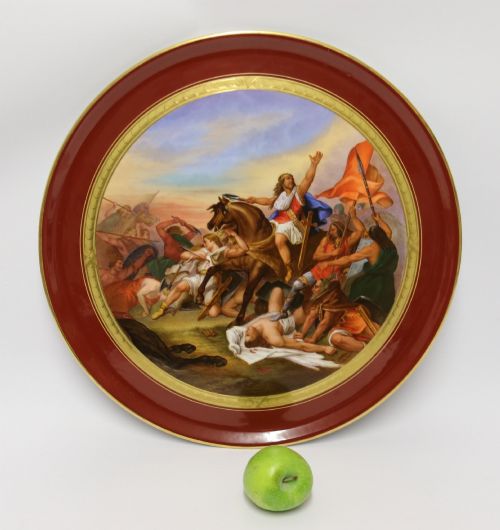
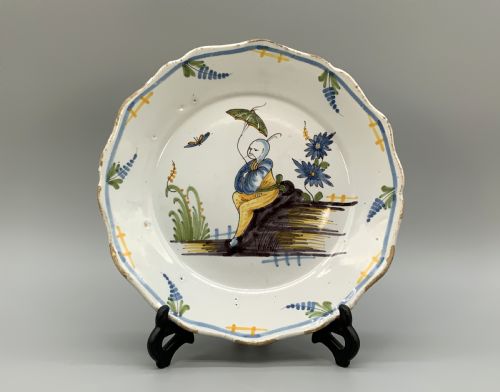
These decorative ceramic wall platter examples bring bold pattern and scale to a room, offering rich historical ornament for display.
Decorative Ceramic Wall Platter
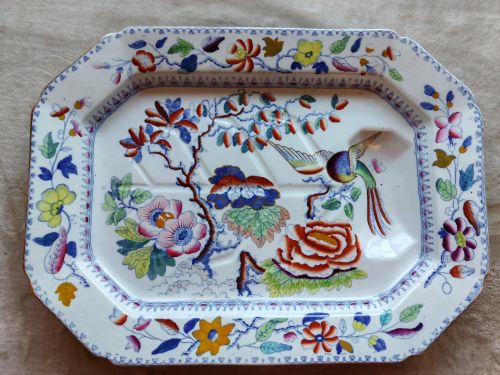
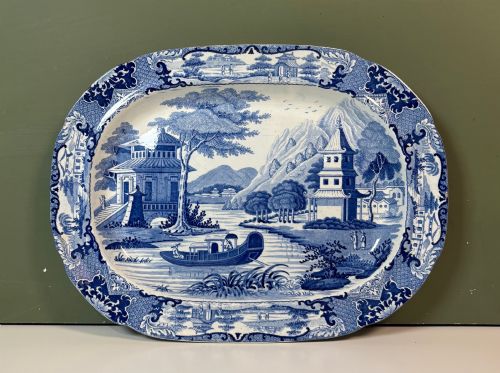
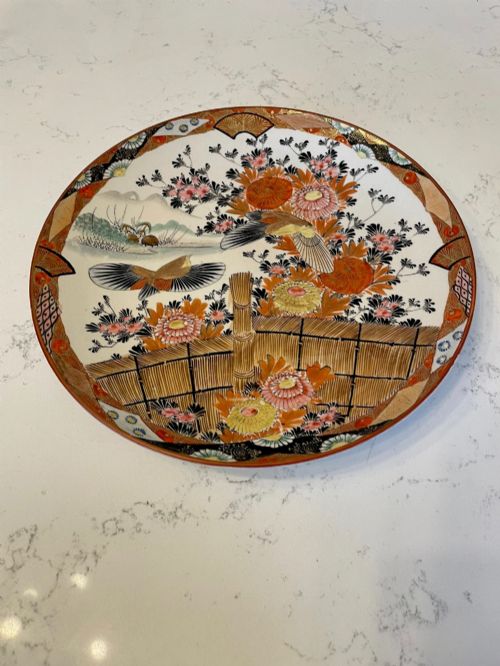
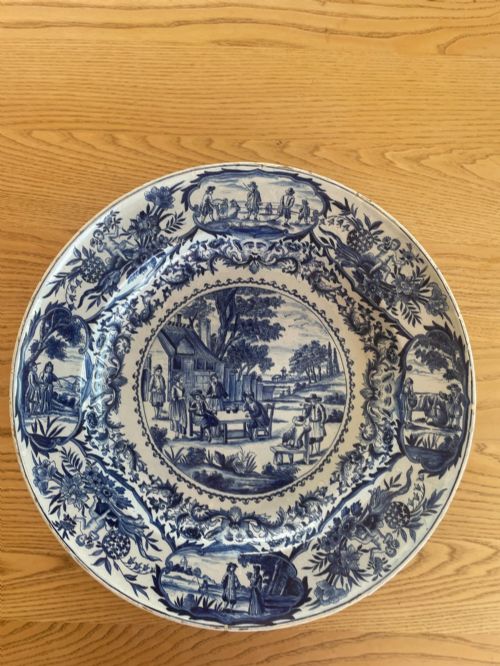
A decorative ceramic wall platter is a substantial dish or charger created primarily for display rather than dining. You will frequently find large Japanese Imari chargers alongside English ironstone plates and continental tin-glazed earthenware.
The selections span from eighteenth-century Delft pieces to late nineteenth-century Japanese Satsuma and Kutani porcelain. Forms range from deep circular bowls to scalloped and square plates designed to hang securely on a wall.
How they were made
Potters shaped ceramic, porcelain, stoneware, and ironstone bodies before applying cobalt oxide, enamel colours, and glaze. Many pieces received meticulous hand-painted details, incorporating gilded highlights and intricate cobalt designs.
Firing techniques allowed vibrant iron-reds, blues, and yellow grounds to fuse permanently with the glaze. Artisans utilised specialised kilns to achieve the refined surfaces seen on Paris porcelain and Japanese export wares.
Decorative Ceramic Wall Platter Retail Price Guide 2026
Typical asking prices for decorative ceramic wall platter among the pieces listed under this phrase on Sellingantiques today, from the lower quarter to the upper quarter. They describe what is for sale here now, not the wider market.
Several platters depict the Seven Lucky Gods and ferocious koi carp swimming upstream, ensuring your walls host both divine blessings and determined fish.
What varies in quality
Execution of the hand-painted scene dictates visual distinction, separating routine output from masterwork composition. Precision in brushwork, depth of cobalt pigment, and complexity of figurative subjects define the upper tier.
Control during the high-temperature firing process ensures crisp separation of enamel colours and brilliance in glaze surfaces. Weight, structural balance, and clarity of the porcelain or earthenware body further separate standard items from superior examples.
John Davenport of Longport·Copeland Pottery·William Yale·Pucher Deroche·John Ridgway·Mason’s
The Decorative Ceramic Wall Platter Glossary
- Charger
- A large decorative plate or dish traditionally intended for ceremonial display or grand tables. They measure considerably larger than standard dinner plates.
- Imari
- A style of Japanese porcelain featuring distinctive cobalt blue, iron-red, and gold decoration. The aesthetic originated in Arita and heavily influenced European potteries.
- Faience
- European tin-glazed earthenware decorated with opaque metal oxide glazes. It often displays vibrant blue, yellow, and manganese hues.
- Moriage
- A Japanese ceramic technique using raised slip decoration to create textured, dimensional patterns. It appears frequently on Satsuma earthenware vessels.
- Ironstone
- A durable type of British stoneware patented in the nineteenth century. It mimics porcelain while offering greater resistance to daily wear.
Decorative Ceramic Wall Platter: Frequently Asked Questions
How were decorative ceramic wall platters displayed historically?
These large dishes were traditionally mounted on dining room walls or set upon buffets to demonstrate household wealth and taste.
Their substantial scale allowed intricate painted scenes to be viewed from across a grand interior.
How do I hang a heavy ceramic charger safely?
Wall display requires a properly secured, coated wire hanger that distributes the weight evenly around the rim of the dish.
Ensure the wall fixing anchors firmly into solid masonry or a timber stud rather than relying on standard plaster.
What is the difference between Delft and Japanese Imari?
Delft pieces utilise European tin-glazed earthenware with a distinct white background, traditionally painted in blue or manganese.
Japanese Imari relies on hard-paste porcelain or fine ceramic decorated with a rich palette of cobalt blue, iron-red, and gilt.
How do I date an antique ceramic platter?
Dating relies on examining the characteristics of the ceramic body, glaze consistency, and any maker marks or registration numbers stamped on the reverse.
Stylistic cues such as Meiji period motifs or Georgian ironstone patterns also provide reliable chronological markers.