





Hand Painted Masons China
Hand painted masons china delivers robust ceramic service dishes, comports and plates decorated in rich enamel and gold leaf.
Hand Painted Masons China
Buyers seeking hand painted masons china encounter durable ironstone ceramic tableware created across the nineteenth century. The selection spans Georgian low comports, Victorian serving dishes, and decorative bowls.
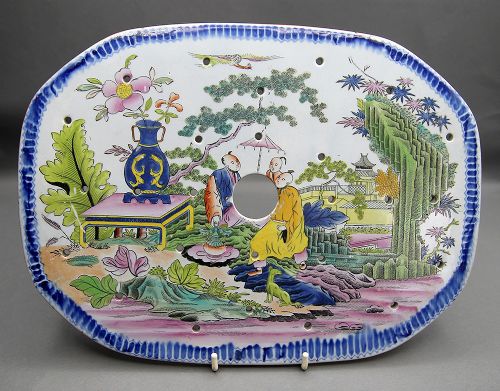
Chinoiserie motifs, Japan patterns, Mogul designs, and Indian grasshopper patterns dominate the aesthetic. Pieces range from single plates to complete dessert services and vegetable tureens with covers.
The objects combine utility with ornate visual appeal, reflecting the shifting stylistic influences of Regency and Victorian eras. Low comports and platters form the core of the physical evidence available here.
How hand painted masons china was made
Potters shaped durable ironstone china and ironstone ceramic bodies to form heavy plates, comports, and vessels. This dense material provided a robust base capable of enduring daily service use.
Craftspeople applied colourful enamel pigments by hand over a protective glaze before adding rich gold leaf and gilding details. Oriental inspired patterns like Chinoiserie and Imari required precise brushwork to articulate complex motifs.
Hand Painted Masons China Retail Price Guide 2026
Typical asking prices for hand painted masons china among the pieces listed under this phrase on Sellingantiques today, from the lower quarter to the upper quarter. They describe what is for sale here now, not the wider market.
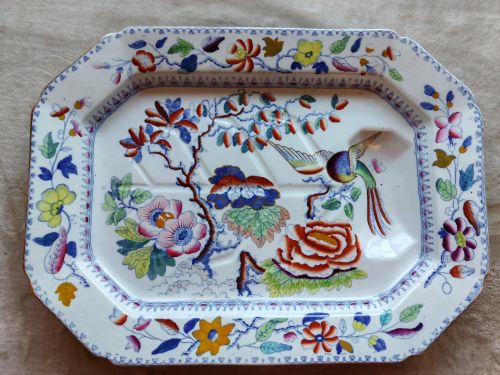
Grasshoppers and exotic birds march across nineteenth century meat platters, keeping dinner guests permanently amused.
What varies in quality in hand painted masons china
The precision and complexity of the hand applied enamel painting separate standard utilitarian items from finer decorative services. Elaborate patterns such as the Mogul or Indian grasshopper demand greater artisan skill than simpler border treatments.
The preservation of the original gold leaf and surface gilding significantly influences the visual authority of a piece. Crisp transfer printing beneath the hand painting and consistent glaze application mark the superior examples.
Mason
The Hand Painted Masons China Glossary
- Ironstone
- A dense, heavy ceramic developed in the nineteenth century as a durable alternative to porcelain. It resists chipping while accepting complex enamel decoration.
- Comport
- A raised serving dish or pedestal bowl used historically for fruit or sweetmeats during formal dining courses. These stand on short feet or stem bases.
- Porringer
- A small, handled bowl used for porridges, soups, or soft foods. In ironstone, these often survive as scarce cabinet vessels.
- Gilding
- The application of gold leaf or gold paint to ceramic surfaces to highlight rims, handles, and pattern details. It adds reflective warmth to the enamel colours.
Hand Painted Masons China: Frequently Asked Questions
What is ironstone china?
Ironstone is a heavy, durable ceramic material patented in the nineteenth century to withstand hard daily use while mimicking fine porcelain.
It offers exceptional strength, making pieces like meat platters and tureens surprisingly resilient against everyday wear.
How do I use comports?
Comports serve as raised presentation vessels traditionally placed in the centre of a dining table for fruit or sweet dishes.
Today, they function well as decorative centrepieces or standalone display items on sideboards.
What are Japan patterns?
Japan patterns refer to nineteenth century decorative schemes inspired by Imari wares imported from East Asia.
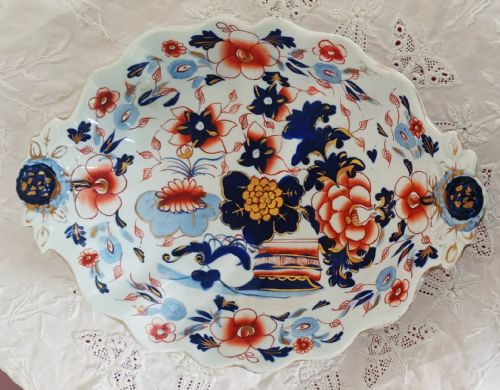
These designs typically feature cobalt blue, iron red, and abundant gold leaf details over a white ironstone ceramic ground.
Can I use these for dining?
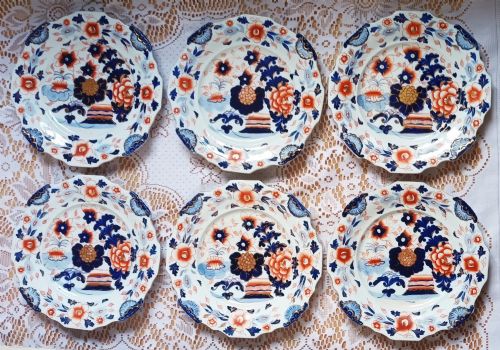
Most pieces survive from the Georgian and Victorian periods as decorative tableware, dessert services, or serving dishes.
Gentle hand washing preserves the delicate hand painted enamel and gold leaf against modern detergent wear.