
Decorative Ceramic Figure
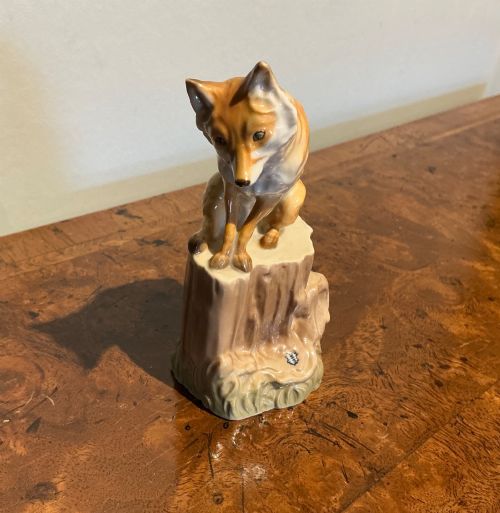
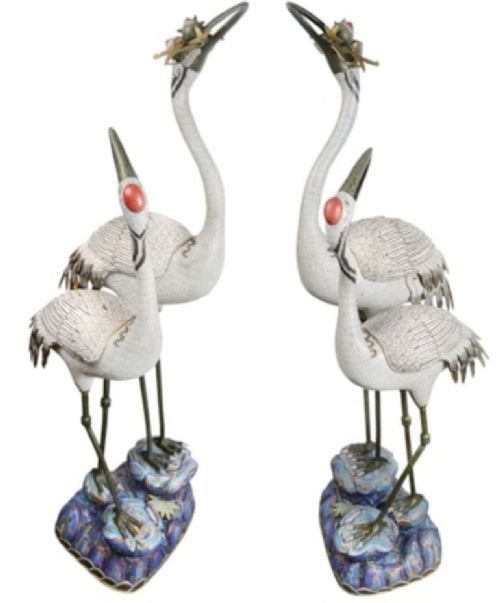
A decorative ceramic figure captures stories in clay and porcelain, bringing character and colour from the nineteenth and twentieth centuries into a room.
Decorative Ceramic Figure
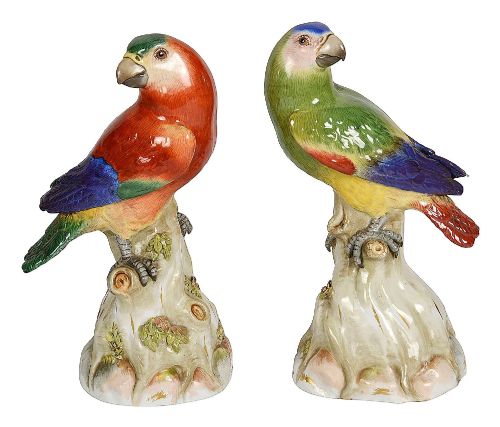
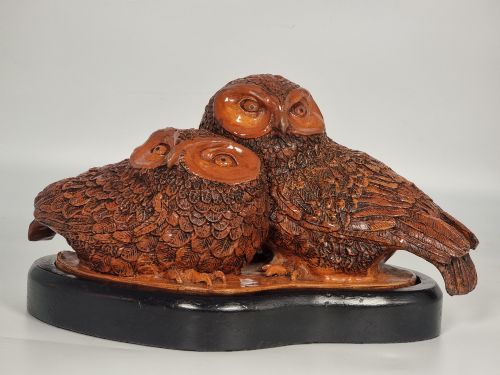
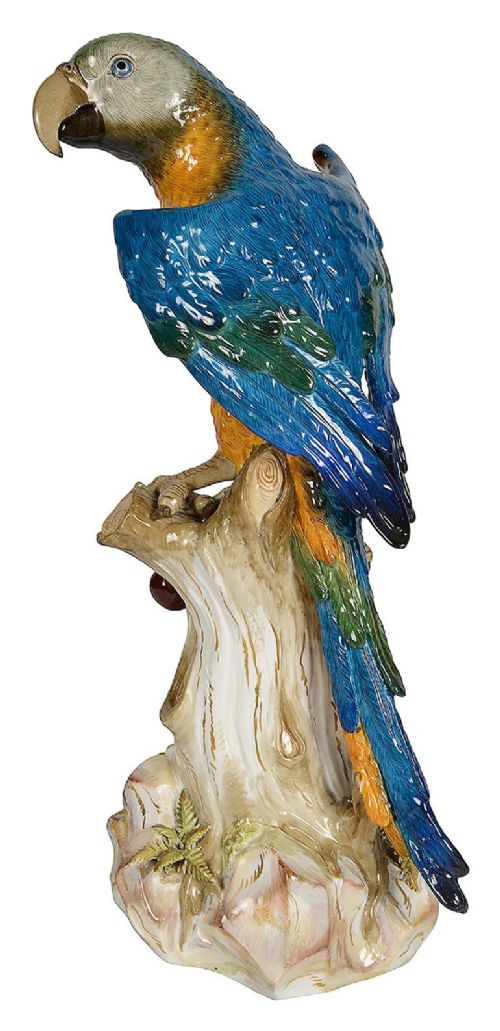
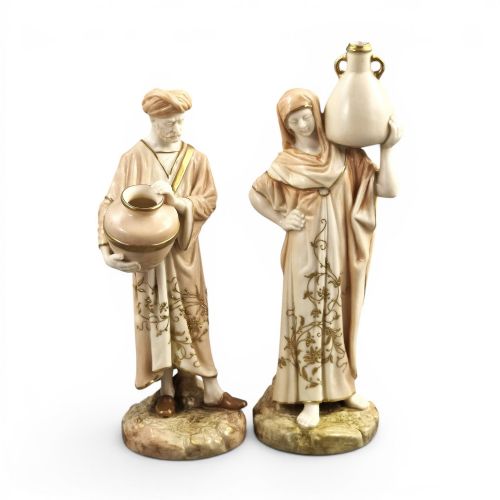
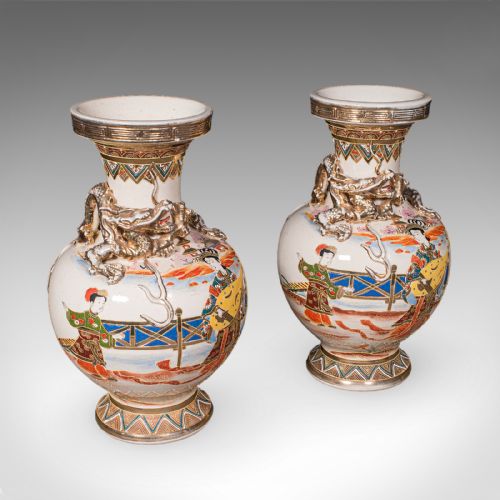
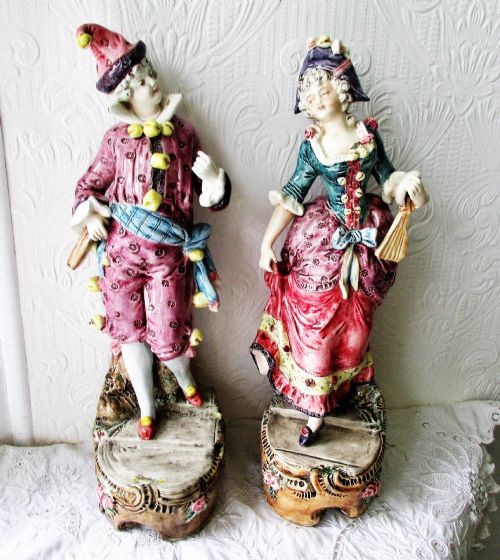
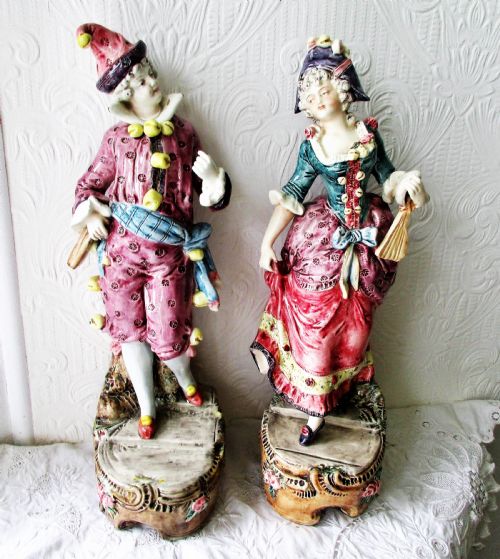
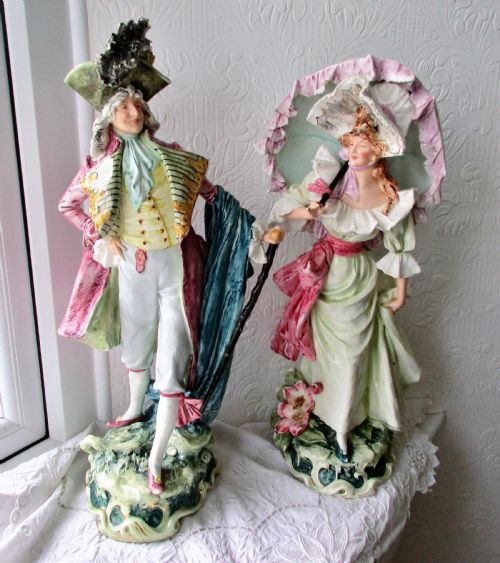
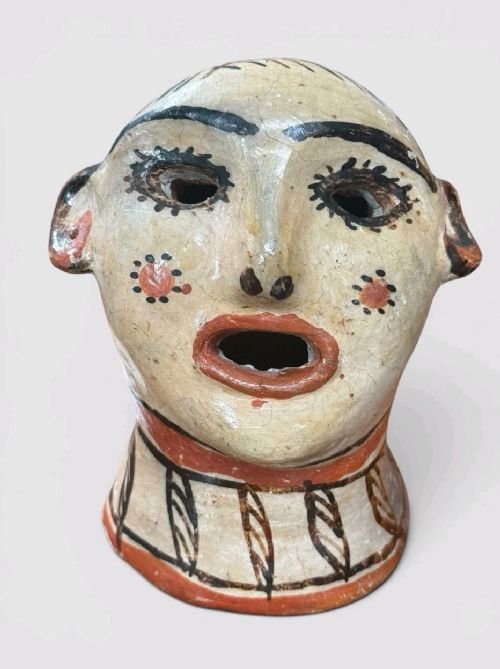
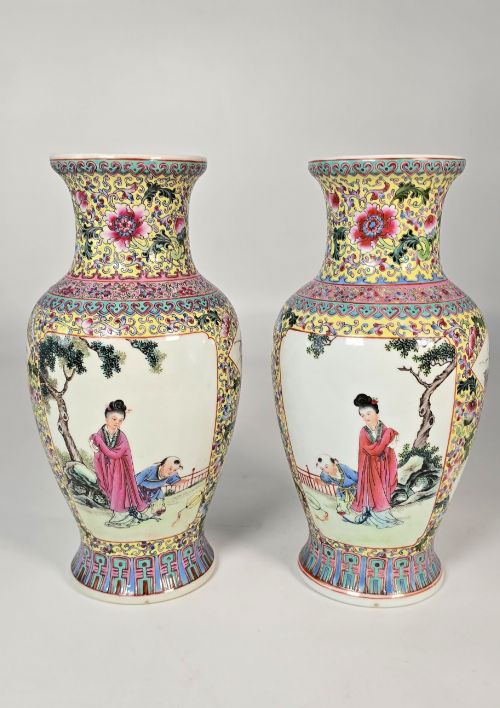
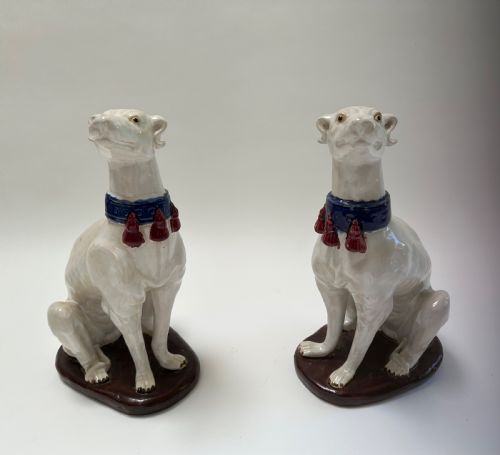
A decorative ceramic figure encompasses a wide range of sculptural ceramics, from nineteenth-century European porcelains and earthenware to Japanese Meiji period Satsuma and Kutani works. When searching this phrase, buyers encounter birds, animals, human characters, and mythological subjects created across various global traditions.
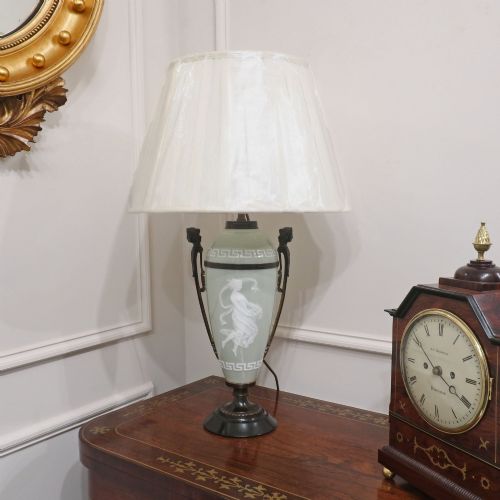
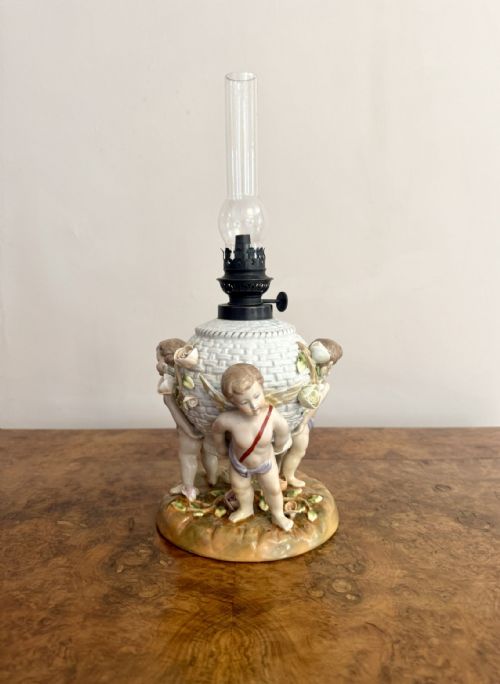
The selection frequently includes nineteenth-century pieces alongside works from the nineteen-twenties and thirties. Figurines, parrots, dogs, and character studies appear alongside functional forms incorporating sculptural elements, reflecting both European revival styles and East Asian artistry.
Materials and construction
Makers utilised porcelain, earthenware, terracotta, and faience, shaping them through moulding, hand-sculpting, and throwing. Glazes, enamel, and gold leaf were applied to surfaces to add colour and texture before firing in kilns.
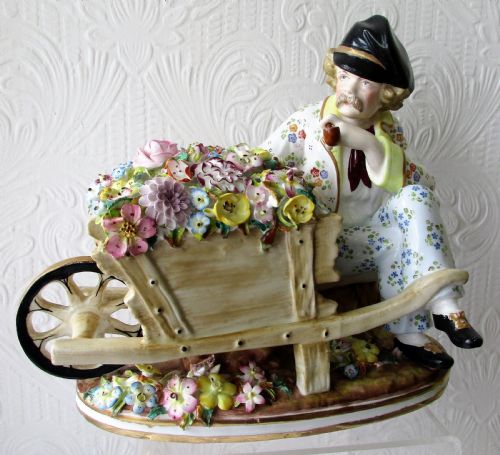
Many items incorporate detailed surface decoration such as pate sur pate, sancai glazes, or hand-painted details. Applied elements like floral bocage or modelled animals demonstrate the careful assembly required before pieces reached their final finished state.
The listings on this site span porcelain, earthenware, terracotta, and ceramic, covering items from the eighteenth century to nineteen-sixty.
Distinctions in craftsmanship
The sophistication of the glaze and the success of the firing dictate the depth of the finished surface. Superior works balance structural stability with intricate decorative components that remain intact across decades.
Royal Worcester·Meissen·Goldscheider·Sitzendorf·Nymphenburg·Royal Doulton
The Decorative Ceramic Figure Glossary
- Bocage
- An intricate background of applied porcelain leaves and flowers surrounding a figure. This style appears frequently on eighteenth and nineteenth-century English and European pieces.
- Pate sur pate
- A method of porcelain decoration where successive layers of slip are built up to create a low relief cameo effect. This technique demands immense patience from the ceramic artist.
- Satsuma
- A type of Japanese pottery with a pale, ivory-coloured cracked glaze decorated with enamel and gilt. These wares span the late nineteenth and early twentieth centuries.
- Majolica
- earthenware covered in an opaque tin-lead glaze that provides a glossy surface for bright colours. Italian and nineteenth-century European makers utilised this technique extensively for ornamental figures.
- Okimono
- A Japanese ornamental carving or figure designed for display on a household shelf or tokonoma. These subjects range from deities to figures from daily life.
Decorative Ceramic Figure: Frequently Asked Questions
What periods do these figures come from?
The listings span from the nineteenth century through the early decades of the twentieth century, with occasional pieces from earlier periods.
Victorian, Edwardian, and Art Deco eras are well represented alongside Meiji period Japanese works.
How were ceramic figures displayed historically?
Owners placed these sculptures on mantelpieces, tabletops, and within dedicated display cabinets to demonstrate taste and refinement.
Pairings such as matching birds or figures were often arranged symmetrically.
How do I care for antique porcelain?
Keep figures out of direct sunlight to prevent fading on enamelled and gilded surfaces.
Dust gently with a soft brush and avoid harsh chemical cleaners.
What is the difference between earthenware and porcelain?
Earthenware is fired at lower temperatures, resulting in a porous body that requires a glaze for water resistance.
Porcelain utilises finer clays fired at higher temperatures until vitrified, producing a dense, translucent material.