









Decorative Ceramic Display Dish
These decorative ceramic display dishes offer rich hand-painted detail and historical depth for any room.
Decorative Ceramic Display Dish
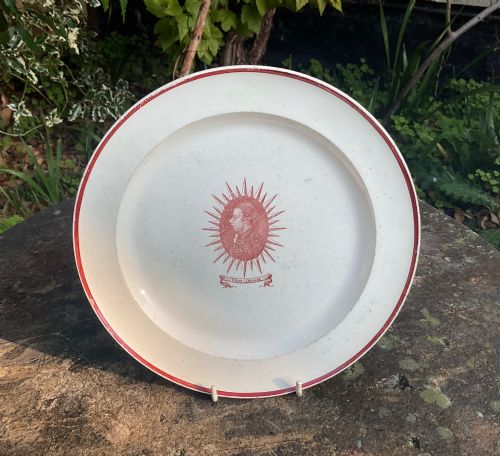
A decorative ceramic display dish is a broad term for plates, chargers, bowls, and plaques intended primarily for visual appreciation rather than daily dining. When searching for this phrase, you encounter diverse forms ranging from large chargers to cabinet plates.
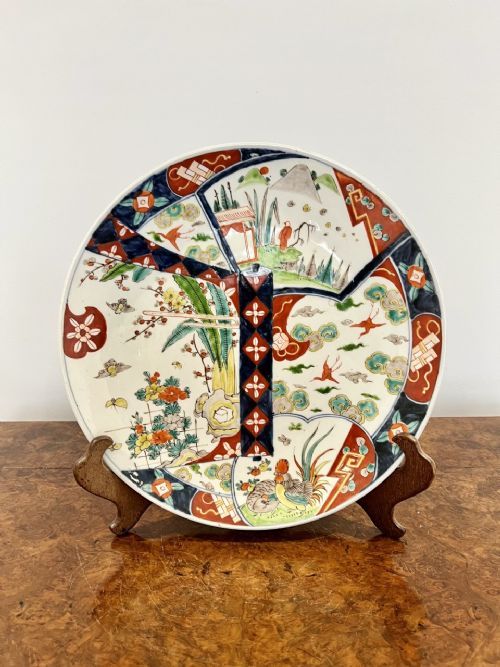
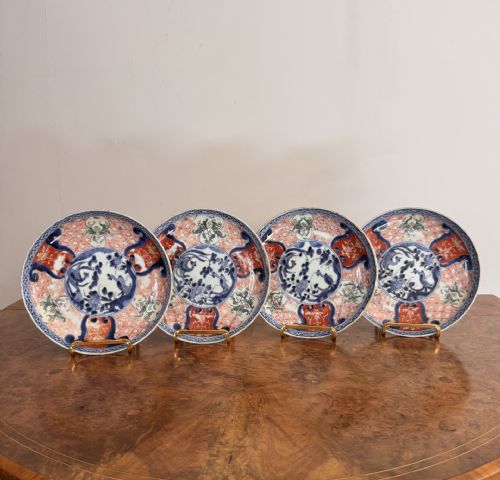
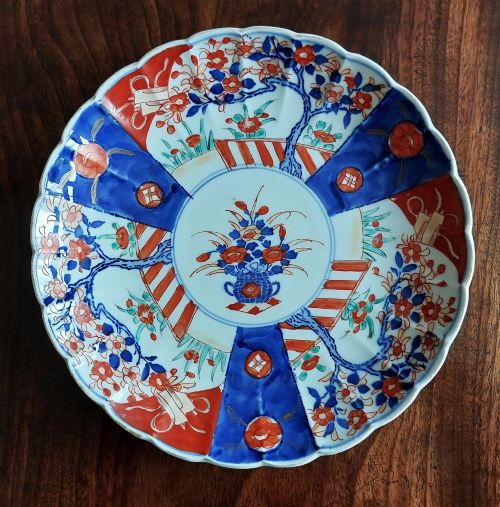
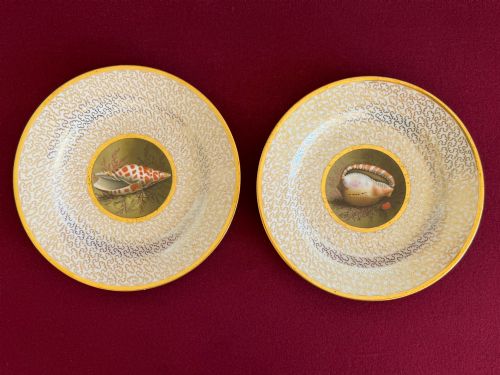
The selections span significant historical periods, with an especially strong representation of Japanese Imari porcelain alongside 18th-century Delft earthenware and 19th-century English porcelain. These pieces bring centuries of international ceramic artistry directly into domestic interiors.
Formats vary from deep bowls and scalloped edges to square plates and expansive chargers. Most items rely on wall mounting or display stands to showcase their intricate painted scenes and glazes.
How They Were Made
The making of these pieces relies on ceramic bodies such as porcelain and earthenware, finished with specialised glazes and tin glaze. Artisans applied hand-painted pigments, frequently incorporating gold leaf, gilding, and enamel to enhance the visual impact.
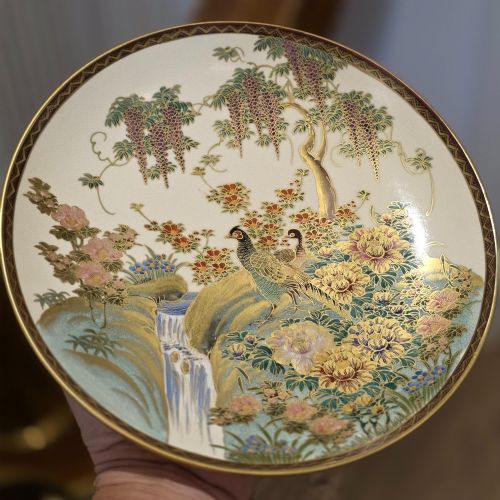
Techniques range from traditional blue and white transferware and Delft firing methods to the detailed polychrome styles seen in Japanese Satsuma and Imari wares. Skilled hands shaped scalloped edges, square forms, and large chargers before multiple kiln firings set the colours.
Decorative Ceramic Display Dish Retail Price Guide 2026
Typical asking prices for decorative ceramic display dish among the pieces listed under this phrase on Sellingantiques today, from the lower quarter to the upper quarter. They describe what is for sale here now, not the wider market.
Materials recorded across the inventory include gold leaf, enamel, tin glaze, and intricate hand-painted ceramic glazes.
What Varies in Quality
Quality rests heavily on the precision and artistry of the hand-painted decoration, distinguishing standard production wares from masterworks by named painters or celebrated potteries. Crispness in the execution of floral, bird, or figurative scenes elevates a piece significantly.
The complexity of the form and the richness of the palette, such as the skillful deployment of gilding and enamel work, separate ordinary items from exceptional cabinet plates and chargers. Preservation of the glaze and the original painted surface remains paramount.
Barr Flight and Barr·Royal Crown Derby·Royal Worcester·Royal Doulton·Copeland Pottery
The Decorative Ceramic Display Dish Glossary
- Charger
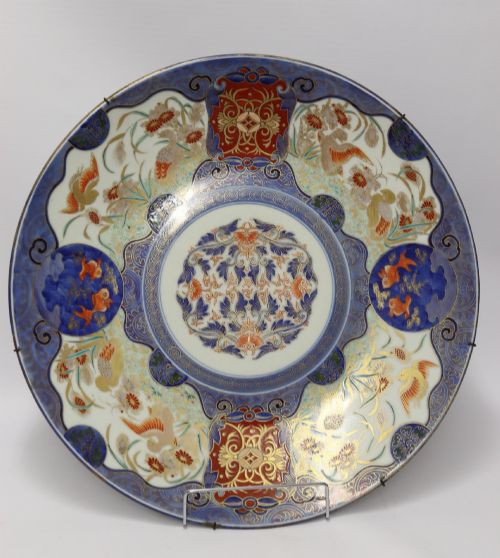
- A large ornamental plate typically used for display rather than service. These substantial vessels often anchor a collection.
- Cabinet Plate
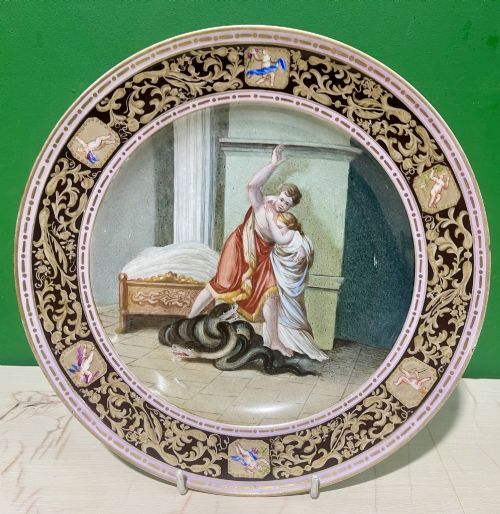
- A decorative plate produced for display in a cabinet or on a wall rather than practical dining use. They often feature elaborate painted scenes.
- Imari
- A style of Japanese export porcelain characterised by a palette of underglaze blue, iron red, and gilt. It gained immense popularity in European interiors.
- Tin Glaze
- An opaque white glaze containing tin oxide, providing a smooth surface for painted decoration. It is characteristic of Delftware and maiolica.
- Transferware
- Pottery decorated by transferring a printed design from an engraved copper plate onto the ceramic surface. This technique allowed for intricate repeated patterns.
Decorative Ceramic Display Dish: Frequently Asked Questions
Can I use these dishes for food?
Most antique display dishes are intended strictly for decorative purposes and should not be used for serving food. Older glazes and enamels may contain lead or other substances unsuited for modern culinary contact.
Furthermore, delicate gilt, enamel work, and centuries-old ceramic bodies risk permanent abrasion or chemical damage from cutlery and washing.
How should I clean my ceramic dish?
Dust display dishes gently using a soft, dry ostrich feather duster or a clean microfiber cloth. Avoid commercial liquid cleaners, abrasive pads, or immersion in water, which can degrade old glazes and delicate overglaze gilding.
If stubborn grime accumulates on robust glazed surfaces, consult a professional conservator rather than attempting DIY chemical treatments.
What is the difference between Imari and Satsuma?
Imari ware is a hard porcelain style defined by a distinct palette of deep cobalt blue, iron red, and abundant gold leaf. These pieces feature crisp designs of flowers, birds, and brocade patterns.
Satsuma ware utilises an earthenware body with a distinctive cream-coloured, finely cracked glaze known as crackleware. It is traditionally decorated with dense polychrome and gilded figural or nature scenes.