





Decorative Cast Iron Stand
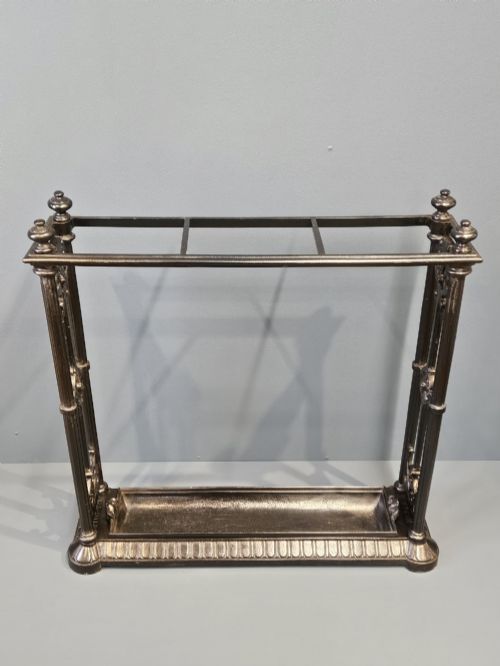
These decorative cast iron stand examples bring robust architectural utility and intricate Victorian or Edwardian design directly to the hallway or garden.
Decorative Cast Iron Stand
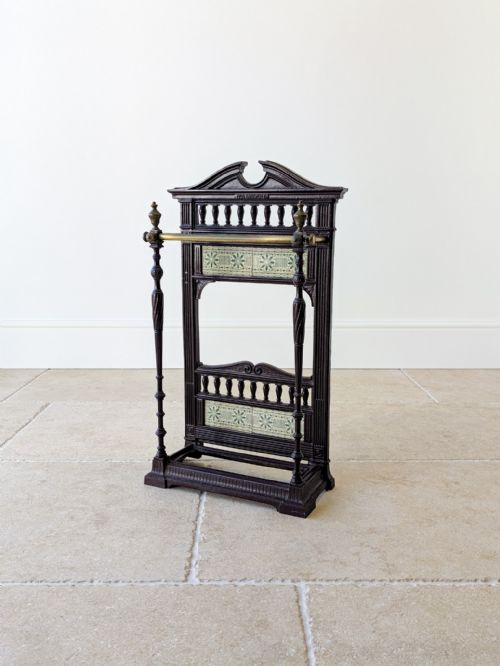
A decorative cast iron stand encompasses a varied group of utilitarian objects designed primarily for holding walking sticks, umbrellas, plants, or garden urns. Most examples encountered belong to the Victorian and Edwardian periods, stretching from the mid-nineteenth century into the early twentieth century.
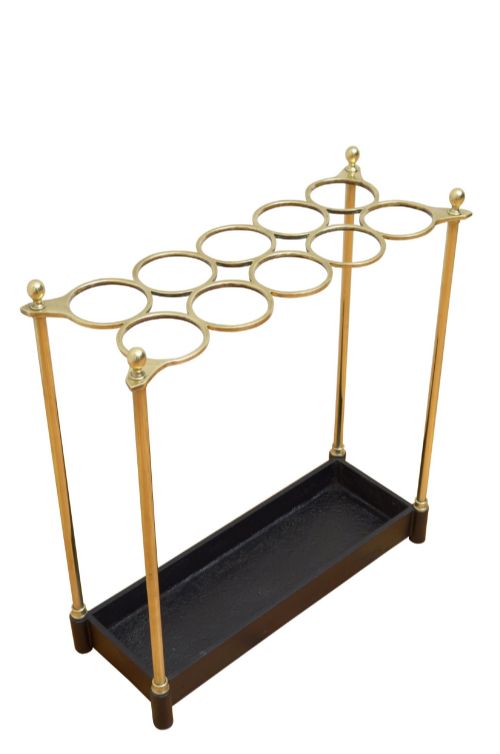
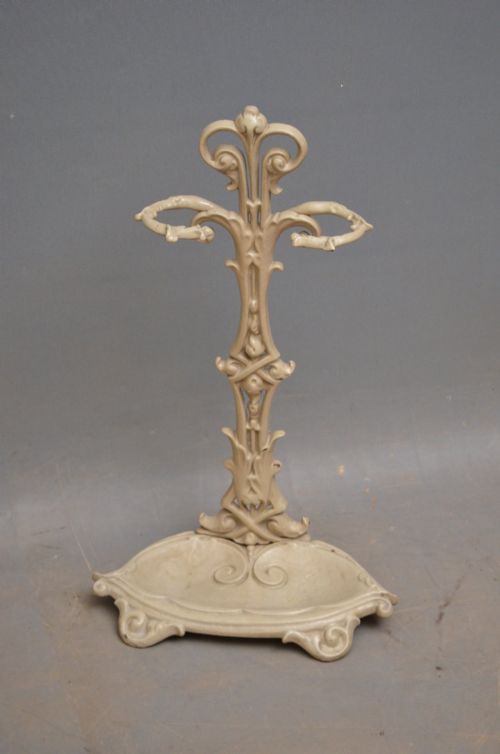
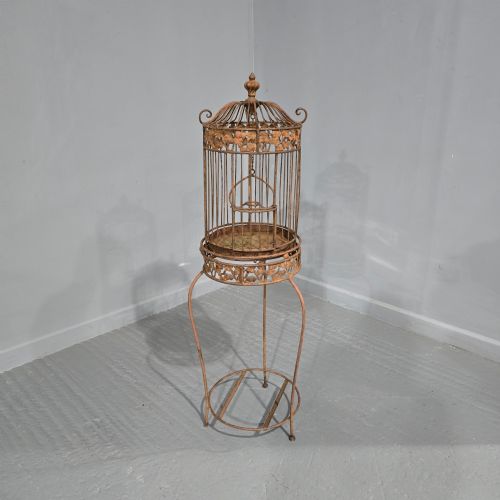
The dominant forms in this category are umbrella and stick stands, alongside garden planters, jardinere stands, and occasional side tables or plant supports. Stylistic influences span from strict Victorian Gothic Revival and Neoclassical patterns to flowing Art Nouveau and Aesthetic Movement designs.
Materials and casting
Production relies heavily on molten iron poured into moulds to achieve crisp, three-dimensional relief work, often supplemented by brass details, ceramic components, or wrought iron elements. Many pieces incorporate polychrome paint or monochrome black finishes to protect the metal and highlight decorative motifs.
Moulders utilised sand casting techniques to render complex details such as acanthus leaves, figures, or openwork lattice patterns. Secondary components like ball finials or drip pans frequently introduce contrasting brass or painted surfaces to the heavy iron body.
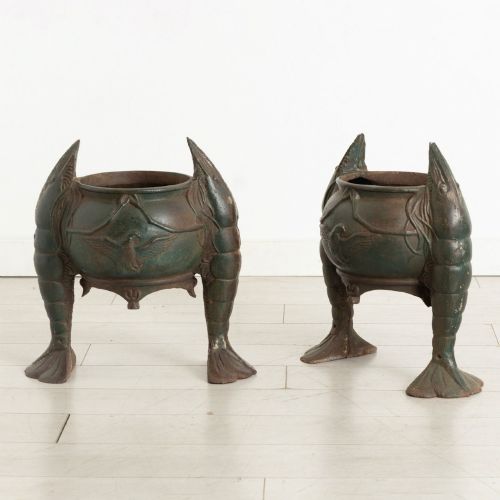
Some Victorian cast iron planters take the surprisingly specific sculptural form of a giant marine shrimp.
Craftsmanship and detail
The sophistication of the design and the integrity of the original surface finish further distinguish better pieces. Retaining early polychrome paint or integrating complementary materials like brass finials elevates the visual impact of the work.
Coalbrookdale·Zimmermann
The Decorative Cast Iron Stand Glossary
- Cast Iron
- An iron-carbon alloy poured into a mould in a liquid state to form solid objects. It allows for mass production of intricate, heavy decorative items.
- Aesthetic Movement
- A late nineteenth-century design style that emphasised aesthetic value over socio-political themes in interior decoration. It frequently appears in stick stands with stylised floral motifs.
- Art Nouveau
- An international style of art and architecture prominent around 1900, characterised by sinuous lines and flowing organic forms. This style influences the curved metalwork of continental stands.
- Jardinere
- An ornamental pot or stand for holding plants or flowers. These items often feature heavy cast iron pedestals to support garden urns.
- Drip Pan
- A removable tray placed at the base of a stick stand to catch moisture from wet umbrellas. It protects interior floors from water damage.
Decorative Cast Iron Stand: Frequently Asked Questions
Where should I place a stick stand?
These stands suit entrance halls and porches where their heavy weight and utility manage wet umbrellas and walking sticks.
They also function effectively in larger corridors as standalone sculptural pieces.
How do I clean cast iron?
Dust the surface regularly with a soft cloth to prevent grime accumulation in the recessed casting details.
Avoid harsh chemical solvents that might strip historical painted finishes or protective wax coatings.
Are these stands suitable for outdoor use?
Many forms, such as garden planters and urns, are designed specifically to withstand external weather conditions.
Indoor hall stands with delicate paint work or brass components are better kept in dry environments.
How can I date an iron stand?
Dating relies on stylistic clues such as Gothic Revival or Art Nouveau motifs combined with construction methods.
Victorian pieces often display registration numbers or maker marks associated with nineteenth-century foundries.