
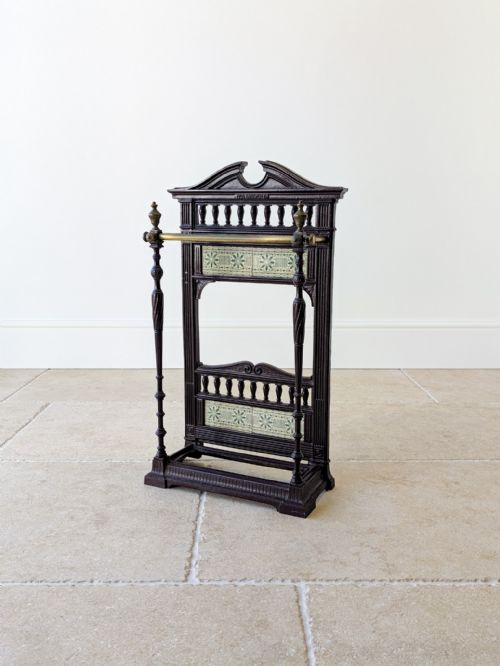

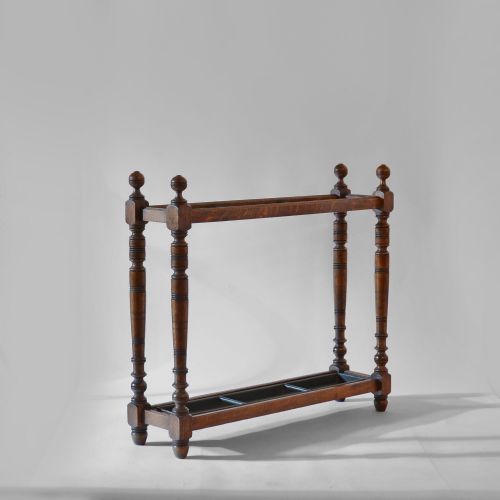
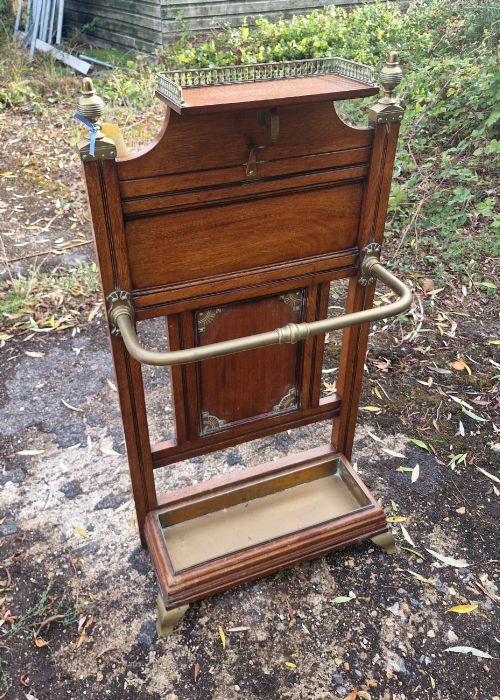
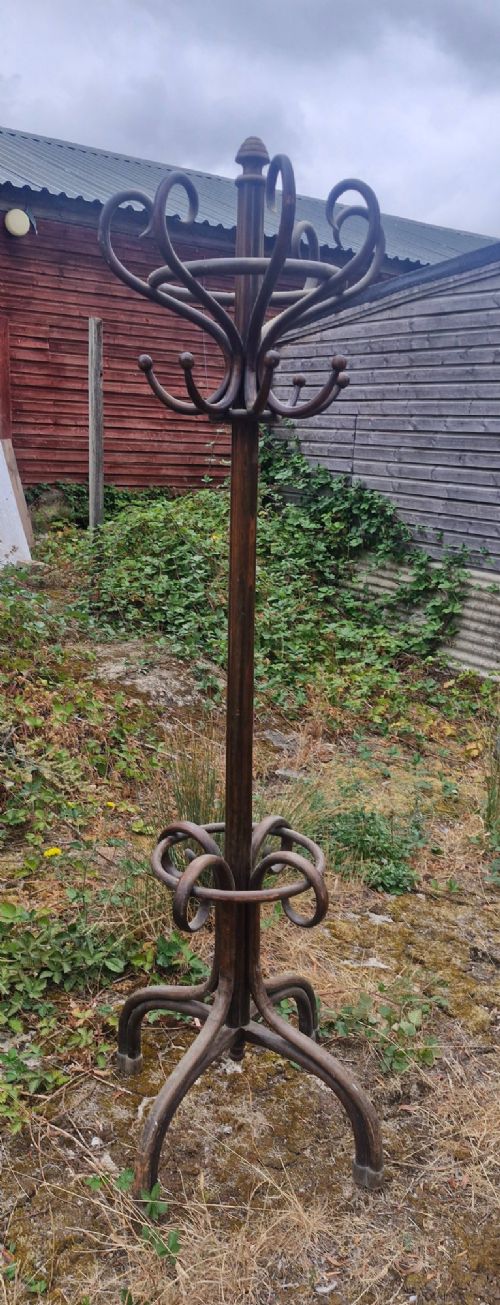



Edwardian Hallstand
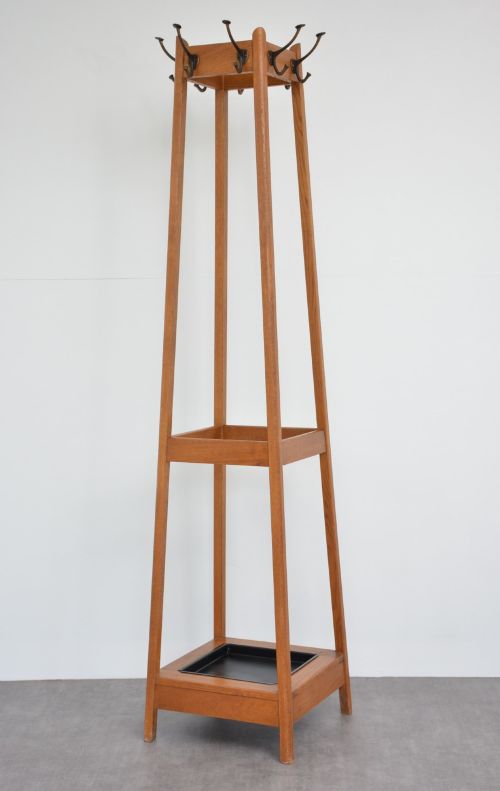
An edwardian hallstand organises coats, hats and umbrellas in the entrance passage with sturdy timber and clever ironwork.
Edwardian Hallstand
When searching for an edwardian hallstand, you encounter practical furniture designed for the entrance passage of homes from the late nineteenth and early twentieth centuries.
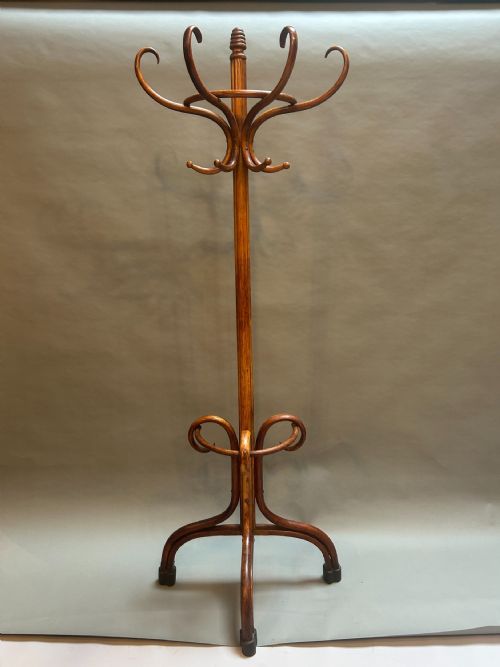
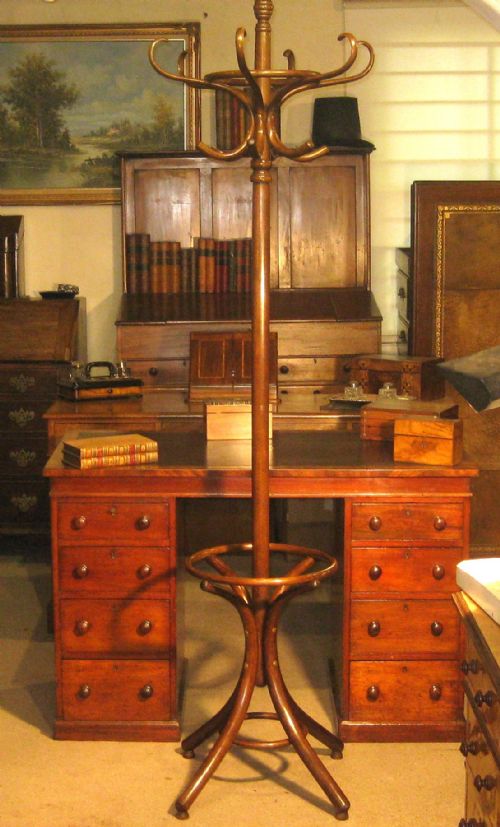
The pieces on this page appear in various timber and metal configurations, including oak, mahogany, walnut, and bentwood forms.
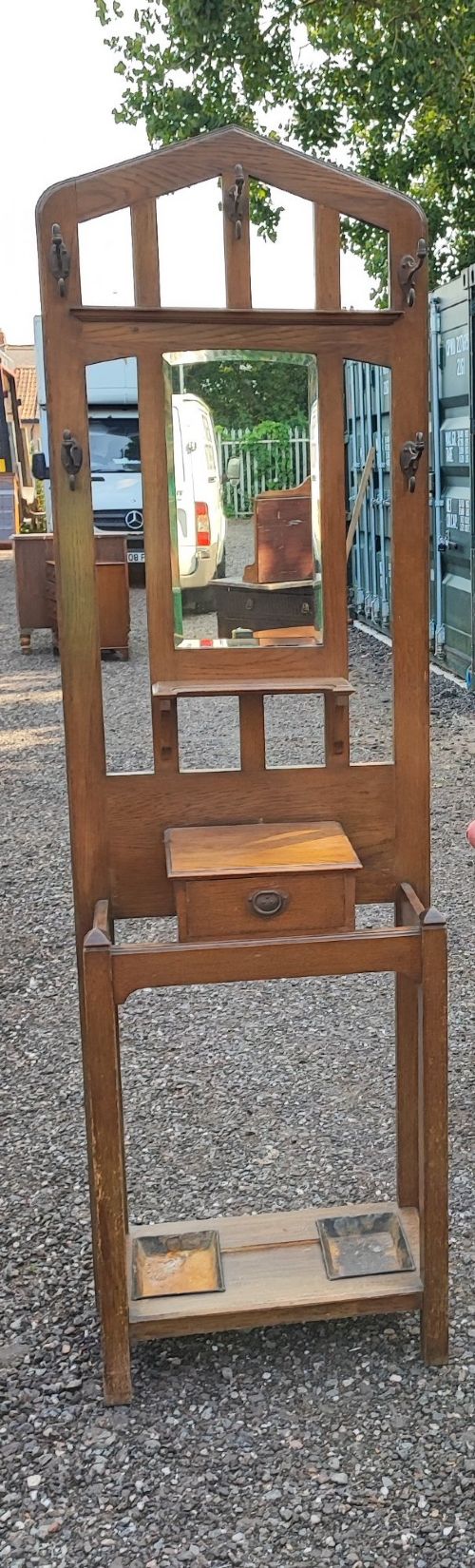
Many designs incorporate integrated umbrella holders, drip trays, mirror backs, and brass hooks for daily use.
Materials and Construction
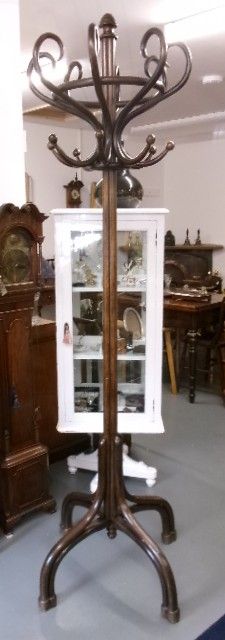
Cabinet makers utilised solid oak, mahogany, and beech, frequently bending timber with steam for curved hat and coat structures.
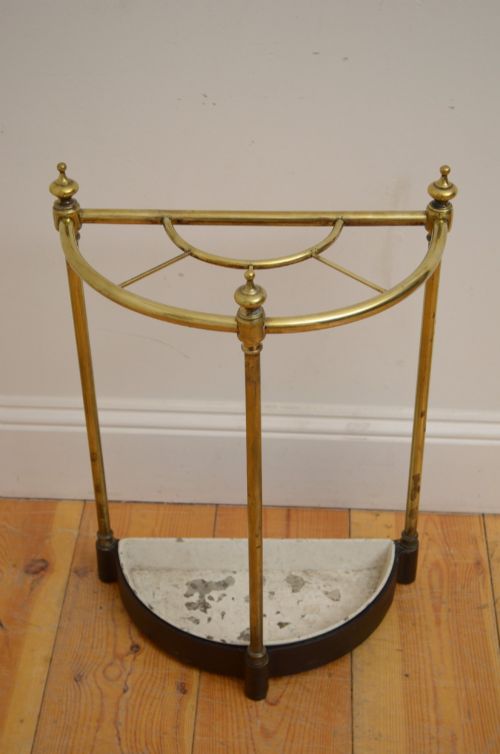
Cast iron and brass provided durable frameworks and drip trays, while integrated mirrors added depth and utility to the hallway.
A carved wooden bear stands ready in the hall to hold your walking stick.
Evaluating Craftsmanship
The standard of an edwardian hallstand depends on the weight of the timber, the security of the joints, and the retention of original brass hooks and drip trays.
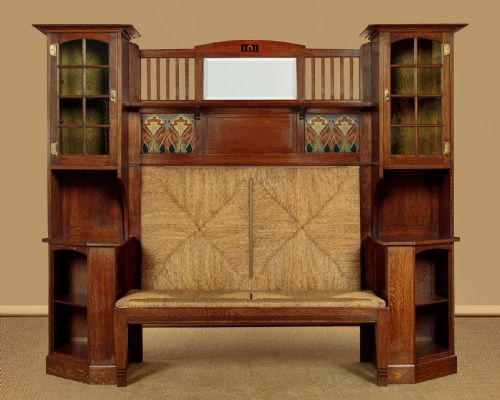
Carved details, such as those found on Arts and Crafts or Aesthetic Movement examples, display distinct sculptural depth and precision.
Coalbrookdale·GW Evans·James Shoolbred·Fischel
The Edwardian Hallstand Glossary
- Bentwood
- Timber shaped by exposure to steam and pressure. This technique produced lightweight, curved coat and hat stands.
- Demi Lune
- A half-moon shape. These stands fit flat against an entrance wall to save floor space.
- Drip Tray
- A metal pan placed beneath umbrella and stick holders. It catches moisture from wet walking accessories.
- Aesthetic Movement
- A late nineteenth-century design style focusing on visual beauty. Pieces often feature stylized natural motifs and dark timber.
Edwardian Hallstand: Frequently Asked Questions
How do I care for a wooden hallstand?
Apply a traditional beeswax polish occasionally to nourish the timber surface and maintain a gentle sheen.
Keep the piece away from direct heat sources and damp external walls to prevent wood movement.
Were these pieces used in small houses?
Narrow formats and demi lune configurations were built specifically to suit compact entrance halls and corridors.
Despite their modest footprint, they combined coat hooks, hat racks, and stick stands into one item.
How do I distinguish Edwardian pieces from Victorian ones?
Edwardian examples often display lighter oak timbers and simpler Arts and Crafts or Art Nouveau lines.
Victorian pieces tend to feature heavier carved ornamentation, darker mahogany, and more elaborate cast iron elements.