


Decorative Brass Planter
These pieces of decorative brass planter bring warmth and historical weight to a room, holding greenery or standing alone as sculptural vessels.
Decorative Brass Planter
A decorative brass planter serves as a refined vessel for interior greenery, holding plants or functioning independently as a cachepot. The selections span Victorian, Regency, and early twentieth-century origins, often appearing alongside copper, bronze, and timber constructions.
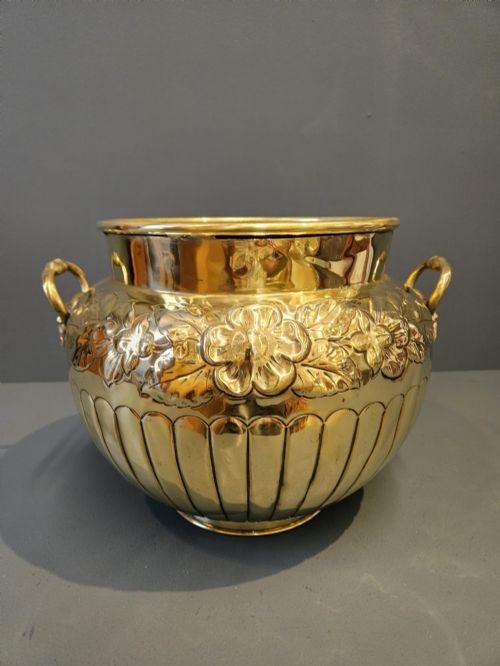
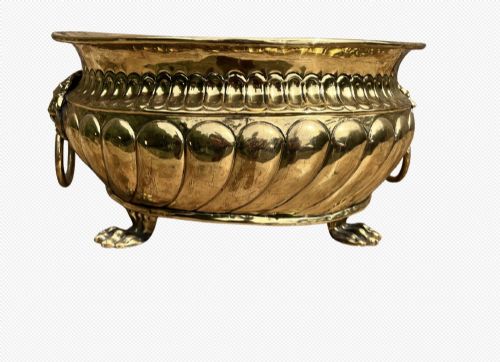
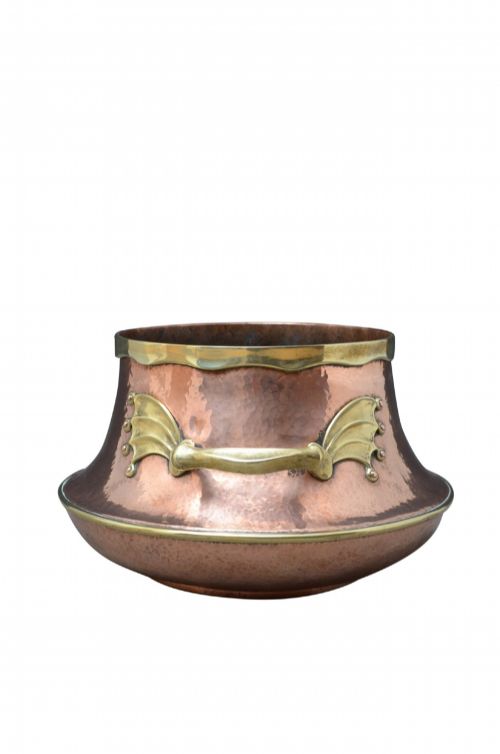
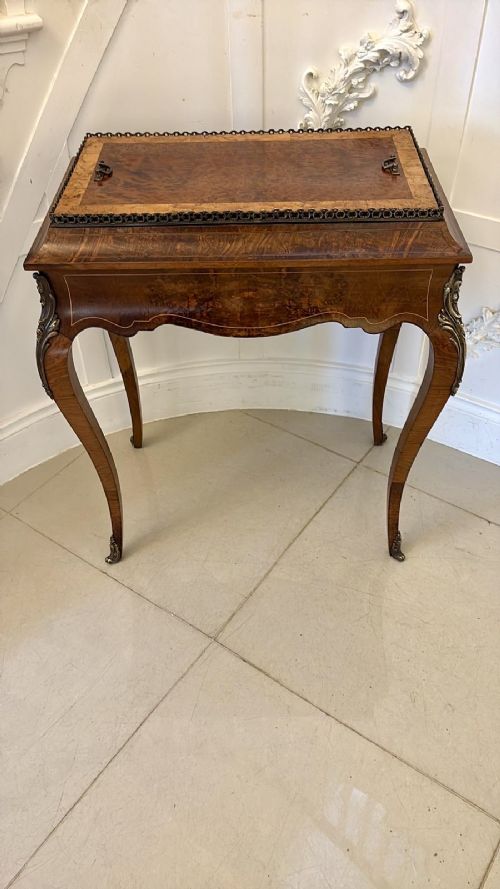
The forms range from cylindrical pots and two-handled trophy vases to coopered wood buckets banded in metal and elaborate jardiniere tables. Many examples incorporate specific traditional techniques like dinanderie or feature embossed, pierced, and hammered surfaces.
Buyers frequently encounter nineteenth-century English and French vessels, alongside Dutch coopered examples and imported Asian bronzes. These objects bridge utilitarian storage and formal interior decoration.
How they were made
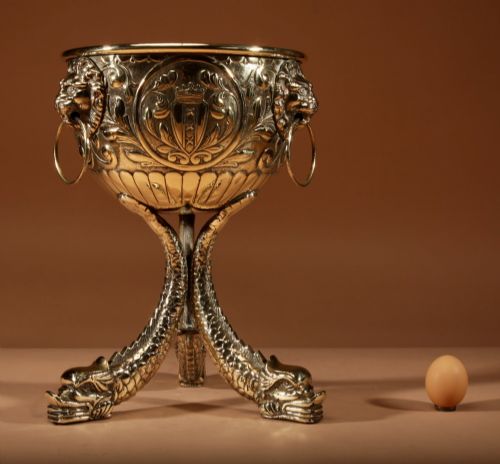
Metalsmiths shaped sheet brass and copper through hammering, pressing, and casting, often applying relief work by hand. Dinanderie pieces display embossed and cast surface patterns created by skilled metalworkers.
Coopered wooden planters utilise traditional stave construction in mahogany, walnut, oak, or teak, secured with tight metal bands. These containers often combine structural timber bodies with decorative brass liners or mounts.
Materials range from solid brass and copper to mixed media pieces incorporating walnut, mahogany, burr walnut, and ceramic tiles.
What varies in quality
The distinction lies in the crispness of the surface detail, from deeply chased botanical motifs to flat stamped patterns. Heavier gauge metalwork and robust structural joining in both the vessel walls and handles indicate superior construction.
Material combination also elevates a piece, such as the integration of turned teak, burr walnut, or carefully fitted ceramic tiles. Superior items retain their original proportions and integrated liners without heavy distortion.
The Decorative Brass Planter Glossary
- Jardiniere
- An ornamental pot or stand for holding plants or flowers. They often take the form of large bowls or footed vessels made of metal or ceramic.
- Dinanderie
- A medieval term revived for various types of worked brass and copper objects, particularly embossed or inlaid vessels.
- Coopered
- Built from wooden staves fitted together and bound with metal hoops, traditionally used for buckets and barrels.
- Cachepot
- An ornamental flowerpot used to conceal a plain inner pot without a drainage hole.
- Repousse
- Metalworking technique where a design is hammered into relief from the reverse side of the sheet.
Decorative Brass Planter: Frequently Asked Questions
What is a decorative brass planter used for?
These vessels primarily house potted plants, ferns, and floral arrangements inside domestic interiors. They also function independently as decorative bowls, log bins, or wine coolers.
Historically, many large examples served specific utility in drawing rooms and country house interiors as peat buckets or umbrella stands.
How do I care for antique brass?
Maintenance involves dusting with a soft, dry cloth to preserve the accumulated patina developed over decades. Avoid harsh chemical cleaners that strip the historic surface character.
When using the vessel for living plants, insert a separate waterproof liner to protect the interior metal and historic joins from standing moisture.
How do I tell Victorian pieces apart?
Nineteenth-century examples often display heavy gauge cast brass, hand-hammered surfaces, or pierced rims characteristic of Victorian manufacturing methods. Stylistic clues include Gothic Revival motifs, heavy lion-paw feet, and embossed floral panels.
Later twentieth-century items tend toward lighter pressed metal constructions or adopt specific Art Nouveau and early modern shapes.
What is a coopered planter?
A coopered planter is constructed using vertical wooden staves held tightly together by metal bands, much like a traditional wooden barrel. Makers utilised timbers such as mahogany, walnut, oak, and teak.
These pieces frequently feature brass handles and liners, bridging the gap between cabinetmaking and metalwork.