






Decorative Display Dish
When you search for a decorative antique display dish, you are looking at porcelain, earthenware and enamel plates designed to hang on walls or sit upon cabinets.
Decorative Display Dish
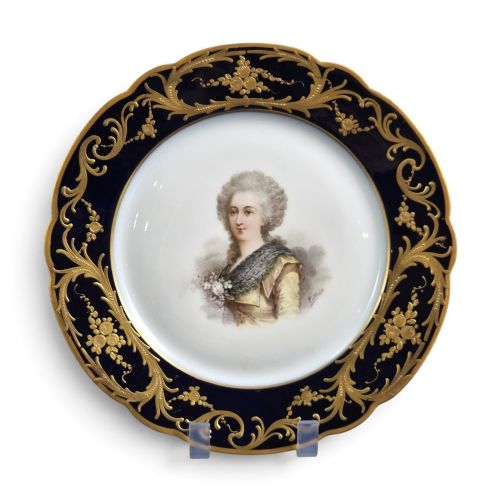
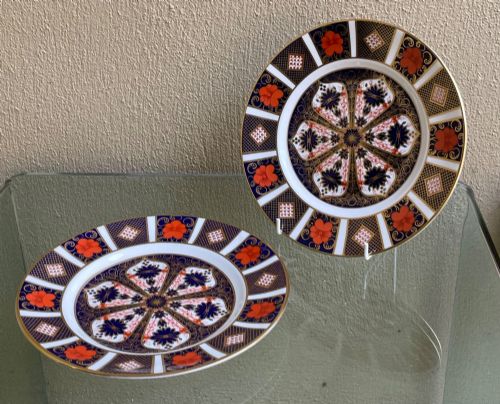
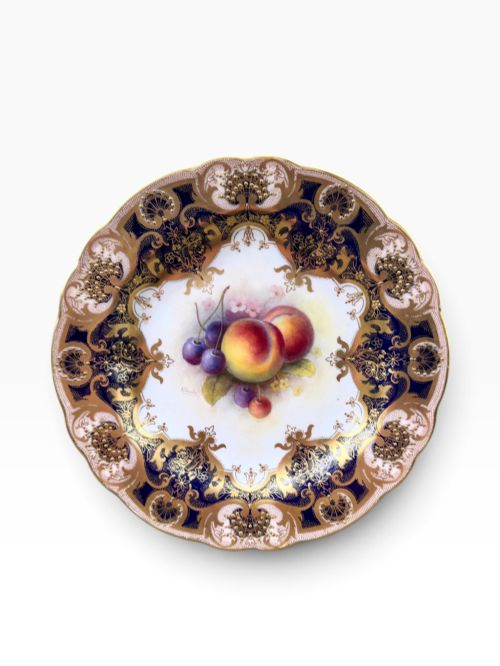
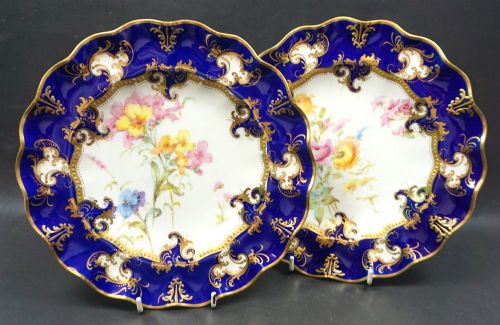
A decorative antique display dish encompasses items intended purely for visual impact rather than dining use. The most common examples on this page are large Japanese Imari chargers and English porcelain cabinet plates from the nineteenth and early twentieth centuries.
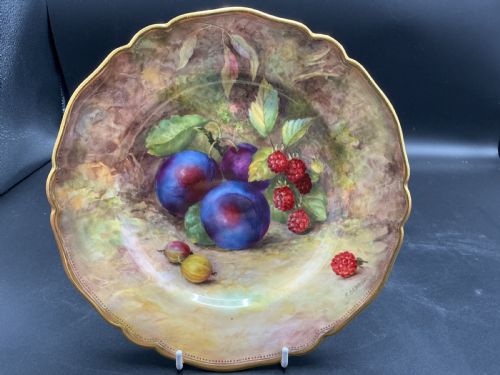
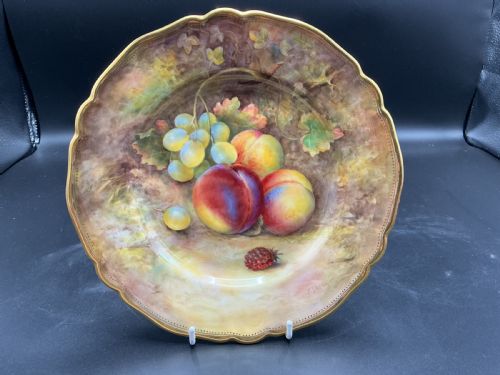
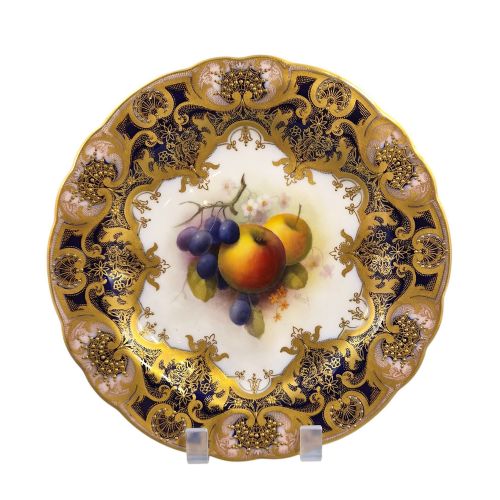
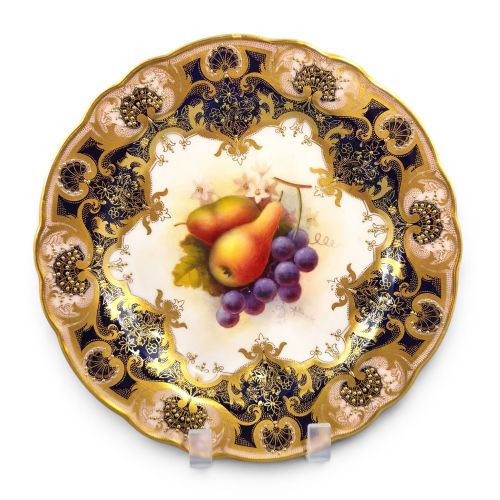
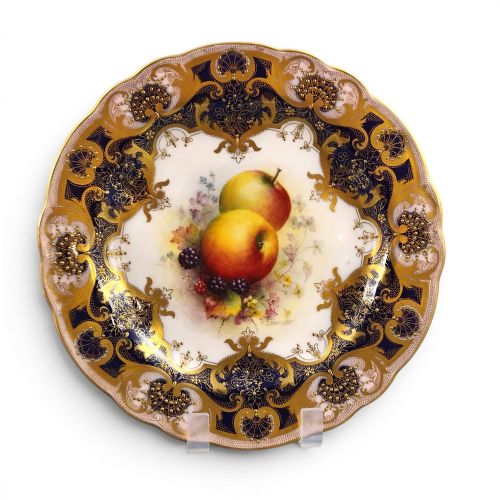
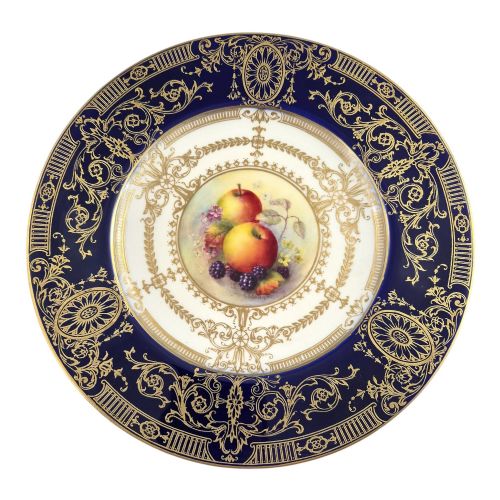
Makers produced these pieces in varied forms including scalloped dishes, square plates and broad chargers. They range from eighteenth-century Delft earthenware to twentieth-century Royal Worcester porcelain painted with fruit.
Collectors select these items for their rich hand-painted palettes and varied regional styles, spanning Japanese Meiji period works to European factory output. Each piece reflects the decorative priorities of its specific period.
How they were made
Potters shaped clay into earthenware and porcelain bodies before applying intricate glazes and enamel colours. Many pieces incorporate gold leaf highlights or copper elements to enhance the surface detail.
Craftsmen utilised techniques such as hand-painting and transfer printing to build up complex pictorial scenes, botanical studies and heraldic motifs. Kiln firing fixed the pigments beneath protective clear glazes for lasting durability.
Listings feature items from the eighteenth, nineteenth, and twentieth centuries, spanning Victorian, Edwardian, and Art Deco periods.
What varies in quality
Quality rests upon the precision of the hand-painting, the clarity of the enamel colours and the balance of the composition. Skilled artists achieved finer brushwork and more complex shading on cabinet plates than standard production items.
The sophistication of the ceramic body and the crispness of moulded edges also separate standard wares from superior examples. Pieces bearing named artist signatures command greater attention for their documented individual authorship.
Koshida·Royal Crown Derby·Royal Worcester·John Ford·Royal Doulton·Doe and Rogers·James Rouse Jnr
The Decorative Display Dish Glossary
- Charger
- A large ornamental plate or dish, typically exceeding thirty centimetres in diameter, designed for display on a wall or sideboard rather than for table service.
- Cabinet Plate
- A high-quality decorative plate produced by major porcelain factories specifically for display in glass cabinets rather than practical dining use.
- Imari
- A style of Japanese export porcelain characterised by a distinct palette of underglaze blue, iron red, and gilt highlights upon a white ground.
- Cloisonne
- A decorative metalwork technique where thin metal strips form compartments on a base, which are then filled with coloured enamel paste and fired.
- Faience
- European tin-glazed earthenware, particularly that originating in France and the Netherlands during the eighteenth century.
Decorative Display Dish: Frequently Asked Questions
How were display dishes used?
These pieces were primarily displayed on walls using wire hangers or placed upright on sideboards and inside glazed cabinets to showcase wealth and artistic taste.
They served as focal points in Victorian and Edwardian drawing rooms, intended for visual appreciation rather than holding food.
Are these plates food safe?
Many antique display pieces feature overglaze enamels and metallic leaf that can wear away or contain historical materials unsuited for modern culinary use.
It is best to treat them as purely decorative objects rather than utilising them for serving meals.
How do I identify the period?
Period identification relies upon factory backstamps, ceramic body composition, and stylistic clues such as the distinctive palettes of the Aesthetic movement or Art Deco eras.
Comparing the painting technique and glaze characteristics against known factory datemarks helps narrow down the decade of manufacture.
What is the difference between earthenware and porcelain?
Earthenware utilises porous clay fired at lower temperatures, often seen in older Delft chargers and traditional pottery plaques.
Porcelain employs refined kaolin clay fired at much higher heats, resulting in a denser, vitreous body capable of finer detail.