
Vintage Porcelain Fruit Display
These pieces for vintage porcelain fruit display bring hand-painted botanicals and rich Imari patterns directly to the table.
Vintage Porcelain Fruit Display
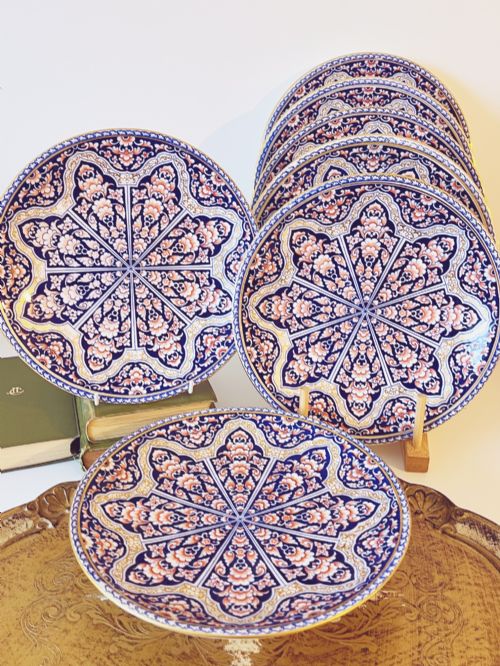
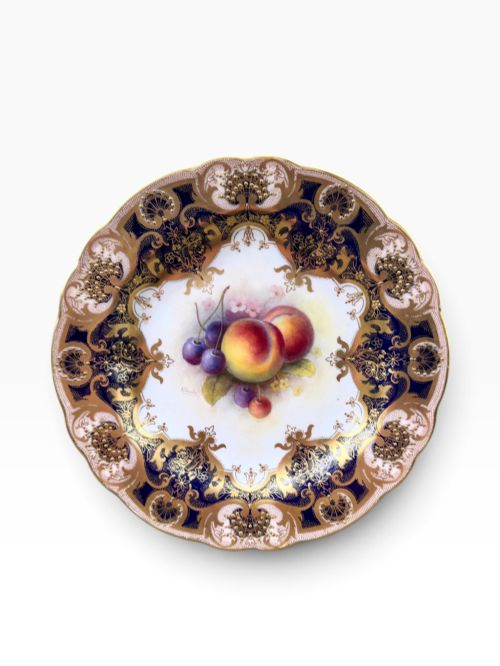
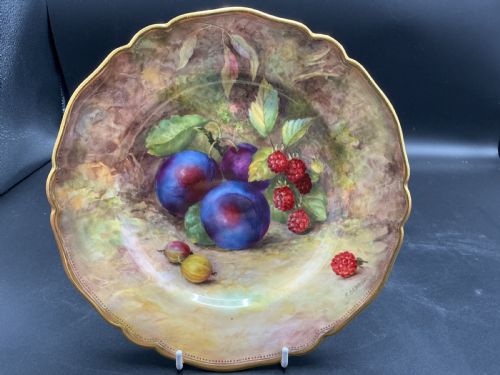
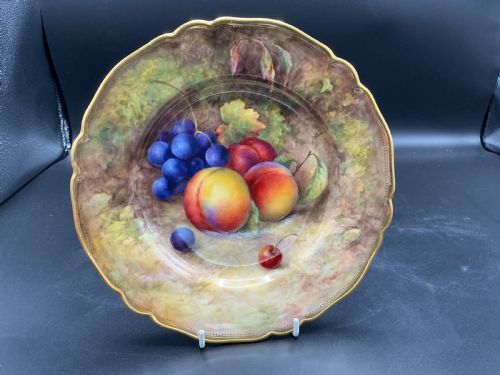
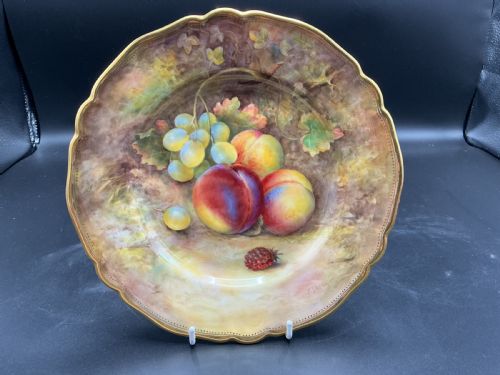
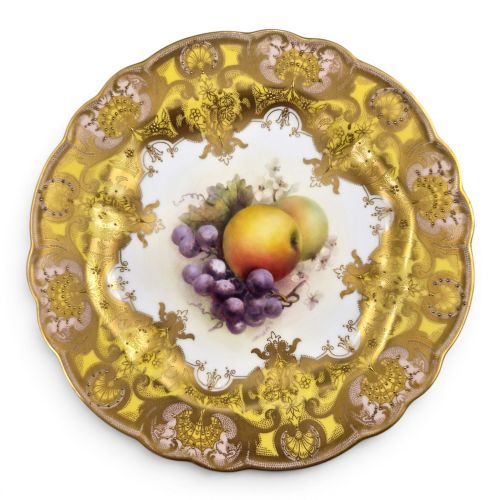
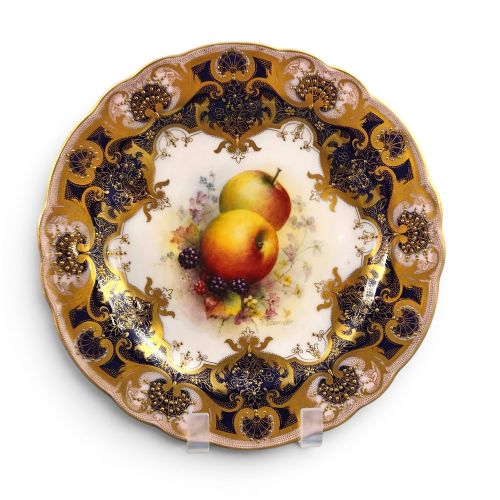
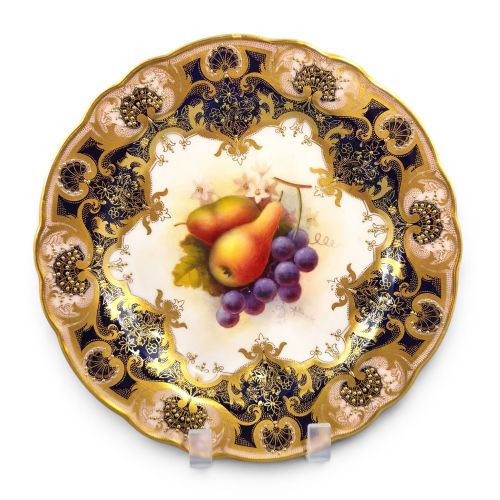
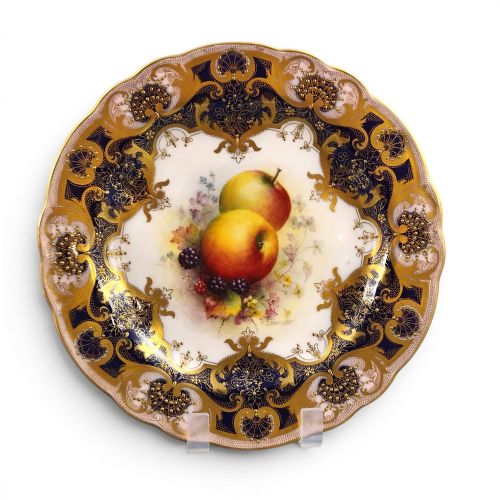
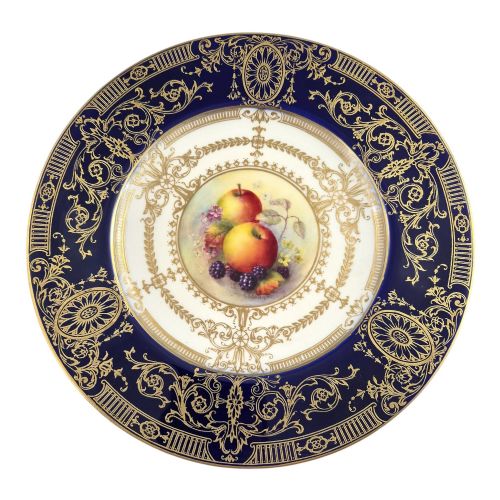
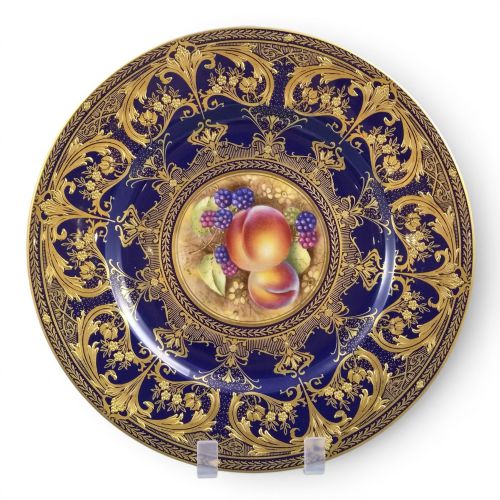
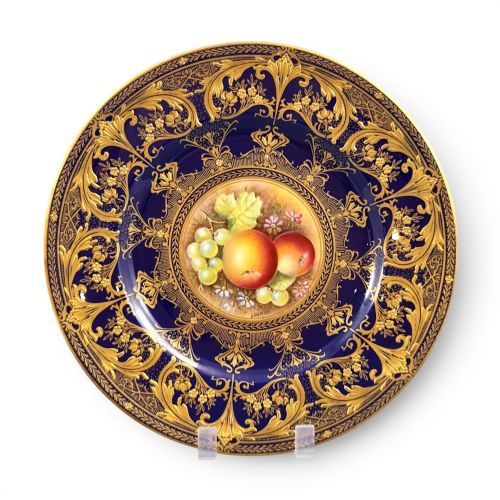
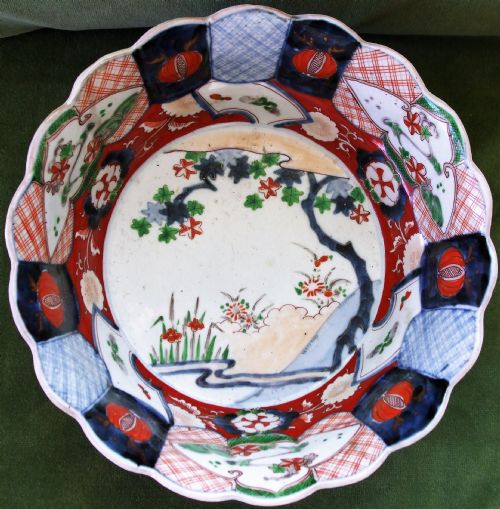
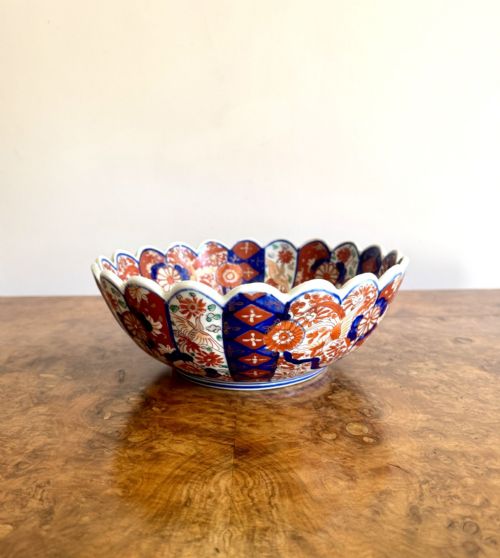
A vintage porcelain fruit display brings together cabinet plates, bowls, and dessert services designed to showcase botanical subjects and decorative motifs. You will frequently encounter Royal Worcester painted fruit cabinet plates alongside Japanese Imari bowls spanning the late nineteenth to the mid twentieth century.
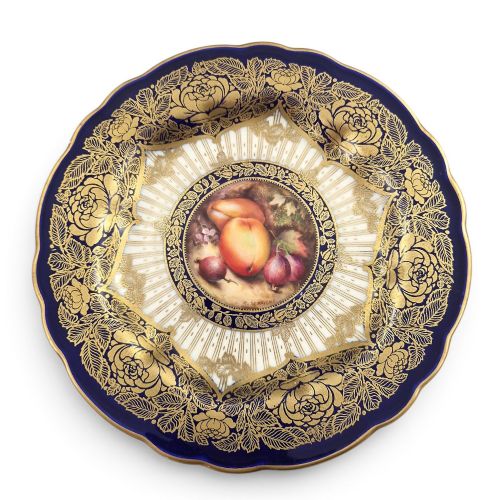
The selection ranges from individual signed cabinet plates by artists such as Richard Sebright to larger dessert services and decorative bowls on stands. Traditional English and Edwardian pieces sit alongside Japanese Imari and Chinese Famille Rose examples, offering distinct aesthetic traditions within the same category.
Materials and Technique
Maker workshops utilise fine porcelain, bone china, and earthenware as the foundational body for these display pieces. Artisans apply intricate glazes, enamel, and hand-painted pigments directly to the surface.
Many items incorporate gold leaf and gilding to accentuate scalloped edges, rope borders, and central motifs. Kiln firing sets the painted fruit scenes and underglaze patterns into the ceramic body.
Listings span from the late nineteenth century through the Edwardian period and into the mid twentieth century, featuring both English bone china and Japanese porcelain.
Evaluating Quality
The standard of hand-painted detail by recognised artists distinguishes finer cabinet plates from standard production wares. Precision in the brushwork of naturalistic fruit studies dictates the upper tier of the selection.
The richness of the gilding and the crispness of moulded edges, such as rope borders and scalloped profiles, indicate the level of craftsmanship involved. The presence of documented signatures and period date marks further establishes distinction among similar forms.
Royal Worcester·Royal Crown Derby·Wedgwood
The Vintage Porcelain Fruit Display Glossary
- Cabinet plate
- A decorative ceramic plate intended for display in a cabinet rather than for dining use. These often feature elaborate painted scenes.
- Imari
- A style of Japanese export porcelain characterised by a palette of underglaze blue, iron red, and added gold. It appears frequently on bowls with scalloped edges.
- Dessert service
- A matched set of tableware comprising a central comport and a series of plates for serving fruit or sweets after a meal.
- Gilding
- The application of gold leaf or gold paint to ceramic surfaces to highlight rims and decorative borders.
Vintage Porcelain Fruit Display: Frequently Asked Questions
What is a cabinet plate?
A cabinet plate is a decorative ceramic piece created specifically for display rather than everyday dining use. These items typically showcase detailed painted artwork.
Such plates often remain housed in glass cabinets to protect the delicate enamel and gilding from wear.
How do I identify Imari porcelain?
Imari porcelain is identifiable by its distinct palette combining underglaze blue, iron red, and gold accents. This decorative style originated in Japan and heavily influenced Western ceramic design.
Many examples feature intricate panel designs and scalloped edges that define the traditional aesthetic.
Were these fruit plates used?
Most painted fruit plates functioned as display items or formed part of formal dessert services for special occasions. The presence of artist signatures points to presentation rather than utilitarian service.
Owners typically kept them in dining rooms for visual effect.
How should I clean porcelain display pieces?
Dusting gently with a soft dry cloth maintains the surface without risking the hand-painted enamel or gold leaf. Avoid harsh chemical cleaners and submerging antique pieces in water.
Careful handling preserves the original glaze and any delicate applied gilding.