


Signed Painted Fruit Porcelain
Signed painted fruit porcelain delivers intensely coloured studies of orchard harvests, bringing skilled hand artistry and rich gold detailing directly to the cabinet shelf.
Signed Painted Fruit Porcelain
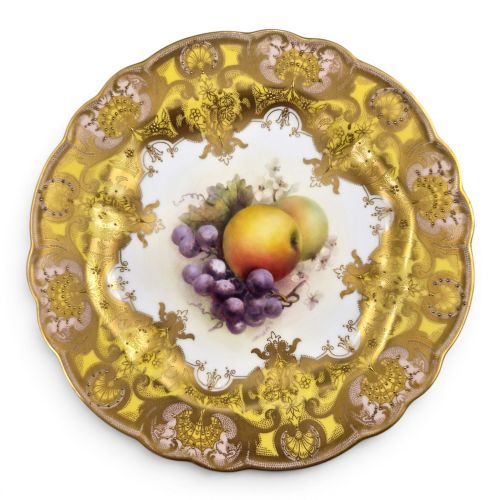
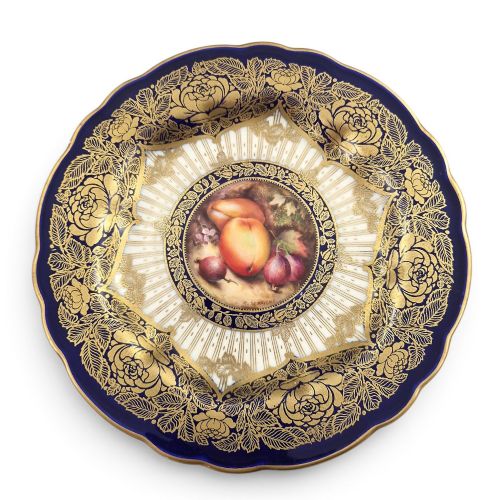
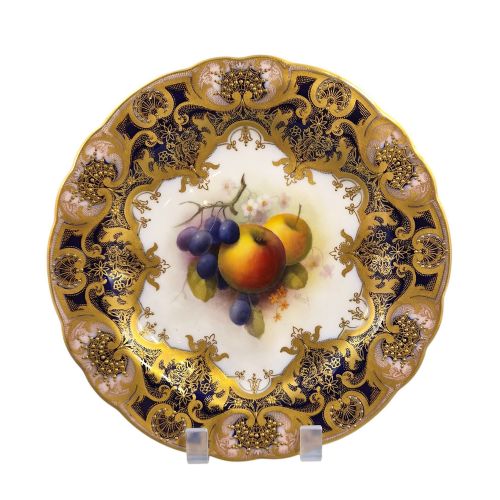
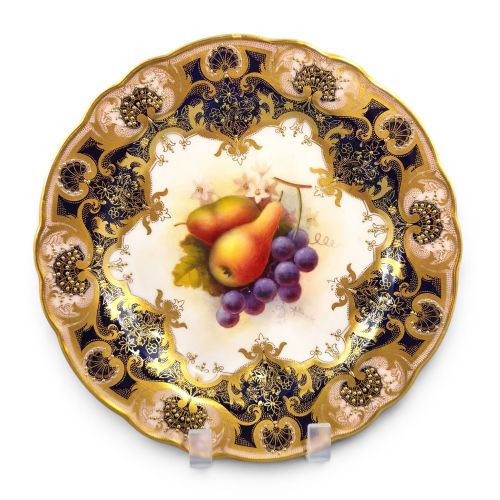
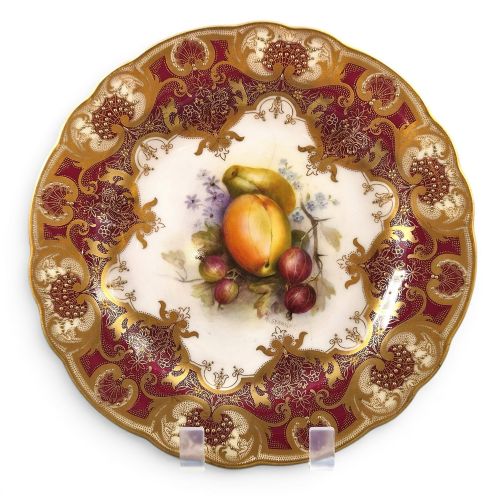
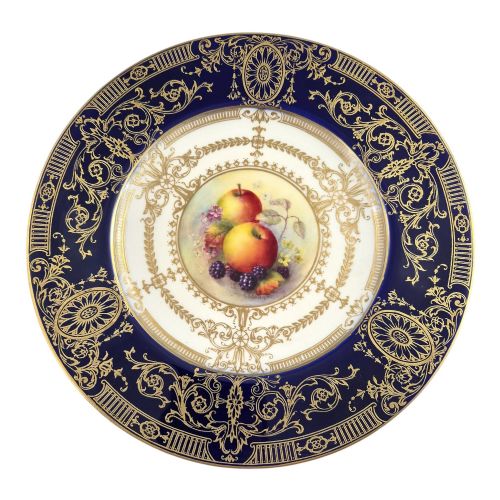
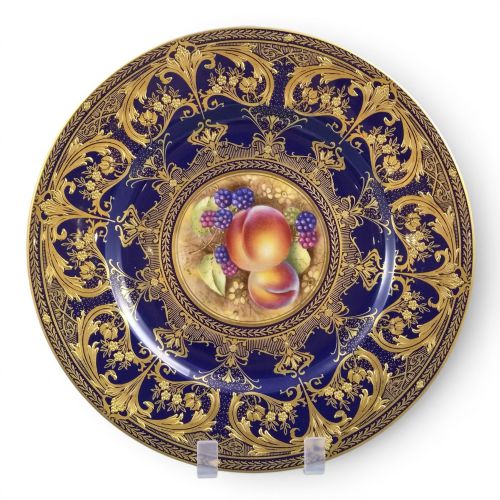
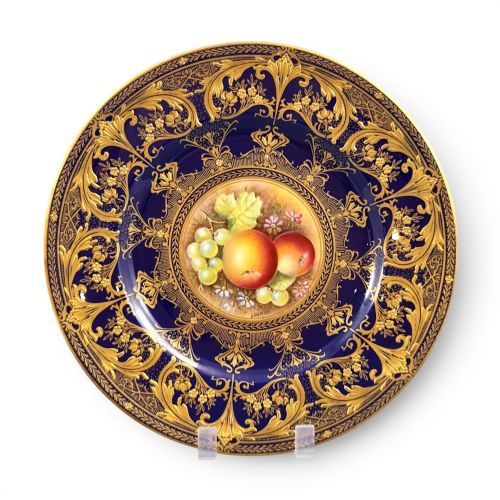
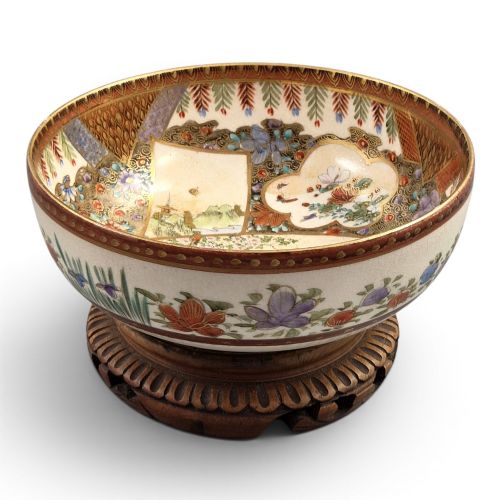
When you search for signed painted fruit porcelain, you encounter cabinet plates, decorative bowls, ewers, and vases primarily originating from the early twentieth century and the Edwardian era. The pieces listed on this page centre heavily upon Royal Worcester wares, alongside Satsuma earthenware from the Meiji period.
The dominant forms are cabinet plates and display vessels designed for visual admiration rather than daily domestic service. These items showcase meticulous botanical realism, featuring pears, apples, berries, and peaches rendered against subtle, shaded backgrounds.
Materials and methods
Makers utilised fine porcelain, bone china, and earthenware as the foundational canvas for these intricate botanical compositions. Artisans applied enamel paints by hand, building up the rich pigments of the fruit through successive firings to achieve depth and luminosity.
Gilding, gold leaf, and gilt accents frequently frame the painted central motifs, adding a formal border to plates and highlighting the handles or necks of vases and ewers.
Periods represented span from the nineteenth century through the Edwardian era up to the 1960s.
Differentiating quality across the range
The distinction between standard items and superior examples lies in the complexity and realism of the hand painting itself. Master artists executed brushwork with extraordinary precision, capturing the bruised bloom of a peach or the speckled skin of a pear with palpable texture.
Furthermore, the richness of the gilding and the balance of the composition across the porcelain surface determine the distinction of the piece. Well-preserved gold leaf and crisp artist signatures elevate the visual presence of the ceramic form.
Royal Worcester·Kozan
The Signed Painted Fruit Porcelain Glossary
- Cabinet plate
- A decorative ceramic plate intended for display in a cabinet rather than for dining use. These items usually feature elaborate painted scenes and gilt borders.
- Gilding
- The application of gold leaf or gold powder to the surface of porcelain or earthenware. This technique highlights rims, handles, and borders to create a luxurious finish.
- Bone china
- A type of soft-paste porcelain incorporating animal bone ash, resulting in high mechanical strength and milk-white translucency. It serves as a smooth base for detailed enamel painting.
- Ewers
- Large jugs with wide spouts and looped handles, historically used for pouring water but rendered here as decorative ornamental vessels.
- Enamel
- A decorative glass-like coating fused to the ceramic body through high-temperature firing. It provides the vibrant, permanent colours seen in the fruit studies.
Signed Painted Fruit Porcelain: Frequently Asked Questions
How should I display cabinet plates?
Cabinet plates are best housed within enclosed display furniture to protect their delicate enamel surfaces and gold leaf borders from dust and accidental knocks.
Utilising proper plate stands ensures they remain secure while presenting their hand painted orchard scenes at a clear viewing angle.
Who painted these porcelain pieces?
Specialist studio artists decorated these items by hand, often signing their work directly onto the porcelain surface near the fruit motif.
Prominent decorators specialised in botanical realism, spending their careers producing detailed studies of pears, apples, and berries for leading factories.
What periods do these ceramics cover?
The available pieces span from the late nineteenth century through the Edwardian period and into the mid-twentieth century.
Earlier examples often align with Meiji period Japanese craftsmanship, whilst British pieces predominantly reflect early twentieth-century manufacturing traditions.
Are these items meant for daily use?
These decorative wares are intended for display and appreciation rather than practical domestic service.
The delicate enamel painting and fine gold leaf embellishments require careful handling to preserve their condition over time.