



Dark Wool Area Rug
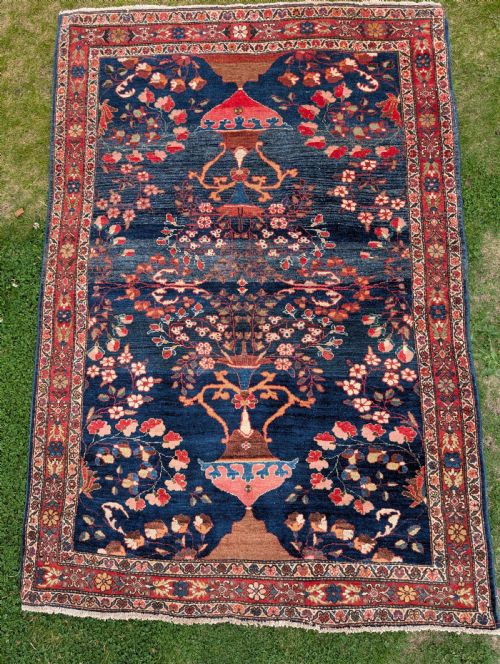
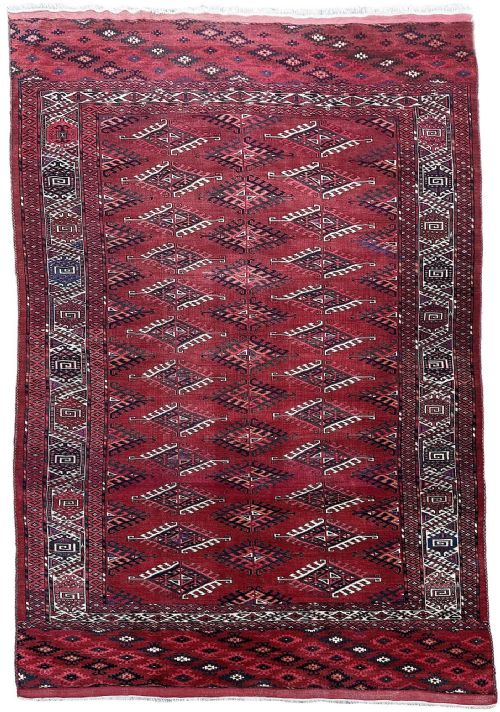
A dark wool area rug anchors a room with deep, rich tones and hand-knotted tribal patterns shaped by generations of nomadic weavers.
Dark Wool Area Rug
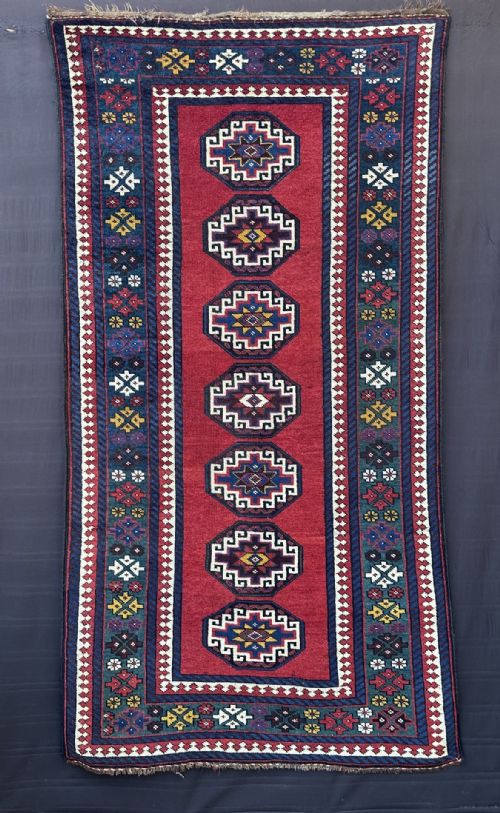
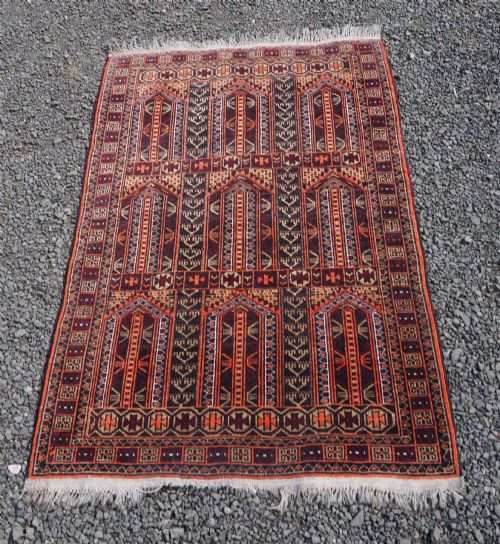
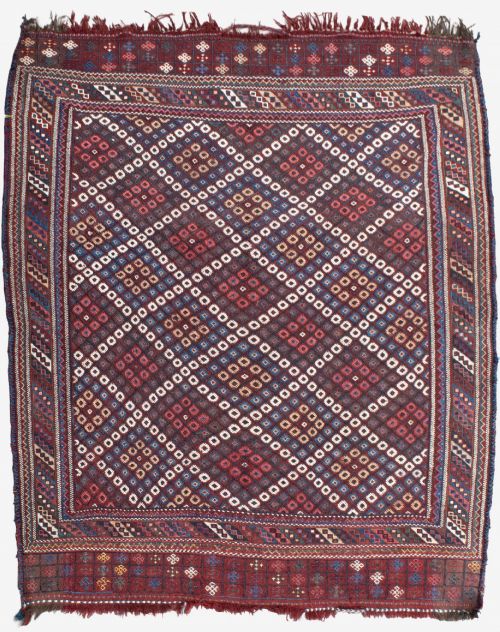
When you search for a dark wool area rug, you encounter handwoven carpets and floor coverings originating primarily from Persian, Afghan, and Caucasian weaving traditions. These textiles span the late nineteenth and early twentieth centuries, encompassing tribal workshops, village looms, and nomadic cultures.
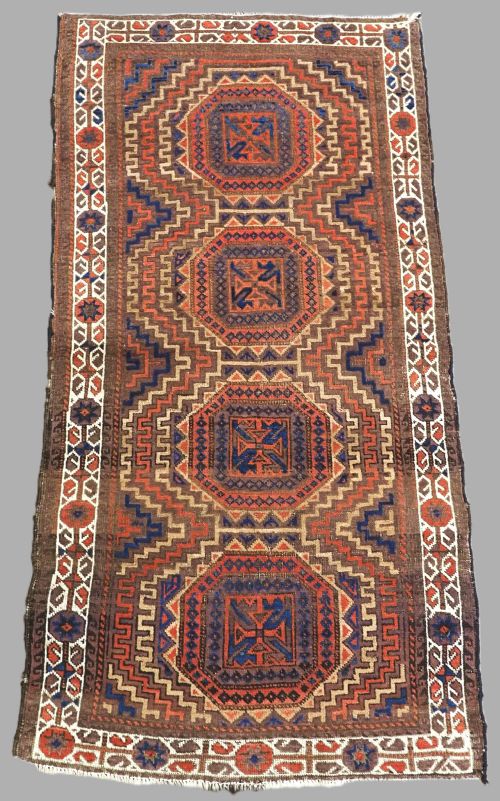
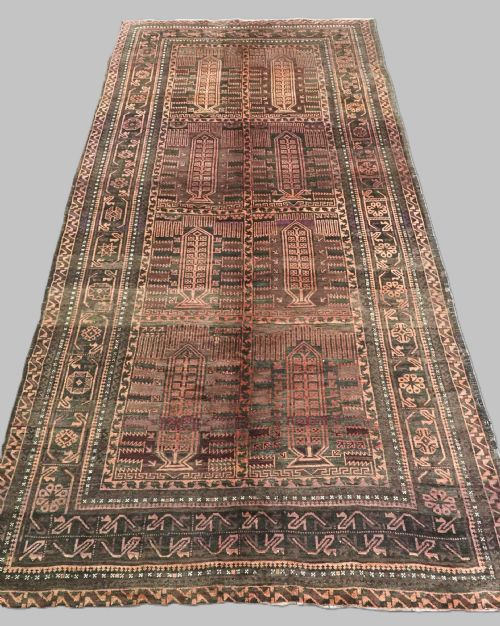
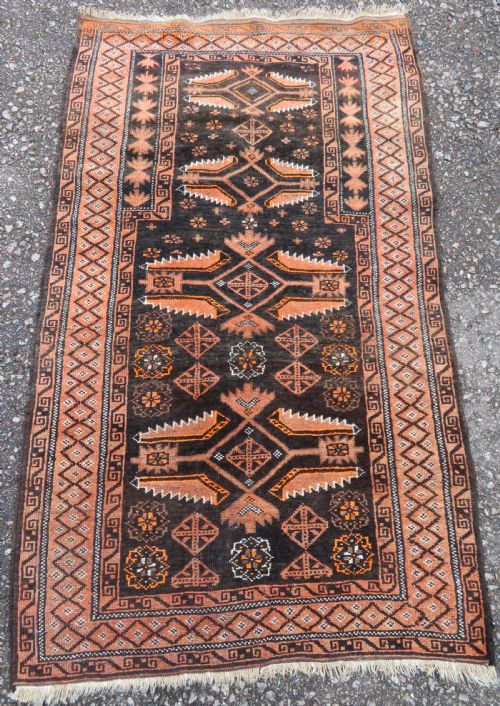
The most common examples on this page are Baluch, Afghan, and Yomut pieces featuring deep indigo, madder, and charcoal hues. They arrive in various formats, from small prayer rugs and mats to larger corridor carpets and kellehs.
Makers ranged from village households working on upright frames to nomadic tribes transporting portable looms across steppes and mountains. Their output reflects the specific visual vocabulary of distinct regional groups, such as the Qashqai, Kurdish, and Afshar peoples.
How they were made
Weavers constructed each dark wool area rug using locally sourced wool, frequently hand-spun and combined with goat hair for structural resilience along the edges. Natural dyes derived from plants and minerals provided the foundational palette of dark indigos, browns, and reds.
The pile was knotted by hand onto wool or cotton foundations using symmetrical or asymmetrical knots, depending on the tribal tradition. This dense knotting created a durable surface designed to withstand heavy domestic use while retaining flexibility.
Listings span from the late nineteenth century through the nineteen-thirties, featuring wool, cotton, and goat hair materials.
What varies in quality
The distinction between tiers rests upon the precision of the knotting, the depth and saturation of the natural dyes, and the integrity of the original borders. Finer examples display meticulous symmetry in tribal motifs such as guls, mina khani patterns, and double mihrabs.
Condition and completeness heavily influence the standing of a piece, particularly the survival of original side cordings and end finishes. Material purity, such as the complete reliance on hand-spun wool and stable organic colouring, separates standard village work from exceptional tribal weaving.
The Dark Wool Area Rug Glossary
- Gul
- A primary octagonal medallion motif repeated across Turkmen and Baluch carpets. Each tribal group utilised distinct variations to signal lineage and identity.
- Prayer rug
- A small format textile featuring a single or double mihrab niche design indicating the direction of Mecca. These pieces were traditionally utilised for personal devotion.
- Kelleh
- A large rectangular format carpet traditionally used in long rooms or hallways. They offer an elongated field surrounded by multiple protective borders.
- Sofreh
- A flatwoven or piled spread used for handling bread or sharing meals within nomadic communities. These textiles often exhibit minimalist geometric layouts.
- Mina khani
- An all-over repeating pattern composed of stylized flowers linked by delicate lattice vines. This design frequently appears in Persian village and tribal weaving.
Dark Wool Area Rug: Frequently Asked Questions
How do I clean a wool rug?
Vacuum gently without a rotating brush roll to protect the pile from unnecessary friction and fibre loss.
Professional washing remains essential for deep cleaning to prevent dye migration and preserve the natural wool lanolin.
Where were these rugs made?
The pieces originate across Western and Central Asia, including regions spanning modern-day Iran, Afghanistan, and the Caucasus.
Nomadic tribes and settled villagers produced them in distinct regional styles influenced by local resources and cultural traditions.
Are these rugs durable?
Hand-spun wool combined with tight knotting provides exceptional resilience against daily foot traffic in busy living spaces.
Natural animal fibres flex under pressure, allowing the pile to rebound and maintain its structural integrity over decades of use.
How do I identify a Baluch rug?
Baluch pieces typically feature dark palettes dominated by deep browns, midnight blues, and rich madder reds. Their designs often incorporate geometric guls, camel hair details, and distinctive end finishes.