


Dark Wood Tea Stand
A dark wood tea stand brings centuries of craftsmanship into a room, offering practical surface space through mahogany, rosewood, and oak tripod or occasional forms.
Dark Wood Tea Stand
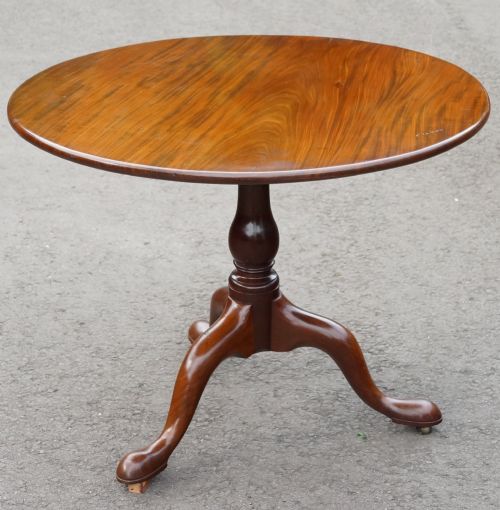
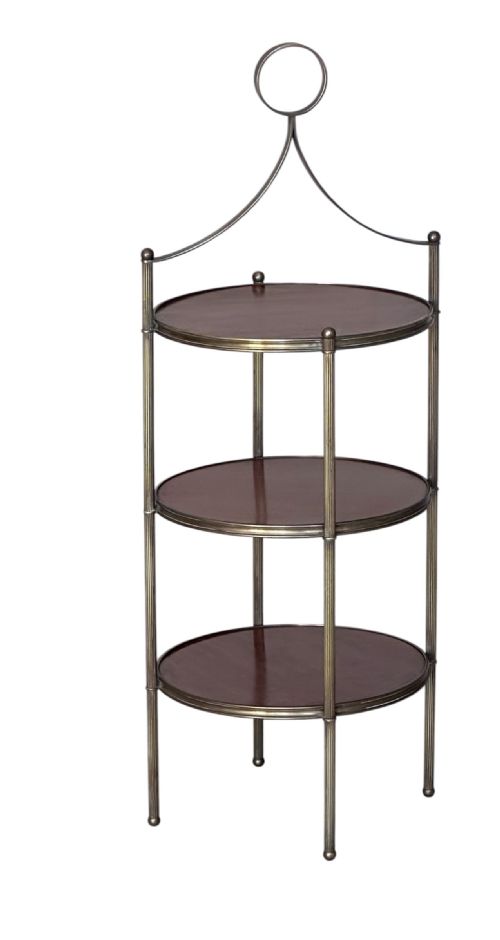
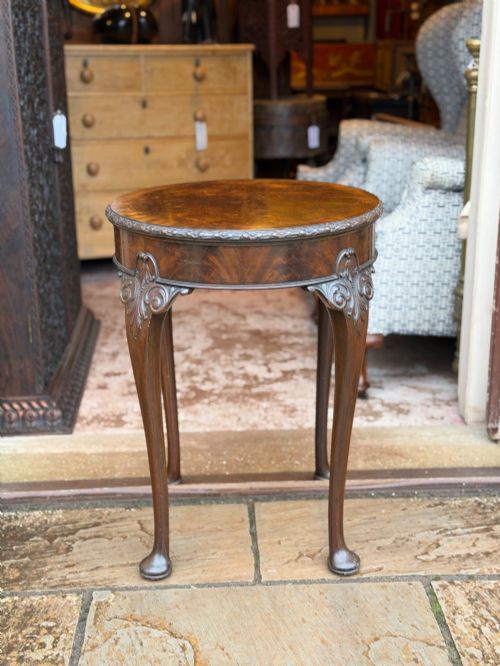
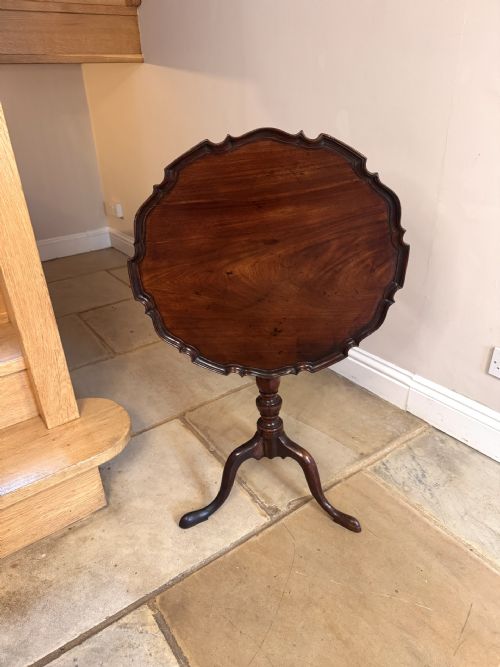
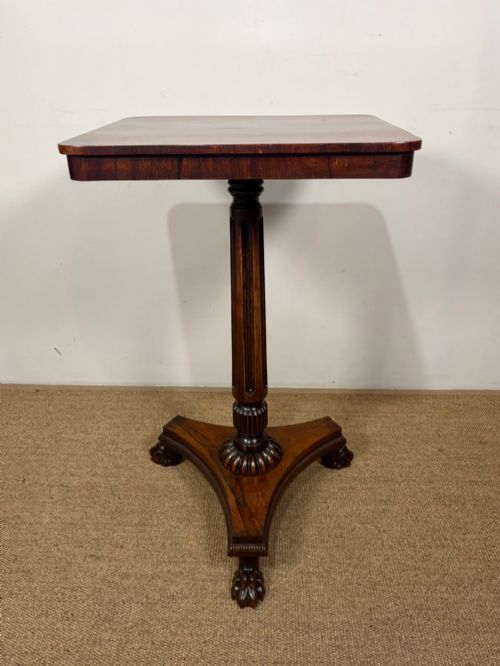
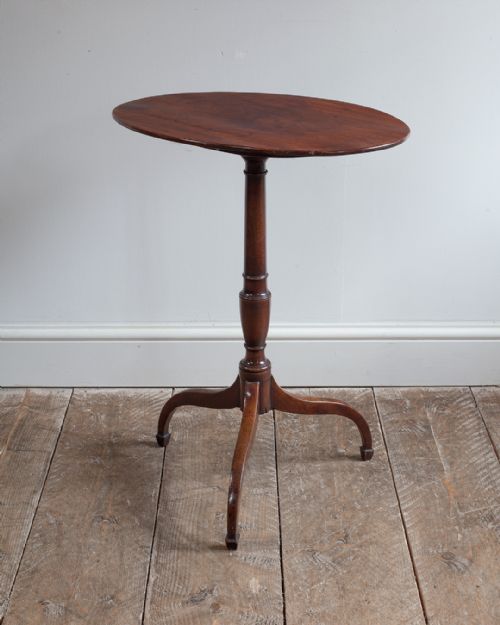
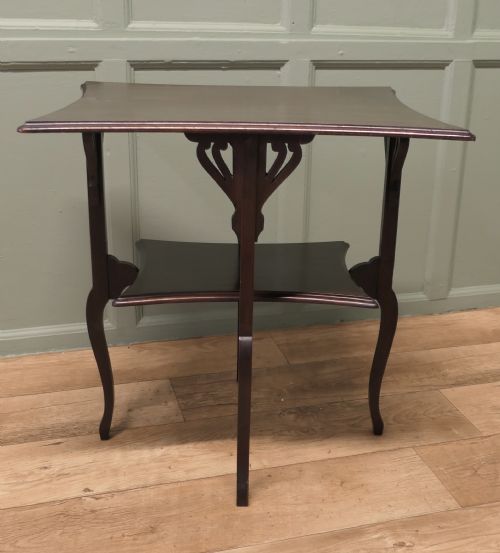
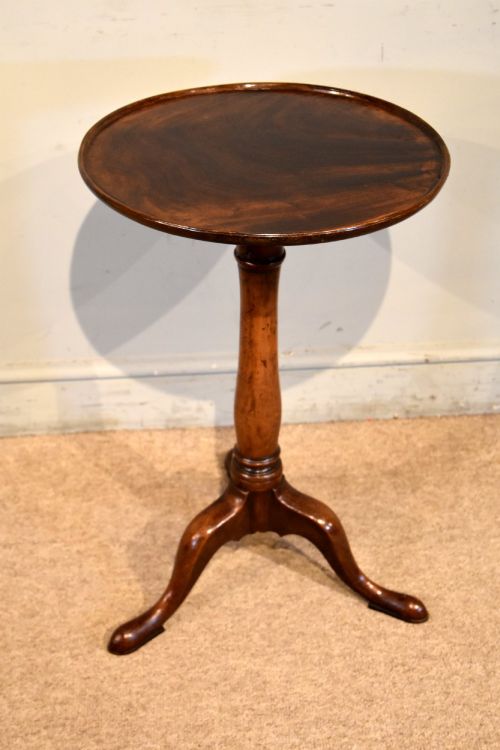
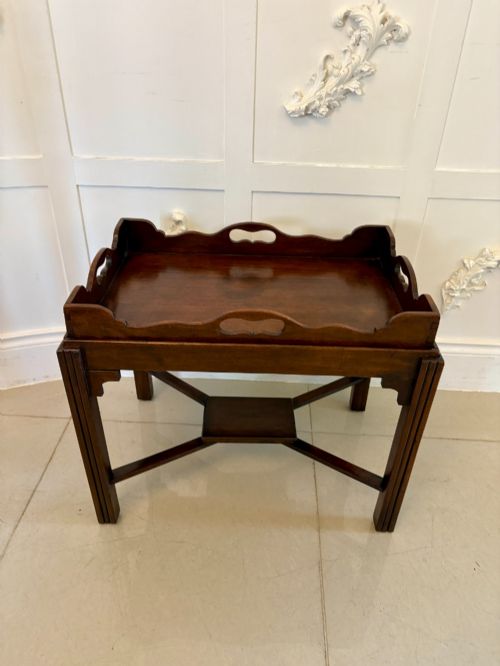
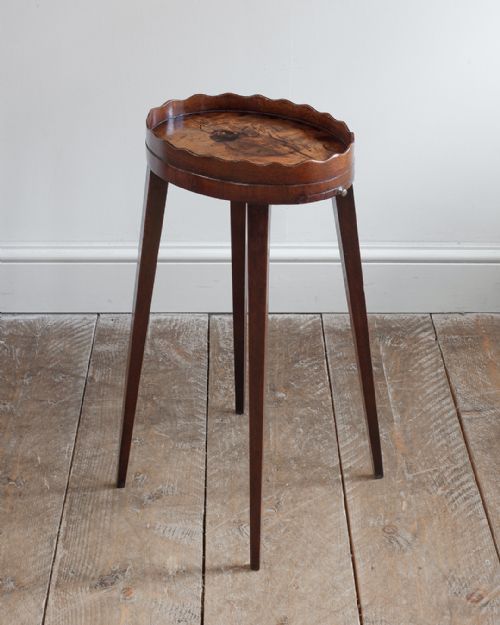
A dark wood tea stand encompasses various occasional tables, tripod tables, and tier tables designed for service and display across the eighteenth, nineteenth, and early twentieth centuries. When searching for this phrase, buyers encounter diverse forms ranging from tilt-top tripod tables to folding cake stands and structured teapoys.
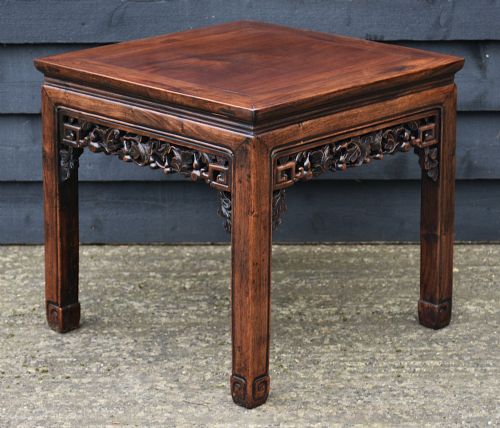
The selections span distinct historical periods including Georgian, Victorian, Edwardian, and Arts and Crafts movements. Materials primarily feature mahogany, rosewood, walnut, and oak, alongside regional variants such as Anglo-Indian and Chinese low tables.
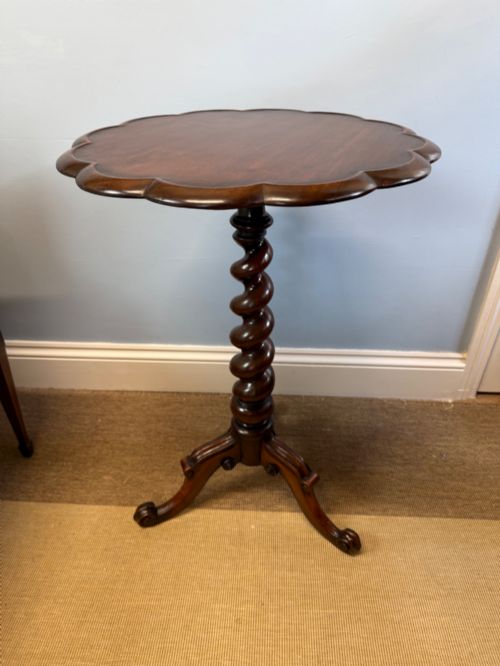
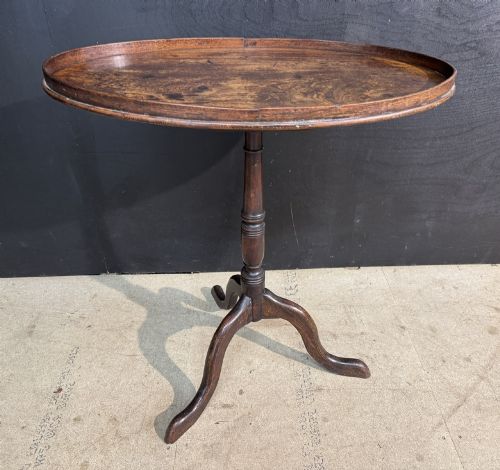
Many examples utilise tripod bases or pedestals, while others provide folding mechanisms or multiple tiers for domestic utility. Originating from British workshops as well as international trade routes, these pieces reflect both formal entertaining traditions and everyday functional needs.
Materials and Construction
Cabinetmakers utilised dense timbers such as mahogany, rosewood, and walnut for their stability and capacity for fine carving. Solid oak and teak also appear frequently, providing robust support for structural elements like pedestals and folding frames.
Joinery techniques included traditional mortise and tenon joints, birdcage mechanisms for tilt-top tripod tables, and intricate bone inlay found in regional import pieces. Surface finishing involved hand-polishing to highlight the natural grain and deep colour of the hardwood.
Dark Wood Tea Stand Retail Price Guide 2026
Typical asking prices for dark wood tea stand among the pieces listed under this phrase on Sellingantiques today, from the lower quarter to the upper quarter. They describe what is for sale here now, not the wider market.
Listings feature items spanning the eighteenth century through to the 1930s, constructed predominantly in mahogany, oak, and rosewood.
Assessing the Range of Quality
Quality in these tables rests upon the selection of timber and the precision of the joinery. Superior examples demonstrate crisp hand-carving on tripod legs, balanced proportions in tilt-top mechanisms, and well-figured wood grains.
Liberty & Co·Shapland and Petter
The Dark Wood Tea Stand Glossary
- Tilt-top table
- A table with a hinged top that folds vertically when not in use. This mechanism allowed the furniture to stand flat against a wall to save space.
- Tripod table
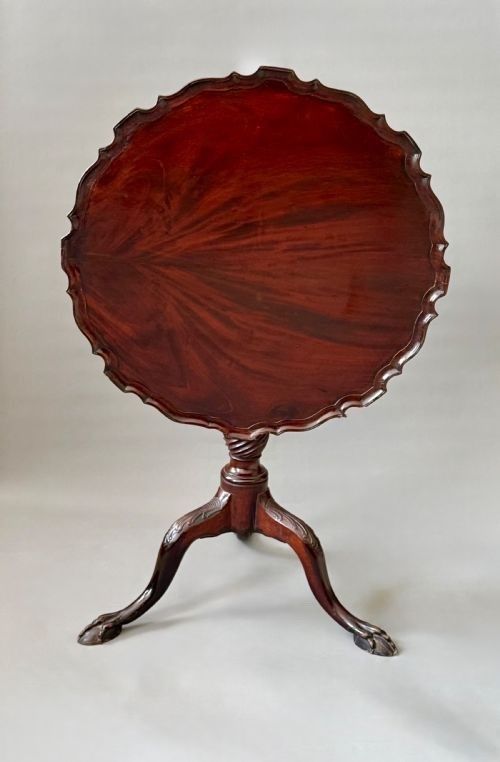
- A small freestanding table supported by a central pillar resting on three legs. This form gained immense popularity during the Georgian period.
- Teapoy
- A small box or chest mounted on a stand, originally designed to hold containers of tea. Later variants evolved to serve broader functions in the drawing room.
- Birdcage
- A wooden framework beneath a table top that allows the surface to both rotate and tilt. It employs small turned columns resembling a cage structure.
- Pie crust rim
- A carved, raised decorative edge shaped in undulating curves. It resembles the fluted pastry edge of a traditional pie.
Dark Wood Tea Stand: Frequently Asked Questions
How do I use a dark wood tea stand today?
These pieces function effectively as bedside tables, sofa-side surfaces for lamps, or display stands for plants and ceramics. Their compact footprints suit contemporary spaces requiring characterful antique surfaces.
Folding cake stands and tiered tables provide flexible display options that adapt easily to different rooms without dominating the floor area.
What is a birdcage mechanism?
The birdcage is a small wooden assembly situated beneath the table top that connects the surface to the central pillar. It permits the top to rotate horizontally and tilt vertically.
This clever engineering allowed eighteenth-century owners to store tables compactly against walls when tea service concluded.
How do I date a mahogany tripod table?
Dating relies on examining the construction methods, timber selection, and leg profile characteristics. Georgian examples often feature slender cabriole legs ending in pad or snake feet.
Later nineteenth-century interpretations introduce heavier pedestals, machine-turned components, or stylistic revivals drawing on earlier Chippendale designs.
Are regional variations common in these tables?
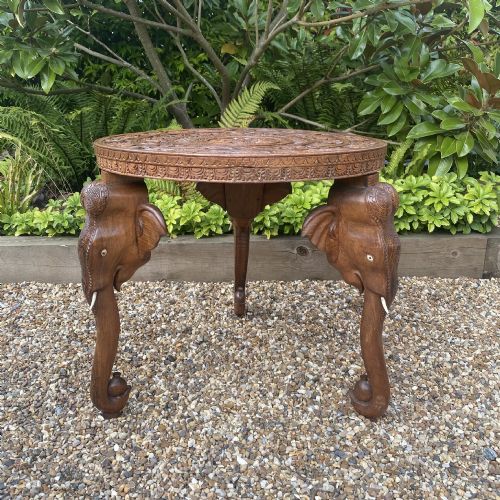
Imported and colonial pieces frequently appear alongside standard British cabinetwork. Examples include Anglo-Indian carved tables and Chinese rosewood low tables.
These overseas pieces utilise local hardwoods like teak and incorporate traditional regional carving motifs combined with British furniture forms.