


Antique Folding Display Stand
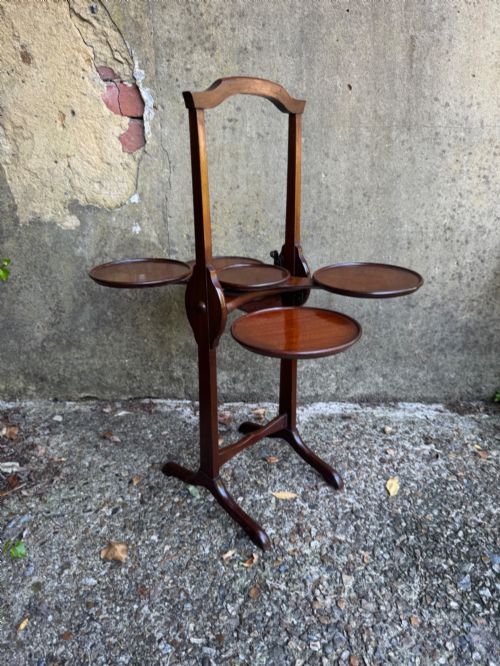
These antique folding display stand pieces offer clever utility and presence, serving to showcase treasured objects or hold tea parties with ease.
Antique Folding Display Stand
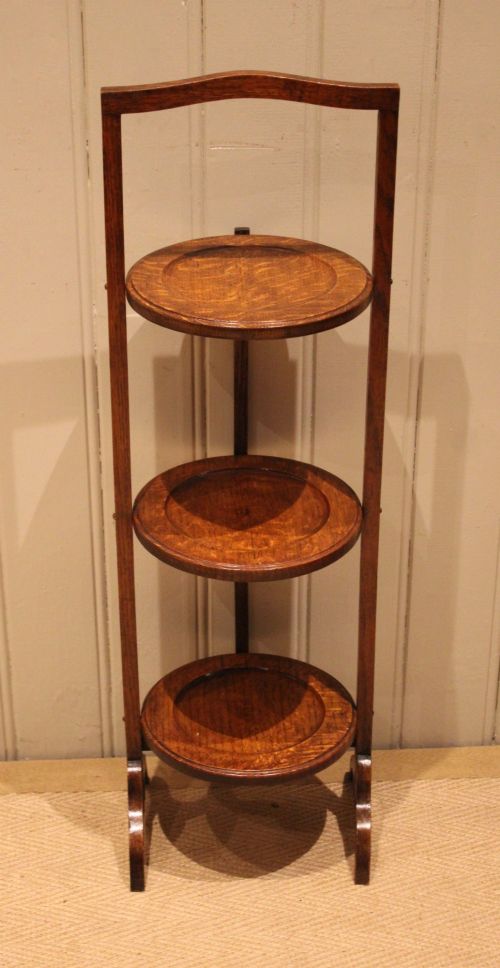
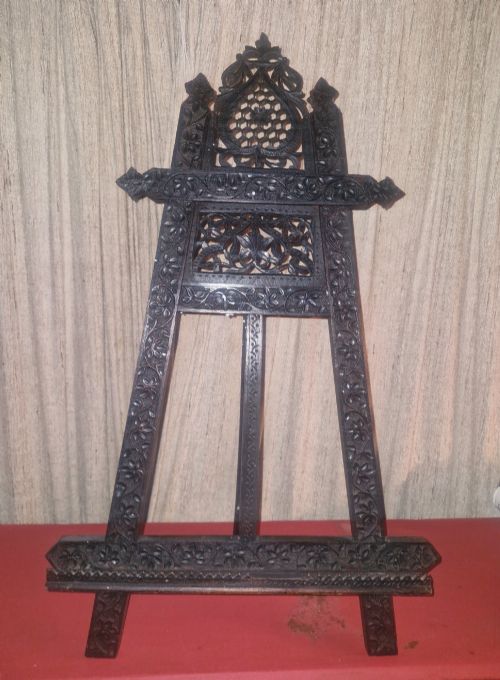
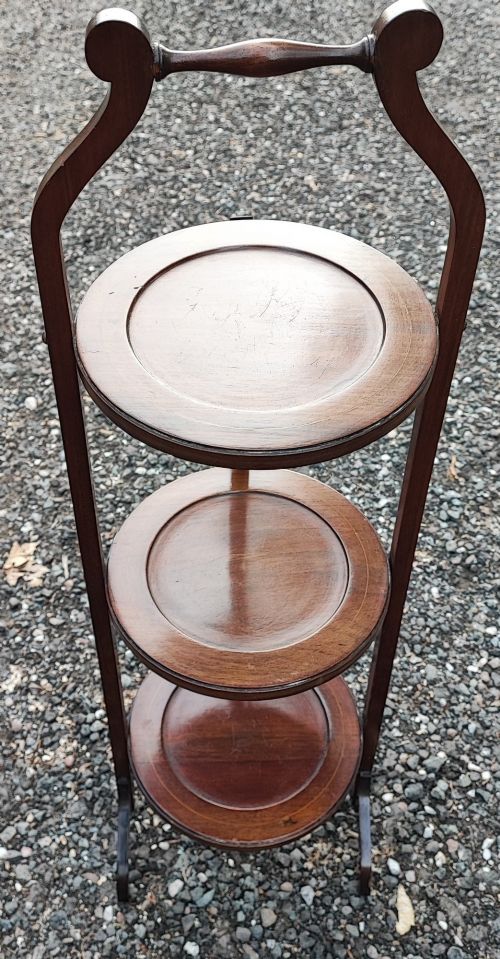
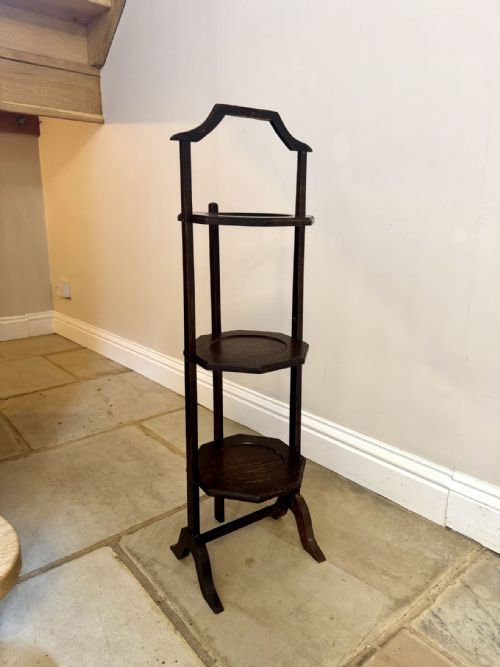
When you search for an antique folding display stand, you find items spanning the Georgian, Victorian, and Edwardian eras, predominantly taking the form of tiered cake stands, easels, and occasional tables. These pieces accommodate compact living and social gatherings through collapsible or multi-tiered wooden frames.
Mahogany and oak form the bulk of the selections here, often enriched with satinwood inlay or brass mounts. You encounter varying heights and tier counts, from simple single-surface easels to three-tier folding cake stands designed to pack flat when not in use.
How they were made
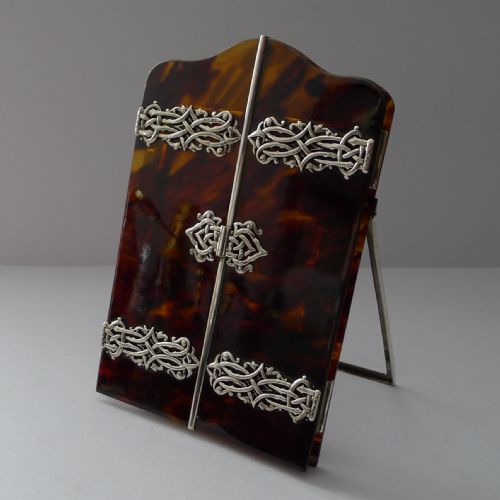
Cabinet makers utilised dense hardwoods like mahogany, rosewood, and oak, shaping them with hand tools and securing joints with traditional joinery. Selected pieces incorporate decorative touches such as boxwood inlay, mother-of-pearl, or carved details.
The folding mechanisms rely on clever hinges, pivoting struts, and nesting tiers that allow rigid furniture to collapse smoothly. Artisans balanced structural stability with lightweight portability, ensuring the joints withstood repeated opening and closing.
The listings span the Victorian and Edwardian eras, incorporating oak, mahogany, and rosewood alongside specialised forms like bamboo and glass.
What varies in quality
The refinement of the timber and the crispness of any carved or inlaid decoration determine the tier of a piece. Fine examples display carefully chosen grain patterns and precise stringing, whereas utility items rely on plain surfaces and simpler joints.
The engineering of the folding mechanism marks the difference between standard production and superior craftsmanship. Smooth-operating pivots and stable, level tiers under load indicate a higher grade of manufacture.
The Antique Folding Display Stand Glossary
- Tier
- A single level or shelf in a stacked structure, commonly seen in multiple numbers on cake stands and occasional furniture.
- Inlay
- Decorative wood or shell set flush into the surface of a piece to create contrasting patterns, frequently utilised in Edwardian items.
- Easel
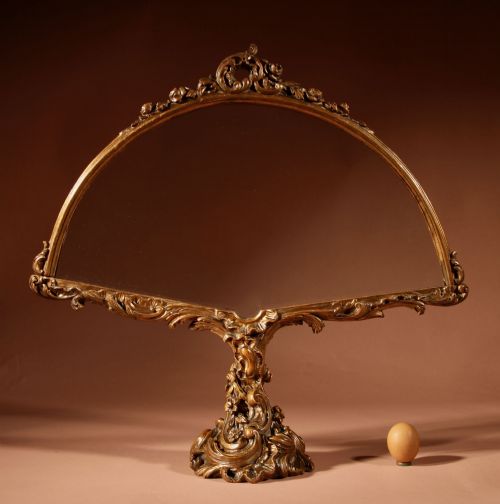
- An upright support frame traditionally used for displaying paintings, photographs, or decorative fans.
- Dumb waiter
- A tiered standalone piece of furniture designed to hold food or serving items without the constant assistance of servants.
Antique Folding Display Stand: Frequently Asked Questions
How were folding stands used?
These stands served practical roles in period homes, functioning as portable surfaces for afternoon tea, holding reading material, or displaying ornamental items.
Their collapsible nature allowed servants or homeowners to store them out of the way when the room required more floor space.
How do I care for antique wood?
Keep wooden furniture away from direct heat sources and dramatic humidity fluctuations to prevent timber movement and cracking.
Apply a traditional wax polish occasionally to nourish the grain and maintain the surface sheen.
Are these stands structurally stable?
Period folding stands are engineered for practical use, though the stability depends on the tightness of the original pivots and hinges.
Inspect the joints where the legs cross or the tiers pivot to ensure they lock securely into position before placing heavy objects on them.
What periods do these pieces span?
The selection covers items from the late eighteenth century through to the early twentieth century, encompassing Georgian, Victorian, and Edwardian aesthetics.
Stylistic shifts move from heavy carved mahogany and rosewood towards lighter inlaid satinwood and oak designs.