



Three Tier Muffin Stand
A three tier muffin stand offers tiered display space in rich woods, bringing practical elegance to afternoon tea.
Three Tier Muffin Stand
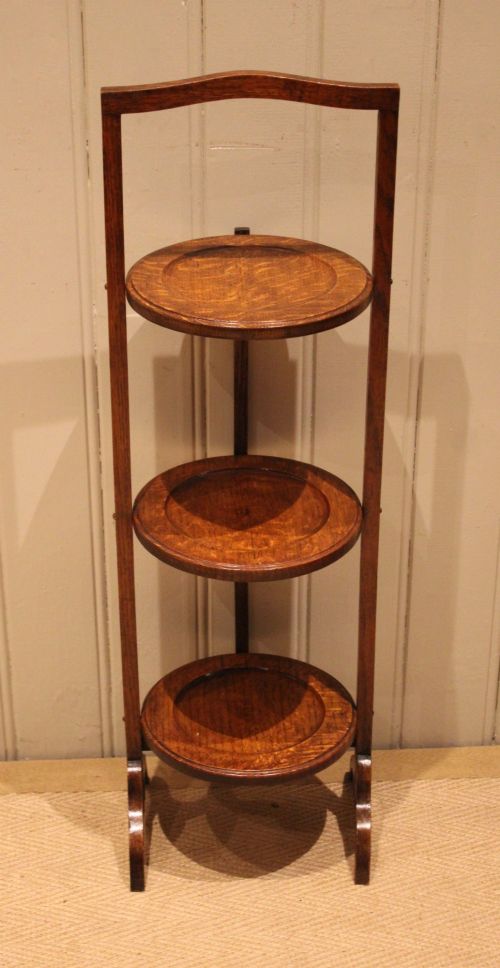
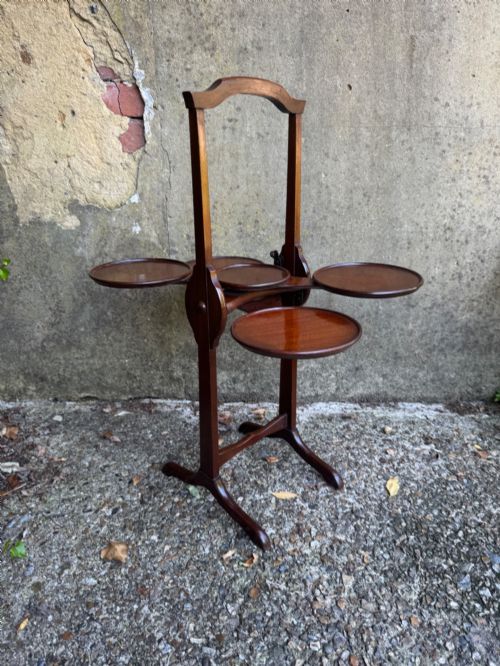
A three tier muffin stand is a tiered stand designed to present baked goods across multiple levels. When searching for this form, you will frequently encounter folding cake stands and tiered stands dating from the Edwardian period and the nineteenth century. These pieces serve as functional furniture items that maximise display space while maintaining a compact footprint.
The examples recorded here span the Edwardian era alongside nineteenth-century pieces, reflecting the popularity of tiered serving furniture during these periods. Makers constructed these stands in timber forms suited to domestic entertaining, prioritising both portability and tiered surface area.
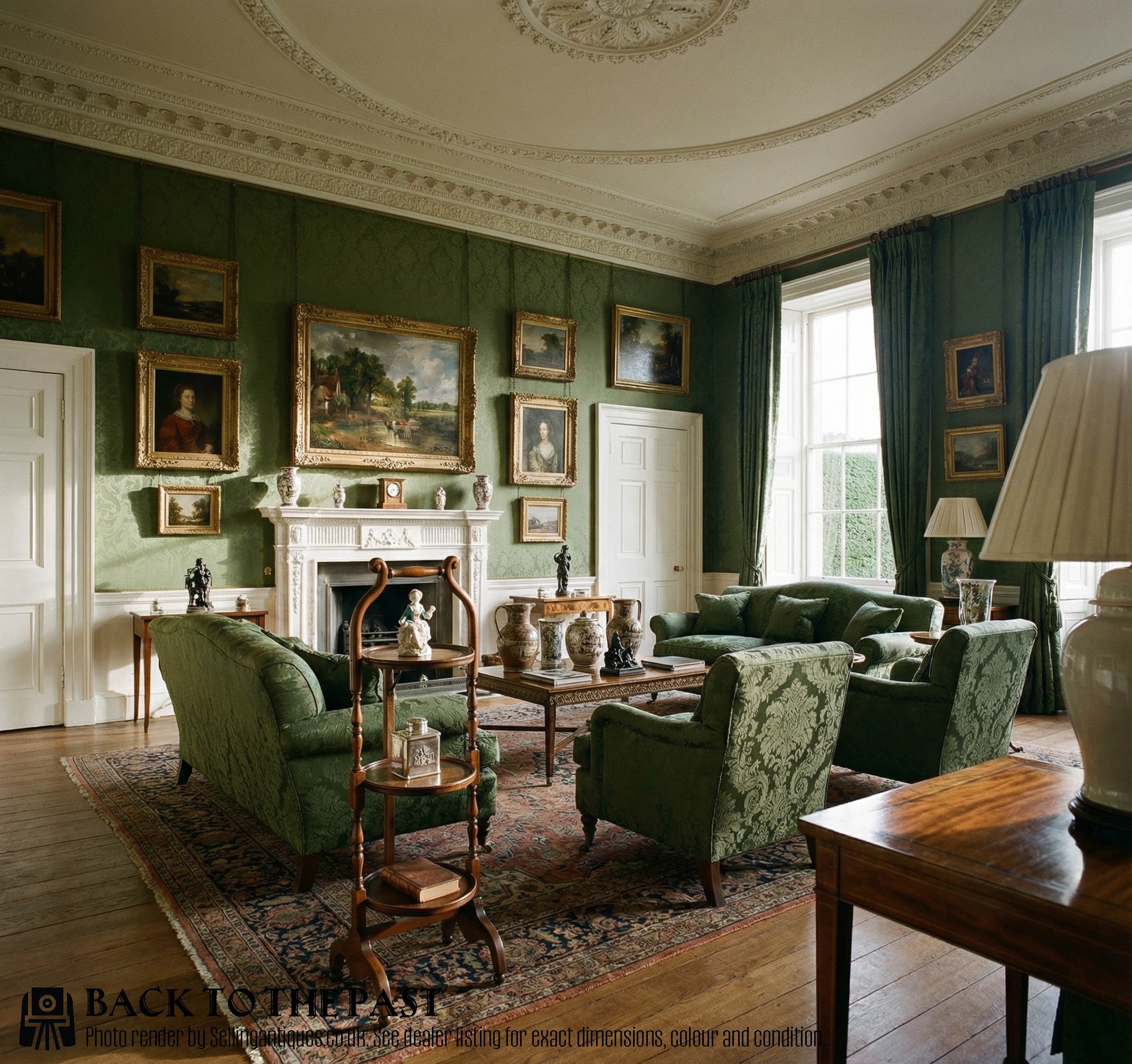
How they were made
Makers utilised solid timbers and veneers such as mahogany, oak, walnut, and burr walnut veneer to construct these tiered structures. Brass fittings often facilitated the folding mechanisms that allowed the stands to collapse when not in use.
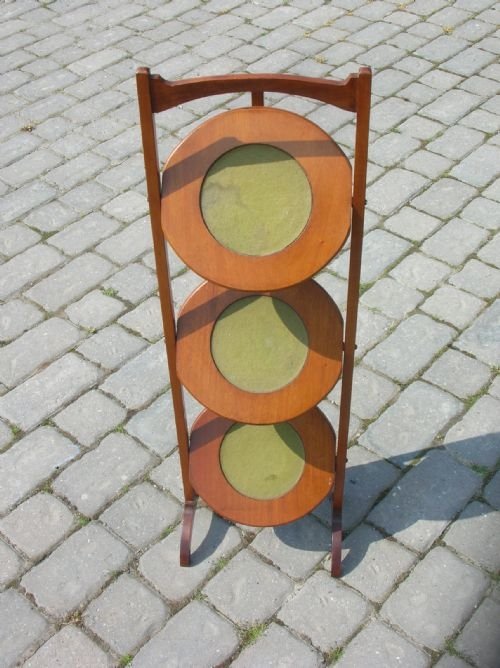
Surfaces were finished to highlight the natural grain of the wood, sometimes complemented by baize on internal elements. The combination of durable hardwoods and folding hardware defined the construction methods of the period.
Three Tier Muffin Stand Retail Price Guide 2026
Typical asking prices for three tier muffin stand among the pieces listed under this phrase on Sellingantiques today, from the lower quarter to the upper quarter. They describe what is for sale here now, not the wider market.
What varies in quality
Quality rests upon the selection of cabinet timbers, where figured veneers and dense hardwoods like burr walnut elevate a piece above standard domestic equivalents. The precision of the folding mechanism and the rigidity of the tiers when assembled distinguish finer workshops from simpler production.
Proportion and timber matching across the three levels dictate visual balance. Finer stands display careful attention to grain continuity and joint construction across the moving parts.
The Three Tier Muffin Stand Glossary
- Edwardian
- A period spanning the reign of King Edward VII, noted for lighter furniture forms and revived historic styles. Pieces from this era often incorporate satinwood inlay or simplified mahogany frames.
- Burr walnut veneer
- A thin slice of wood cut from a walnut tree growth, prized for its swirling, decorative grain pattern. Cabinet makers applied this veneer to prominent surfaces to create visual richness.
- Mahogany
- A durable, reddish-brown tropical hardwood favoured for its stability and fine grain. It forms the primary structure of many tiered stands and tables from the nineteenth and early twentieth centuries.
- Baize
- A coarse woolen fabric resembling felt, historically used to line surfaces or hinges. It provides a soft, protective layer on folding mechanisms and contact points.
Three Tier Muffin Stand: Frequently Asked Questions
What is a three tier muffin stand used for?
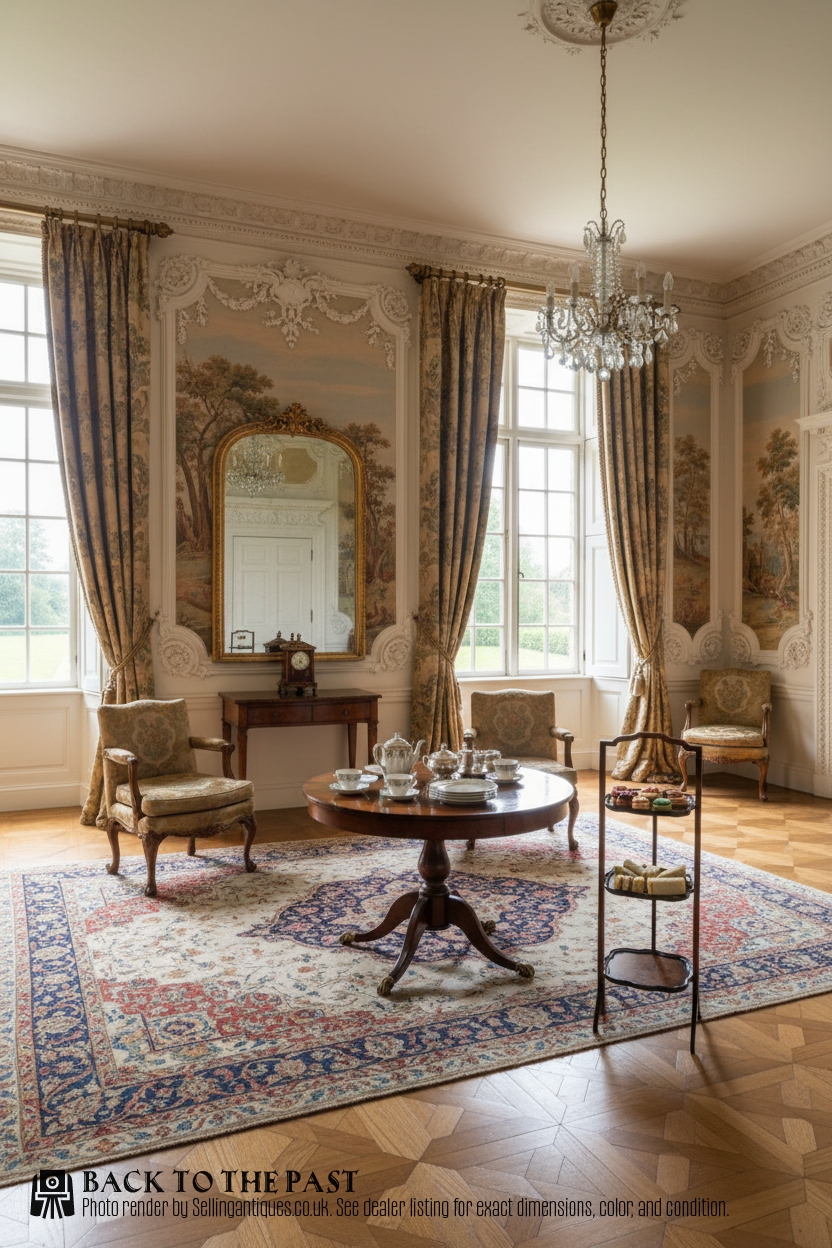
These stands were designed to present cakes, pastries, and small baked items during afternoon tea service. The multiple tiers allowed hosts to serve various foods efficiently in limited table space.
Today, they function well as display furniture for decorative items or plants while retaining their traditional utility for entertaining.
How do I date a folding cake stand?
Dating relies on identifying the timber selection, construction methods, and characteristic stylistic details of the period. Edwardian pieces often feature lighter woods and specific leg turning.
Comparing the hardware and wood finishes against documented examples helps narrow down the decade of production.
Are these stands stable when folded out?
Properly adjusted folding stands lock securely into position through hinged braces or pivoting tiers. The structural integrity depends on the original brass hardware remaining tight and aligned.
When placed on a level surface, a well-maintained stand supports balanced loads across all three tiers without wobbling.
How should I care for mahogany and walnut stands?
Keep wooden furniture away from direct sunlight and sudden temperature shifts to prevent timber warping or veneer lifting. Regular dusting with a dry, soft cloth maintains the finish.
Applying occasional appropriate wax polish nourishes the wood and preserves the natural lustre of the grain.