




Vintage Cake Display Stand
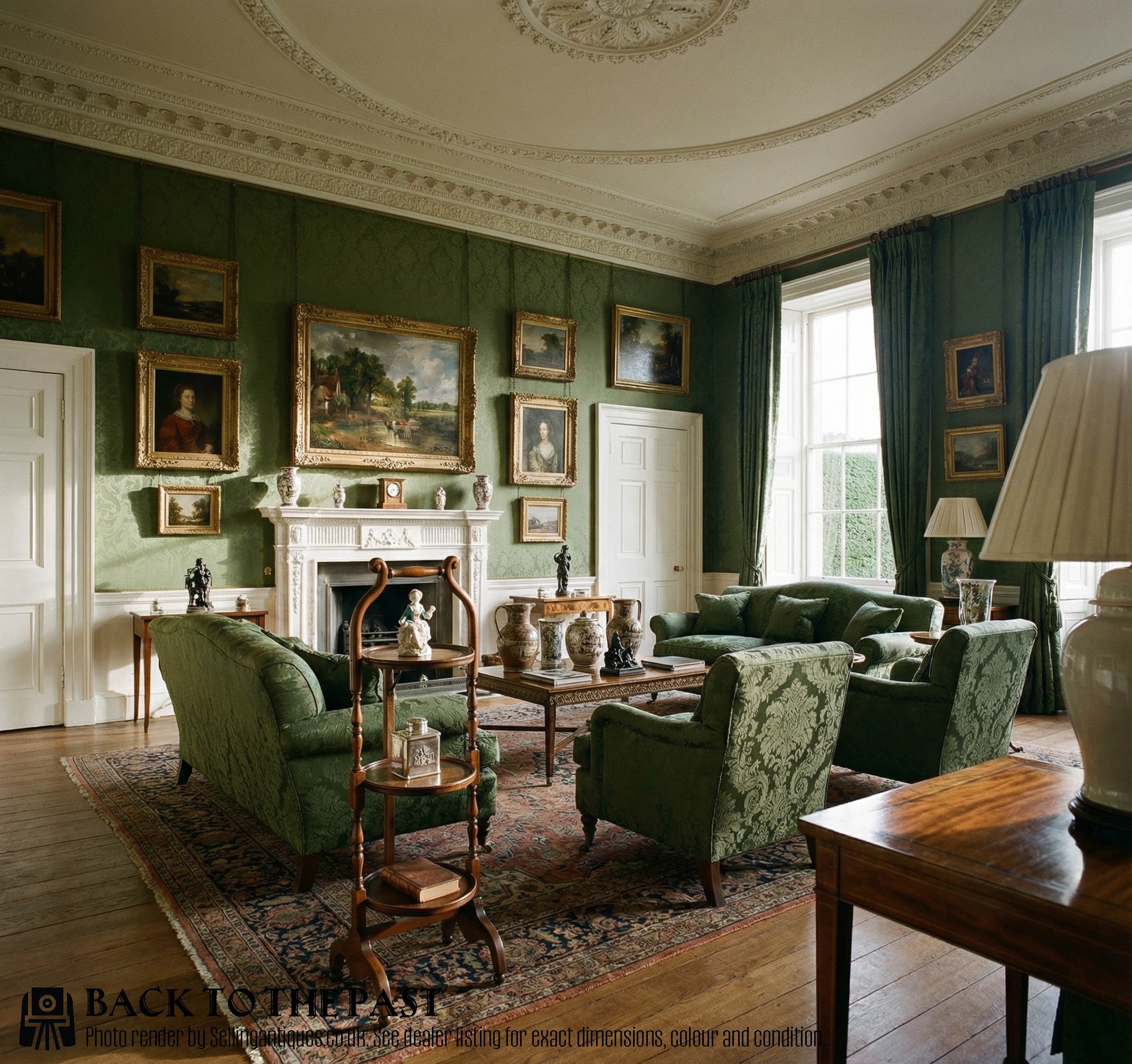
A vintage cake display stand brings tiered elegance to a room, presenting confections or collections upon polished wood and gleaming metal.
Vintage Cake Display Stand
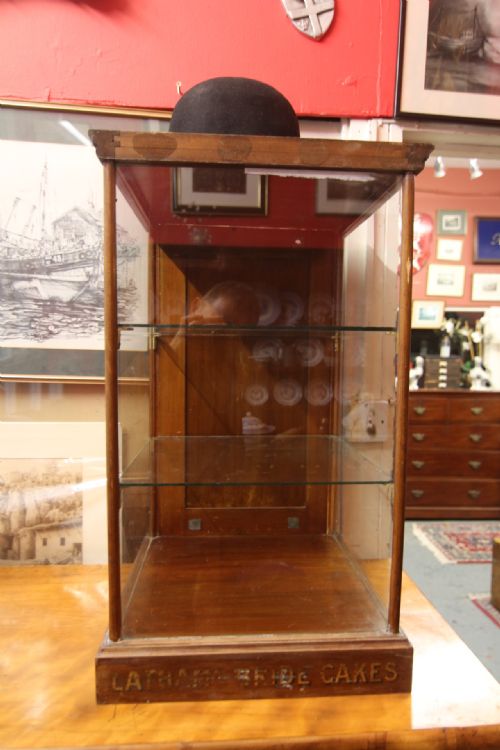
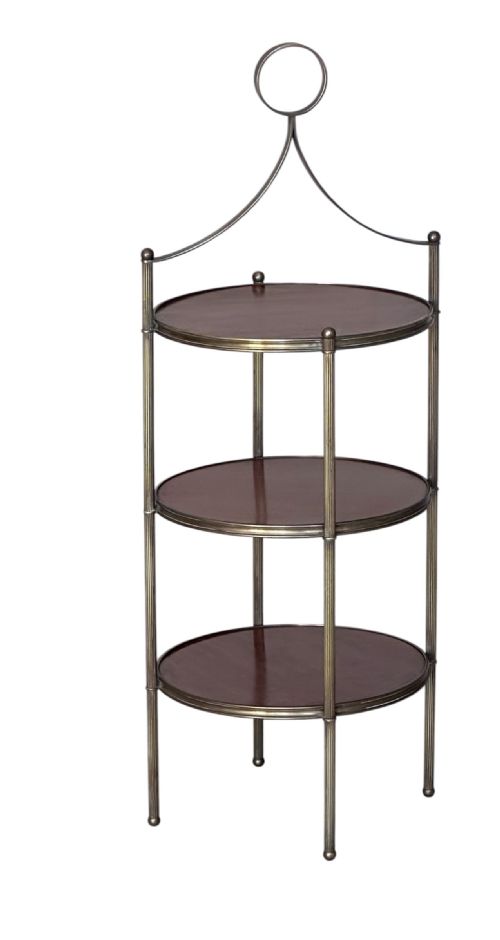
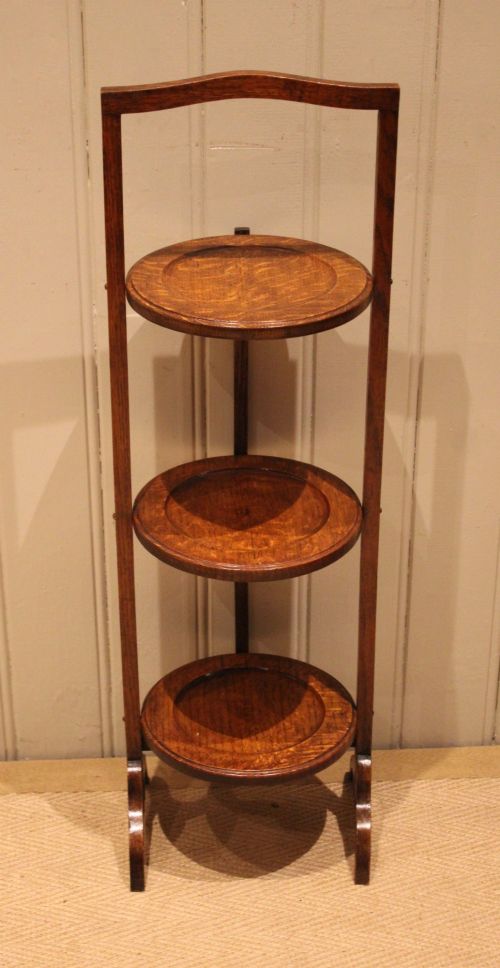
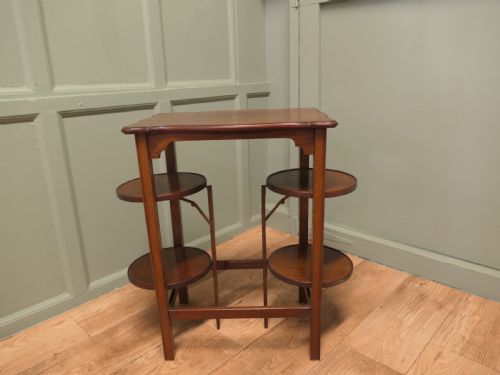
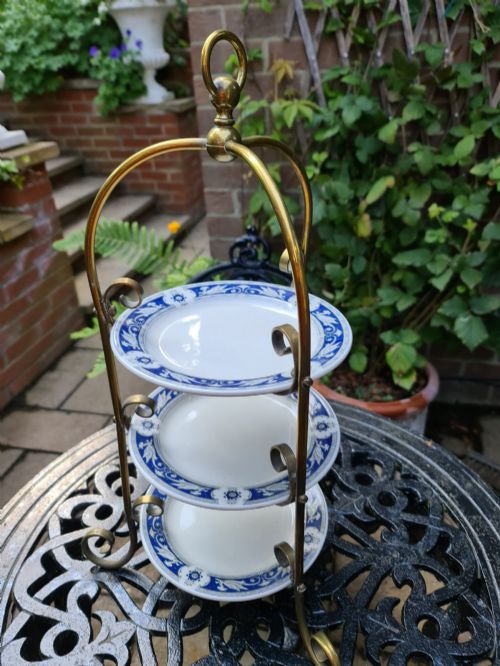
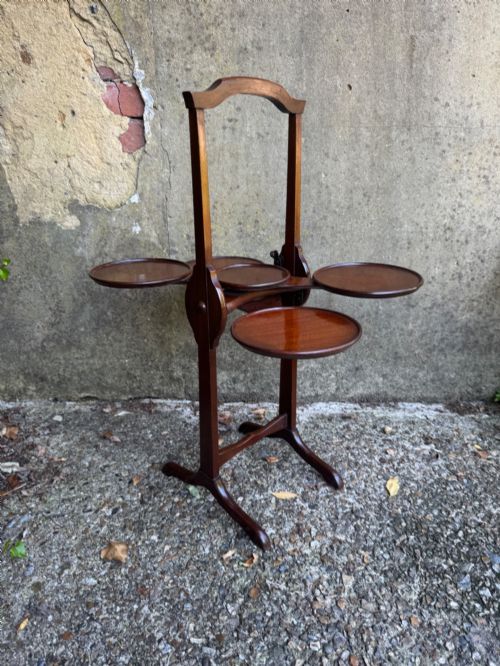
A vintage cake display stand takes several forms, from multi-tiered wooden folding structures to revolving circular platters and mirrored centrepieces. These pieces serve to elevate food or display items efficiently within domestic spaces.
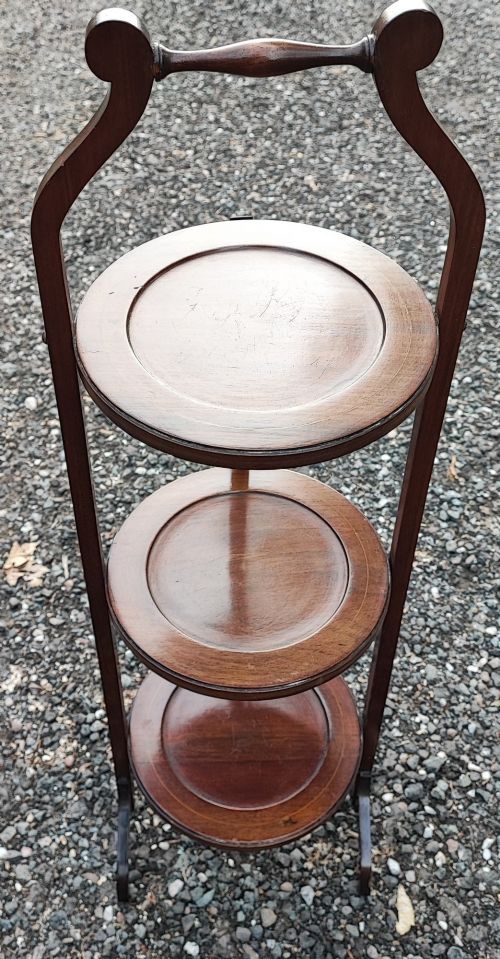
The pieces appearing most frequently originate from the Edwardian and Victorian eras, alongside later Art Deco designs. Common configurations include three-tier mahogany folding models and sturdy oak versions designed for practical daily use.
Earlier examples bridge the gap between formal dining furniture and displayware, including Georgian dumb waiters and eighteenth-century glass tazzas. Buyers select these stands for their functional tiers and distinct period character.
Materials and construction methods
Cabinet makers utilised dense hardwoods such as mahogany and oak for the structural frames and folding mechanisms. Satinwood and boxwood inlay frequently embellish Edwardian tiers, adding subtle contrast to the primary timber.
Vintage Cake Display Stand Retail Price Guide 2026
Typical asking prices for vintage cake display stand among the pieces listed under this phrase on Sellingantiques today, from the lower quarter to the upper quarter. They describe what is for sale here now, not the wider market.
Current listings span from the eighteenth century through the Art Deco period, incorporating mahogany, oak, brass, and glass.
Distinctions in quality
The calibre of a piece rests upon the integrity of its timber selection and the precision of its joinery. Superior examples maintain smooth articulation in their folding hinges without looseness in the tiered joints.
Decorative restraint and harmonious proportions separate standard utility items from finer workshop output. Subtle details such as inlaid stringing or barley twist turnings indicate thoughtful execution by the maker.
The Vintage Cake Display Stand Glossary
- Tazza
- A shallow bowl or plate mounted on a pedestal foot, used historically for serving sweetmeats or displaying items.
- Dumb waiter
- A multi-tiered freestanding piece of furniture designed to hold food or tableware without requiring a servant.
- Mirror plateau
- A mirrored tray base often bordered in silver plate, intended to reflect candlelight or centrepiece decorations.
- Barley twist
- A decorative turning technique resembling a spiralling rope, commonly seen on Victorian and Edwardian furniture legs.
- Sheraton Revival
- A late nineteenth and early twentieth century style drawing inspiration from the neoclassical furniture designs of Thomas Sheraton.
Vintage Cake Display Stand: Frequently Asked Questions
How do I use a folding stand?
Tiered folding stands operate through hinged struts that allow the shelves to collapse together for compact storage. Opening the stand locks the tiers into a horizontal position.
Ensure the stabilizing arms rest fully in place before loading the shelves with items to maintain proper balance.
What is a mirrored centrepiece?
A mirrored centrepiece incorporates a glass mirror plate surrounded by a frame of wood, brass, or silver plate. These items sat on dining tables to reflect light and porcelain.
They function equally well today for displaying small decorative objects or glass vessels.
Are these stands only for cakes?
While originally built for serving cakes, pastries, or cheeses during afternoon tea, these stands adapt readily to modern uses. Collectors employ them to display small plants, ceramics, or collections.
The tiered layout maximises vertical display space in compact areas.
How do I distinguish Edwardian pieces?
Edwardian stands frequently feature lighter timbers like mahogany, often enhanced with satinwood or boxwood inlay. The overall aesthetic leans toward slender profiles and refined elegance.
Victorian counterparts tend to be heavier in construction, utilising robust oak or pronounced turnings.