



Three Tier Dessert Stand
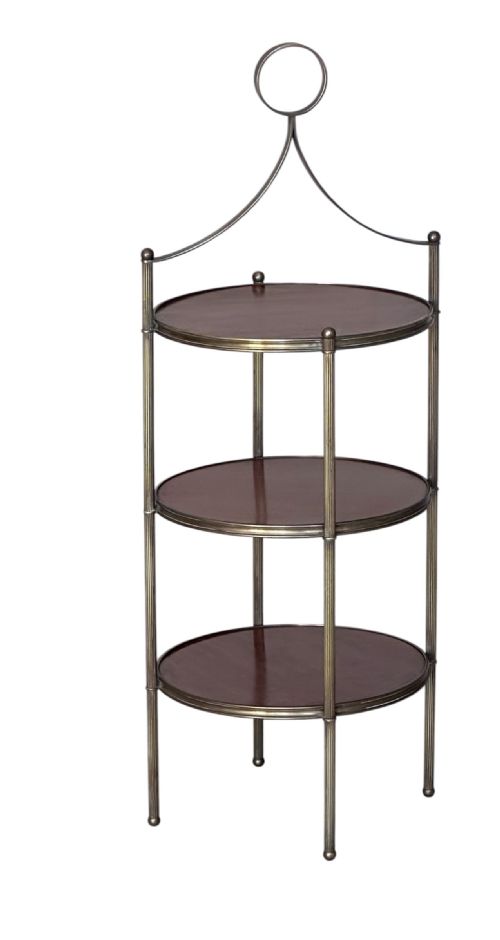
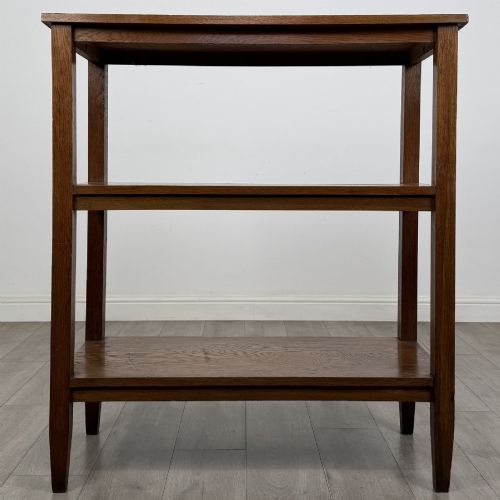
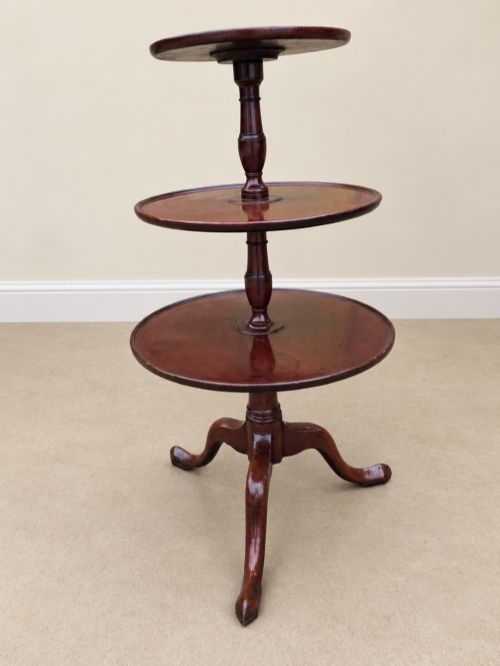
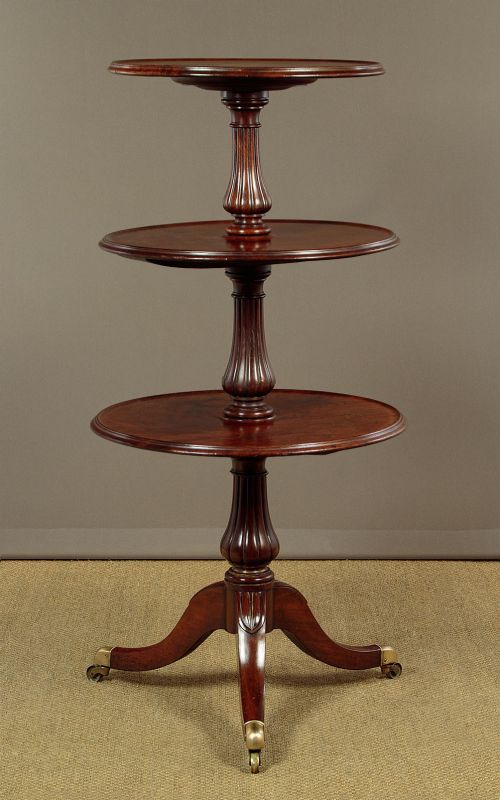
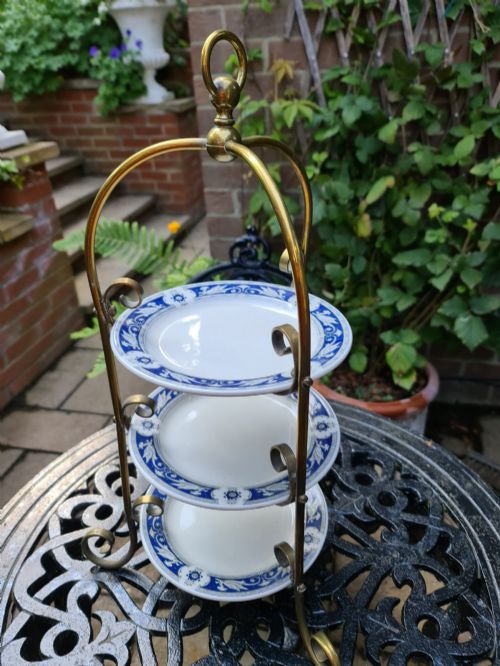
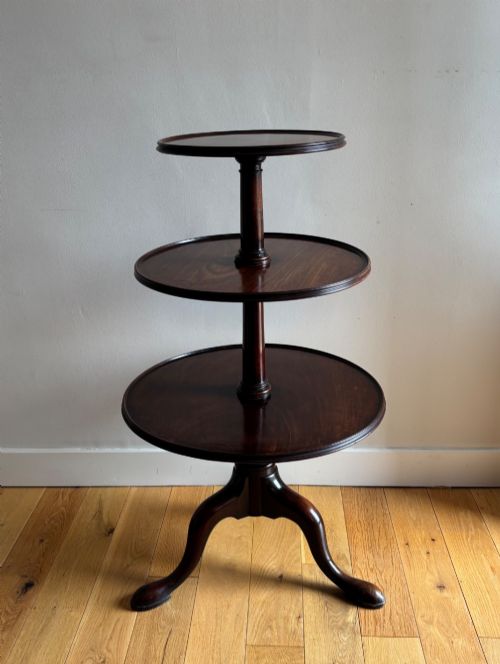
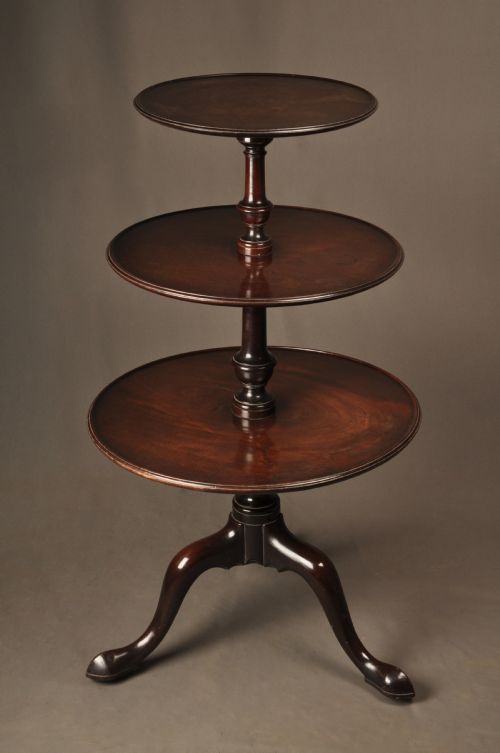
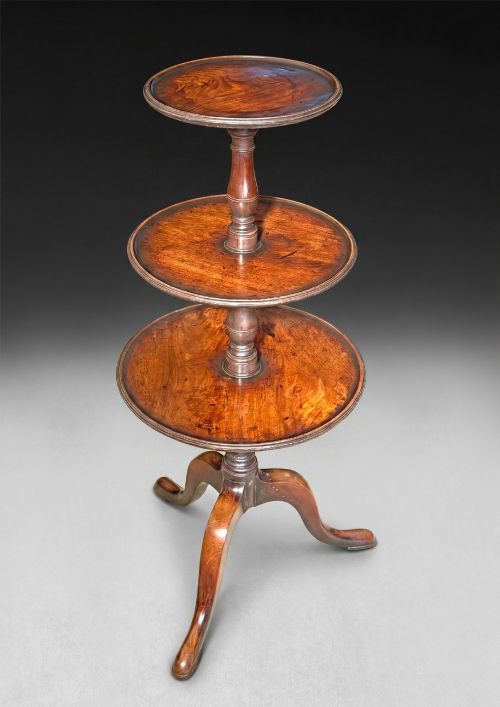
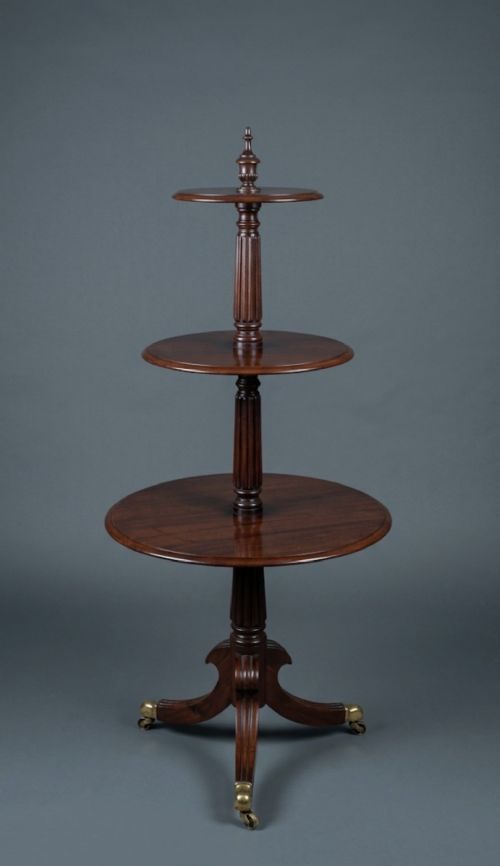
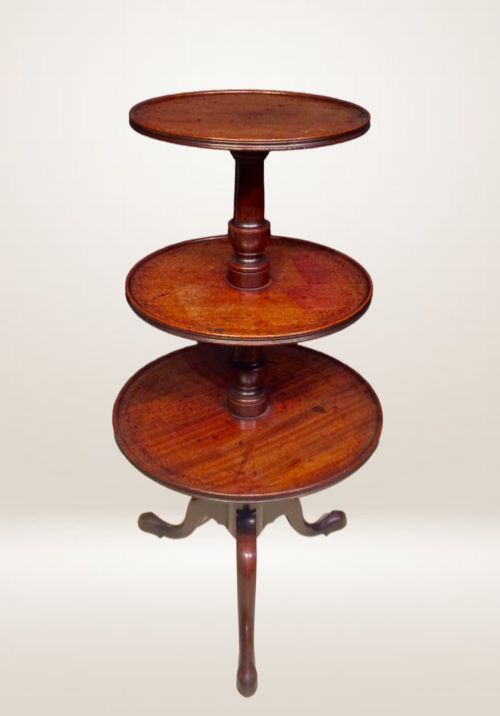
A three tier dessert stand takes shape primarily as a traditional mahogany dumb waiter, offering graduated tiers for practical dining service.
Three Tier Dessert Stand
When you search for a three tier dessert stand, you encounter pieces historically designated as dumb waiters or tiered stands rather than modern dessert display units.
The pieces appearing on this page span the eighteenth century, the Georgian period, the Regency era, and later Victorian and Edwardian times.
You mostly meet circular mahogany tables featuring multiple graduated tiers supported by central columns and tripod feet, alongside occasional folding designs and cake stands.
Materials and Construction
Cabinet makers constructed these stands predominantly from solid and veneered mahogany, sometimes incorporating walnut, rosewood, brass fixtures, and intricate marquetry inlay.
Joinery techniques included revolving mechanisms, drop-leaf folding actions, and galleried edges designed to secure dishes during use.
Support structures typically relied upon sturdy tripod bases or turned central pillars to bear the weight of the stacked circular tiers.
Three Tier Dessert Stand Retail Price Guide 2026
Typical asking prices for three tier dessert stand among the pieces listed under this phrase on Sellingantiques today, from the lower quarter to the upper quarter. They describe what is for sale here now, not the wider market.
Current listings feature pieces spanning the 18th century, Georgian, Regency, Victorian, and Edwardian periods, constructed from mahogany, walnut, rosewood, and brass.
Evaluating Quality in Tiered Stands
The distinction between standard utility items and finer examples rests upon the selection of timber grain, the crispness of the turned columns, and the fidelity of period details.
Superior execution shows in the smooth operation of revolving or folding mechanisms and the integrity of the original brass fittings and castors.
Proportion and balance dictate the overall presence, separating master workshop productions from simpler provincial pieces.
Maple & Co·Gillows
The Three Tier Dessert Stand Glossary
- Dumb waiter
- A freestanding tiered piece of dining room furniture historically used to hold food and tableware without servant assistance.
- Tripod base
- A three-legged support structure commonly found beneath the central pillar of Georgian and Regency stands.
- Galleried edge
- A raised rim around the perimeter of a tier designed to prevent items from sliding off the surface.
- Marquetry inlay
- Decorative patterns formed by fitting contrasting pieces of wood veneer into the primary surface.
- Revolving tier
- A rotating section mounted on the central shaft allowing access to dishes from any seated position.
Three Tier Dessert Stand: Frequently Asked Questions
What was a three tier dessert stand used for?
These tiered stands served dining rooms by holding courses, plates, and dishes when extra servant help was absent during meals.
Over time, households adapted them to display desserts, cakes, and decorative items in reception rooms.
How do I date a mahogany dumb waiter?
Dating relies upon examining the timber characteristics, construction methods, leg profiles, and turnings typical of Georgian, Regency, or Victorian cabinet making.
Changes in proportion and the evolution of folding or revolving mechanisms also indicate the specific period of manufacture.
Can I use a antique dumb waiter for serving food?
Many people continue to utilise these sturdy tiered stands for serving afternoon tea, cakes, or desserts during gatherings.
Careful placement and gentle cleaning protect the antique polished wood and original joints from excessive moisture.
What is the difference between a dumb waiter and a cake stand?
Dumb waiters generally feature heavier mahogany construction with revolving circular tiers intended for dining room service.
Edwardian and Victorian cake stands tend to be lighter, sometimes utilising folding rosewood or walnut frames specifically for tea service.