


Edwardian Mahogany Tier Stand
An edwardian mahogany tier stand brings structured elegance to a room, offering multiple levels for display or afternoon tea.
Edwardian Mahogany Tier Stand
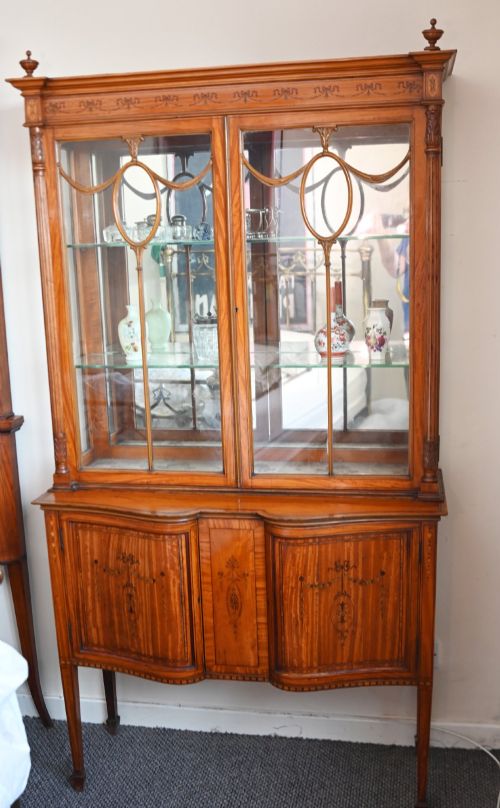
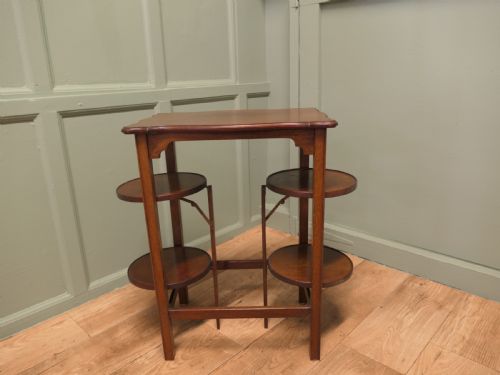
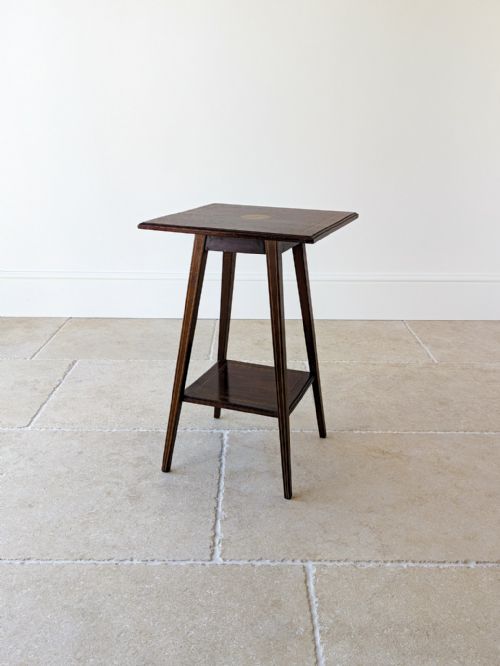
An edwardian mahogany tier stand typically manifests as a multi-level cake stand, plant stand, or occasional table designed to maximise vertical space in a room. These pieces reflect the tastes of the Edwardian period, alongside related Victorian, late Victorian, and early twentieth-century examples.
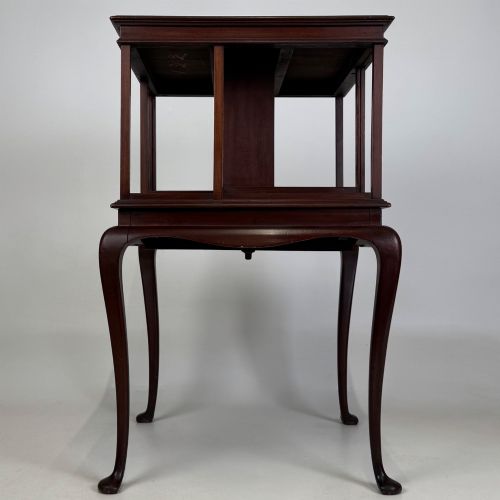
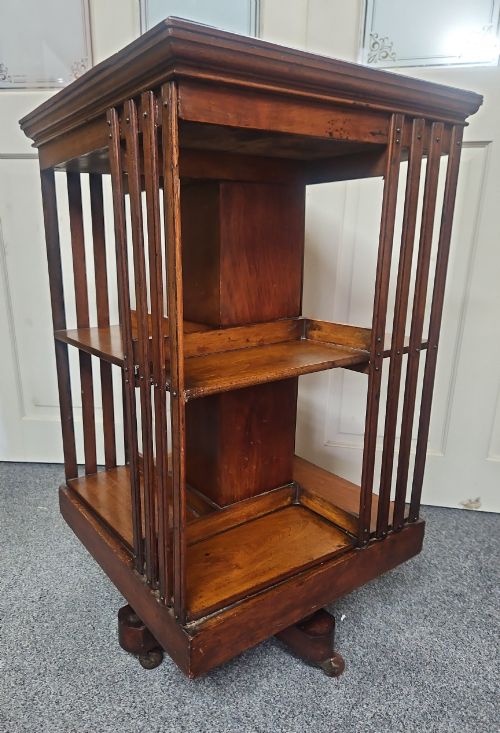
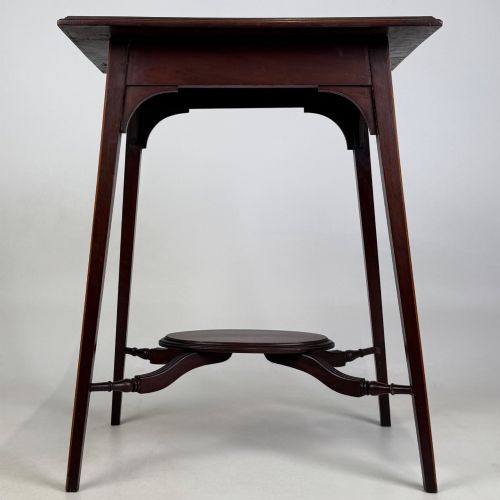
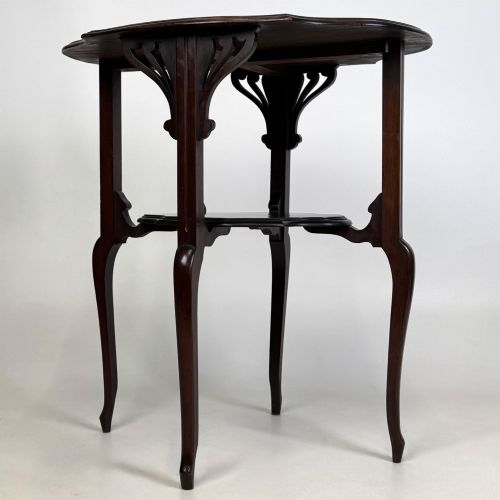
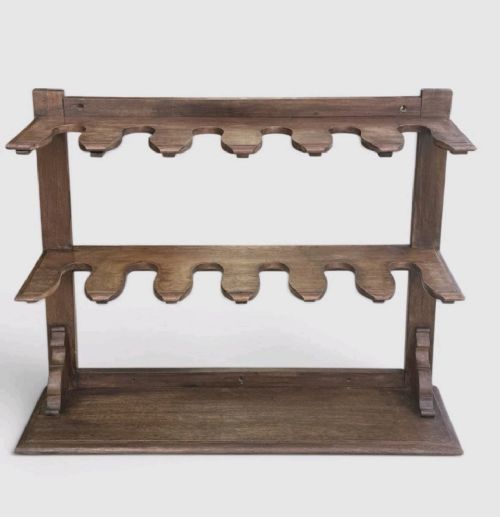
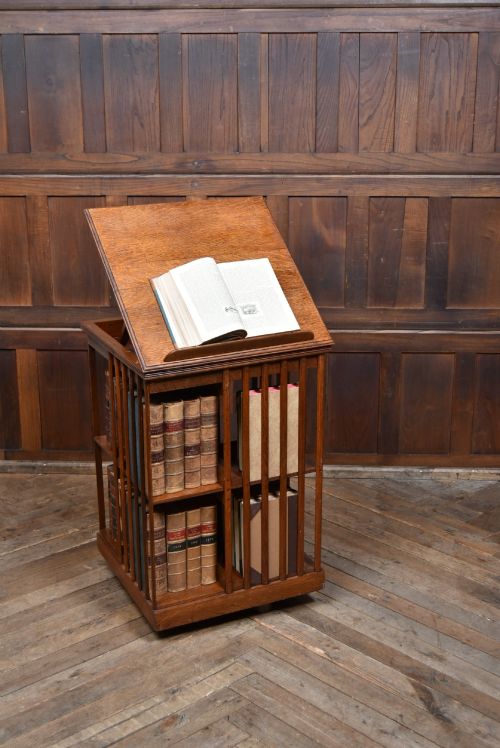
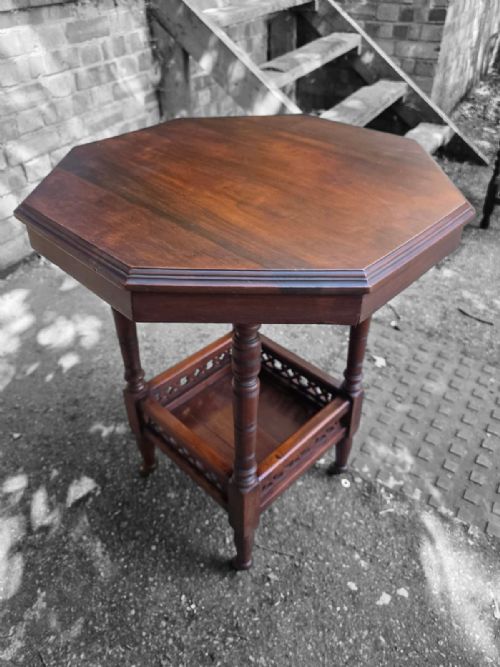
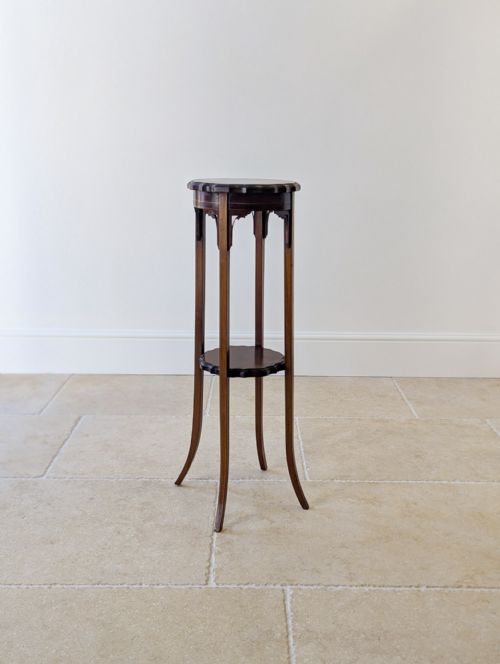
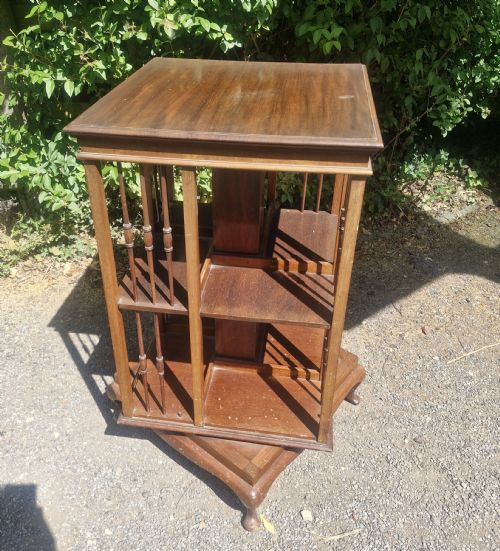
The form ranges from folding three-tier cake stands and revolving bookcases to plant stands, lamp tables, and etageres. While many examples follow straightforward Edwardian or Sheraton Revival designs, others incorporate Arts and Crafts or Queen Anne styles.
Buyers searching for this phrase will frequently encounter multi-tiered stands intended for tea, plants, or small ornaments. The selection draws on solid mahogany, flame mahogany, and veneered surfaces, often enhanced with contrasting stringing.
Materials and construction
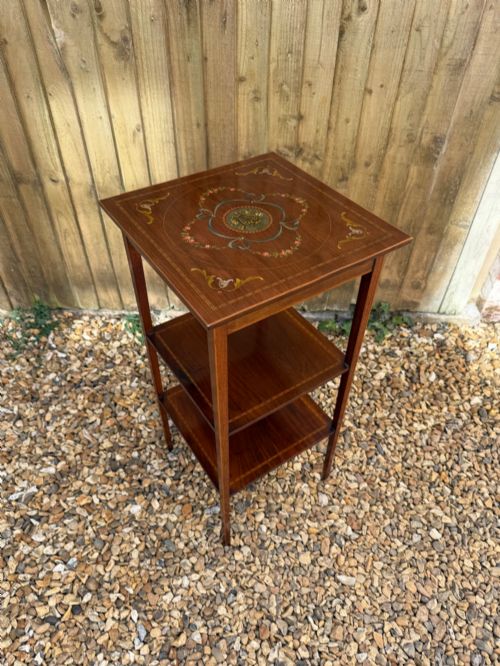
Cabinet makers utilised mahogany as the primary timber, sometimes selecting flame mahogany for figured grain on prominent surfaces. Contrasting details relied on satinwood and boxwood inlay.
Many tier stands incorporated brass fittings, castors, or cast iron elements to provide mobility and structural support. Folding mechanisms on cake stands required precise joinery to allow tiers to collapse smoothly.
Several stands double as impromptu book depositories, proving that afternoon tea furniture made an easy transition to literary storage.
Judging quality and craftsmanship
The refinement of the inlay distinguishes standard pieces from superior examples. Finely cut boxwood and satinwood stringing set into the mahogany shows deliberate craftsmanship.
Stability and the integrity of the tier joints determine the success of the piece. Well-balanced stands maintain rigidity across every level without wobble, particularly in folding or revolving formats.
The Edwardian Mahogany Tier Stand Glossary
- Mahogany
- A durable tropical hardwood prized for its reddish-brown colour and stability in furniture construction. It accepts polish well and serves as the primary timber for these stands.
- Inlay
- A decorative technique where contrasting woods such as satinwood or boxwood are embedded into the mahogany surface. This creates fine geometric lines or floral motifs.
- Tier stand
- Furniture constructed with multiple horizontal surfaces arranged vertically to hold items. Common formats include cake stands, plant pedestals, and occasional tables.
- Flame mahogany
- A veneer cut from the fork of the mahogany tree where the branches join the trunk. It produces a distinctive, fiery ripple pattern across table tops and shelves.
- Torchere
- A tall, slender stand designed to support a lamp, plant, or decorative object. Edwardian examples often feature multi-tier configurations.
Edwardian Mahogany Tier Stand: Frequently Asked Questions
How were tier stands used originally?
These stands served practical functions in Edwardian homes, holding afternoon tea cakes, potted plants, or small decorative items. Their multi-level design allowed households to display objects efficiently in limited space.
Folding versions were particularly useful for entertaining, as servants could easily pack them away when tea service concluded. Plant stands elevated greenery near windows to capture natural light.
How do I care for a mahogany stand?
Keep the timber away from direct sunlight and heat sources to prevent the mahogany and its inlay from drying out. Dust regularly with a soft, dry cloth and apply a quality beeswax occasionally to nourish the grain.
Avoid placing damp pots directly onto unshielded wooden tiers, especially on plant stands, to protect the polish from water rings.
Are these stands sturdy enough for daily use?
Most tier stands remain remarkably sturdy if handled with reasonable care. Folding cake stands rely on hinges that should be operated gently to avoid straining the wood joints.
Fixed-tier occasional tables and plant stands handle everyday placement of books or ornaments comfortably, provided weight is distributed evenly across the levels.
How can I tell an Edwardian stand from a Victorian one?
Edwardian pieces, made around 1901 to 1910, often feature lighter proportions and delicate satinwood or boxwood inlay reflecting Sheraton Revival influences. Victorian examples from the nineteenth century tend to be heavier and more robust in construction.
Design motifs also offer clues, with Edwardian makers favouring airier openwork and slender supports compared to denser Victorian turning.