


Edwardian Three Tier Stand
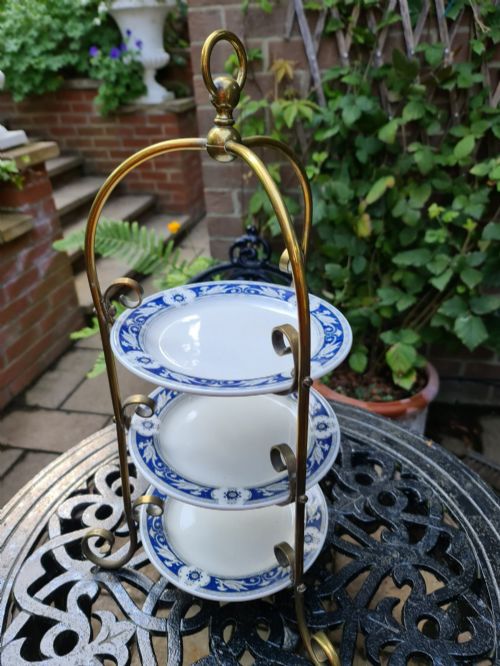
An edwardian three tier stand offers stepped display space for tea cakes and plants, bringing compact vertical utility to narrow corners.
Edwardian Three Tier Stand
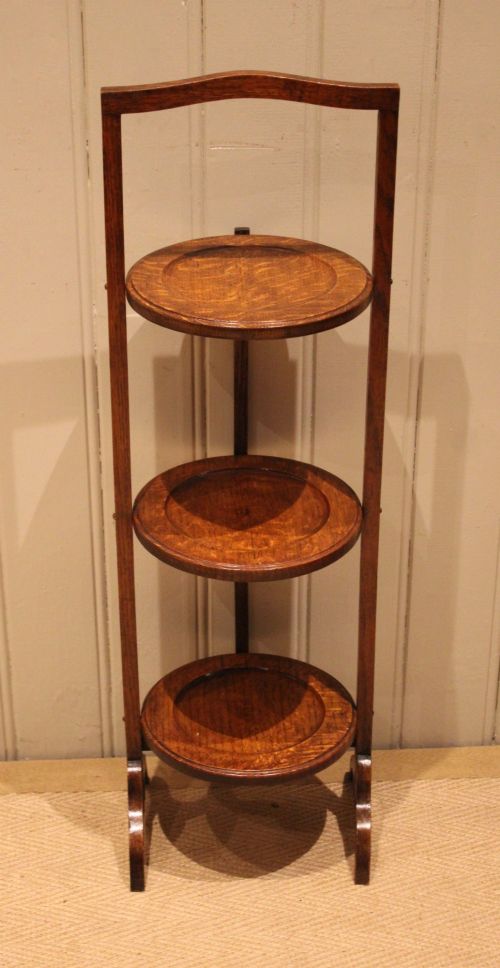
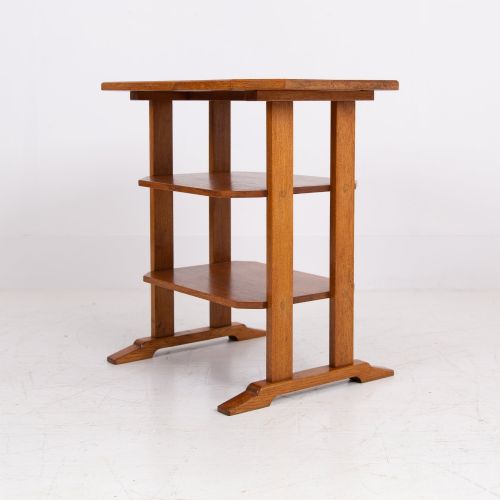
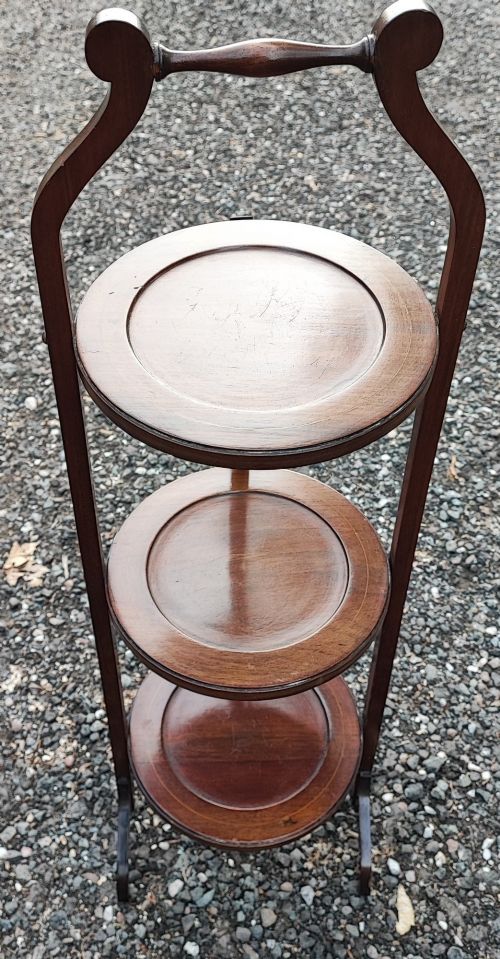
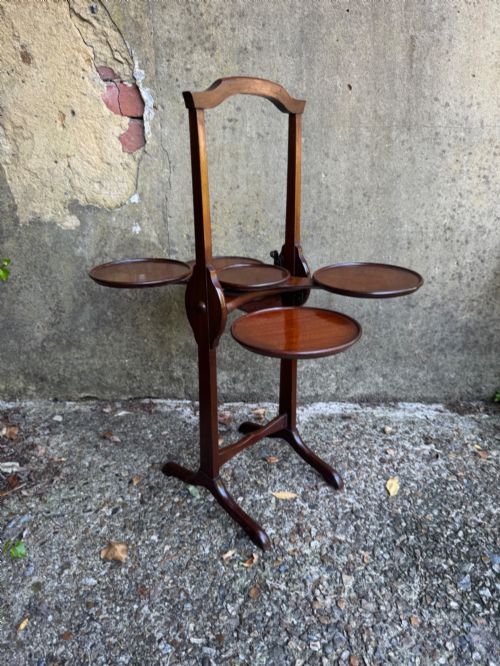
An edwardian three tier stand provides graduated tiers of wood or metal supported on uprights, designed originally for serving afternoon tea or displaying household plants. The form prioritises vertical height over floor space, making it a practical addition to smaller reception rooms.
You will most frequently meet mahogany and oak examples dating from the Edwardian period and the early twentieth century. Many fold flat for easy storage, reflecting the adaptable domestic requirements of the era.
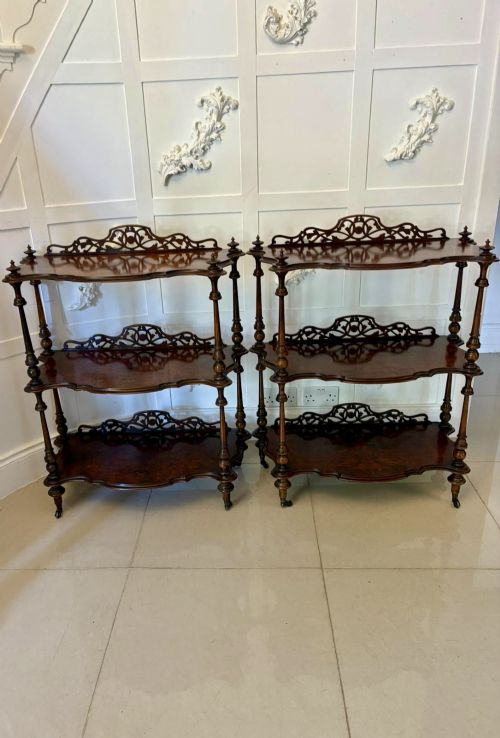
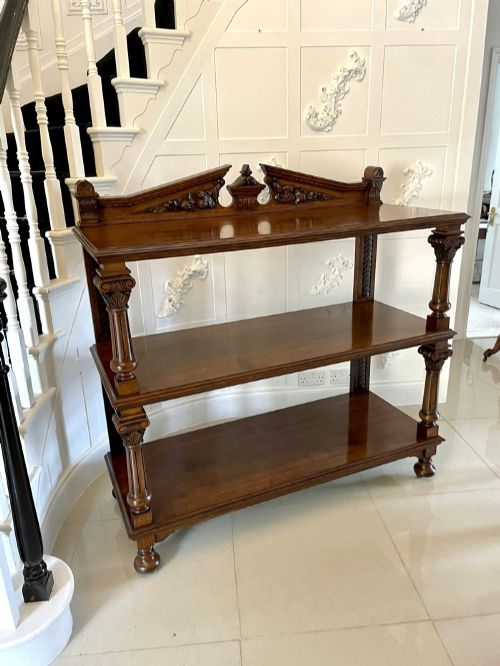
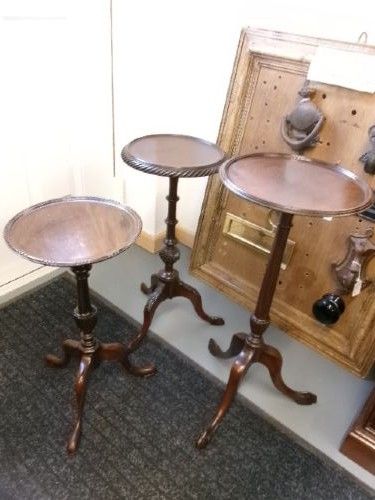
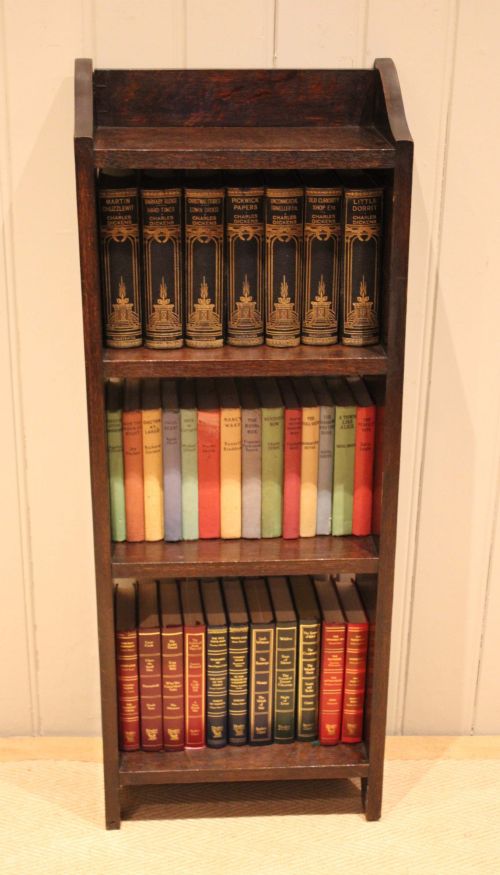
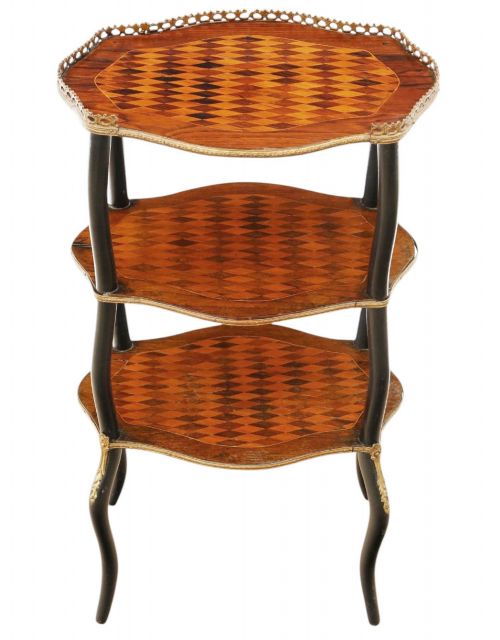
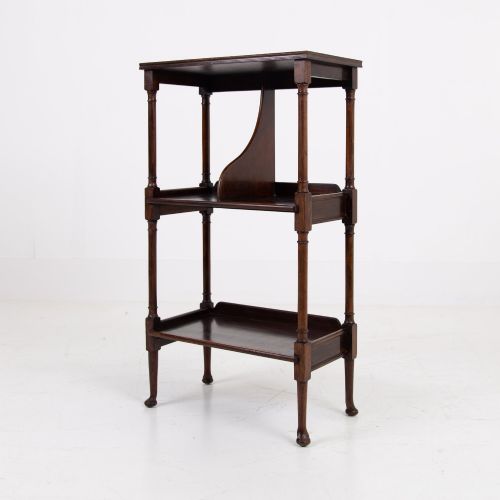
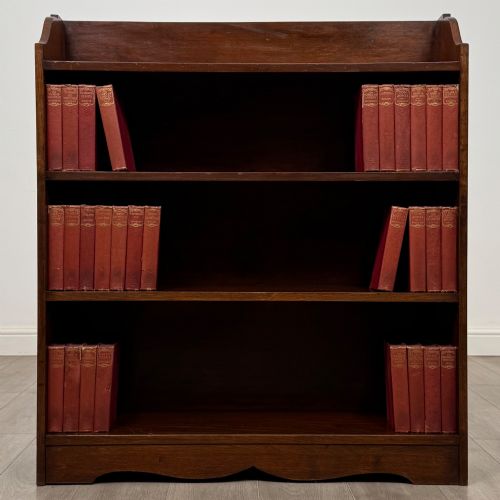
While cake stands dominate the evidence, related forms such as etagere tables and plant stands share the multi-tiered construction. These pieces offer flexible display surfaces for books or decorative items in a modern interior.
How they were made
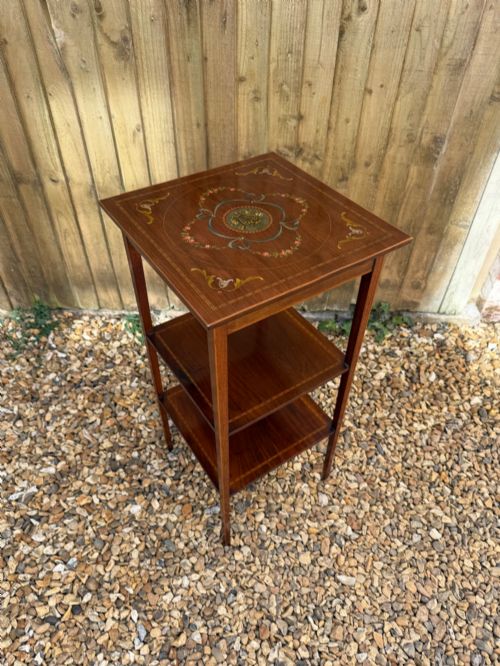
Cabinet makers utilised solid timbers and selected veneers, primarily mahogany and oak, alongside walnut and rosewood for finer decorative effect. Boxwood and satinwood inlay added contrasting linear detail to the tiers, while brass fittings provided hinges for folding models and castors for easy movement.
Construction relied on traditional joinery to secure the graduated shelves to folding scissor actions or fixed uprights. Turning and carving shaped the central columns and legs, while French polishing finished the wooden surfaces to a warm sheen.
Listings span the Victorian and Edwardian eras through to the 1920s, featuring mahogany, oak, walnut, and rosewood.
What varies in quality
The refinement of the timber selection and the crispness of any inlay or carved detail determine the standing of an edwardian three tier stand. Plain utility items contrast with examples featuring detailed boxwood stringing or figured mahogany veneers.
Structural stability and the smooth operation of folding mechanisms separate standard production from superior craftsmanship. Heavier gauge brass hinges and well-balanced tiers indicate a higher grade of manufacture from the workshop.
Samson And Son
The Edwardian Three Tier Stand Glossary
- Etagere
- A set of open shelves for displaying small objects. This French form provides multiple tiers supported by slender columns.
- Inlay
- A decorative technique where contrasting materials are inserted into depressions in the wood base. Boxwood and satinwood are typical examples seen on Edwardian pieces.
- Dumbwaiter
- A piece of furniture with multiple tiers used for serving food or holding plates. These items often feature circular revolving or stationary trays.
- Whatnot
- A piece of open shelving with three or more tiers used for ornaments and books. They appear in various woods including rosewood and walnut.
Edwardian Three Tier Stand: Frequently Asked Questions
What was an edwardian three tier stand used for?
These pieces served primarily to hold cakes and pastries during afternoon tea gatherings. The stepped shelves allowed hosts to present multiple dishes without crowding the main tea table.
Beyond tea service, households utilised the stands for displaying small potted plants or decorative ornaments. Their compact footprint made them suitable for corners and tight spaces.
Can I use an antique stand for daily serving?
You can place food directly on the wooden tiers if the surface polish is sound and clean. Many owners prefer to use small plates or linen doilies on each tier to protect the antique finish from moisture and grease.
For regular modern entertaining, they function well as portable dessert stations or drinks holders. Their sturdy construction handles normal household weight without difficulty.
How do I distinguish an Edwardian stand from a Victorian one?
Edwardian pieces tend to be lighter in build and brighter in tone, often featuring delicate boxwood inlay influenced by the Sheraton Revival style. Victorian stands typically employ heavier timbers like rosewood or walnut with deeper, darker finishes and more robust carving.
Construction details and wood choice provide the clearest clues to date. The presence of simpler geometric lines usually points towards the later Edwardian period or the 1920s.