

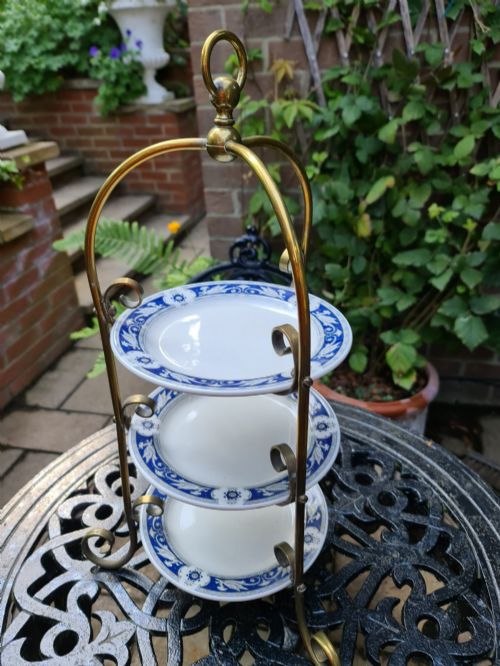
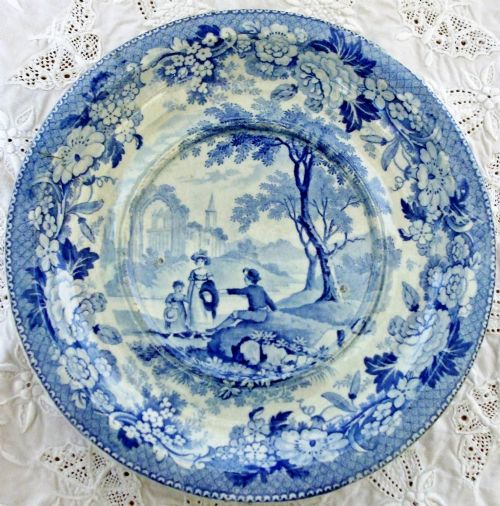


Blue and White Plate Stand
A blue and white plate stand raises your table display, bringing together crisp ceramics and sturdy oak or brass.
Blue and White Plate Stand
When you search for a blue and white plate stand, you enter a field of ceramic and wooden serving pieces designed to elevate tableware. These items range from earthenware tureen stands and transfer ware bread stands to compotes, cake stands, and plate racks.
The versions you are most likely to meet on this page hail from the Georgian, Victorian, and Edwardian eras. They take forms such as tazza, cheese dishes, and compotes decorated with scenes like the Castle pattern or Lanje Lijsen.
Makers such as Spode, Minton, Mason's Ironstone, and Zacharia Boyle appear in the records for these blue and white plate stand examples. Their utility spans from serving dishes to display racks, matching the aesthetic demands of British dining rooms across the nineteenth century.
How they were made
Potters shaped earthenware, ironstone, and pearlware by hand or mould before applying transfer printing in cobalt blue under a clear glaze. This technique allowed intricate designs such as Chinoiserie landscapes, castles, and pagodas to be repeated with precision.
Structural elements like plate racks and stands also utilise timbers such as oak alongside metals like brass and iron. Wood was joined and turned to support heavy ceramic platters and cheese dishes safely during daily use.
Blue and White Plate Stand Retail Price Guide 2026
Typical asking prices for blue and white plate stand among the pieces listed under this phrase on Sellingantiques today, from the lower quarter to the upper quarter. They describe what is for sale here now, not the wider market.
Listings feature ceramics from the nineteenth century alongside Edwardian and Georgian periods, utilising earthenware, pearlware, ironstone, oak, and brass.
What varies in quality
The clarity of the blue transfer print and the crispness of the ceramic moulding define the upper tier of these pieces. Potters like Spode and Minton achieved sharper detail and smoother glaze coverage than lesser workshops.
In wooden and metal components, quality rests in the soundness of the oak and the weight of the brass fittings. Stands that retain their original structural integrity without replacement parts command greater attention from collectors.
Zacharia Boyle·Spode·Minton·Mason
The Blue and White Plate Stand Glossary
- Transfer ware
- Pottery decorated by pressing a printed paper design from an engraved copper plate onto the unglazed or biscuit surface. This method revolutionised British ceramic decoration in the Georgian period.
- Ironstone
- A dense, durable type of earthenware patented in the nineteenth century by manufacturers like Mason's. It resists chipping far better than standard earthenware while accepting rich blue glazes.
- Tazza
- A small, broad shallow container mounted on a central foot or pedestal. These items served sweetmeats or displayed decorative ceramics on the dining table.
- Pearlware
- A refined form of earthenware developed by Josiah Wedgwood featuring a bluish-white glaze that pooled in recesses. It bridges the gap between creamware and true porcelain in the nineteenth century.
- Compote
- A raised vessel used for serving fruit, compotes, or small cakes during dessert courses. They sit upon a pedestal base to create height on the table.
Blue and White Plate Stand: Frequently Asked Questions
What is a blue and white plate stand used for?
These pieces served multiple functions in nineteenth-century dining, from holding heavy soup tureens and sauce boats to displaying cakes, cheese dishes, and compotes.
They elevated specific dishes above the main table surface, protecting tablecloths and creating an organised arrangement during multi-course meals.
How do I date a Georgian blue and white stand?
Dating relies on examining the ceramic body type, such as pearlware versus later ironstone, alongside the style of the transfer print and factory marks stamped underneath.
Georgian examples from around eighteen hundred often feature specific Chinoiserie or topographical motifs tied to known potteries like Spode.
Can I use these stands for food today?
Most antique earthenware and ironstone stands are safe for dry foods or presentation, though historic glazes may react to prolonged contact with acidic items.
Gentle hand washing protects both the ceramic body and the nineteenth-century blue transfer printing from modern dishwasher detergents.
What is the difference between a tureen stand and a cake stand?
A tureen stand is generally a flat or slightly recessed platter designed to catch drips and anchor a large soup or sauce vessel.
A cake stand or compote incorporates a raised pedestal foot specifically intended to showcase baked goods or fruit at table height.