
Dark Wood Secretaire Desk
A dark wood secretaire desk is a versatile writing piece combining concealed drawers with a drop-front surface, offering both display space and a private workspace.
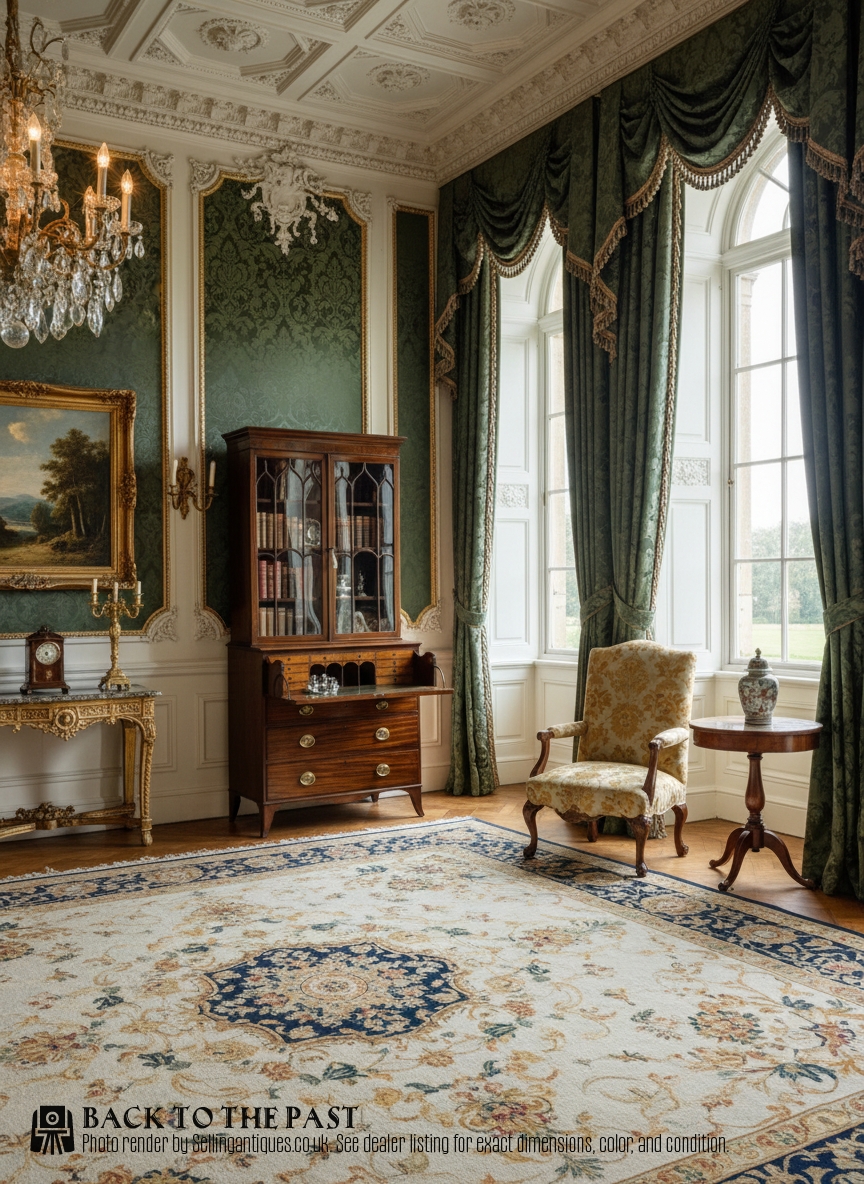
Dark Wood Secretaire Desk
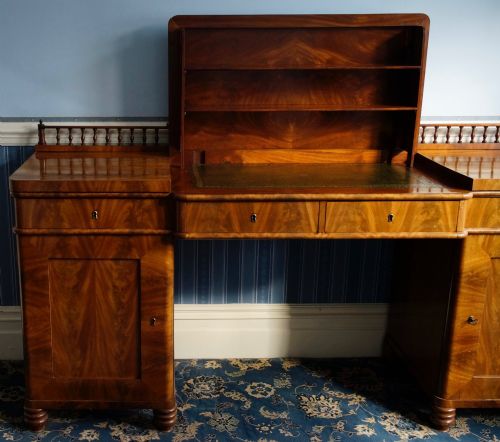
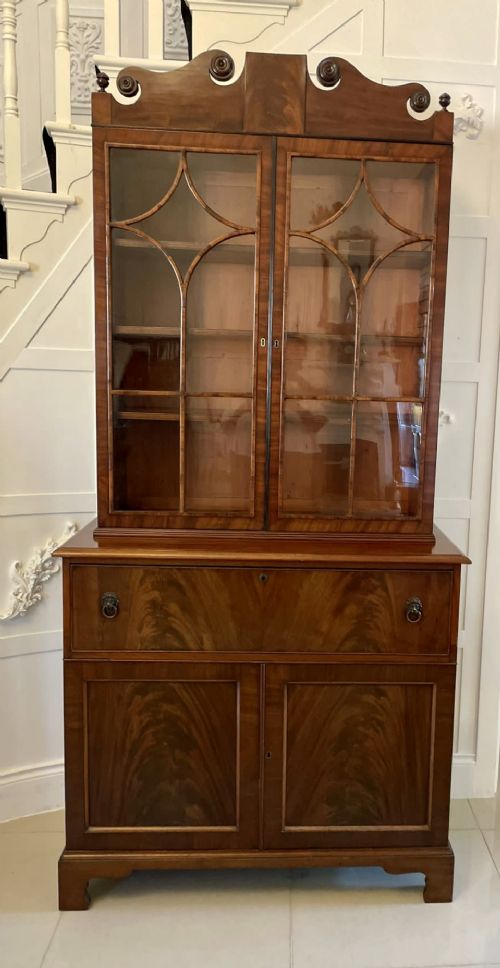
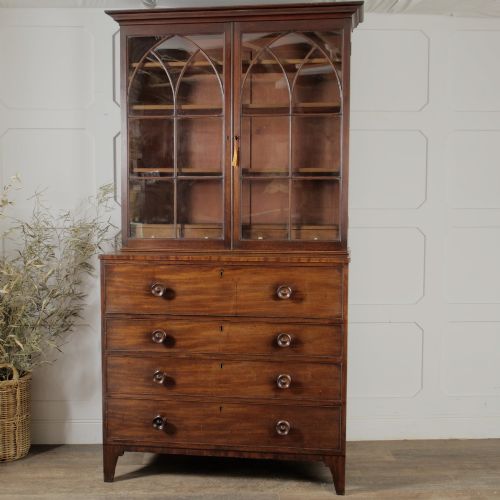
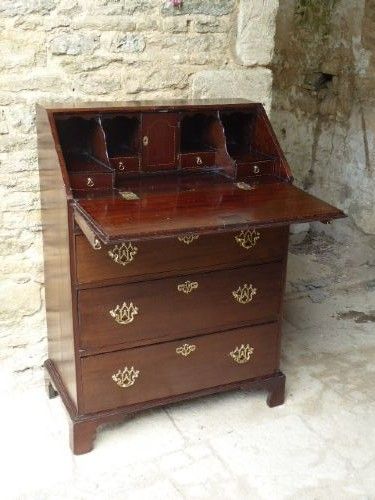
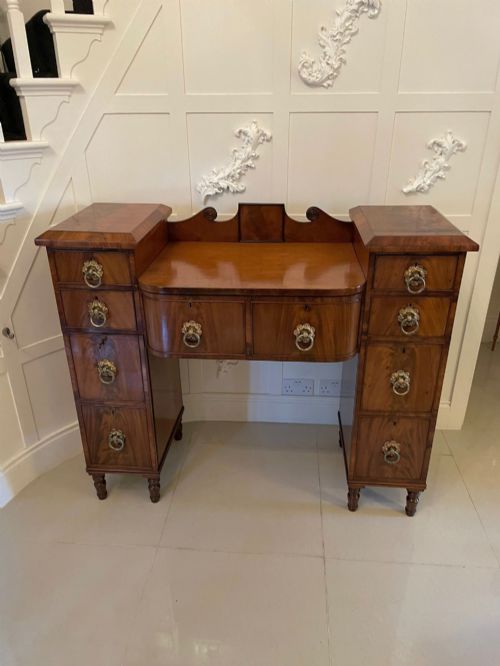
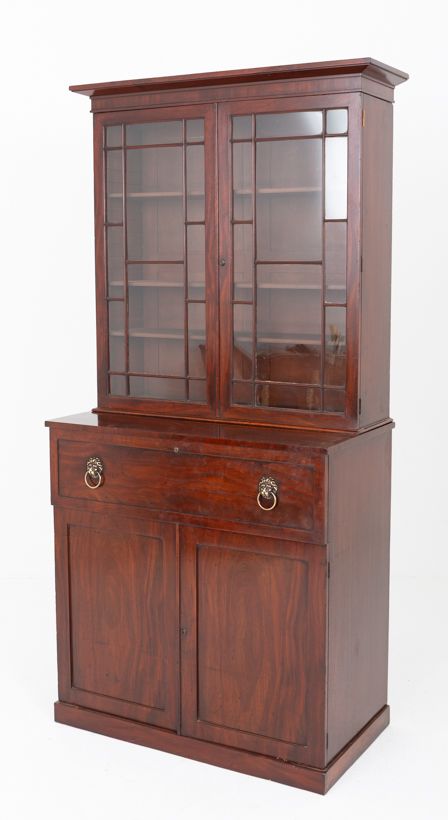
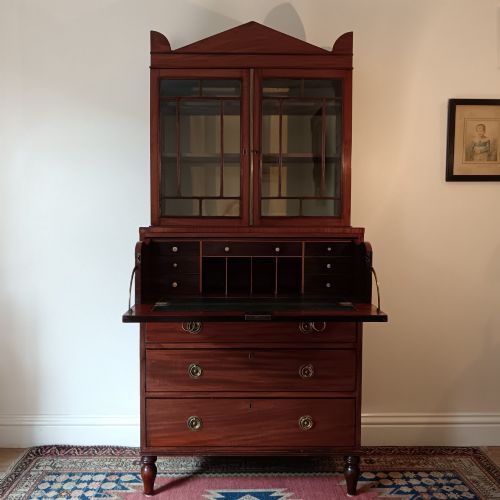
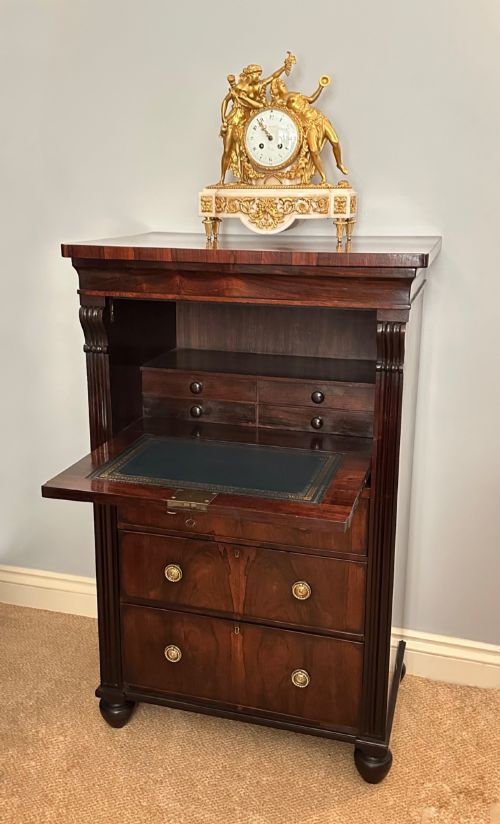
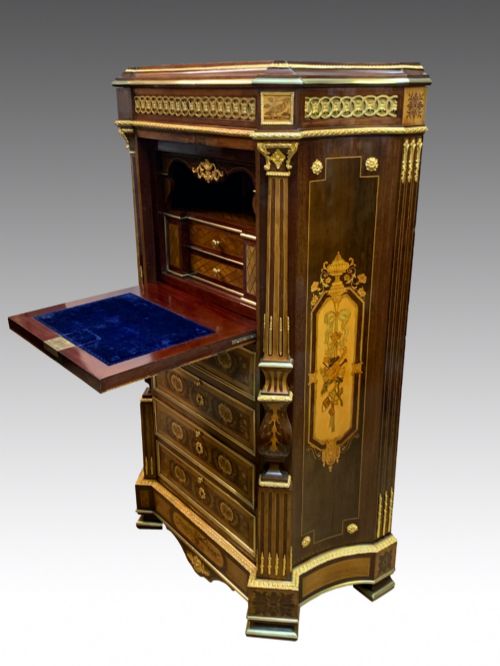
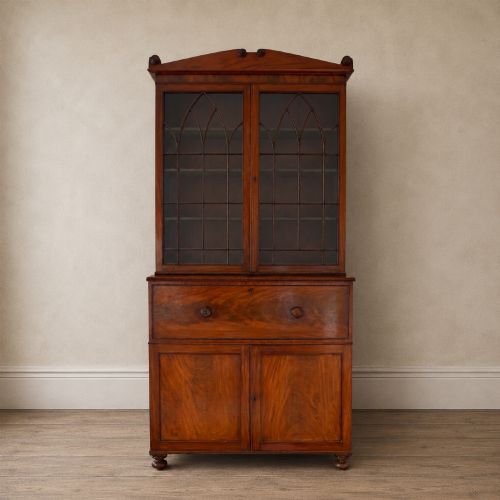
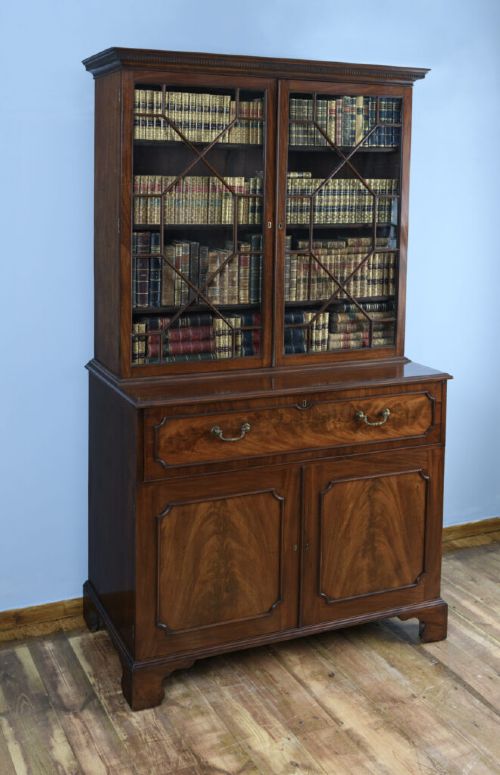
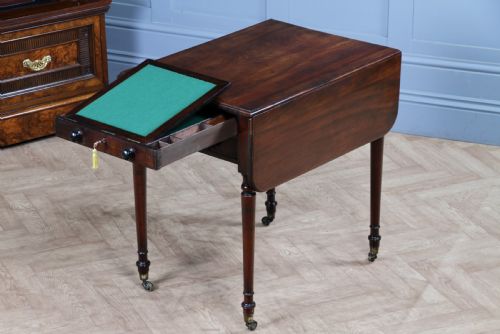
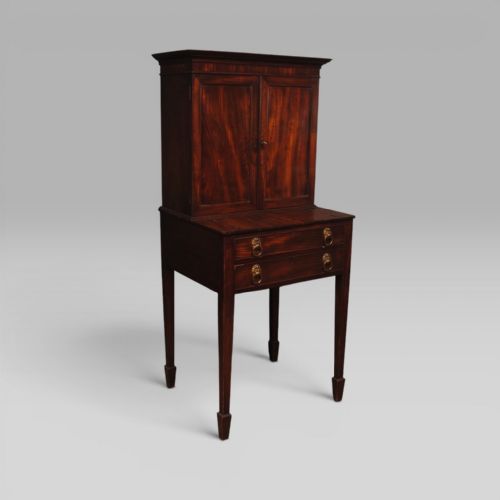
A dark wood secretaire desk encompasses tall bookcases, chest forms, and cabinets designed for writing and storage. Pieces typically integrate a fitted drop-front drawer that opens to reveal compartments and small pigeonholes.
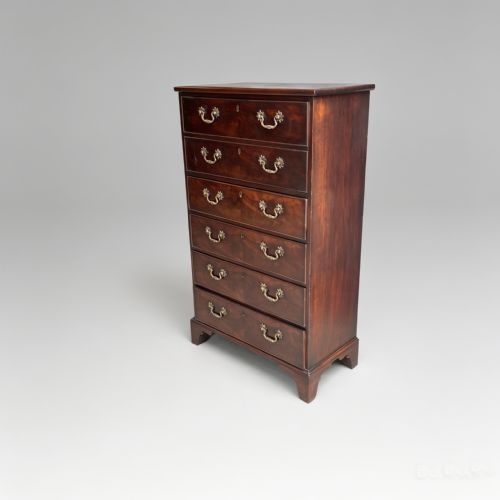
The selections span from the 17th century through the Victorian era, with Georgian and Regency examples appearing frequently. Forms range from compact sideboards and work tables to grand glazed bookcases and tallboys.
Makers and regional workshops utilised rich timbers to create functional furniture for the library and study. These forms allow a buyer to select between tall vertical storage units and lower writing cabinets.
Materials and construction
Cabinet makers constructed these pieces primarily using solid timbers and veneers such as mahogany, rosewood, walnut, padauk, and oak. These dark woods provided a stable substrate for structural frames and decorative figuration.
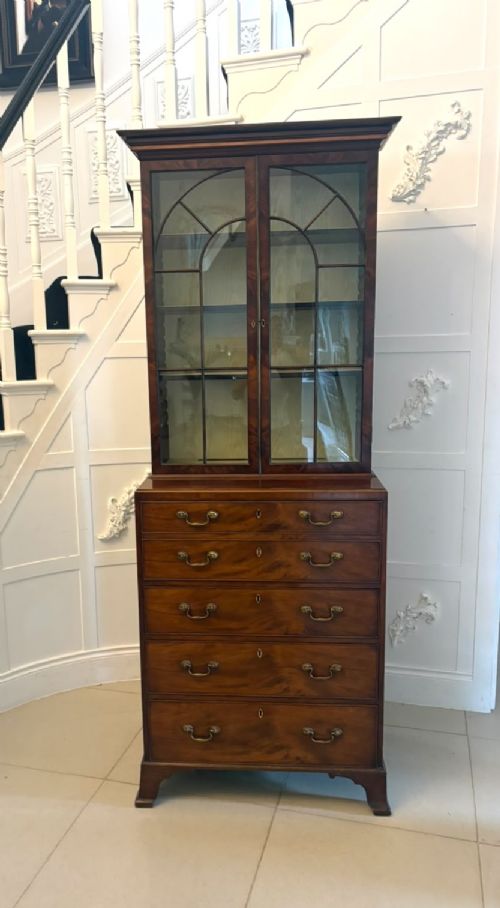
Hardware details incorporated brass for handles, escutcheons, and inlaid accents, while writing surfaces often utilised leather or baize inserts. Upper display sections frequently integrated glazed doors with wooden framing bars.
Internal compartments required precise joinery to house small drawers and hidden compartments within the drop-front writing drawer. Secondary woods were selected to line interior drawer boxes and structural framing.
Some miniature secretaire cabinets served as apprentice pieces to demonstrate mastery before admission to a guild.
Quality differences
Gradations in quality depend upon the selection of timber grain, the precision of cabinet joinery, and the integrity of internal fittings. Higher tier examples demonstrate carefully matched veneers and sophisticated interior pigeonhole arrangements.
The execution of decorative elements, including brass inlay, marquetry, and astragal glazing bars, distinguishes standard production from finer workshop output. Original hardware and matching secondary timbers also elevate the standing of a piece.
George Oakley·Maison Krieger·Gillows
The Dark Wood Secretaire Desk Glossary
- Secretaire
- A desk or cabinet featuring a pull-out or drop-front drawer that serves as a writing surface. It conceals an interior fitted with small drawers and pigeonholes.
- Astragal
- A moulding profile used to hold panes of glass in doors. These narrow wooden strips divide glazed cabinet doors into distinct geometric lights.
- Marquetry
- The art of applying pieces of veneer to a structure to form decorative patterns and pictures. Craftsmen cut contrasting woods to create pictorial or floral designs.
- Tallboy
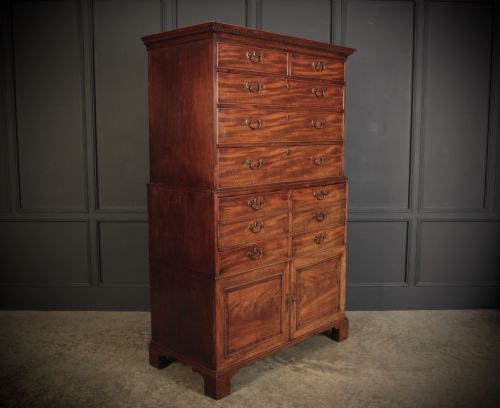
- A tall chest of drawers consisting of one chest stacked on top of another. In secretaire variants, one of the primary chest drawers drops down for writing.
- Wellington chest
- A tall, narrow chest of drawers secured by a hinged vertical locking bar on one side. This locking stile fastens with a key to secure all drawers simultaneously.
Dark Wood Secretaire Desk: Frequently Asked Questions
What is a secretaire desk?
A secretaire desk is a multifunctional piece of furniture that incorporates a dedicated writing drawer with a hinged front. When opened, this drop-front reveals an inner arrangement of small compartments and drawers.
Such designs allowed owners to write letters and store documents securely while keeping the main body of the cabinet tidy.
How do I identify a Georgian desk?
Georgian examples are identified by their proportion, use of solid mahogany or walnut, and traditional joinery methods. They often feature classical architectural proportions with minimal yet refined decorative carving.
Interior fittings in these pieces typically include hand-cut dovetail joints on secondary timbers like oak or pine.
Were these desks used for writing?
These desks served as primary workstations for correspondence, accounting, and record keeping in private homes and libraries. The enclosed writing drawer kept sensitive documents out of sight when not in use.
Upper sections often housed books behind glass doors, combining a personal library with a writing station.
How do I maintain wood finishes?
Maintenance involves keeping the timber away from direct heat sources and sudden humidity fluctuations to prevent warping. Regular application of appropriate wax polish helps preserve the natural sheen of the dark wood.
Avoid using harsh chemical cleaners on antique surfaces to protect the original patina and finish.