

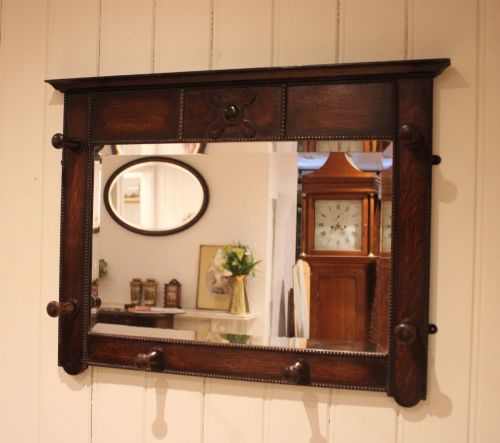


Dark Wood Hall Mirror
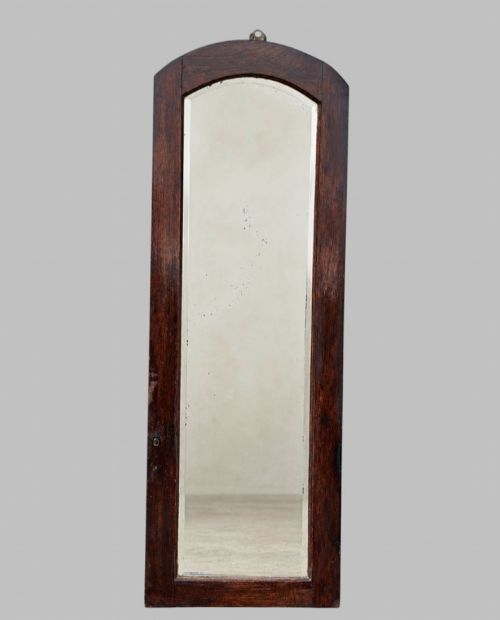
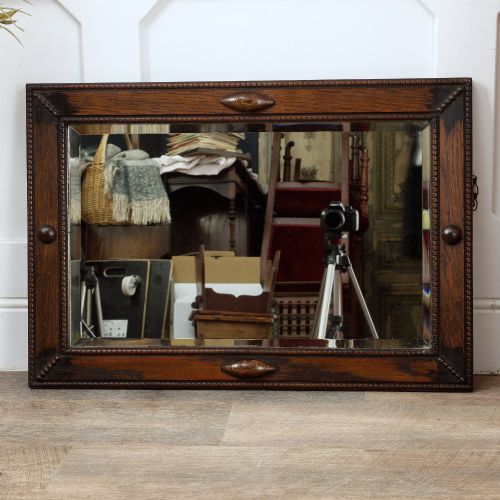
A dark wood hall mirror brings depth and proportion to an entryway, combining reflective glass with robust timber frames designed for daily use.
Dark Wood Hall Mirror
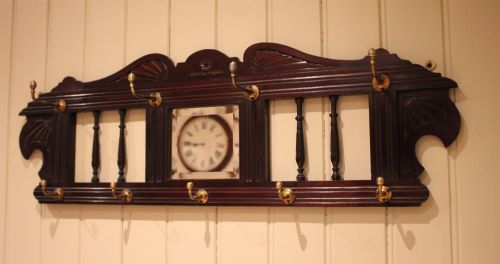
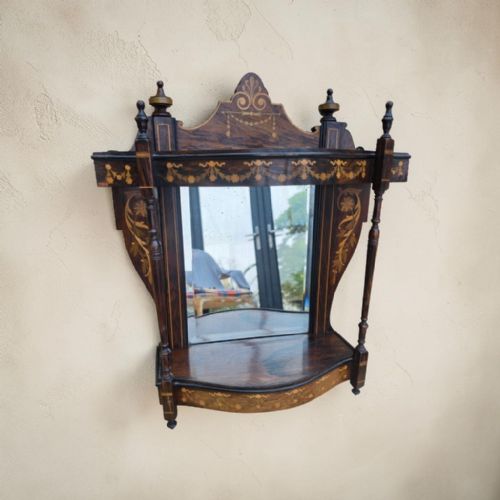
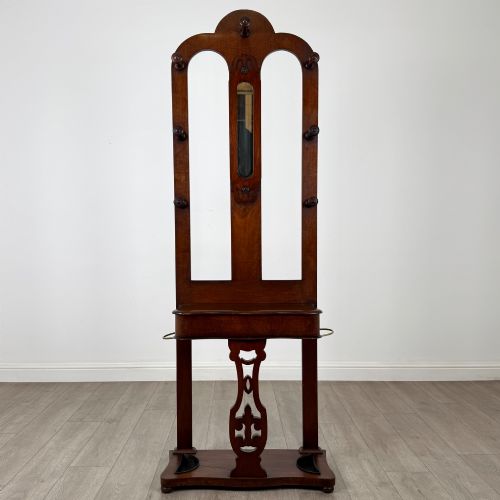
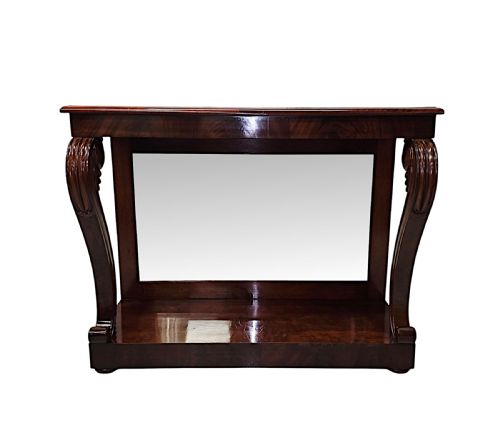
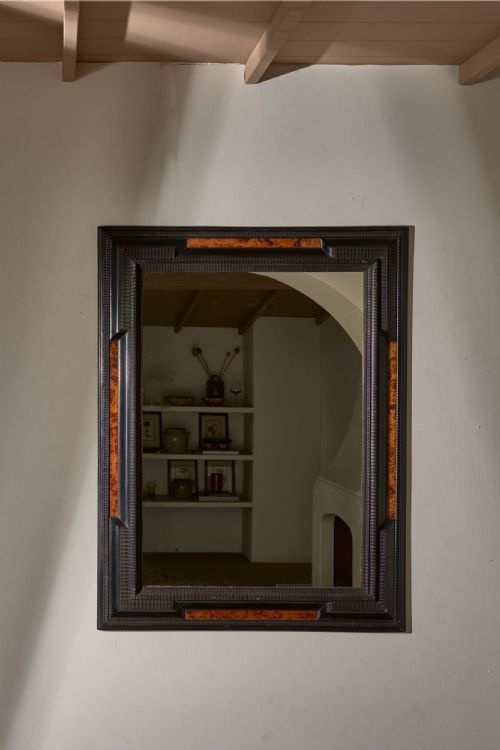
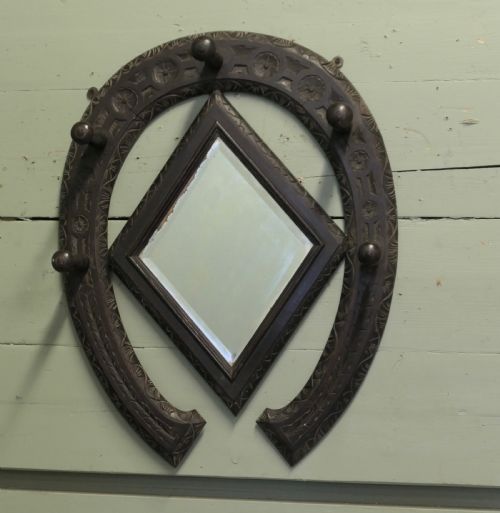
A dark wood hall mirror forms a practical and decorative centrepiece in domestic entryways, combining timber frames with glass plates. These pieces often incorporate functional elements such as coat hooks, shelves, or umbrella stands, serving the practical demands of a hallway.
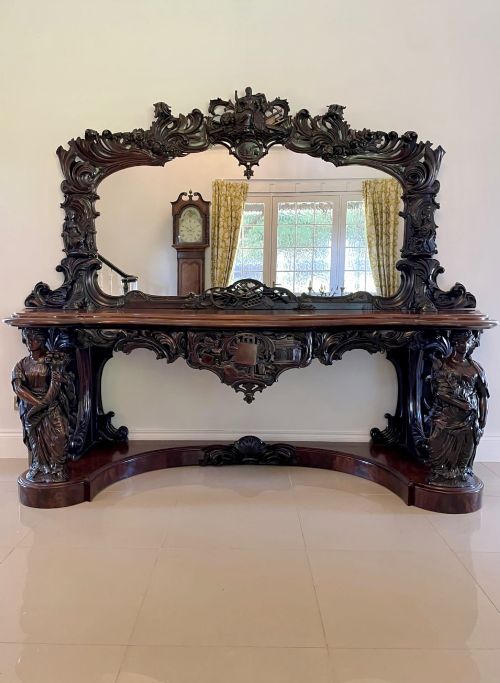
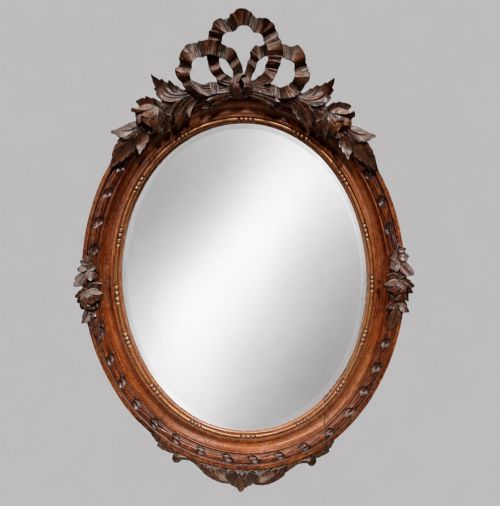
Buyers searching for a dark wood hall mirror frequently encounter wall-mounted plates, console combinations, and substantial hall stands dating from the Victorian and Edwardian eras. Mahogany and oak dominate the available forms, reflecting the preference for durable timbers in nineteenth and early twentieth-century hallways.
The selection ranges from simple architectural oak frames to elaborately carved mahogany structures with integrated brass hooks and marble shelves. Pieces span stylistic revivals including Gothic, Regency, and Chippendale interpretations alongside straightforward utilitarian designs.
Materials and construction
Cabinet makers utilised dense hardwoods like mahogany, oak, and walnut, selecting timber for strength and deep natural grain colour. These woods were often hand-carved, fret-cut, or polished to achieve a durable surface capable of withstanding heavy daily use.
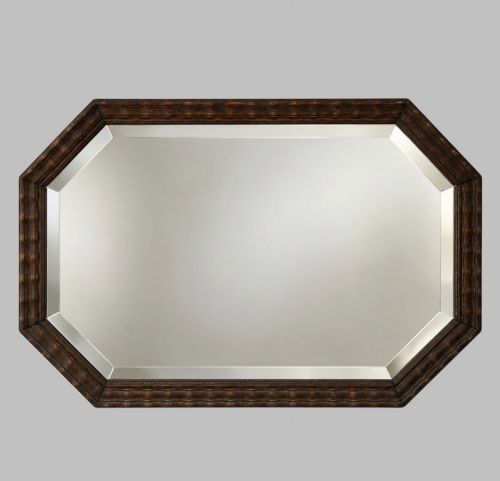
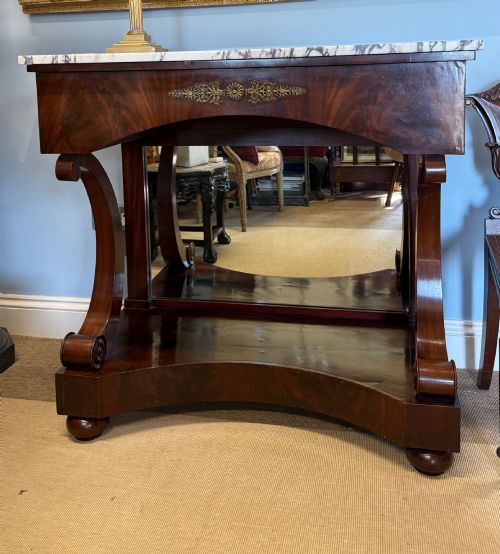
Glass plates were bevelled by hand or set flat within mortise and tenon joints, whilst brass and iron fixtures were screwed directly into the timber to support hanging items. Marble inserts appeared on larger console tables and hall stands, providing a solid, waterproof surface for everyday objects.
Dark Wood Hall Mirror Retail Price Guide 2026
Typical asking prices for dark wood hall mirror among the pieces listed under this phrase on Sellingantiques today, from the lower quarter to the upper quarter. They describe what is for sale here now, not the wider market.
Materials documented across the inventory include marble inserts, brass hooks, and bevelled glass plates.
Evaluating standard and craftsmanship
Quality rests in the selection of the timber grain and the precision of the joinery, distinguishing heavy, stable frames from simpler constructions. Crisp carving and well-proportioned mouldings indicate skilled handwork rather than mass production.
The integrity of the original glass plate and the originality of the brass hooks or marble inserts determine the overall standard of a piece. Finer examples maintain their original backboards, secure fixings, and unblemished silvering on the mirror glass.
Waring & Gillow·Gillingtons of Dublin
The Dark Wood Hall Mirror Glossary
- Bevelled glass
- Glass with an angled edge ground down to a thinner border, catching the light and adding depth to the reflection.
- Console table
- A table fixed against a wall, often paired with a wall-mounted mirror or featuring an attached mirror back.
- Fretwork
- Ornamental design created by cutting patterns through thin wood, common in Edwardian and Georgian revival wall frames.
- Pier table
- A table designed to stand against the wall between two windows, frequently surmounted by a tall mirror.
- Hall stand
- A composite hallway furnishing incorporating a mirror, timber panel back, coat hooks, glove box, and umbrella wells.
Dark Wood Hall Mirror: Frequently Asked Questions
How do I hang a heavy hall mirror?
Heavy timber frames require secure fixing directly into wall studs or masonry using appropriate steel brackets and heavy-duty wall plugs.
Avoid relying on single picture wire for large mirrors that incorporate shelves or brass coat hooks.
Where should I position a hall mirror?
Mount the glass at a height that allows family members and visitors to check their appearance before leaving the house.
Positioning the frame opposite a light source or doorway maximises natural illumination in narrow hallways.
How do I care for antique wood and glass?
Clean the wooden frame with a soft, dry cloth and apply natural beeswax sparingly to nourish the polished surface.
Use standard glass cleaner applied to a cloth rather than the glass directly to prevent moisture seeping behind the silvered plate.
How do I identify a Victorian hall stand?
Victorian examples typically feature dark mahogany or oak construction with heavy carved mouldings, numerous brass hooks, and often an integrated marble shelf or stick stand.
Look for robust timber backboards designed to bear the weight of heavy winter coats and hats.