


Dark Wood End Table
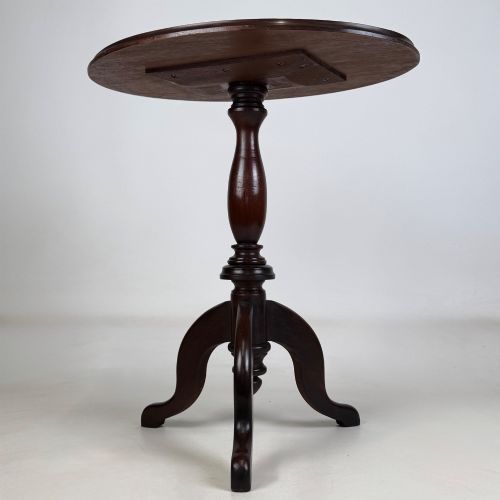
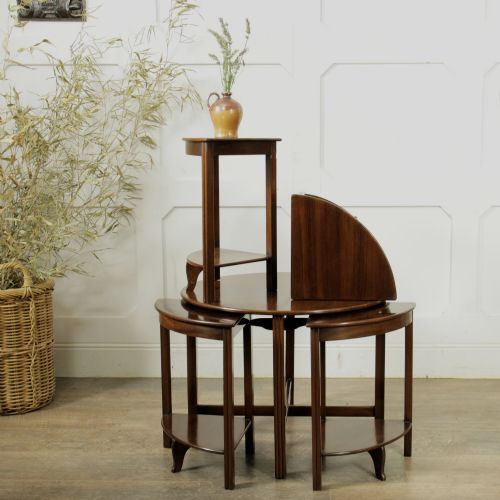
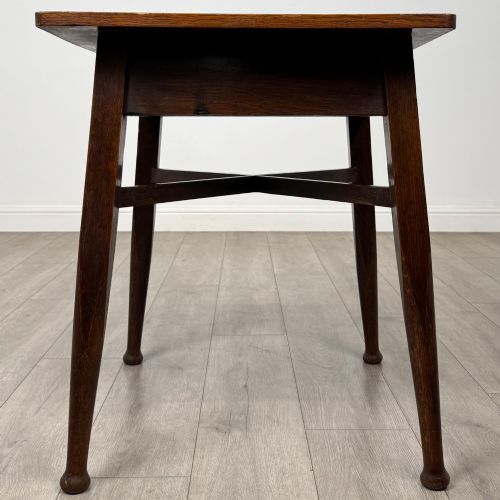
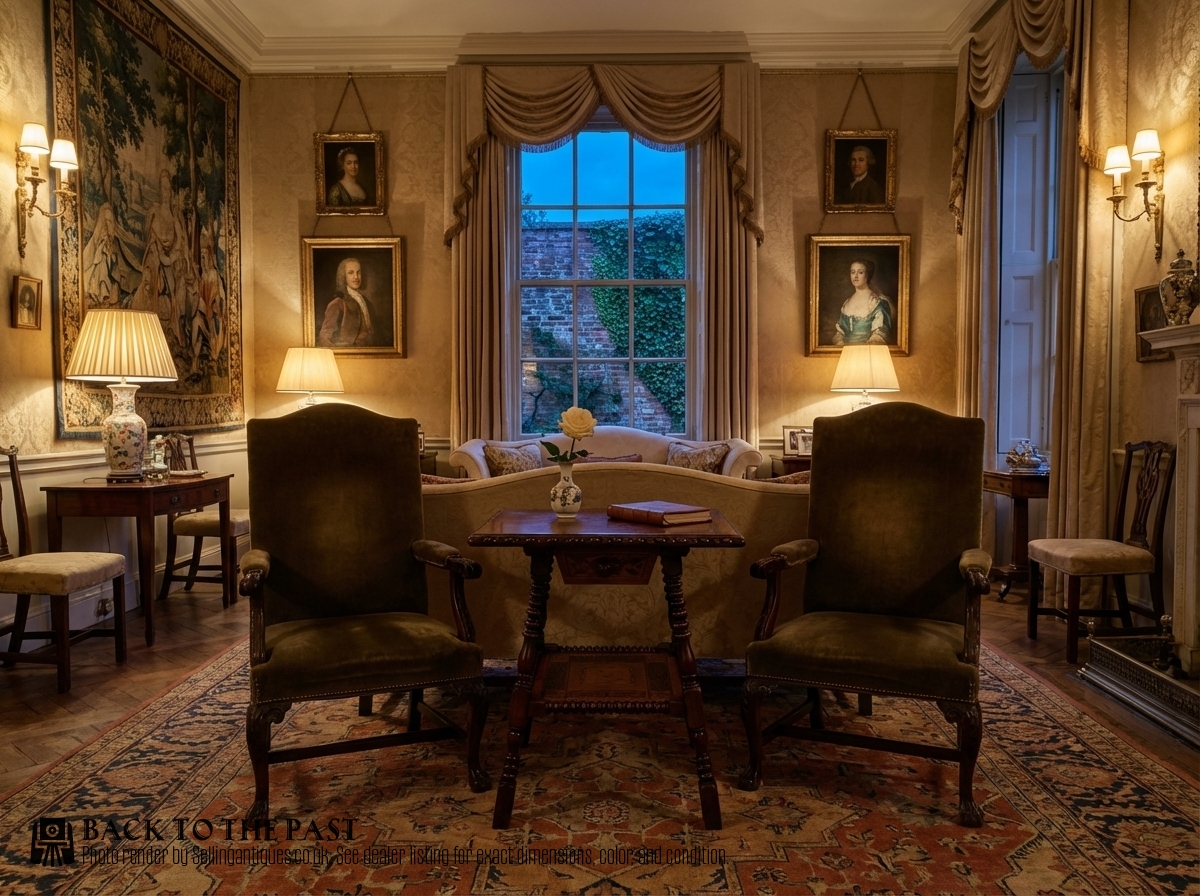
A dark wood end table brings utility and rich timber tones beside a chair, holding a lamp or book.
Dark Wood End Table
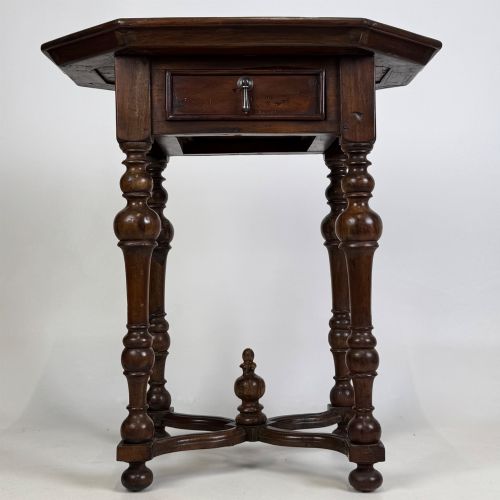
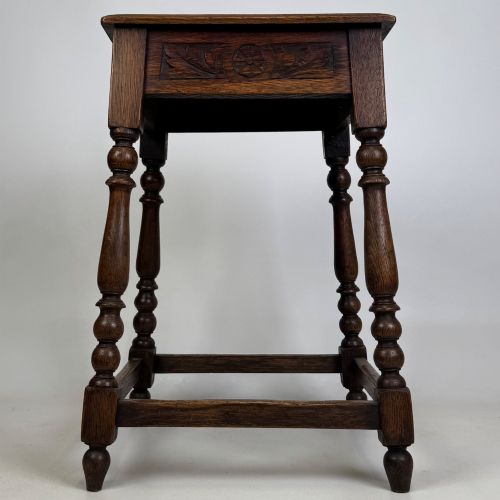
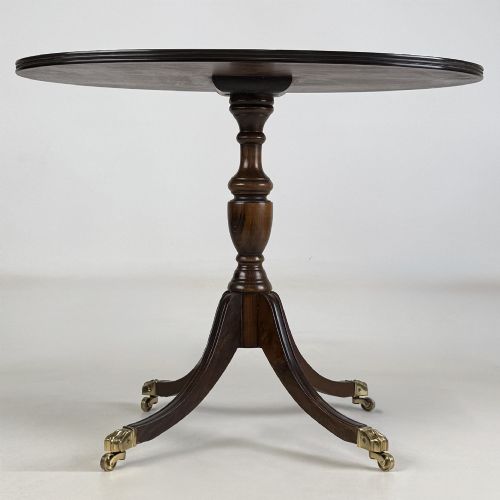
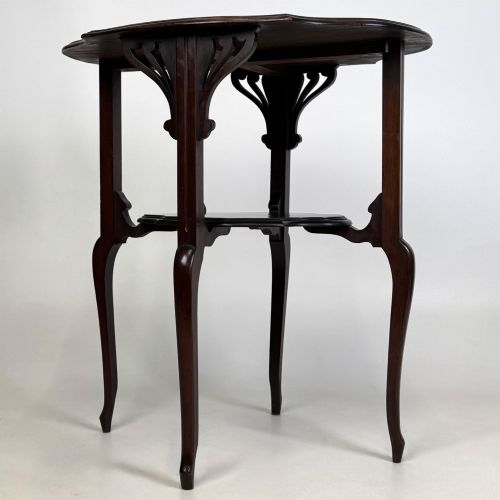
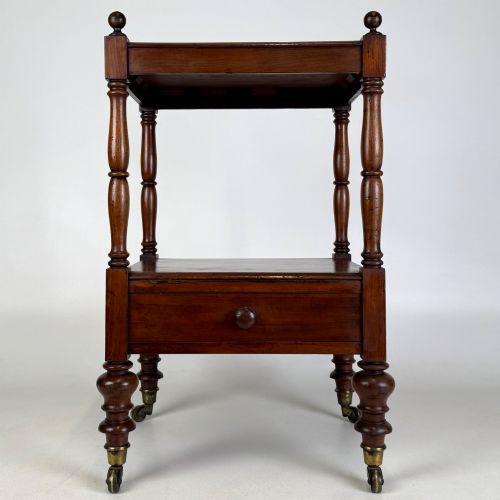
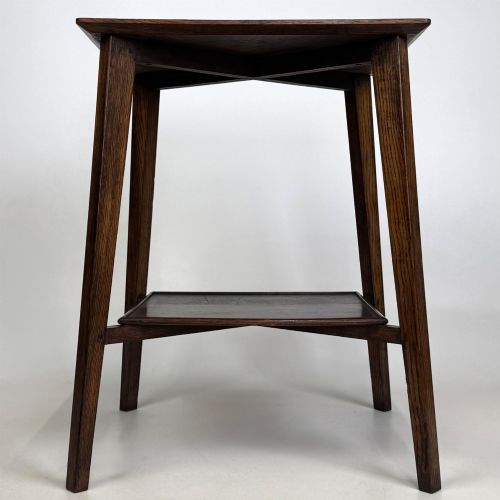
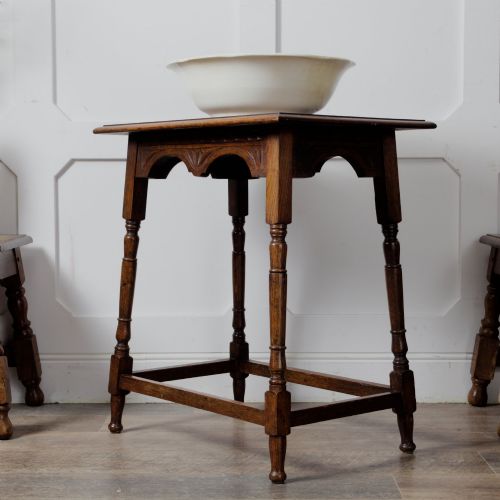
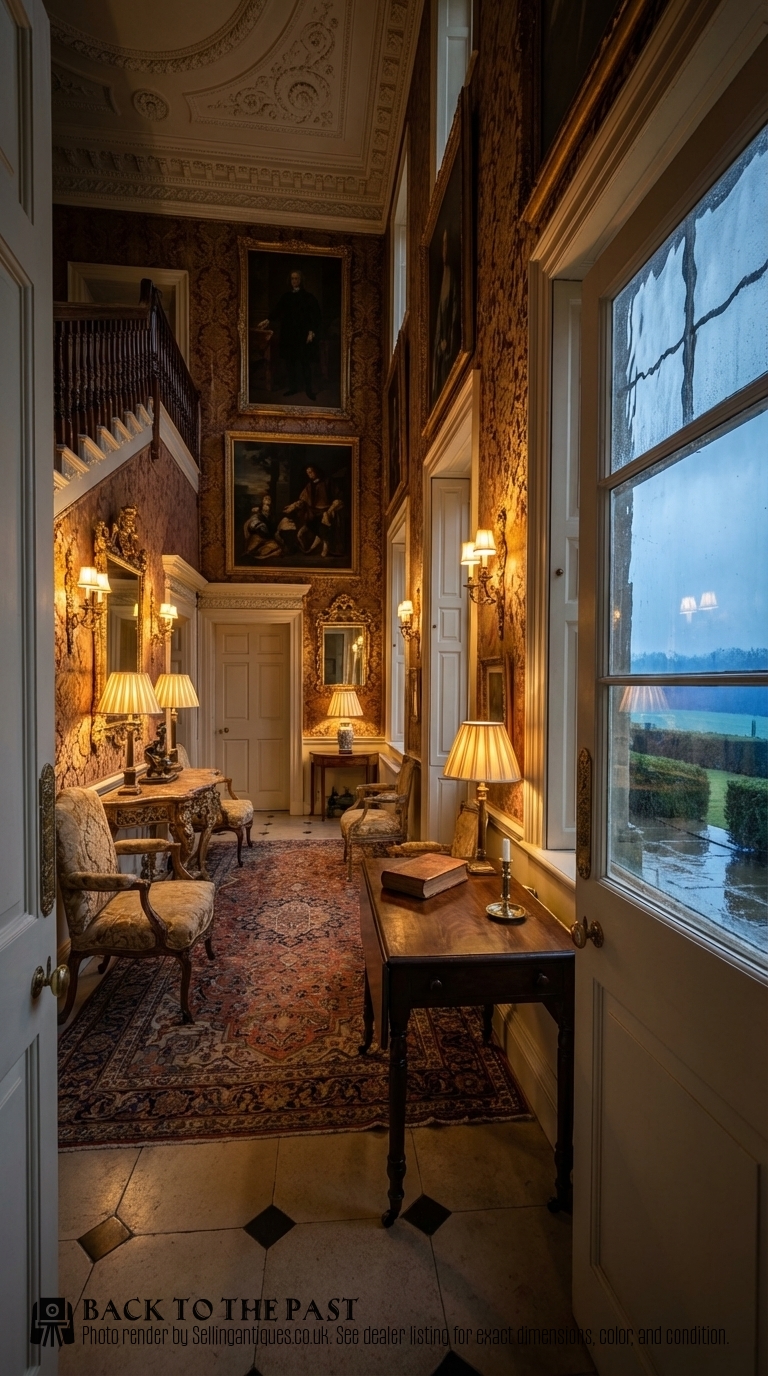
A dark wood end table serves as a compact surface for lamps and daily items beside seating or beds in a room. Buyers searching for a dark wood end table encounter a diverse selection spanning centuries, from modest Edwardian oak examples to refined Georgian mahogany designs.
The assortment relies heavily on pieces originating from the Edwardian era and the nineteenth century, constructed primarily as side tables, lamp tables, or nests of tables. These functional forms suit modern domestic spaces while retaining traditional timber character.
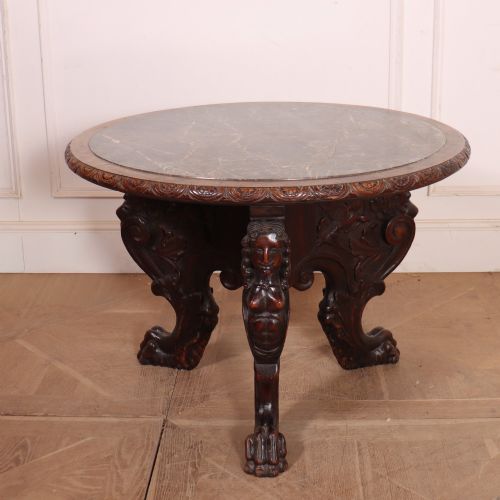
Makers utilised dense hardwoods such as mahogany, oak, and walnut, often shaping them into circular, oval, or rectangular formats. Regional variations bring in materials like brass inlay or marble tops, expanding the visual range within the category.
Construction and Materials
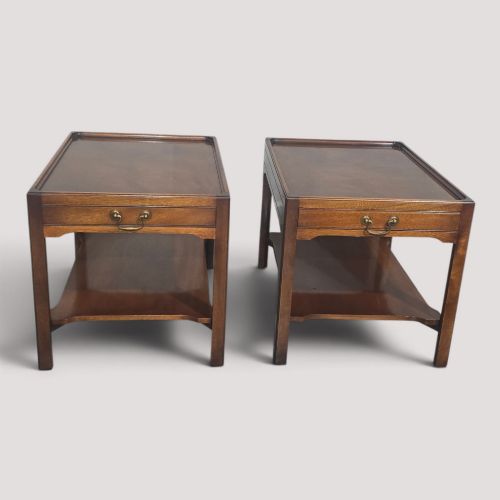
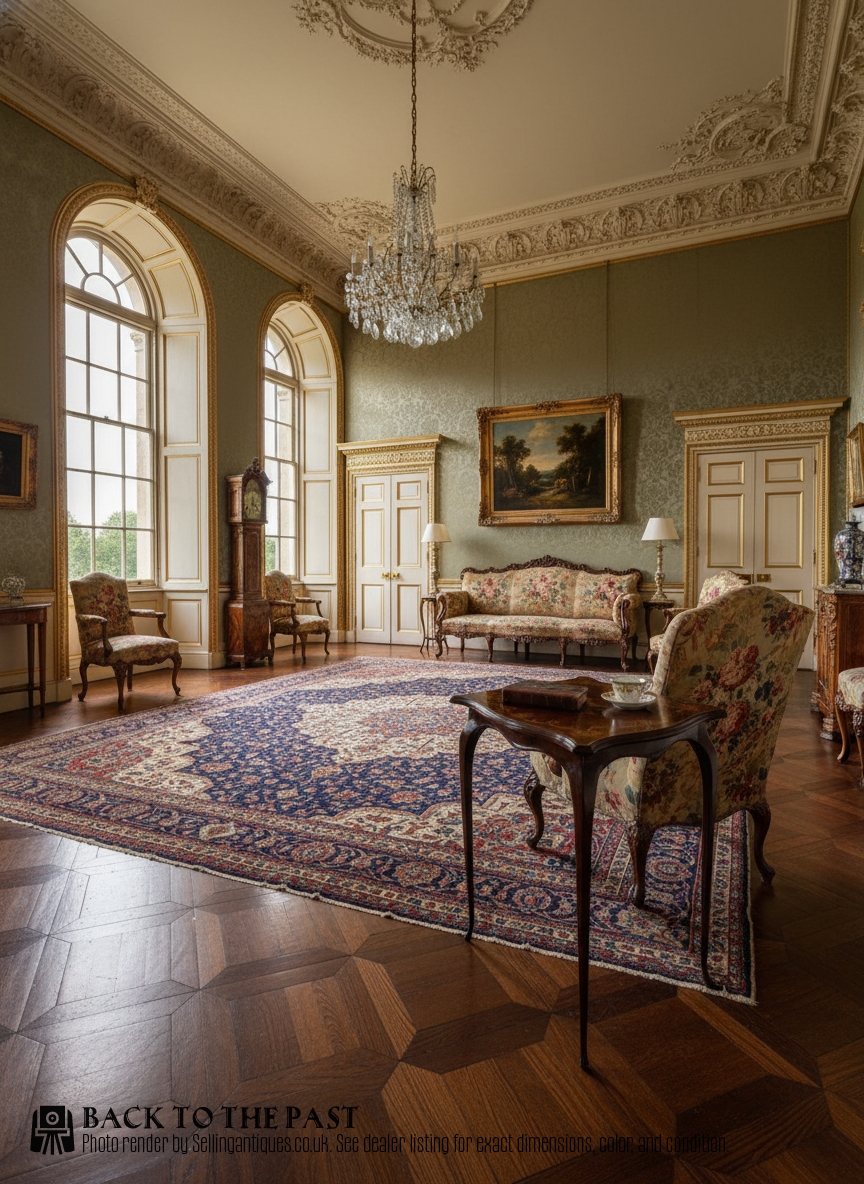
Cabinet makers relied on solid mahogany, oak, and walnut to build sturdy frames, occasionally incorporating burl veneers or rosewood for decorative surface patterns. Joinery techniques varied from traditional mortise and tenon joints in earlier oak pieces to fine dovetails in later mahogany drawers.
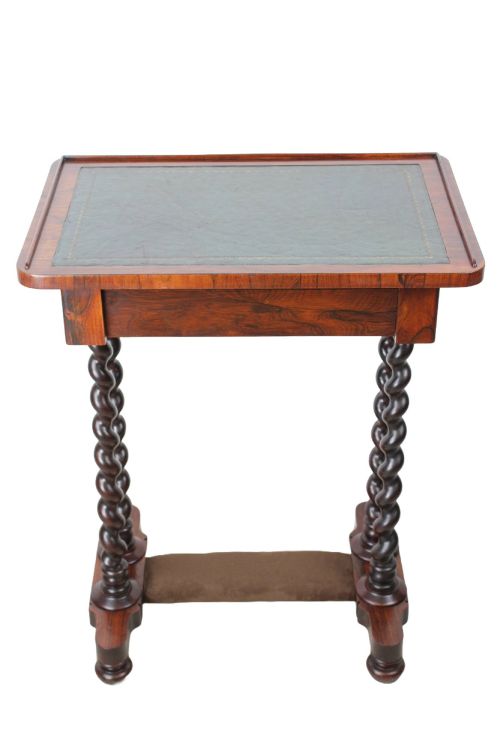
Surface ornamentation involved hand carving, chip carving, or turning timber into barley twist and bobbin shapes. Some pieces integrated brass hardware, leather panels, or inlaid brass wire, reflecting the stylistic preferences of periods ranging from the seventeenth century to Art Deco.
Dark Wood End Table Retail Price Guide 2026
Typical asking prices for dark wood end table among the pieces listed under this phrase on Sellingantiques today, from the lower quarter to the upper quarter. They describe what is for sale here now, not the wider market.
Listings feature timbers including mahogany, oak, walnut, rosewood, and hardwood, spanning periods from the seventeenth century to Art Deco.
Assessing Quality and Execution
Quality rests in the selection of the timber, where figured walnut or dense mahogany demonstrates superior material choice over standard hardwoods. The crispness of hand carving and the precision of joinery distinguish standard workshop production from finer cabinet work.
Proportion and structural integrity dictate the standing of a piece, with balanced forms and stable frames holding greater appeal. Original elements, such as matched timber grains or period brass fittings, elevate the execution of the design.
William and Gibton·Mallett
The Dark Wood End Table Glossary
- Barley twist
- A timber turning technique resembling a spiral rope, common on seventeenth-century and Edwardian oak supports. This shape adds texture to table legs.
- Faux bamboo
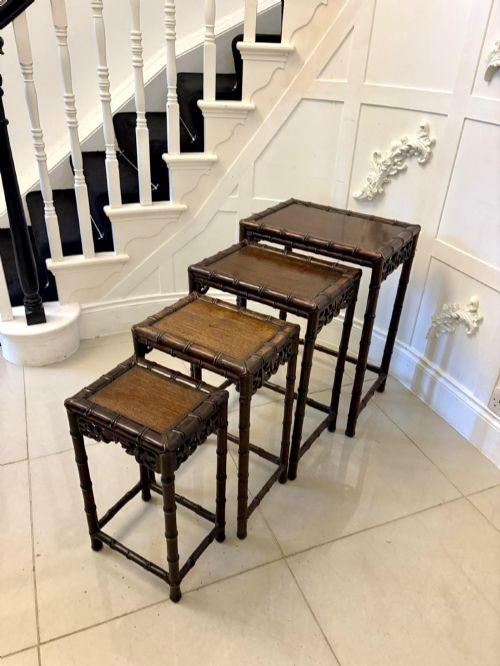
- Carved or turned timber painted or shaped to imitate natural bamboo stalks. It appears on nineteenth-century aesthetic movement furniture.
- Spider leg
- A descriptor for exceptionally slender table legs supporting a small top. This form appears on eighteenth-century lamp tables.
- Etagere
- A set of open shelves or tiered small tables used for display. These pieces often function as bedside or end tables.
Dark Wood End Table: Frequently Asked Questions
What rooms suit a dark wood end table?
These compact tables fit beside seating in living rooms, studies, or bedrooms where surface space is needed for lamps or books. Their varied heights and forms allow them to sit snugly next to chairs or sofas without crowding the floor area.
Dark timber tones anchor a room's palette, harmonising with traditional interiors or contrasting against lighter modern walls. Choosing a circular or oval top helps soften linear room layouts.
How do I identify an Edwardian piece?
Edwardian tables often utilise oak or mahogany, frequently featuring light string inlay or barley twist legs. They tend to be lighter in proportion than heavy Victorian furniture.
Many examples from this period take the form of nests of tables or small occasional tables designed for versatile domestic use.
What is a nest of tables?
A nest comprises multiple small tables of graduated size that slide beneath one another for compact storage. They provide flexible surface space when entertaining guests.
Cabinet makers produced these sets in mahogany, oak, and rosewood across various periods, including Edwardian and nineteenth-century eras.
How should I care for antique timber?
Maintain timber surfaces by dusting with a dry cloth and avoiding placement near direct heat sources or strong sunlight. Proper humidity levels prevent the wood from drying out or cracking.
Applying a traditional wax polish occasionally nourishes the grain and preserves the sheen of mahogany, oak, or walnut.