
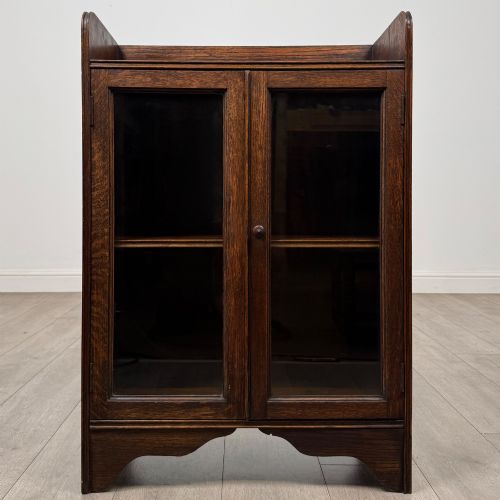
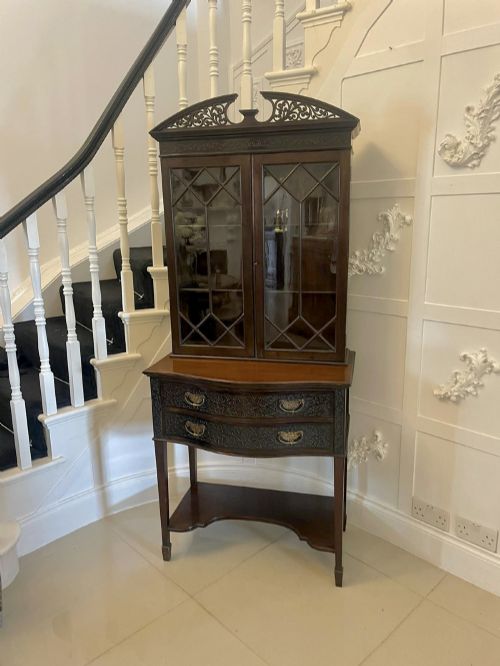
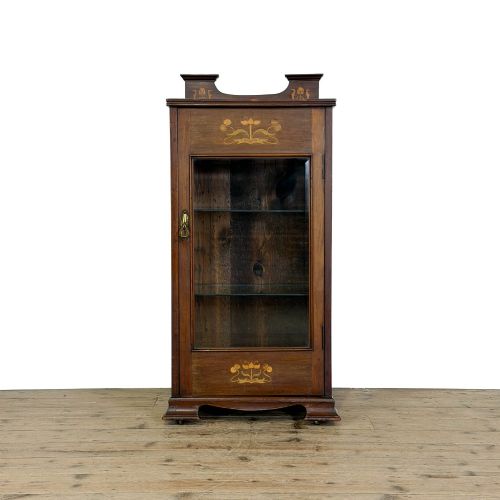
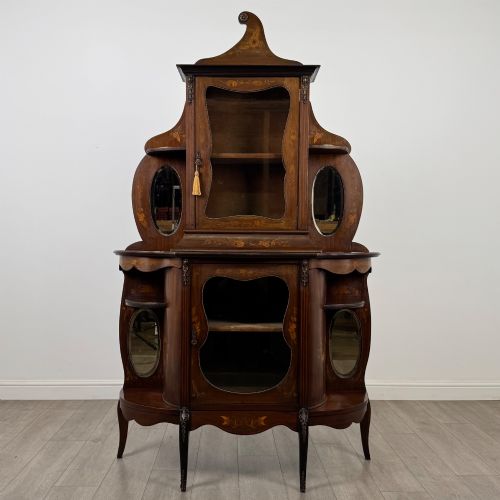
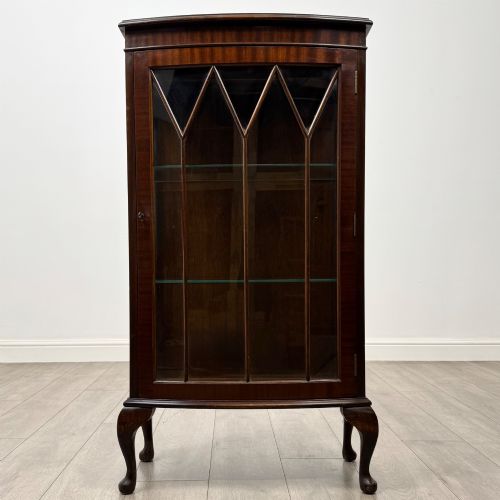
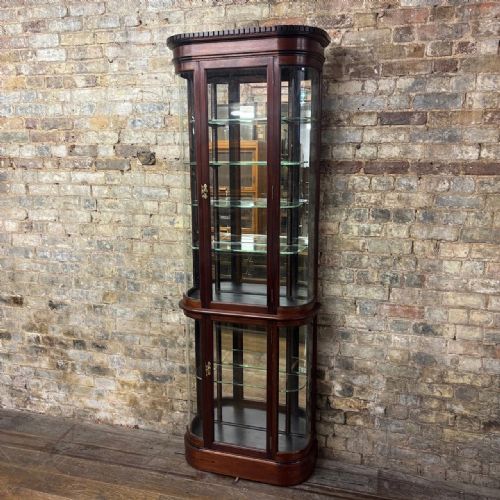
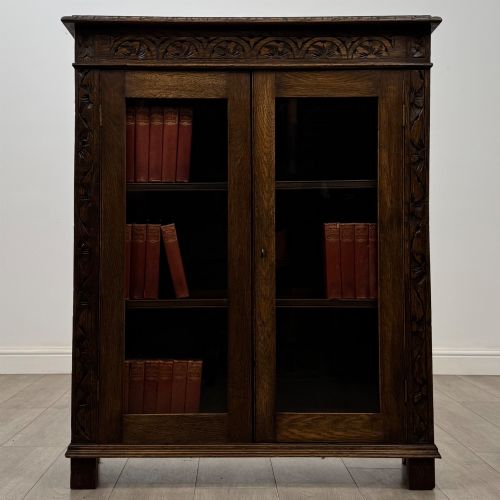
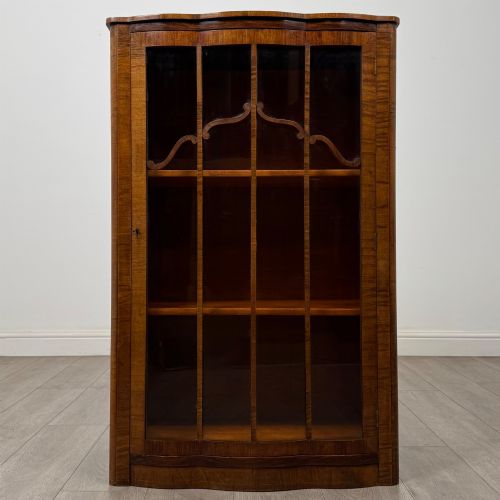
Dark Wood Display Vitrine
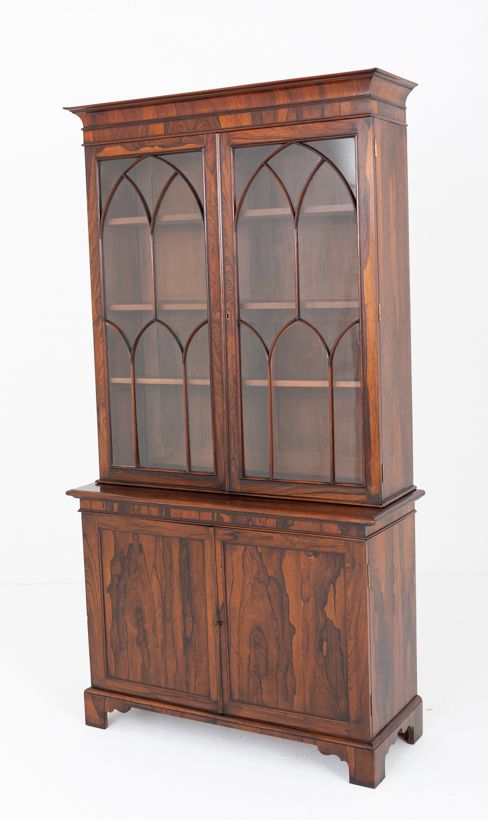
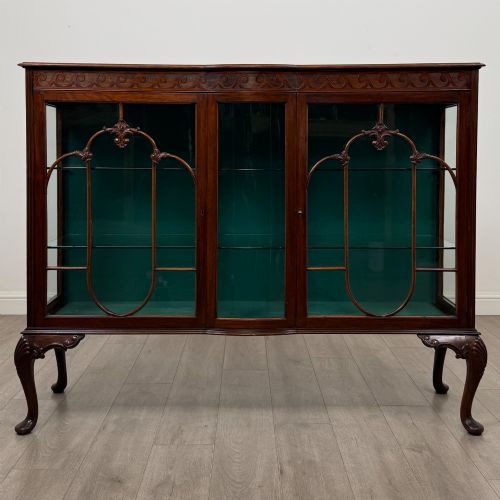
A dark wood display vitrine brings architectural presence to a room while holding porcelain, glass or books behind clear glass doors.
Dark Wood Display Vitrine
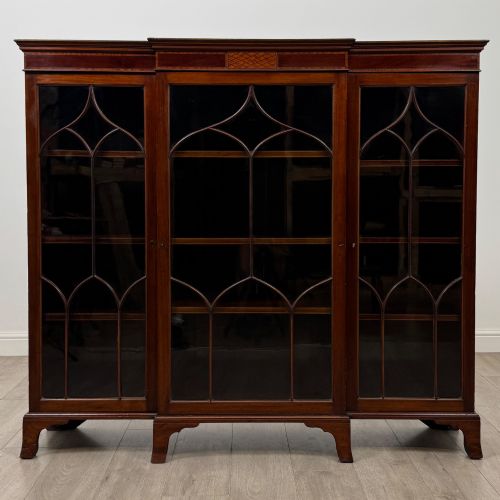
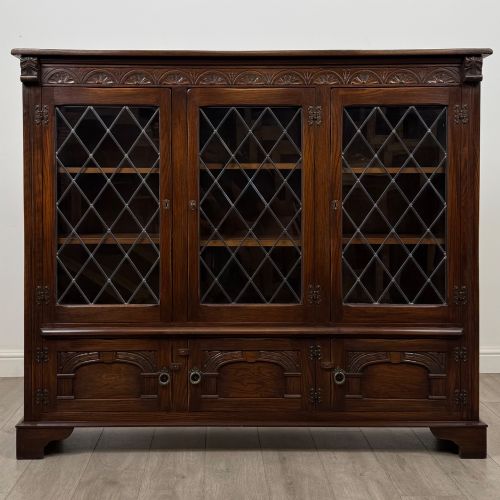
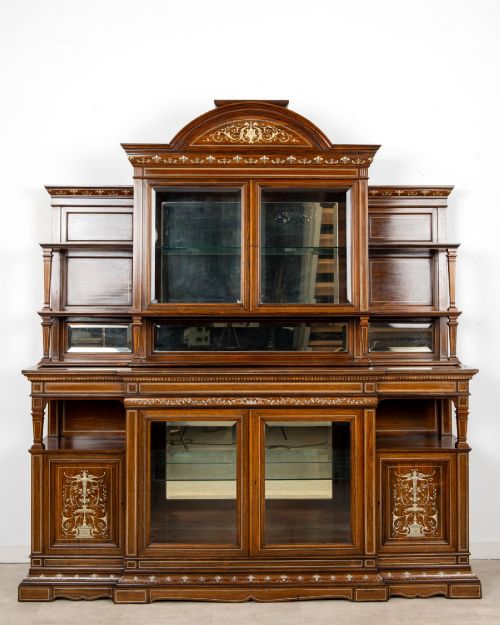
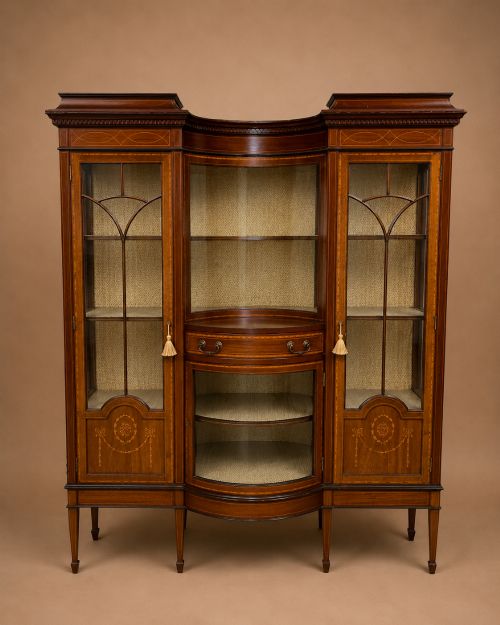
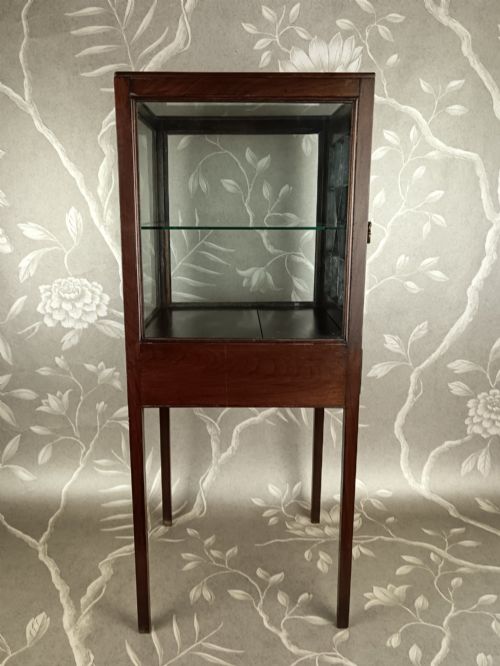
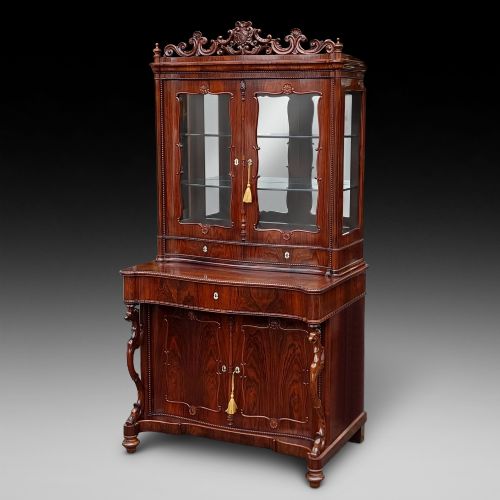
A dark wood display vitrine serves primarily to showcase and protect treasured possessions through glazed panels and fitted shelving. When searching for a dark wood display vitrine, a buyer encounters forms ranging from tall floor-standing breakfront bookcases and corner cabinets to side cabinets, bijouterie tables, and two-part commode combinations.
The pieces on this page span several distinct eras, drawing heavily on Victorian and Edwardian craftsmanship alongside earlier Georgian proportions. Makers frequently turned to rich timbers such as mahogany, rosewood, oak, and walnut to construct these glazed display pieces.
Materials and construction methods
Cabinet makers relied on solid timbers and stable veneers, using mahogany, rosewood, oak, and walnut as the primary structural bodies. Satinwood stringing, brass mounts, and mirrored backs frequently complemented the dark woods to catch and reflect light within the glazed interior.
Joinery techniques involved precise framing for glazed doors and robust housing for internal shelves, often incorporating carved details, inlaid banding, or curved bow-front glass panels. Larger breakfront bookcases and two-part cabinets utilised modular construction to ease transport and assembly.
Mahogany, oak, and rosewood form the primary structural materials across the listed dark wood display vitrine inventory.
Determinants of quality
Quality rests upon the selection of timber figures, the crispness of hand-carved ornamentation, and the precision of inlaid satinwood or brass stringing. Superior examples display balanced proportions, finely glazed multi-pane doors, and substantial brass hardware that complements the primary wood.
Internal execution also separates standard production from finer cabinet work, seen in the choice of secondary woods, the neatness of dovetail joints on drawers, and the integration of original mirrored panels or fabric-lined backs.
Jas Shoolbred·Collinson & Lock
The Dark Wood Display Vitrine Glossary
- Vitrine
- A glass-fronted cabinet designed for displaying fine objects or collections. The term derives from the French word for glass.
- Breakfront
- A cabinet design where the central section projects forward from the flanking wings. This configuration adds architectural depth to large bookcases and display units.
- Bijouterie table
- A glass-topped display table intended for smaller valuables, medals, or jewellery. These pieces frequently stand on slender legs with glazed sides.
- Inlay
- A decorative technique inserting contrasting strips of wood, such as satinwood, into recesses carved into the primary timber. It defines panels and borders on revival cabinets.
- Glazed
- Fitted with panes of glass. This treatment protects contents from dust while allowing full visibility.
Dark Wood Display Vitrine: Frequently Asked Questions
Where should I place a dark wood display vitrine?
These cabinets suit drawing rooms, dining spaces, or hallways where natural light can strike the glass panels without causing fading to sensitive contents. Corner cabinets fit neatly into unused angles to maximise floor space in smaller rooms.
Larger breakfront bookcases and floor-standing units require substantial wall space and benefit from placement away from direct heat sources that might dry the timber.
How do I care for the dark wood finish?
Dust the exterior regularly with a soft, dry cloth and avoid silicone-based polishes that build up a hazy residue over time. Maintaining a stable indoor humidity prevents the timber and veneer from splitting or warping.
Treat interior glass panels with standard glass cleaner applied to a cloth rather than sprayed directly, protecting the surrounding wood frame and fabric linings.
How do I distinguish Edwardian pieces from Victorian ones?
Victorian cabinets often feature heavier carved mahogany, darker finishes, and robust Gothic or Renaissance revival details. The proportions tend to be substantial and imposing.
Edwardian pieces frequently show lighter satinwood inlay, Sheraton revival influences, and more refined, delicate framing with brighter polished mahogany or oak surfaces.
Can these cabinets support heavy books?
Floor-standing glazed bookcases and cabinets with sturdy timber shelving accommodate moderate collections of books, provided the shelf spans are supported properly. Lighter display cabinets with adjustable wooden or glass shelves suit porcelain, glassware, and decorative objects rather than heavy volumes.
Check the thickness and reinforcement of the internal shelves before loading them with dense items.