

Dark Wood Credenza Cabinet
A dark wood credenza cabinet offers substantial storage and grounding presence in a room, drawing on centuries of fine cabinetry traditions.
Dark Wood Credenza Cabinet
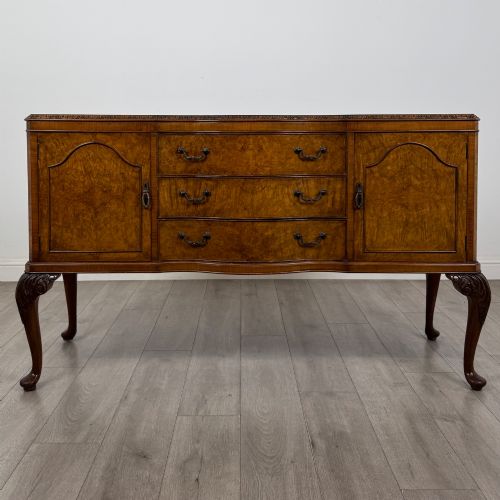
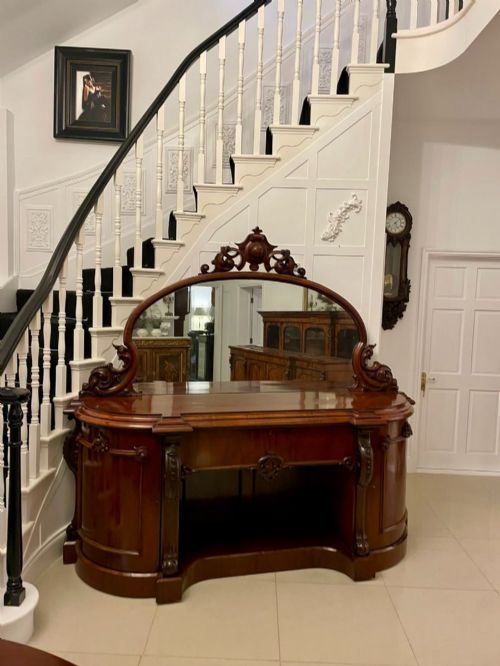
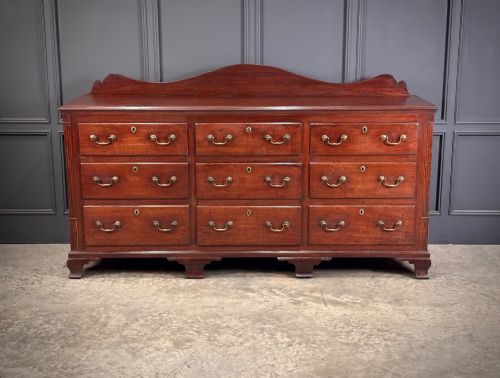
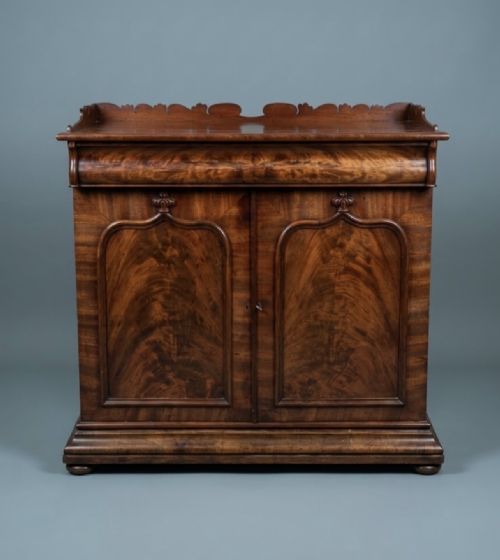
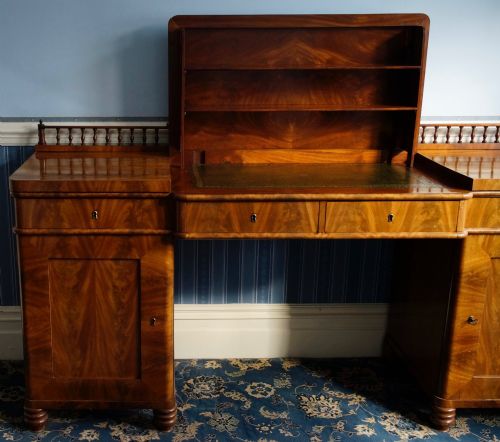
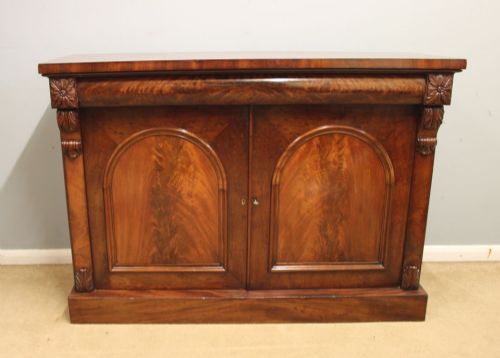
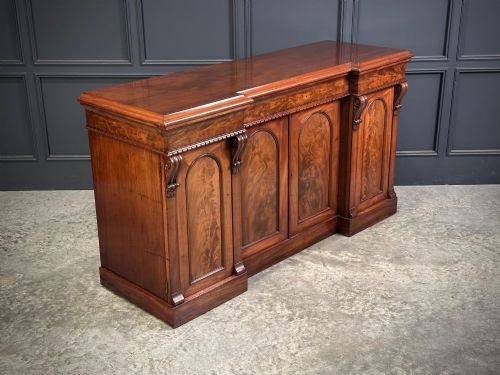
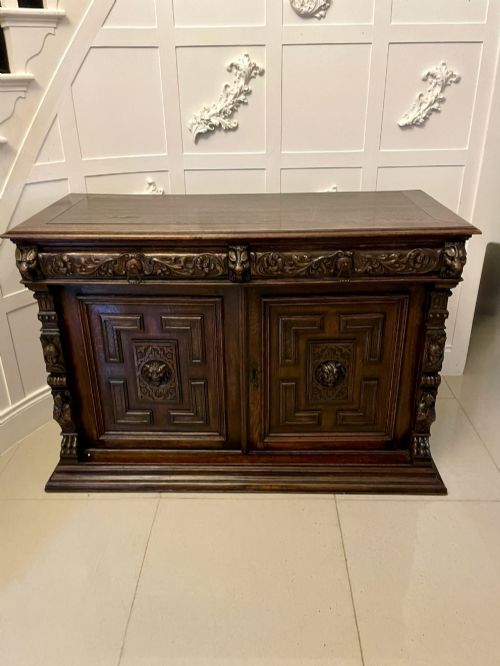
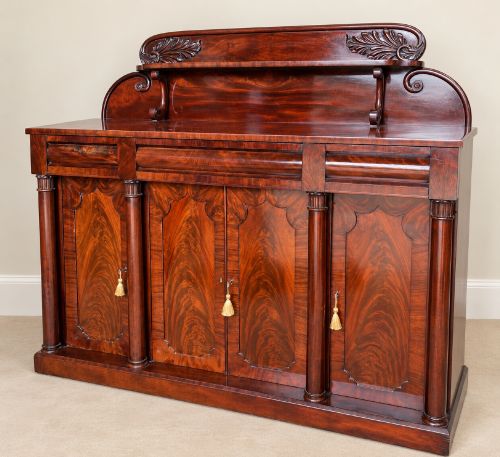
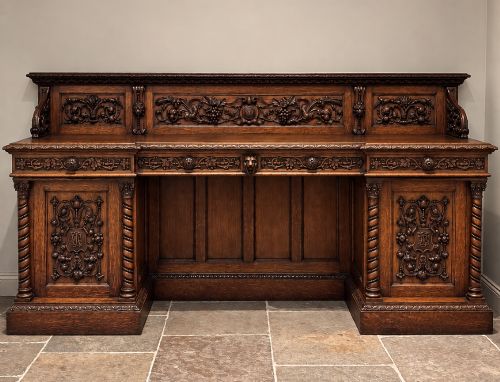
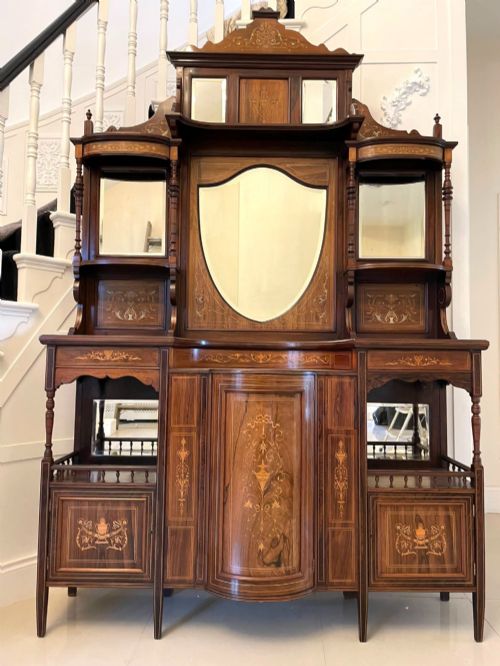
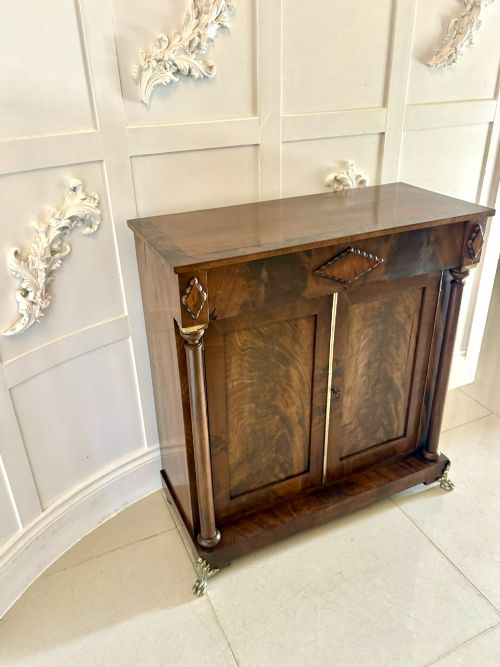
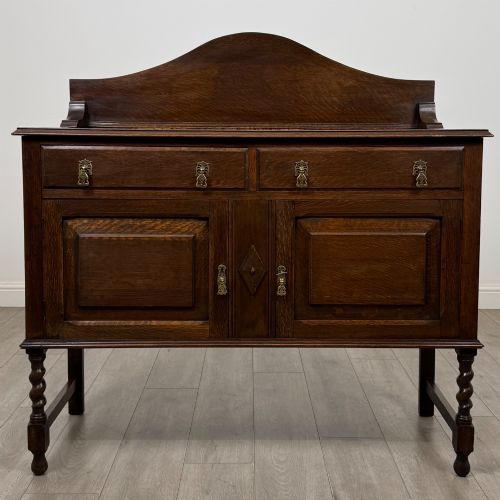
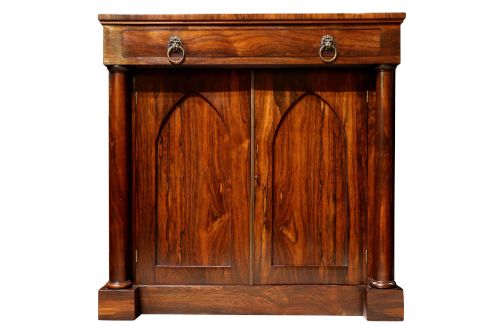
A dark wood credenza cabinet encompasses various low storage forms such as sideboards, chiffoniers, side cabinets, and buffets found across this selection. These pieces date from the Georgian, Regency, and Victorian eras through to the Edwardian period and the early twentieth century.
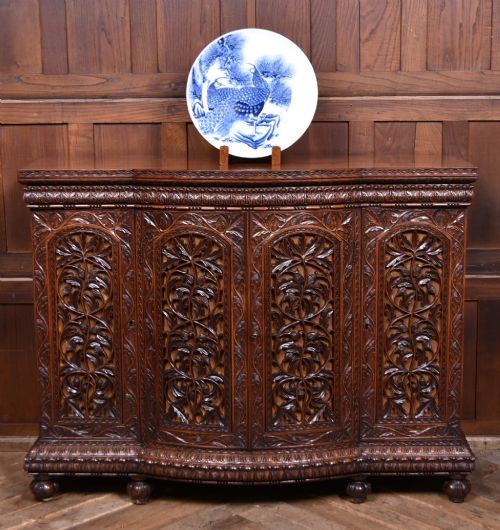
Makers utilised rich dark timbers and distinct styles ranging from Gothic Revival and Jacobean Revival to Grand Regency and Arts and Crafts. Buyers looking for a dark wood credenza cabinet will encounter forms varying from four-door sideboards and mirror-back servers to compact cabinets on legs.
How they were made
Cabinet makers constructed these pieces primarily using solid timbers and veneers such as mahogany, flame mahogany veneer, rosewood, burr walnut, padouk, teak, and oak. Surfaces frequently feature detailed hand-carving, inlaid details, and applied mouldings.
Structural elements incorporate brass hardware, glass panels, fabric linings, and fitted marble tops. Construction methods relied on traditional joinery to handle the weight of dense tropical hardwoods and native oaks.
Listings span multiple decades, incorporating both native British oak and exotic imported timbers like rosewood and padouk.
What varies in quality
Quality rests upon the selection of timber figures, such as highly figured flame mahogany or richly grained rosewood, matched across large surfaces. Superior examples display crisp, deep carving and harmonious proportions rather than routine decoration.
The refinement of internal fitting, the integration of original brass mounts, and the integrity of applied veneers distinguish finer cabinet work from simpler utilitarian storage.
Collinson & Lock
The Dark Wood Credenza Cabinet Glossary
- Chiffonier
- A low sideboard or cabinet, typically featuring drawers or enclosed shelves beneath, popular during the Regency and Victorian periods.
- Flame Mahogany Veneer
- A thin slice of mahogany timber cut from the fork of the tree, displaying a characteristic flickering flame pattern used on prominent door and drawer surfaces.
- Sideboard
- A large dining room furniture piece designed for serving food and storing tableware, appearing in numerous regional and revival styles across the nineteenth century.
- Gothic Revival
- An architectural and decorative style drawing inspiration from medieval design, recognisable in these pieces through pointed arches, linenfold panels, and heavy tracery.
- Serpentine
- A furniture front curved in a wave-like shape, convex at the centre and concave at the ends, requiring advanced woodworking skill to execute.
Dark Wood Credenza Cabinet: Frequently Asked Questions
What is the difference between a sideboard and a chiffonier?
Sideboards were traditionally larger dining room pieces designed for serving food and storing heavy tableware. Chiffoniers are generally smaller low cabinets, often topped with a shelf or mirror, suited for reception rooms.
Both forms offer enclosed storage behind doors, but their proportions and typical placement within a home differ significantly.
How can I tell a Regency cabinet from a Victorian one?
Regency pieces often exhibit cleaner classical lines, brass inlay, and restrained classical motifs inspired by ancient Greece and Rome. Victorian cabinets tend to be heavier in scale, featuring deeper carving and more elaborate revival styles.
Examining the secondary woods and construction methods helps confirm the transition between these periods.
Where were these dark wood cabinets typically placed?
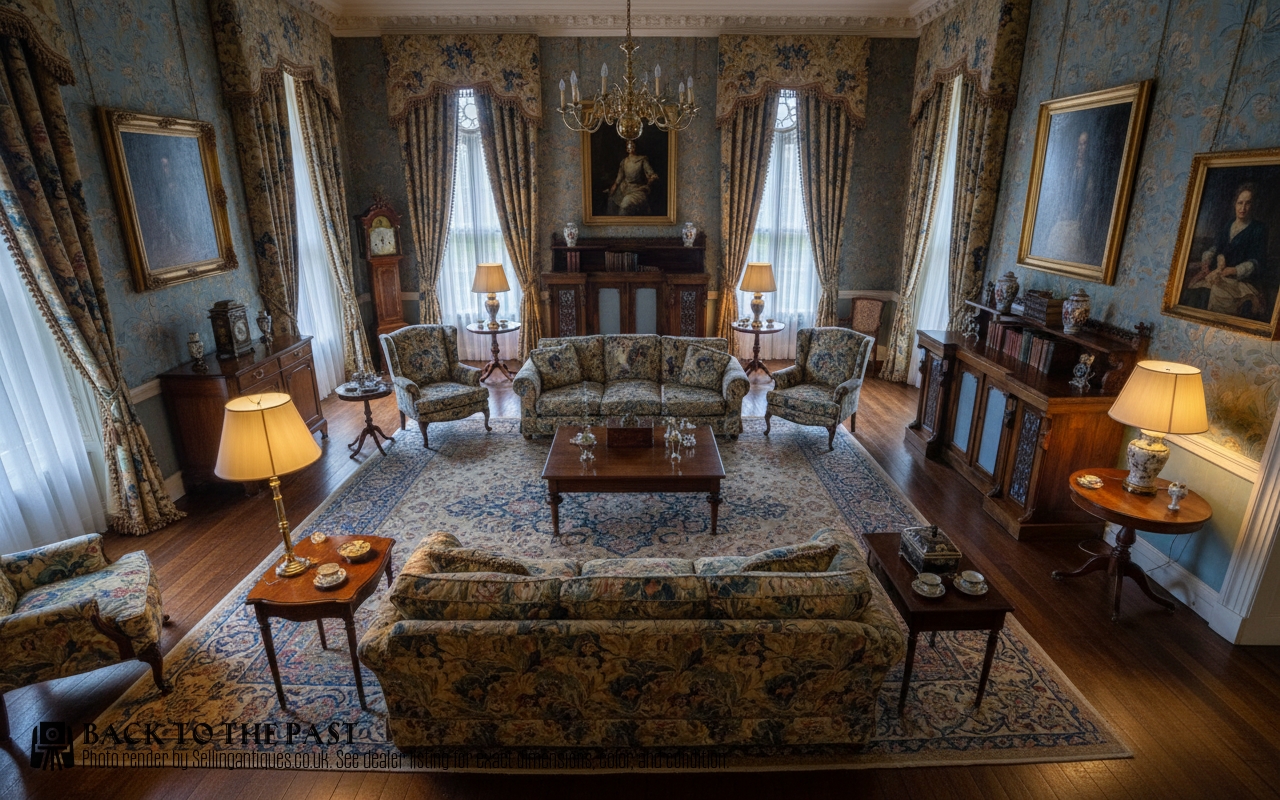
Dining rooms received the larger sideboards and buffets to aid in serving meals and holding dining accessories. Smaller side cabinets and chiffoniers stood in living rooms, parlours, or hallways.
Their substantial timber construction meant they remained permanent fixtures in the main rooms of the house.
Are marble tops original to these cabinets?
Many nineteenth-century side cabinets and servers featured inset marble slabs to provide a durable, heat-resistant surface for serving dishes and drinks. These slabs were fitted during initial manufacture rather than added later.
Inspecting the rebate where the marble rests helps verify its originality to the piece.
How do I care for antique mahogany and rosewood surfaces?
These dense tropical timbers require protection from direct sunlight and extreme humidity fluctuations to prevent veneer lifting or wood splitting. Regular dusting with a soft cloth keeps the finish clean.
Application of appropriate wax polish helps nourish the grain and maintain the natural lustre of the dark wood.