
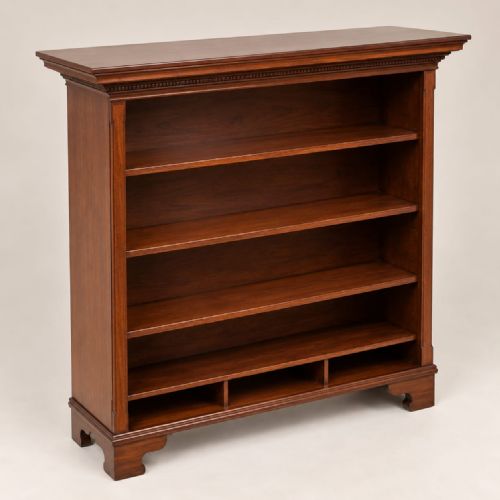
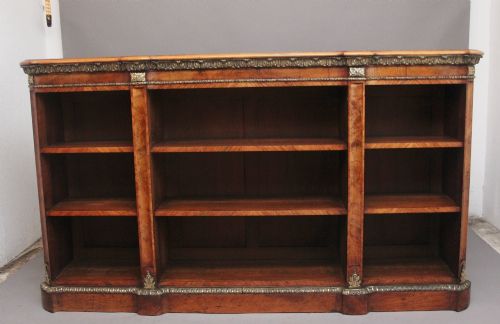
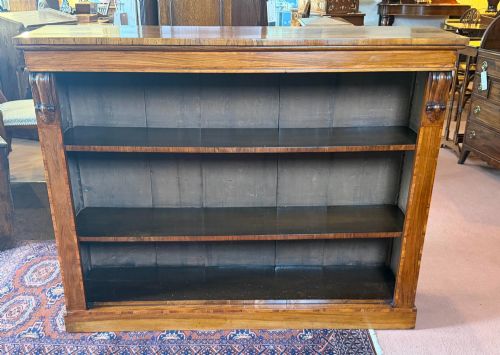
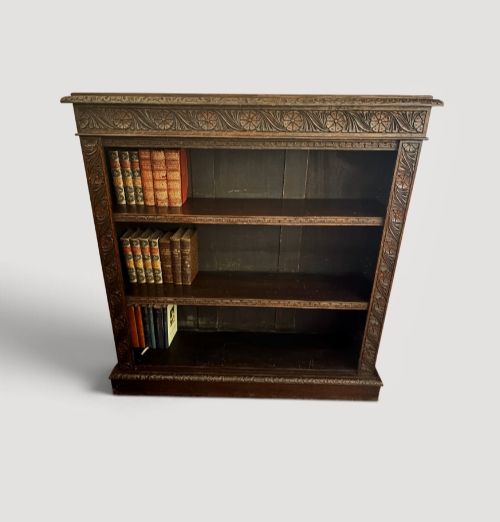
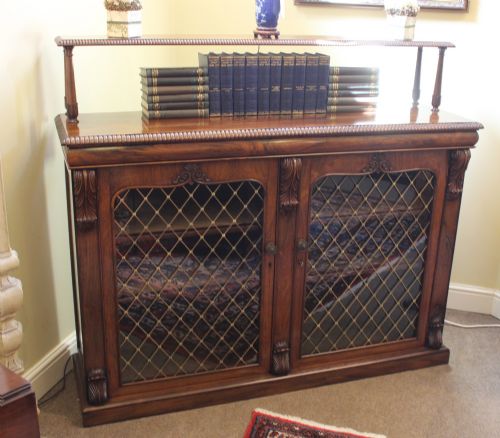
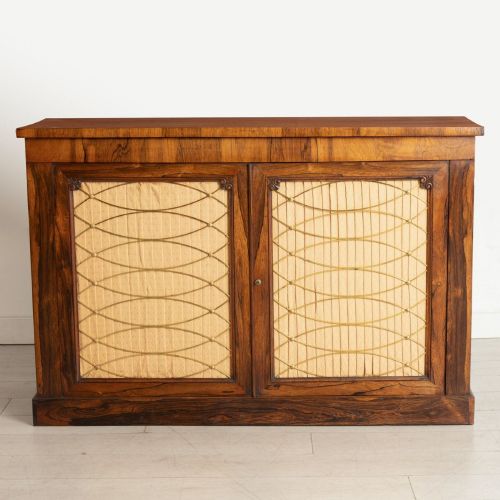
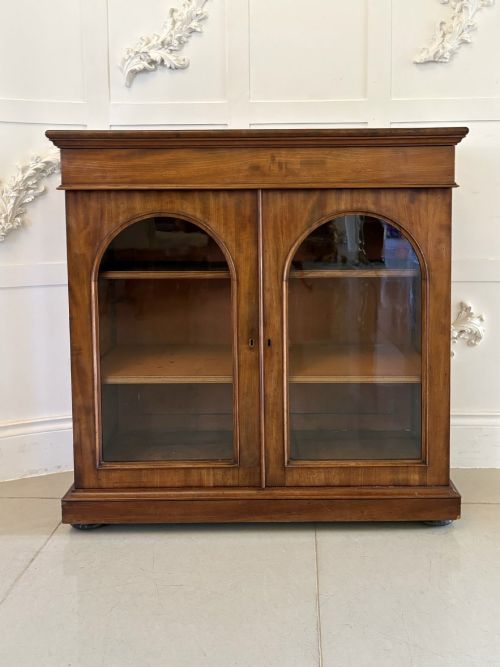
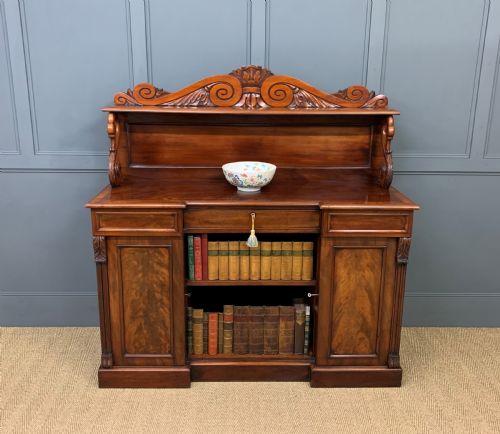
Victorian Low Bookcase Cabinet
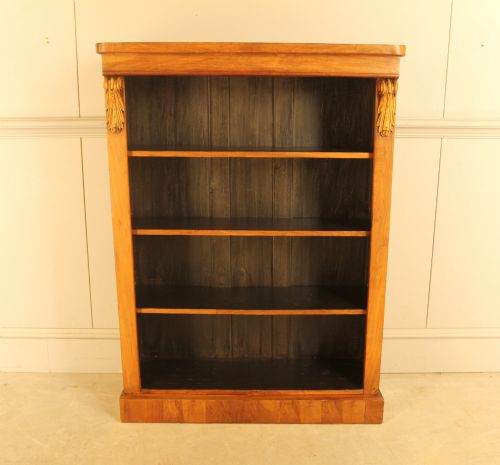
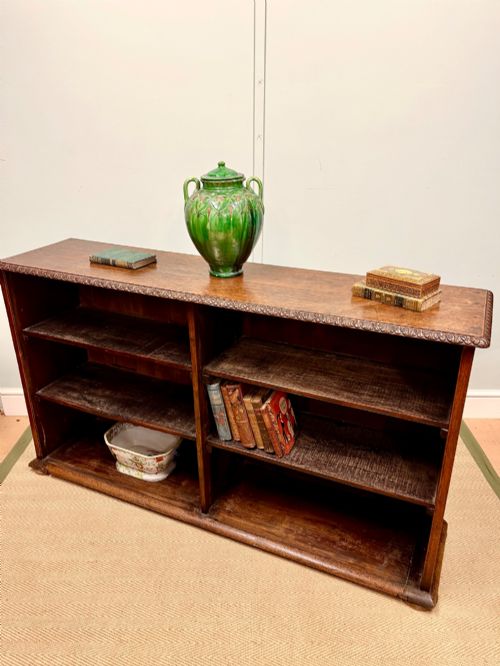
A victorian low bookcase cabinet brings together practical shelving and display space, anchored by rich timbers spanning the nineteenth century.
Victorian Low Bookcase Cabinet
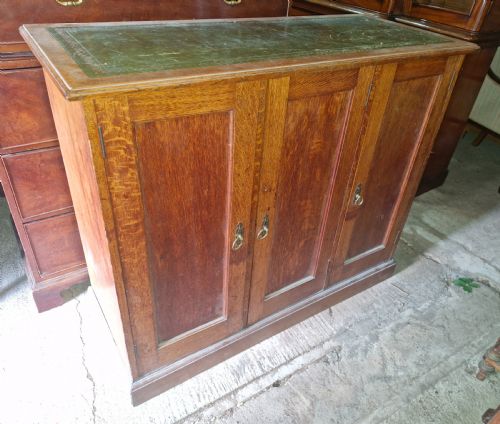
A victorian low bookcase cabinet typically combines open or glazed upper shelving with lower cupboards, designed to sit comfortably below window heights in period rooms. These pieces originate primarily from the nineteenth century, reflecting the cabinetmaker's art across various regional workshops in Britain.
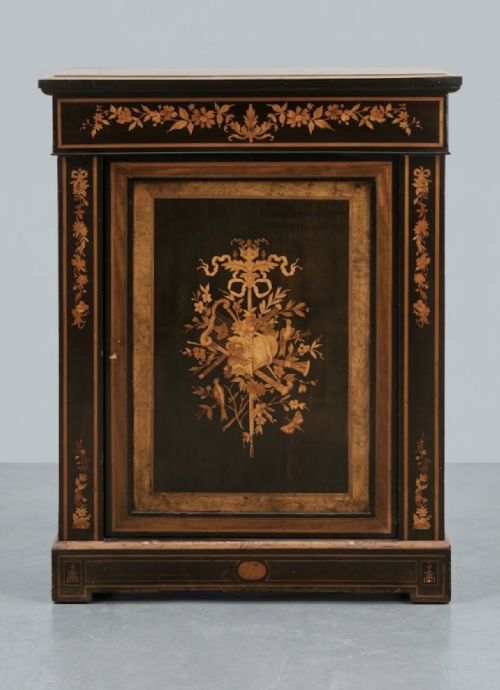
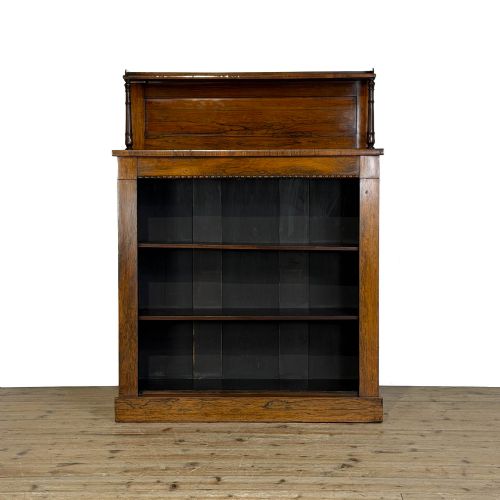
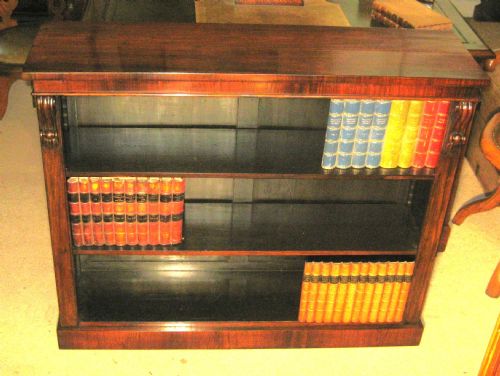
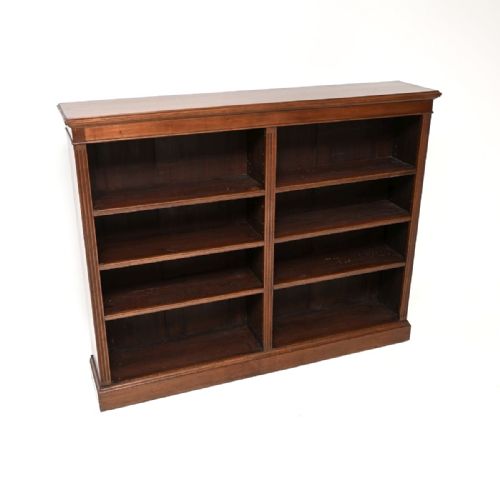
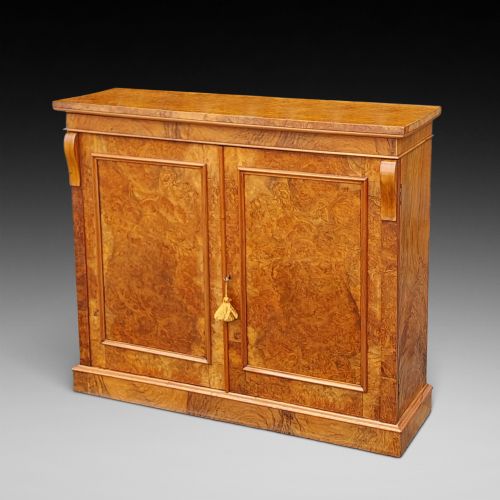
The selections span open formats, pier cabinets, and glazed display variations executed in rich hardwoods. Walnut and mahogany dominate the offerings, occasionally supplemented by exotic veneers like amboyna, rosewood, and burr walnut.
Stylistic influences range from classic Victorian proportions to Gothic Revival details, Napoleon III elegance, and occasional Regency lines. Buyers encounter pieces configured specifically for domestic libraries, drawing rooms, and studies.
Materials and Technique
Cabinetmakers utilised solid timbers and sophisticated veneers, applying figured mahogany, rosewood, and burr walnut over stable secondary woods. Surface enrichment frequently involved fine brass stringing, marquetry inlay, and ormolu mounts.
Glazing bars were painstakingly shaped to hold individual panes of glass within doors, while interiors featured adjustable shelving supported by wooden racks or brass pins. Structural integrity relied on traditional dovetail joinery for drawers and sturdy tenon frames for carcases.
The documented forms range from open bookcases and glazed display cabinets to low pier units and combined chiffoniers.
Indicators of Excellence
Superior examples distinguish themselves through the selection of exceptionally figured timber veneers that display deep natural chatoyancy and careful book-matching across drawer fronts and doors. The integration of high-grade cast bronze ormolu and intricate inlaid brass work further elevates the standing of an individual piece.
Refinement in carving, precision in the mitring of mouldings, and the original retention of working locks and keys separate master-workshop output from standard commercial production. Balanced proportions and harmonious secondary timbers complete the distinction at the upper end.
Johnstone and Jeanes·Gillows
The Victorian Low Bookcase Cabinet Glossary
- Ormolu
- Gilded bronze mounts cast and chased by hand to ornament furniture fronts and corners. This decorative technique added substantial cost and status to nineteenth-century luxury pieces.
- Burr walnut
- Timber taken from the gnarled growths of walnut trees, prized for its swirling, highly figured grain patterns. Cabinetmakers sliced it into thin veneers for decorative cabinet surfaces.
- Breakfront
- A piece of furniture where the central section projects forward from the flanking wings. This architectural arrangement creates depth and visual interest in larger cabinets.
- Pier cabinet
- A low display case designed specifically to fit the wall space between windows. These glazed cabinets usually featured velvet-lined interiors for displaying porcelain and small objects.
- Chiffonier
- A low sideboard or cabinet featuring enclosed shelving below, sometimes topped with a small mirror or tier. The form evolved during the nineteenth century for drawing room storage.
Victorian Low Bookcase Cabinet: Frequently Asked Questions
How were these cabinets used?
These pieces served primarily in domestic libraries and parlours to house leather-bound volumes while keeping delicate ornaments safe behind glass or displayed on open shelves.
Lower cupboards provided concealed storage for ledgers, writing materials, and household miscellany out of sight.
Are the shelves adjustable?
Many examples feature movable internal shelving supported by traditional wooden bearer strips or brass peg systems, allowing owners to accommodate varying book heights.
Fixed shelving remains common in earlier open formats where structural rigidity relied on permanent partitions.
How do I distinguish walnut from mahogany?
Walnut displays a rich brown tone with darker grain figuring, often enhanced by swirling burr patterns that catch the light from different angles.
Mahogany typically exhibits a straighter reddish-brown grain, ranging from pale flame figures to deep, dark finishes found in later nineteenth-century examples.