
Victorian Carved Buffet Cabinet
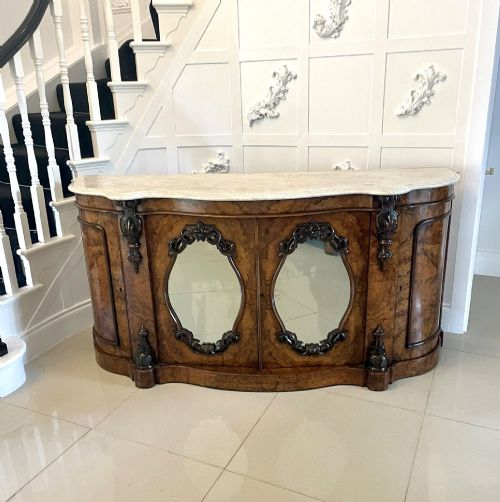
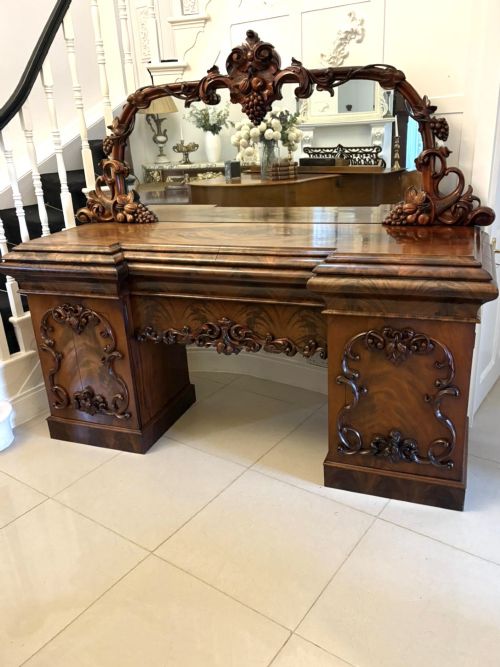
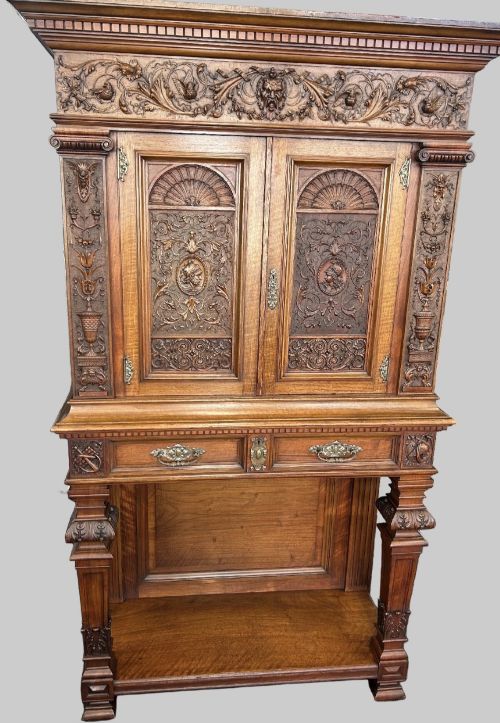
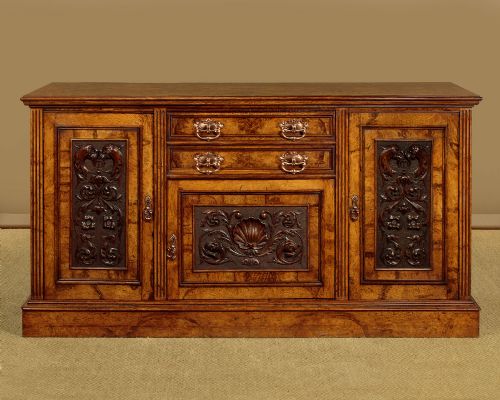
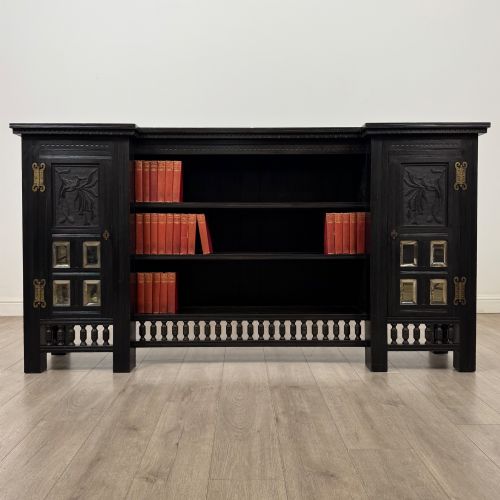
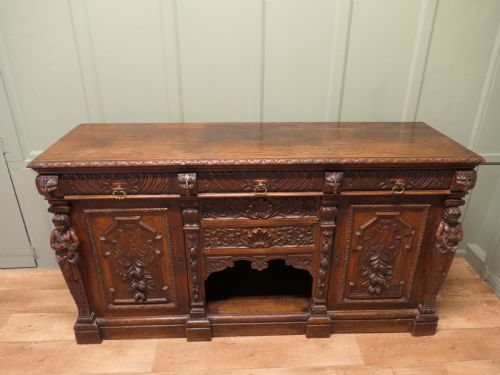
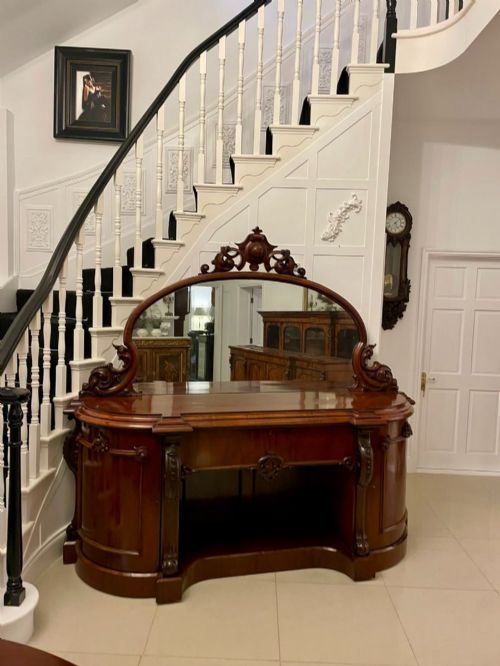
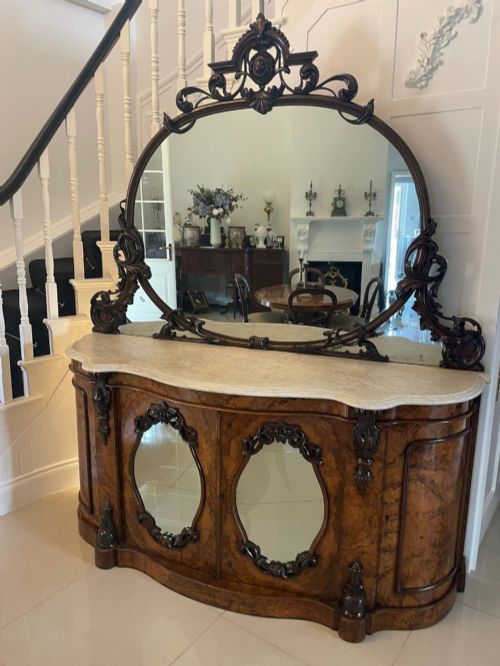
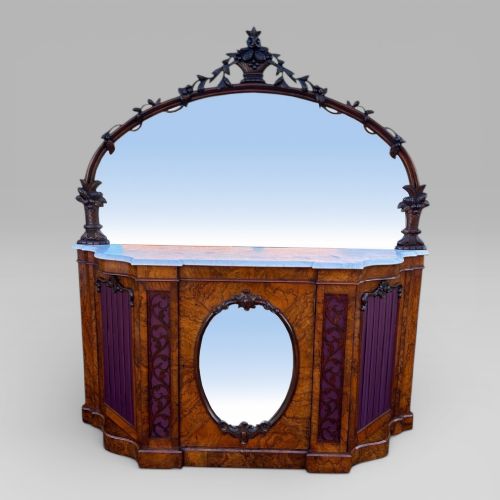
A victorian carved buffet cabinet brings heavy timber, mirror backs and deep relief work into a dining room or hall.
Victorian Carved Buffet Cabinet
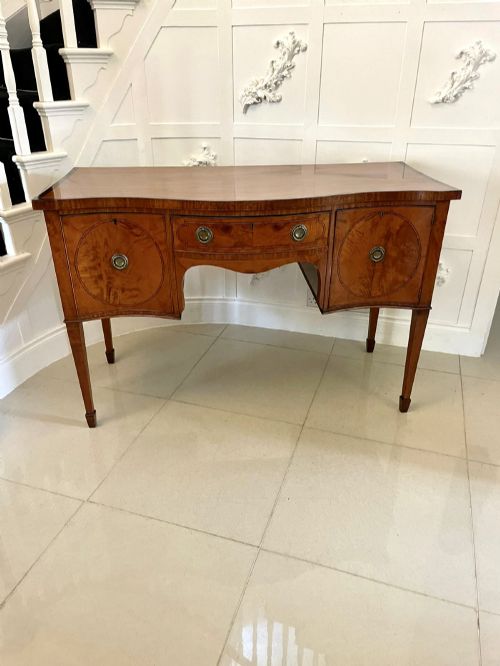
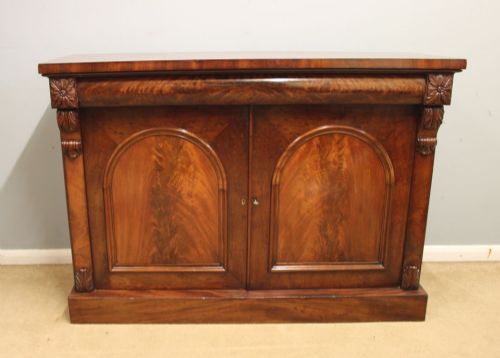
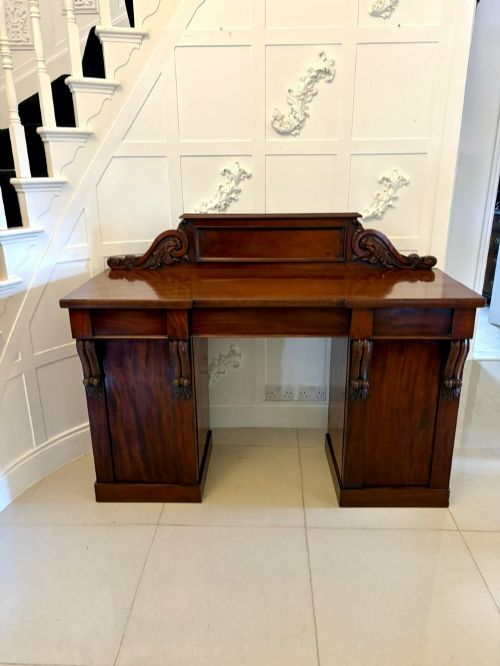
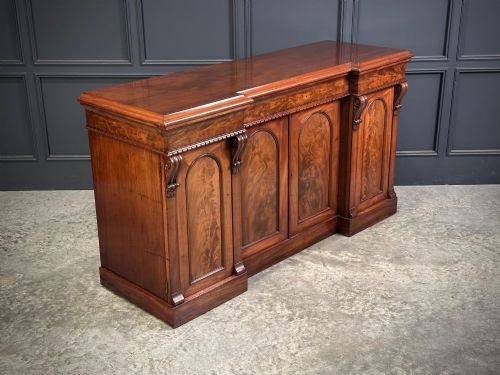
When you search for a victorian carved buffet cabinet, you encounter heavy timber storage pieces that served dining rooms and large hallways during the nineteenth century. These forms merge sideboards, credenzas, chiffoniers and dresser bases into grand architectural statements with deep cupboards and display surfaces.
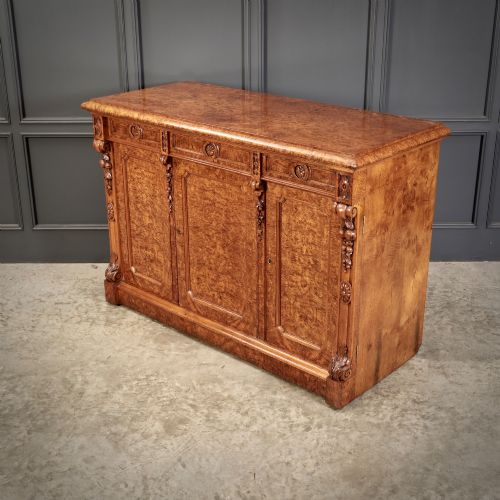
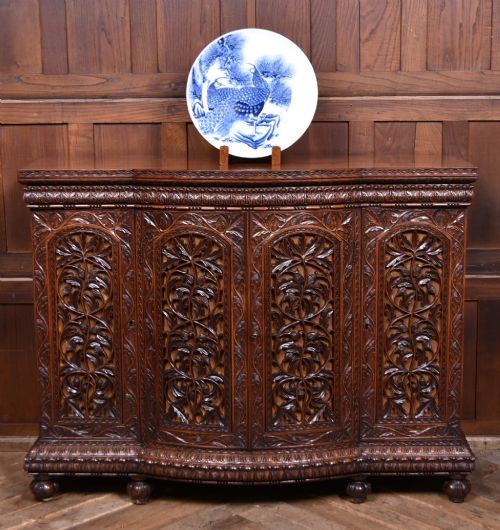
Mahogany and oak dominate the selection, appearing alongside burr walnut, pollard oak and padouk wood. The listings show mirror backs, marble tops and glazed doors across styles ranging from Gothic Revival and Renaissance Revival to Anglo-Indian Colonial.
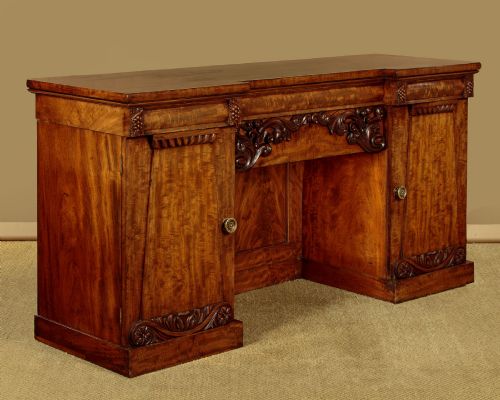
The most frequent examples on this page date from the middle to the late nineteenth century, particularly the decades around eighteen eighty. These pieces utilise substantial timber frames, often fitted with intricate relief carving and panelled doors designed to anchor a formal interior.
Materials and construction
Cabinet makers relied on dense hardwoods such as mahogany, oak and walnut, selecting figured grains like flame mahogany and burr walnut for prominent display surfaces. These timbers were joined using traditional framing techniques to support heavy marble tops, mirror frames and multi-door cupboard carcases.
Surface enrichment relied on deep hand carving, marquetry inlay and mother of pearl details, particularly within Gothic Revival and Renaissance Revival pieces. Brass hardware and glazed panels completed the construction, balancing structural solidity with decorative display elements.
Listings feature nineteenth-century pieces spanning the decades from eighteen fifty to nineteen hundred, constructed in oak, mahogany, walnut, padouk wood and rosewood.
Distinctions in execution
The distinction between standard production and exhibition quality lies in the depth of the carving and the selection of timber veneers. Superior examples display crisp, undercut relief work and highly figured timbers like pollard oak or burr walnut across every elevation.
Constructional integrity also separates workshop outputs, visible in the weight of the timber, the thickness of marble tops and the precision of drawer linings. Pieces retaining original mirror glass, brass fittings and matching keys demonstrate greater overall original integrity.
The Victorian Carved Buffet Cabinet Glossary
- Buffet cabinet
- A large dining room storage piece designed for serving food and displaying silver or ceramics. These units typically combine lower cupboards with upper shelves or mirror backs.
- Credenza
- A decorative cabinet originating in Italy, featuring a low profile and often incorporating curved glass doors or marble tops. Victorian makers adapted this form for formal reception rooms.
- Chiffonier
- A compact sideboard featuring enclosed cupboards below and frequently a small shelf or mirror structure above. They gained popularity during the Victorian era for smaller entertaining spaces.
- Pollard oak
- Oak timber taken from trees that were cut back to encourage dense branching, producing a heavily knotted and swirling grain pattern. Cabinet makers prized this timber for high-status Victorian furniture.
- Marquetry
- The art of applying small pieces of veneer to a structure to form decorative patterns or pictures. Victorian workshops utilised contrasting timbers and mother of pearl to create elaborate surface designs.
Victorian Carved Buffet Cabinet: Frequently Asked Questions
What rooms suit a victorian carved buffet cabinet?
These substantial pieces anchor large dining rooms, entrance halls and spacious reception areas where their height and weight balance high ceilings.
Their generous cupboards and surface space provide practical storage for heavy tableware, linens and serving dishes.
How do you care for marble topped sideboards?
Marble surfaces require gentle cleaning with warm water and neutral soap to protect the polished stone from acidic spills.
Avoid abrasive cleaners and harsh chemicals that can dull the natural finish over time.
What distinguishes Gothic Revival from Renaissance Revival?
Gothic Revival pieces utilise pointed arches, tracery and sombre carved oak details inspired by medieval architecture.
Renaissance Revival examples lean towards heavier classical motifs, prominent columns, figures and elaborate panelled surrounds.
Can mirror backs be removed safely?
Mirror backs are usually integrated into the structural framing of the upper superstructure and secured with original screws and brackets.
Removing them alters the intended silhouette and proportion of the piece, so most collectors keep the assembly intact.