






Dark Walnut Pendulum Clock
A dark walnut pendulum clock brings architectural timber and steady mechanical motion into a room.
Dark Walnut Pendulum Clock
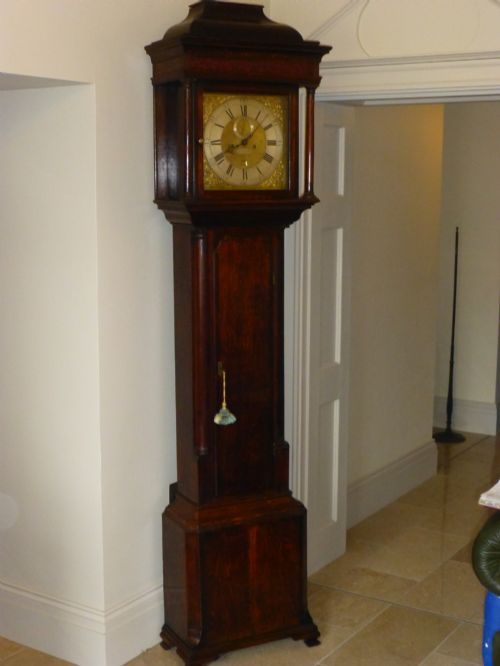
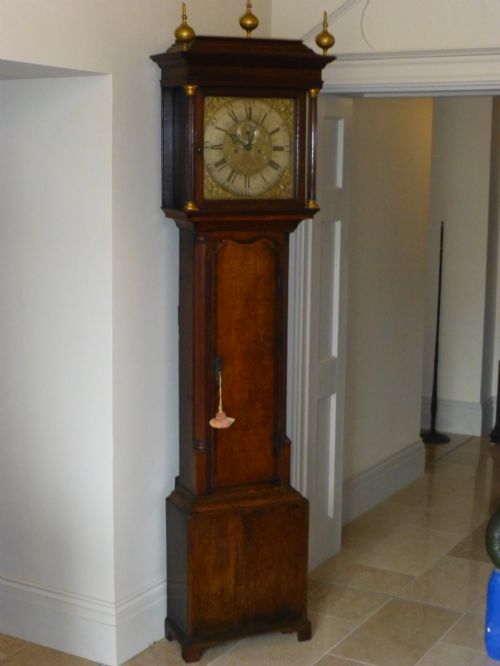
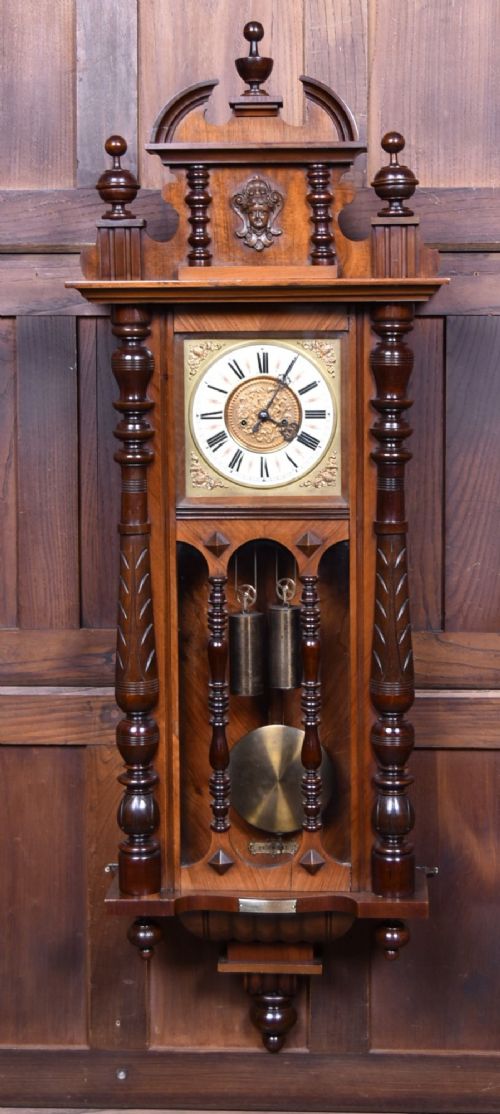
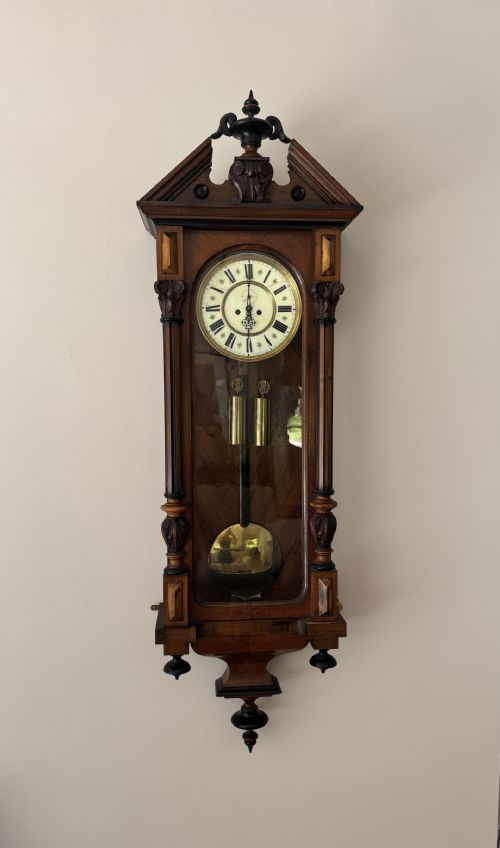
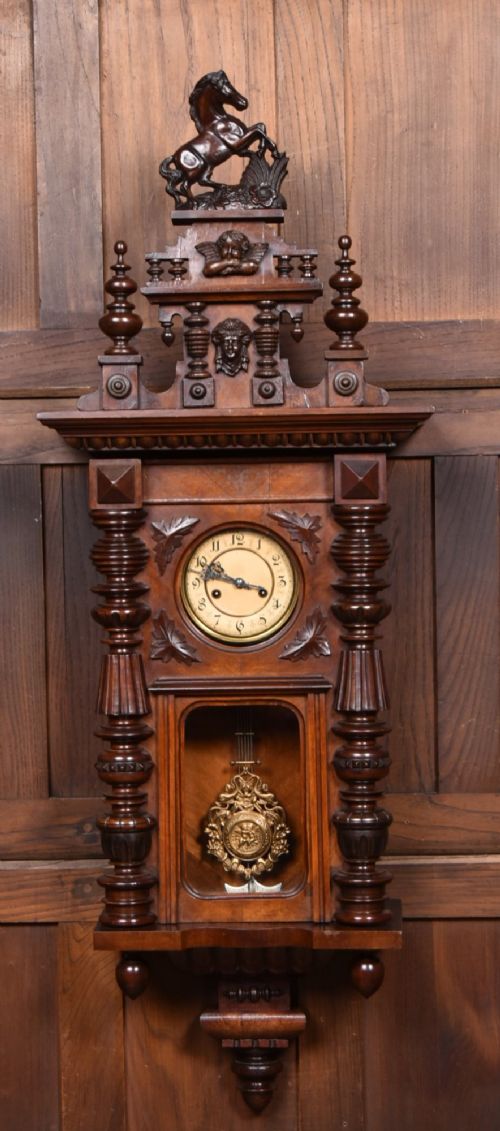
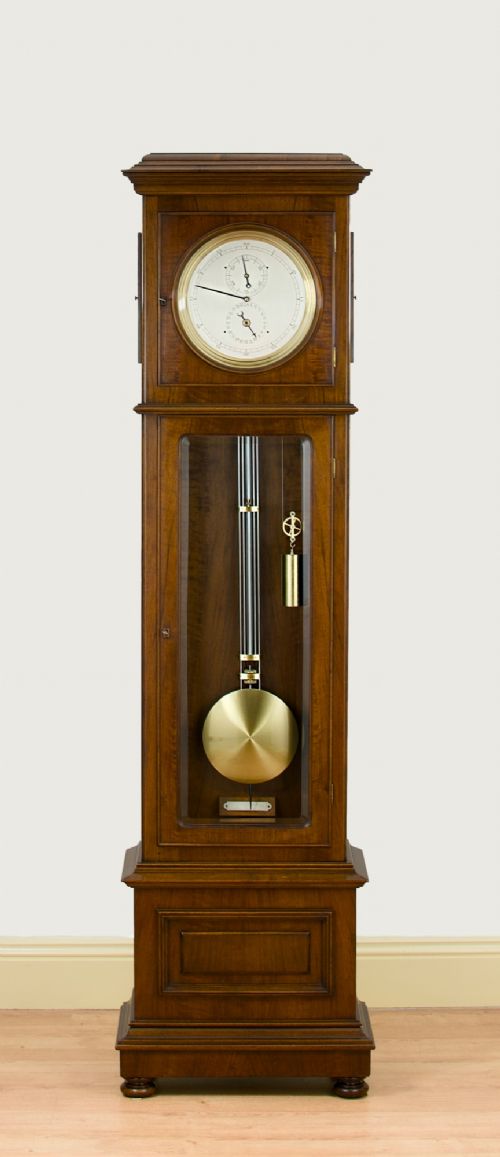
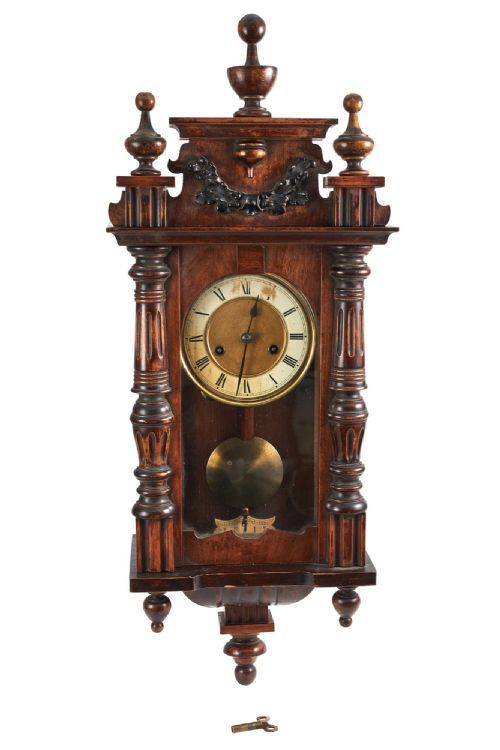
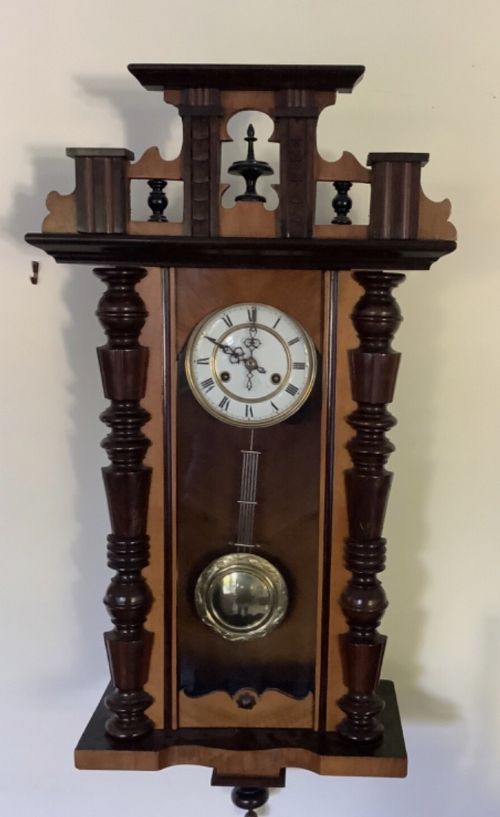
A dark walnut pendulum clock spans tall floor-standing longcase examples and wall-hung Vienna regulators found across this page. These pieces emerge from periods ranging through the eighteenth, nineteenth, and twentieth centuries, uniting rich dark timber housings with visible swinging pendulums.
Floor-standing longcase clocks, often termed grandfather clocks, sit alongside wall clocks and drop dial wall clocks. The selection draws on English, German, Austrian, and Italian origins, displaying styles from Georgian and Victorian to Art Deco and Black Forest.
Materials and construction
Cases combine walnut, carved walnut, ebonised wood, and oak, sometimes enriched with marquetry inlay. Glass panels protect the dial face while revealing the movement within.
Listings feature walnut, oak, brass, enamel, and ebonised wood across eighteenth-century, nineteenth-century, and twentieth-century periods.
Judging quality in walnut clocks
Quality rests in the precision of the movement and the depth of the timber casing. Finer examples display crisp carving in the walnut and signed brass dials.
The sophistication of the mechanism, such as double or triple weight systems and precision pendulum regulation, separates standard timepieces from masterwork regulators.
Richard Corless of Stockport·Smith of Chester·Odo·Lenzkirch·Gustav Becker·Johann Baptist Beha·Samuel Young Nantwich and Bunbury·Joseph Jackeman London·Henry Massy of London
The Dark Walnut Pendulum Clock Glossary
- Pendulum
- A suspended weight that swings to regulate the movement of a clock. Its steady beat governs the escapement.
- Longcase clock
- A tall freestanding clock enclosed in a wooden case with a weighted movement, commonly called a grandfather clock. These house long pendulums inside the trunk.
- Vienna regulator
- A precision wall-hung pendulum clock developed in Austria during the nineteenth century. These clocks are known for accurate timekeeping and visible weight drives.
- Marquetry
- Decorative veneer work forming patterns using various woods on a carcase. It adds ornamental detail to clock doors and panels.
- Dial
- The visible face of the clock bearing numerals and indicators. Brass and enamel are typical materials used for these surfaces.
Dark Walnut Pendulum Clock: Frequently Asked Questions
What is a Vienna regulator?
A Vienna regulator is a wall-mounted pendulum clock designed for high accuracy. Originating in nineteenth-century Austria, these pieces display long glass panels that expose the weights and pendulum.
They often feature architectural walnut cases and precise mechanical movements driven by double or triple weights.
How do I identify a longcase clock?
A longcase clock, frequently called a grandfather clock, is a tall floor-standing timekeeper. It houses the pendulum and weights inside a vertical wooden trunk beneath the dial.
Examples on this page span eighteenth-century English walnut and oak construction with brass dials.
Where should I place a wall clock?
Wall clocks require a sturdy wall capable of supporting the weight of the timber case and internal mechanism. Hang the clock at eye level to allow easy viewing of the dial and pendulum.
Ensure the wall is plumb so the pendulum swings evenly without catching the sides of the case.
How do pendulum clocks keep time?
A pendulum swings back and forth at a constant rate determined by its length, regulating the gear train via an escapement mechanism. Weights or springs provide the driving power to turn the gears.
Regular adjustment of the pendulum bob allows fine-tuning of the timekeeping speed.