


Dark Timber Coffee Table
A dark timber coffee table brings substantial grain and deep tone to a room, grounding the space with historic weight.
Dark Timber Coffee Table
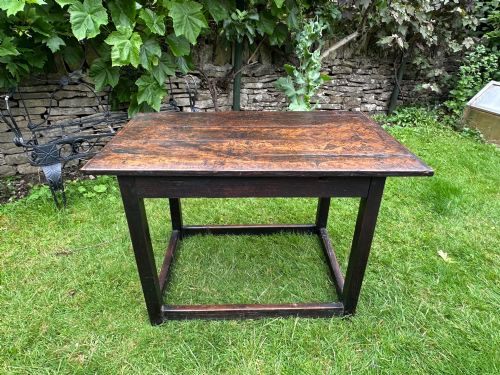
A dark timber coffee table appears in various forms on this page, including low tables, occasional pieces, and adapted trunks or coffers. These pieces draw from styles such as Georgian, Victorian Rustic, and Anglo-Indian, spanning the eighteenth, nineteenth, and early twentieth centuries.
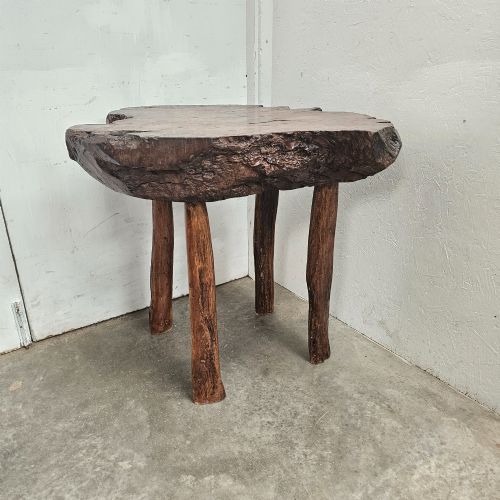
Buyers seeking a dark timber coffee table will encounter sturdy oak plank tops, primitive elm designs, and carved hardwood pieces originating from India, Japan, China, and Europe. Lower formats often repurpose utilitarian objects like opium tables, dough proving boxes, or bullock carts into functional coffee tables.
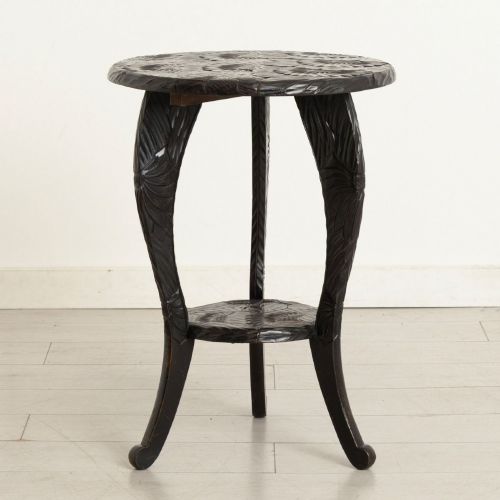
The selection ranges from simple provincial cricket tables to heavily carved Anglo-Indian elephant tables and intricate Chinoiserie nests. Each piece displays the distinct patination and darker hues characteristic of older hardwoods and fruitwoods.
How they were made
Construction relies on solid hardwoods such as oak, teak, mahogany, walnut, rosewood, and elm, often joined with traditional pegged or dovetailed joints. Artisans shaped these dense timbers using hand tools, resulting in thick plank tops and robust structural frames.
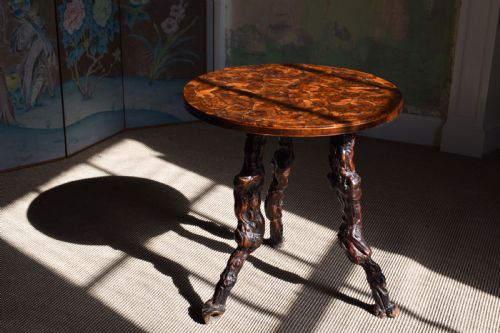
Surface ornamentation on these tables involves detailed hand carving, sculptural elements like grape vines, or inlaid details utilising bone and brass. Many pieces display natural burr figures or retain deep, dark finishes developed through decades of wax polishing and use.
Listings feature eighteenth, nineteenth, and early twentieth-century pieces, including primitive elm, carved hardwood, and oak examples.
What varies in quality
Quality in these pieces rests upon the integrity of the timber, the depth of the carving, and the fidelity of the period construction methods. Superior examples exhibit tightly grained solid hardwoods, balanced proportions, and crisp, hand-chiselled details rather than superficial surface decoration.
The distinction between a standard utility piece and a finer table often lies in the sophistication of the joinery and the originality of the surface. Altered or later-adapted items are common in this category, meaning untouched original structures command greater appreciation from collectors.
Liberty of London
The Dark Timber Coffee Table Glossary
- Plank top
- A table top constructed from wide, solid boards of timber rather than multiple smaller strips. This method showcases the natural grain and growth rings of older trees.
- Cricket table
- A small, three-legged occasional table with a round top, traditionally utilised in domestic English settings. The three-legged design ensured stability on uneven floors.
- Burr timber
- A growth deformity on a tree trunk that produces swirling, highly figured wood grain when sliced. Craftsmen prize this material for its decorative surface pattern.
- Hongmu
- A Chinese term translating to red wood, used to describe dense, dark tropical hardwoods utilised in traditional scholarly furniture. It possesses a heavy weight and a fine, polished grain.
Dark Timber Coffee Table: Frequently Asked Questions
How do I style a dark timber coffee table?
Pair the dark timber with lighter seating fabrics, neutral rugs, and metallic accents to balance the visual weight of the heavy wood. Simple ceramic vessels or books allow the natural grain and carvings of the table top to remain the focal point.
Consider the height and scale of the table in relation to surrounding sofas or armchairs. Low formats work well with contemporary low-slung seating, while larger plank-top designs anchor spacious reception rooms.
Are these tables practical for daily use?
Solid hardwood construction provides exceptional durability and stability for everyday living spaces. Many examples originate from utilitarian items built to withstand heavy daily demands, making them well-suited for modern family life.
Routine maintenance involves gentle dusting and occasional waxing to nourish the aged wood surface. Avoid placing hot items directly onto antique finishes to prevent ring marks.
How can I tell the period of an old table?
Examine the construction methods, tool marks on the underside, and the type of timber used in the frame. Hand-cut joinery, pegged tenons, and natural wear patterns accumulated over generations indicate considerable age.
Style indicators also help narrow the timeframe, such as the rustic simplicity of eighteenth-century pieces versus the elaborate carving seen in late nineteenth-century revival styles. Comparing the patina across different parts of the furniture reveals consistency in its ageing process.