
Dark Oak Wooden Stool
A dark oak wooden stool grounds a room with solid presence, offering sturdy utility shaped by centuries of domestic and tavern life.
Dark Oak Wooden Stool
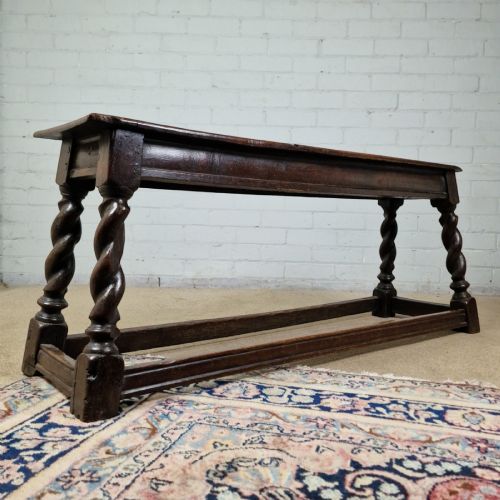
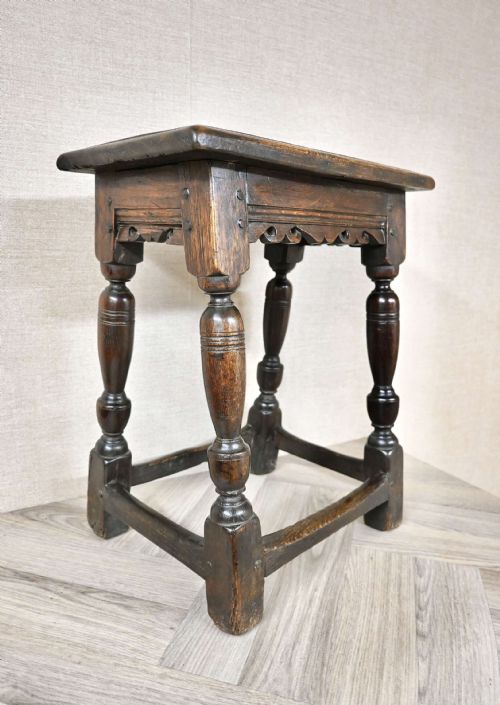
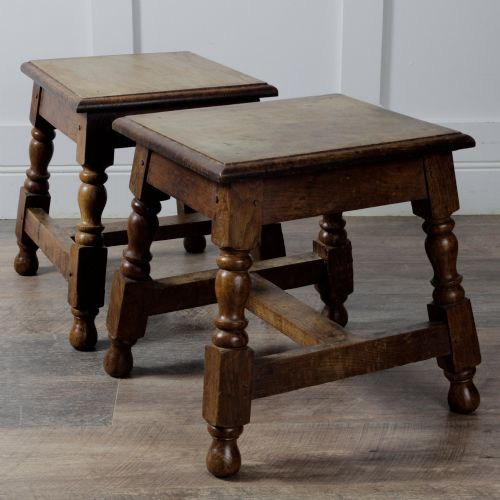
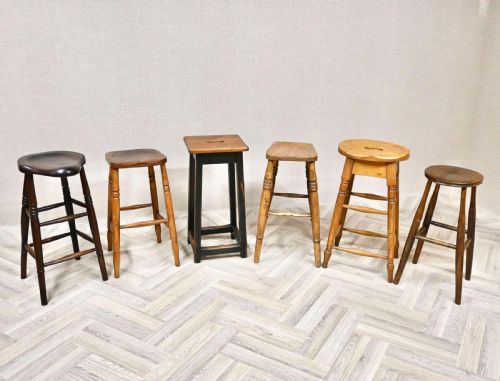
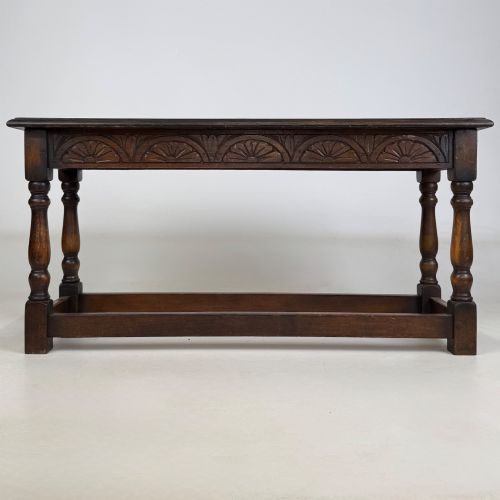
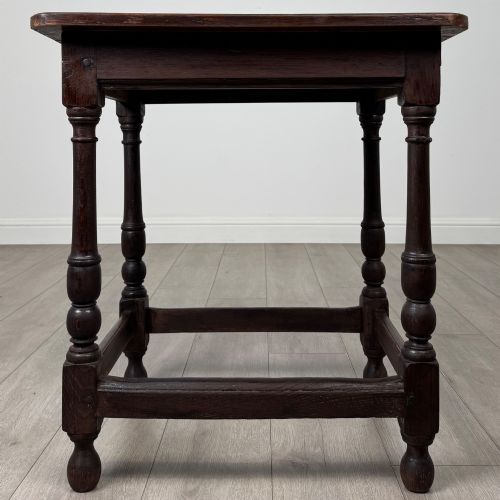
A dark oak wooden stool encompasses functional domestic seating from the seventeenth, eighteenth, and nineteenth centuries, alongside later Victorian and Edwardian interpretations. Buyers seeking this phrase encounter sturdy joint stools, tavern seats, and occasional footstools rooted in provincial craftsmanship.
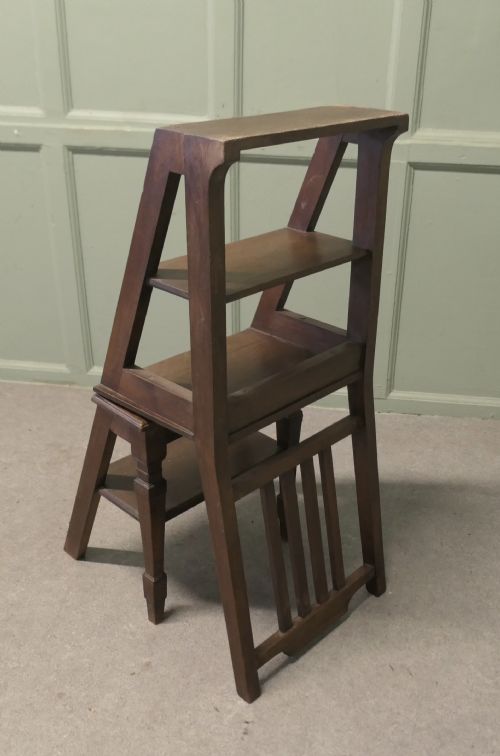
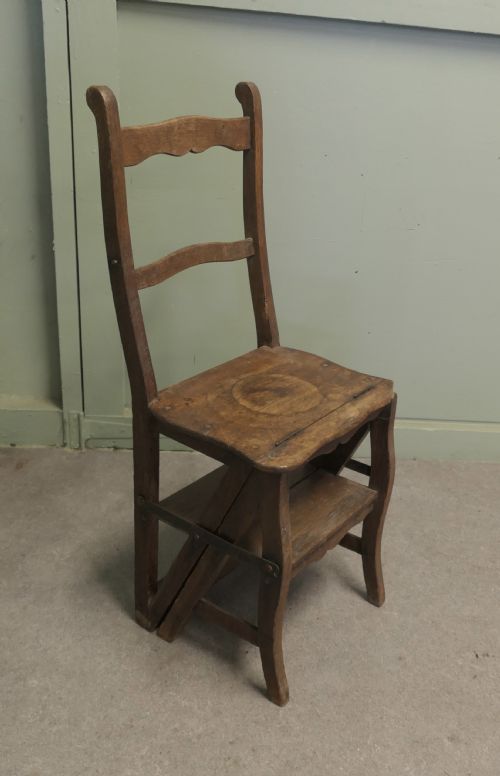
The selection ranges from early plank-top and box stool designs to tall bar variants and metamorphic library steps. Pieces span Jacobean, Georgian, and Victorian country traditions, reflecting how utilitarian seating evolved across domestic and commercial interiors.
Materials and construction
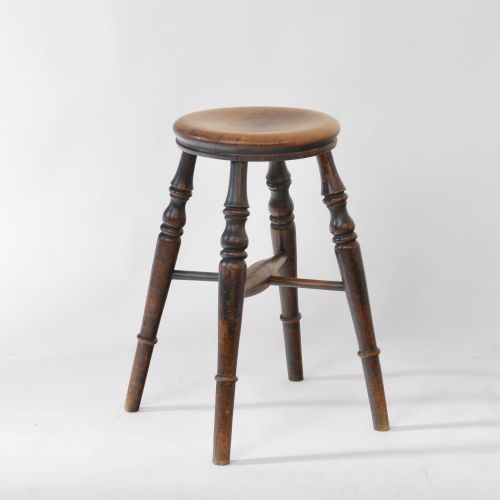
Makers relied primarily on oak, frequently paired with elm, ash, and sycamore for seats or secondary framing. Joinery relied on traditional pegged mortise and tenon joints to withstand heavy daily use in homes and public houses.
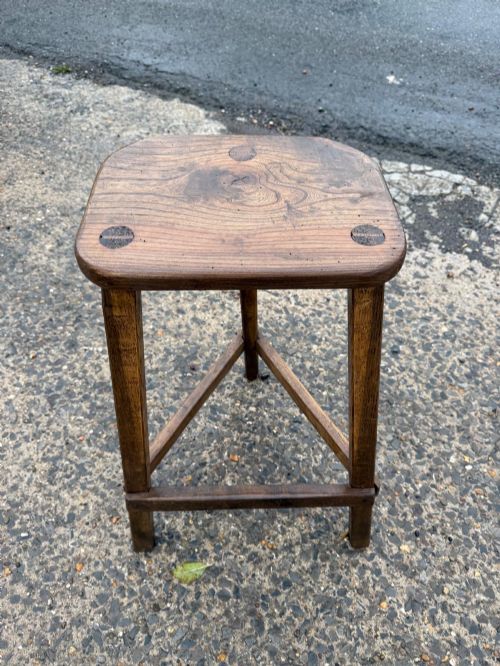
Surfaces often display natural grain patterns enhanced by decades of wax and handling. Iron and brass hardware occasionally appear on metamorphic or functional variants, while rush seating provides alternative texture on specific regional forms.
Certain nineteenth-century examples served specialist trades like silversmiths and jewellers, enduring long hours in industrial workshops.
Assessing the pieces
Quality rests in the integrity of the original construction and the preservation of surface patination. Examples retaining authentic timber without excessive replacement of pegs or stretchers stand apart from heavily restored alternatives.
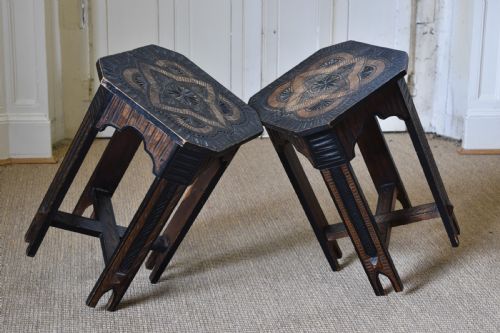
Proportion and sculptural detail dictate distinction, particularly where turnings, chip carving, or dished seats display deliberate craftsmanship rather than purely utilitarian haste.
The Dark Oak Wooden Stool Glossary
- Joint Stool
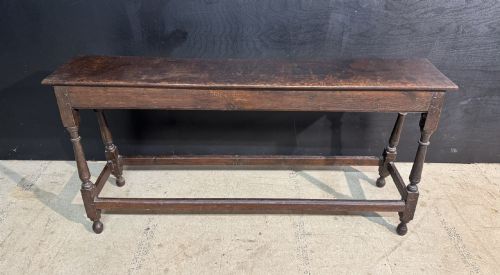
- An early form of wooden stool constructed with mortise and tenon joints held together by wooden pegs. These pieces pre-date widespread chair use in common households.
- Close Stool
- A domestic piece enclosing a chamber pot, often disguised as a small chest or cabinet with a hinged lid. They served private sanitation needs before indoor plumbing.
- Box Stool
- A seating form featuring a hollow base beneath the lid for storage. They combined practicality with compact domestic utility.
- Plank Top
- A seat formed from a single solid board of timber rather than multiple joined panels. This construction method appears frequently on regional rustic seating.
- Tavern Stool
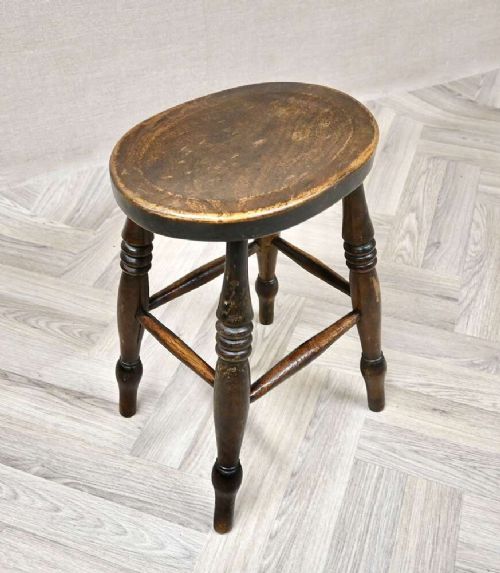
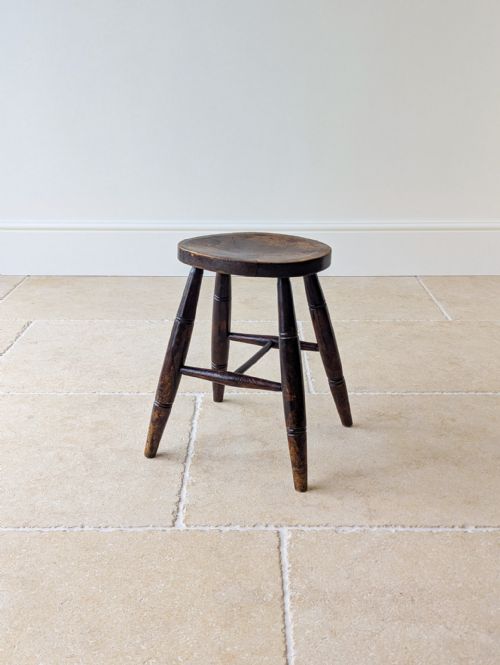
- A sturdy commercial seat designed for public house use, typically featuring a dished oval top and robust bracing. They were built to endure heavy foot traffic and daily wear.
Dark Oak Wooden Stool: Frequently Asked Questions
What is a joint stool?
A joint stool is an early wooden seat constructed with pegged mortise and tenon joinery rather than glued joints. Carpenters built them to standard table heights for versatile household seating.
They served multiple domestic purposes, occasionally functioning as small side tables or stands for household objects when extra seating was unnecessary.
How were close stools used?
Close stools functioned as indoor sanitation furniture by enclosing a ceramic chamber pot within a wooden cabinet or chest structure. They kept household hygiene discreet before modern bathrooms existed.
Craftsmen often shaped them to resemble small bedside tables or chests so they blended seamlessly into period bedchambers.
Where did tavern stools originate?
Tavern stools originated as commercial seating for public houses, alehouses, and inns during the eighteenth and nineteenth centuries. Publicans required robust furniture capable of withstanding constant daily use by patrons.
Their simple design typically featured durable hardwood construction, sturdy stretchers, and dished wooden tops for comfort during long evenings.
How do I care for dark oak?
Dark oak benefits from occasional applications of natural beeswax to nourish the timber and protect the surface from drying out. Avoid placing antique wood in direct sunlight or near sudden heat sources.
Gentle dusting with a dry cloth preserves the historical finish and prevents accumulation of grit within carved details or joints.