

Dark Oak Small Chest
A dark oak small chest brings useful storage and deep grain into a room without dominating the floor space.
Dark Oak Small Chest
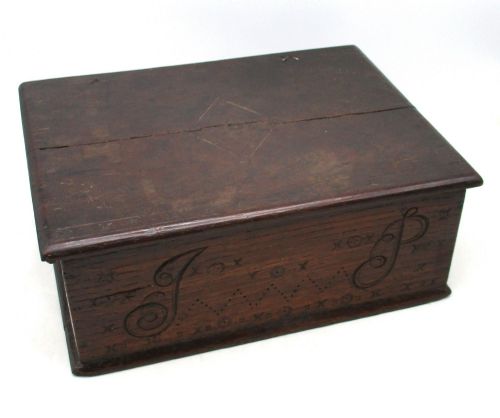
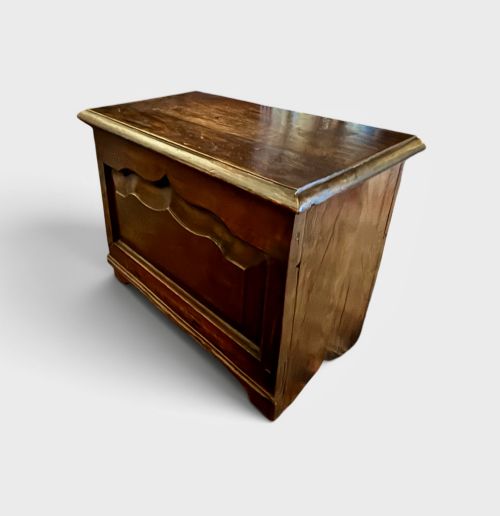
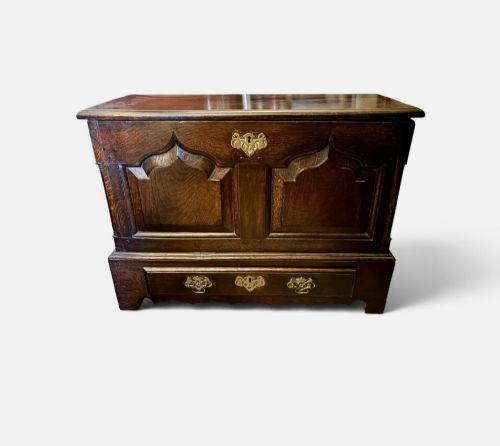
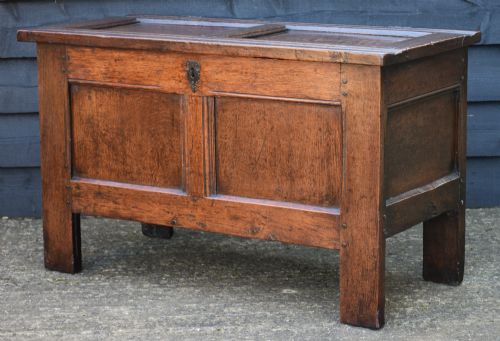
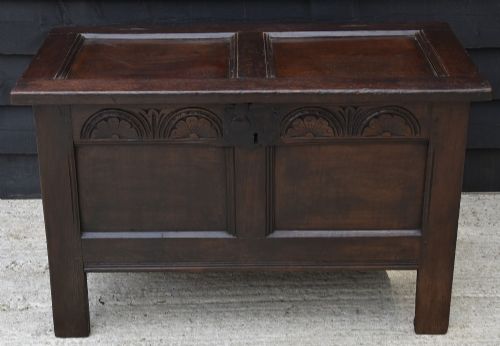
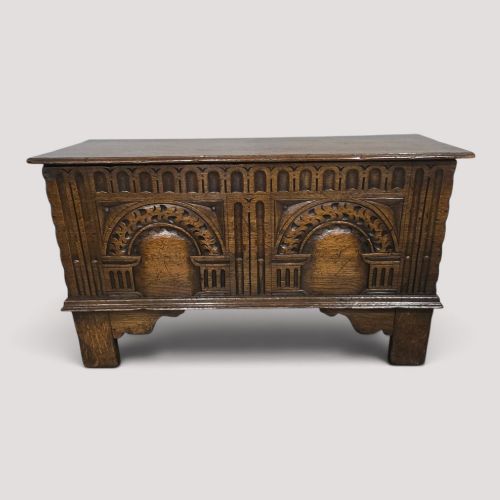
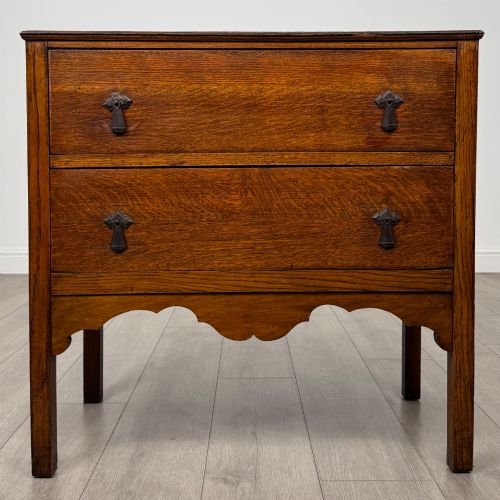
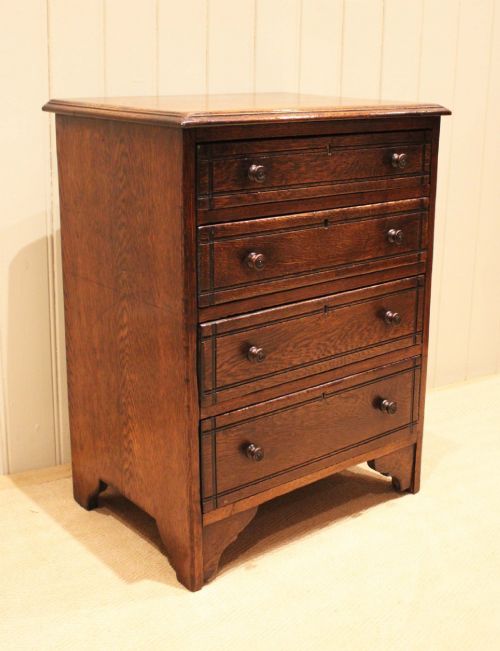
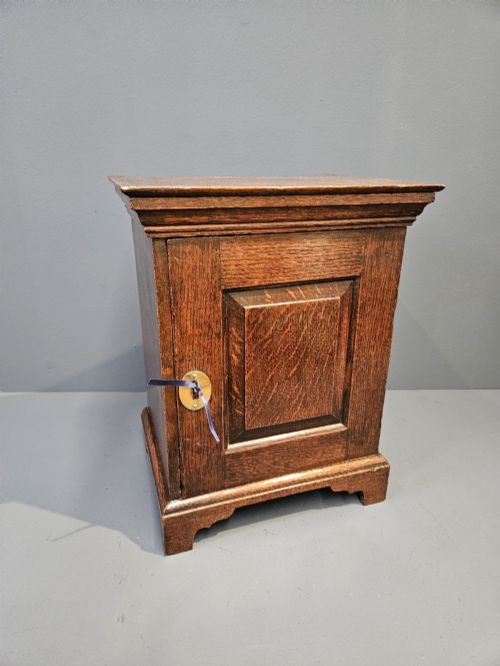
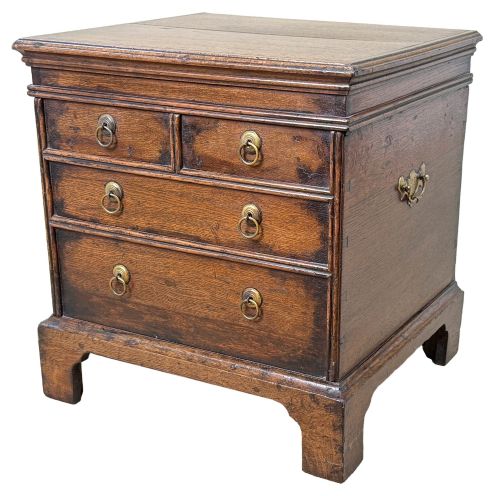
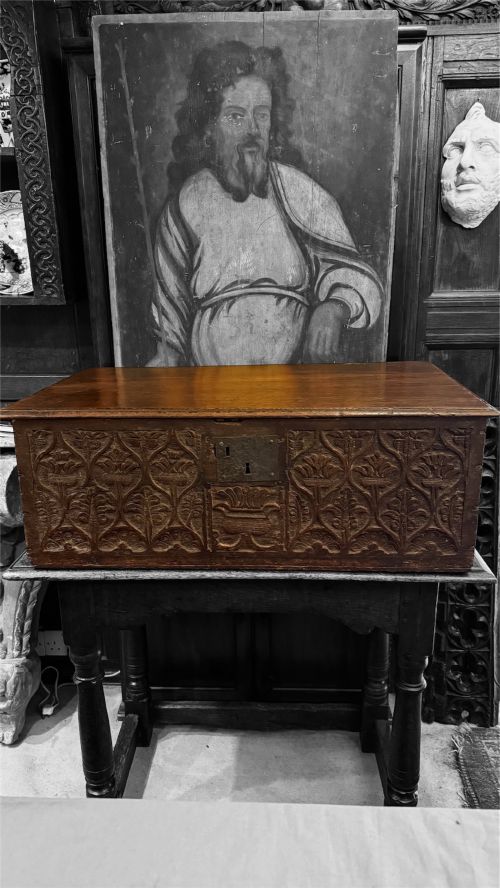
A dark oak small chest encompasses a variety of compact storage forms, from document boxes and spice cupboards to miniature coffers and small chests of drawers. These pieces date across several centuries, with particular representation from the seventeenth and eighteenth centuries.
Buyers meet regional variations such as the Welsh coffer bach, alongside Georgian chest on stand forms and vernacular country pieces. The common thread remains solid timber construction scaled down for tabletops or tight domestic spaces.
The materials lean heavily on solid oak supplemented by brass and iron hardware, reflecting the utilitarian origins of many surviving examples.
How they were made
Cabinet makers utilised solid oak boards joined with traditional methods like panel and frame construction, dovetails and pegged joints. The timber often received wax or oil finishes over decades of handling, which deepened the natural dark tone.
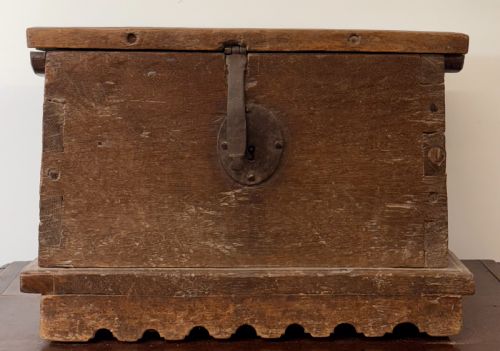
Hardware such as strap hinges, latches and drop handles relied on hand-forged iron or cast brass, fixed directly to the timber with handmade nails or screws.
Materials extend beyond oak to include chestnut, pine, brass and wrought iron across various box and chest formats.
What varies in quality
Proportion and original surface condition separate standard vernacular boxes from exceptional cabinet work. Pieces retaining their original stands, feet and uncompromised timber patination sit at the higher end of the range.
The crispness of hand-carved panels, such as linenfold or geometric mouldings, indicates the skill of the original maker. Alterations to hardware or replaced timber sections shift the standing of an item within the historical scale.
The Dark Oak Small Chest Glossary
- Coffer bach
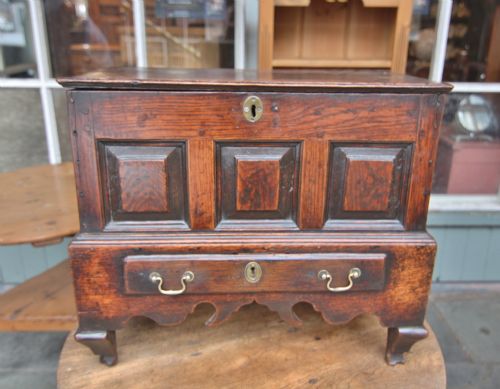
- A small Welsh tabletop chest traditionally used for storing valuables or linen. These miniature coffers often feature a single drawer beneath the main lid compartment.
- Mule chest
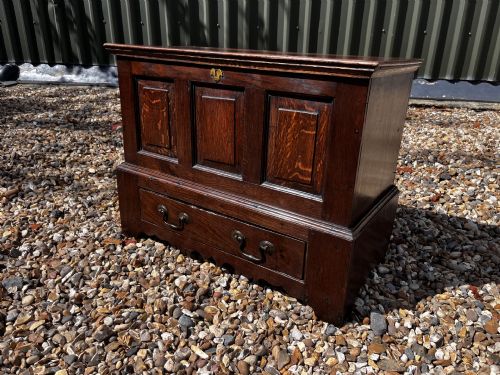
- A storage chest fitted with one or more drawers at the base beneath the primary lift-up lid section. They bridge the functional gap between a standard coffer and a chest of drawers.
- Document box
- A compact lidded box designed to hold legal papers, letters or small valuables securely. They frequently date to the seventeenth century and display panelled construction.
- Chest on stand
- A case piece elevated on a separate framework of legs connected by stretchers. This form lifts the main storage compartments off the floor.
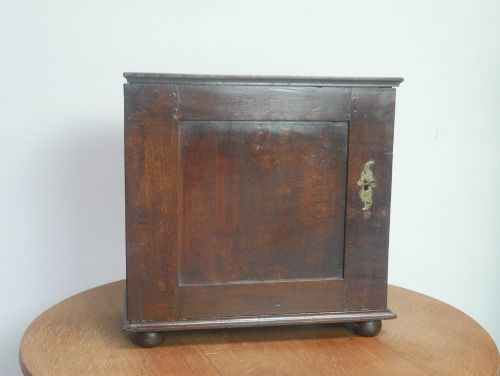
- Spice cupboard
- A small wall-hanging or tabletop cabinet containing multiple internal drawers for storing valuable provisions. They often feature fielded panel doors and brass hardware.
Dark Oak Small Chest: Frequently Asked Questions
What is a coffer bach?
A coffer bach is a small Welsh storage chest built with a lift-up lid and usually a single drawer underneath. Families used them to hold precious items, important documents or christening gifts.
These pieces typically sit on small feet and reflect domestic vernacular woodworking traditions from the eighteenth century.
Where were small oak chests placed?
These compact chests served primarily on tabletops, sideboards or chests of drawers to keep small valuables secure. Their modest proportions allowed them to fit into tight spaces in period homes.
Document boxes and spice cupboards often hung on walls or rested on dedicated stands to keep contents within easy reach.
How do I identify seventeenth century oak?
Seventeenth century oak pieces generally show pegged frame and panel construction rather than modern glued joints. The timber grain displays distinctive medullary rays, often referred to as silver grain, visible across the surface.
Hand-tool marks, wrought iron hardware and dark patination accumulated over centuries further point to this early period.
Are these chests made of solid oak?
The listings show solid oak as the primary material, often paired with secondary woods like pine or chestnut in hidden areas such as drawer bases. Cabinet makers relied on thick boards rather than veneers for these robust domestic items.
Hardware components incorporate wrought iron and brass to secure the lids and drawers.