
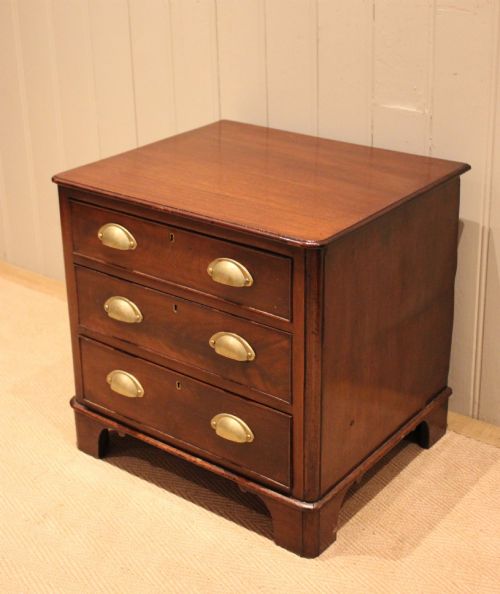
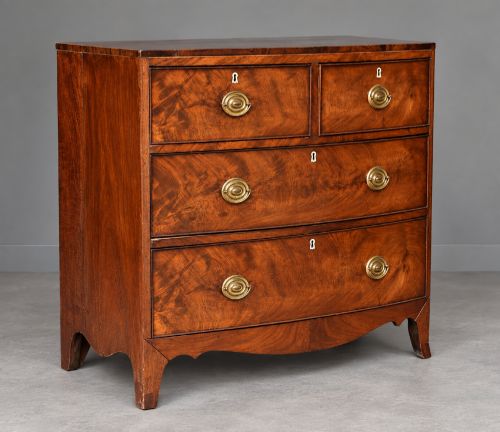

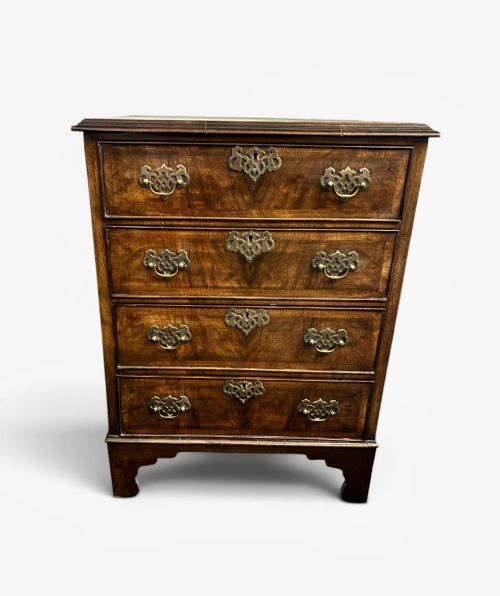
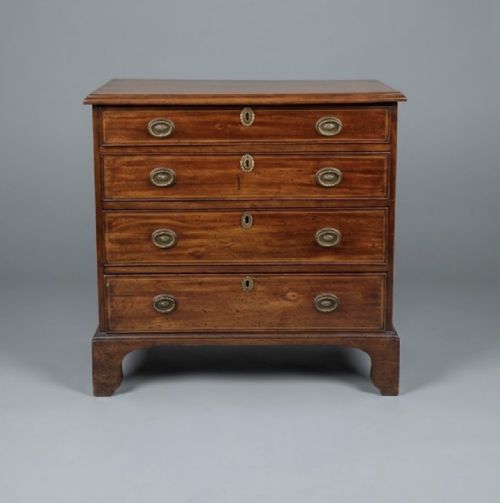
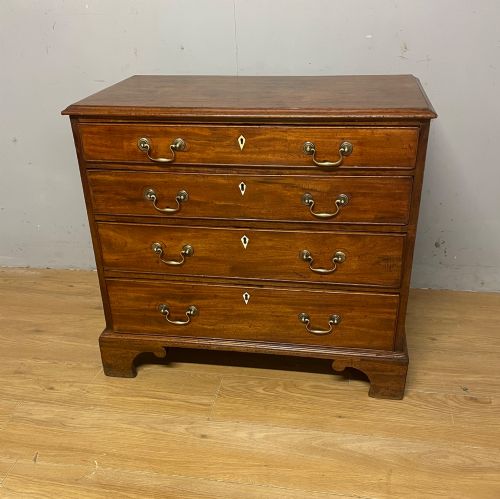
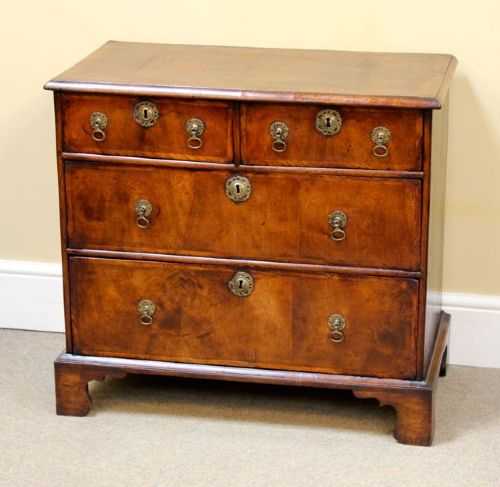
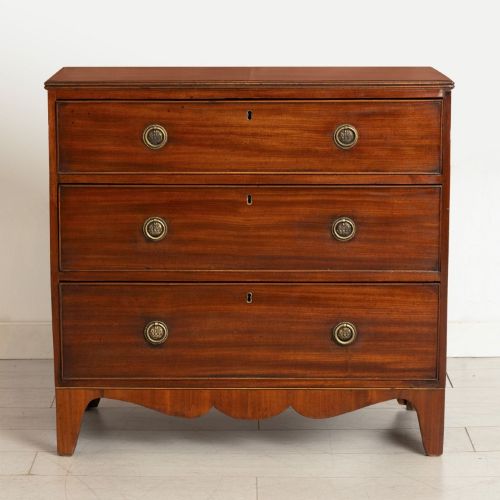
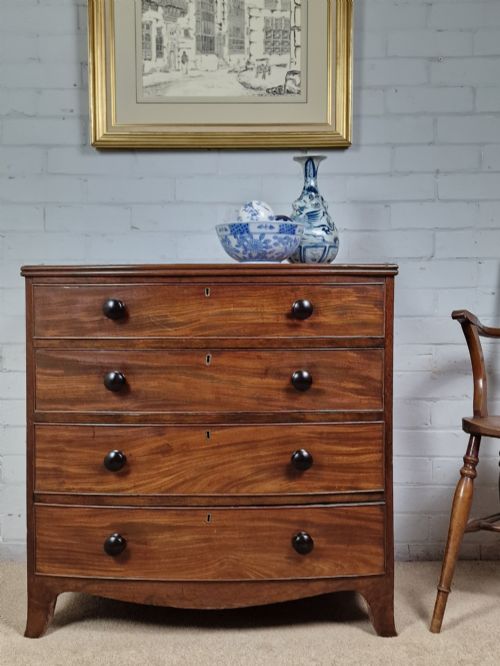
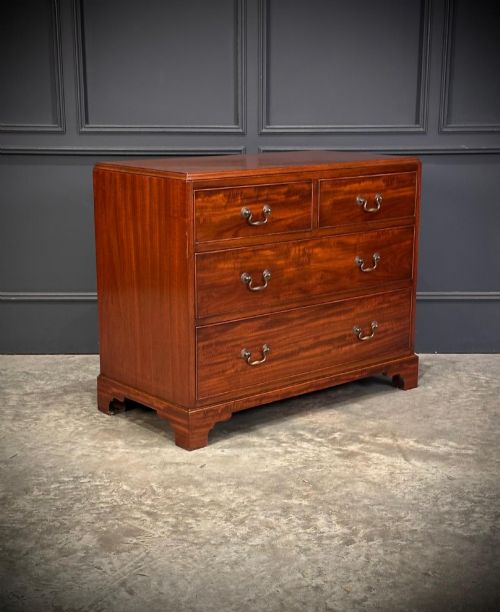
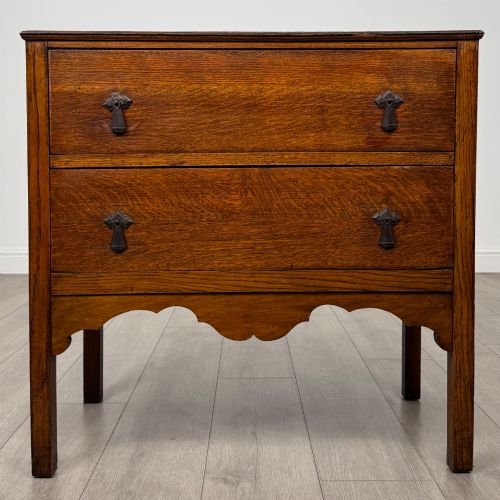
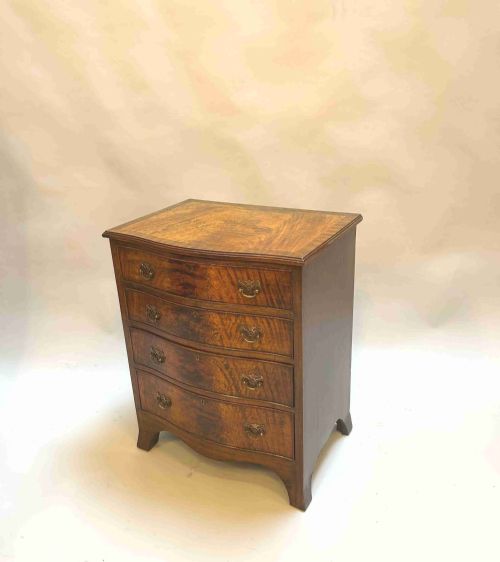
Small Wooden Commode Chest
A small wooden commode chest offers compact storage through timeless drawer configurations.
Small Wooden Commode Chest
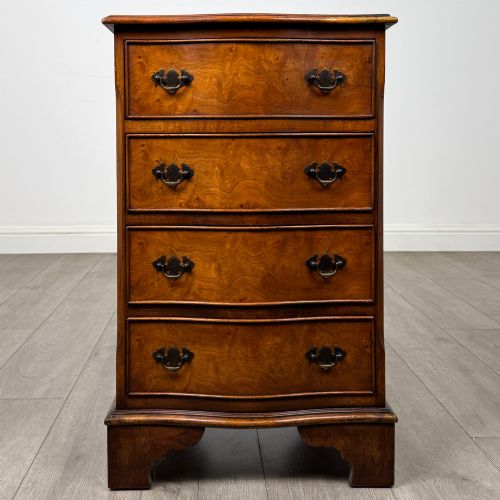
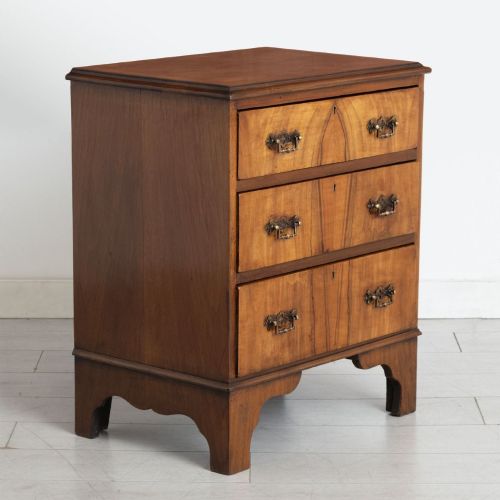
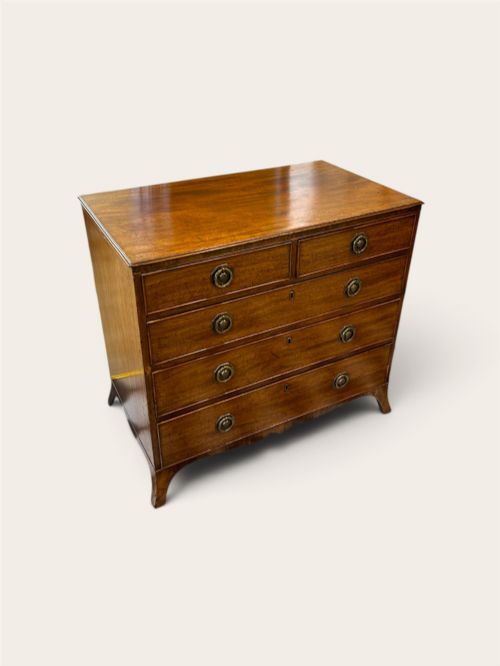
A small wooden commode chest appears in forms ranging from Georgian and Victorian chests of drawers to 18th-century close stools and bedside cabinets. Buyers seeking a small wooden commode chest encounter miniature furniture, side cabinets, and low chests designed for modest spaces.
The periods represented stretch from the 18th century through the Edwardian era, encompassing George III and Regency designs alongside later revivals. Common configurations include bowfront and serpentine shapes executed in various timber species.
Materials and construction
Cabinet makers utilised solid woods and veneers including mahogany, walnut, burr walnut, oak, elm, and pine. Brass hardware such as handles and escutcheons frequently provides contrast to the timber surfaces.
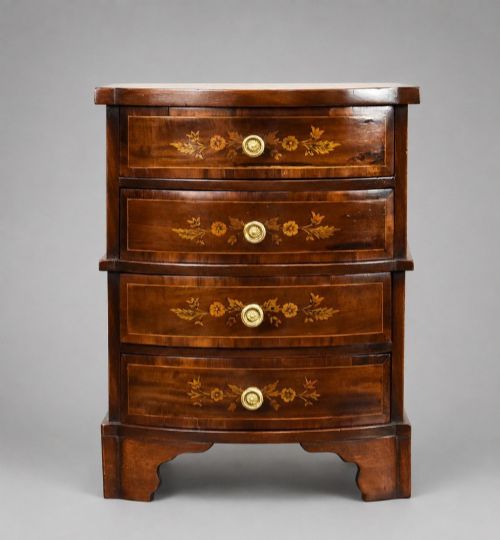
Joinery methods reflect the period of origin, from 18th-century dovetailing to later revival techniques. Timber selection often incorporates crossbanding, inlay, and marquetry on top surfaces and drawer fronts.
Some 18th-century elm and oak close stools masquerade entirely as innocent bedside chests, guarding private domestic arrangements with deceptive charm.
Judging quality
The standard of timber selection and figuring largely dictates the visual appeal of a small wooden commode chest. Well-figured burr walnut, matched mahogany grains, and precise crossbanding distinguish finer examples from plain utilitarian pieces.
Proportions and execution of specific styles, such as serpentine or bowfront shapes, demonstrate the maker's skill. Retained original brass handles and clean internal drawer construction further separate superior pieces within this category.
The Small Wooden Commode Chest Glossary
- Bowfront
- A convex curved front profile popular on Georgian and later chests of drawers. This shape softens the corners of case furniture while increasing central depth.
- Serpentine
- A wave-like front having a concave centre flanked by convex outer curves. Cabinet makers required considerable skill to shape drawers and frames to this complex contour.
- Close stool
- A piece of furniture enclosing a chamber pot, often disguised as a small bedside chest or cabinet. 18th-century examples frequently utilise oak or elm.
- Crossbanding
- A narrow strip of veneer laid around the border of a drawer front or top with the grain running perpendicular to the surrounding surface. This technique frames the primary timber.
- Marquetry
- Decorative patterns formed by inserting pieces of contrasting veneer into a prepared wooden background. Floral or geometric designs often adorn miniature furniture and revival pieces.
Small Wooden Commode Chest: Frequently Asked Questions
What is a small wooden commode chest?
A small wooden commode chest is a compact piece of case furniture functioning as a chest of drawers, bedside cabinet, or close stool. These items provide practical storage while occupying minimal floor space.
Originating across multiple centuries, pieces range from 18th-century utility forms to decorative Georgian and Edwardian designs constructed in mahogany, walnut, and oak.
How do I date an antique wooden chest?
Dating relies upon examining construction methods, timber choices, and stylistic details such as bracket feet or hardware. Georgian pieces display period-specific joinery and proportions distinct from later Victorian or Edwardian revivals.
Secondary woods inside drawers and the ageing patterns of the timber provide further clues regarding the decade of manufacture.
Where can I place a small chest?
Compact dimensions allow these chests to function effectively as bedside tables, hallway accents, or storage surfaces in smaller rooms. Their modest footprint fits awkward corners and narrow wall spaces.
Drawers accommodate everyday items while the top surface supports lamps, books, or decorative objects without crowding the surrounding area.
What is the difference between George III and Georgian Revival?
George III pieces date directly from the reign of that monarch in the 18th century, showcasing period materials and hand-tooling techniques. These items carry historical provenance and age.
Georgian Revival furniture was produced later, typically around 1900 to 1920, copying earlier 18th-century aesthetics using contemporary workshop practices of that later era.