
Dark Oak Drop Leaf
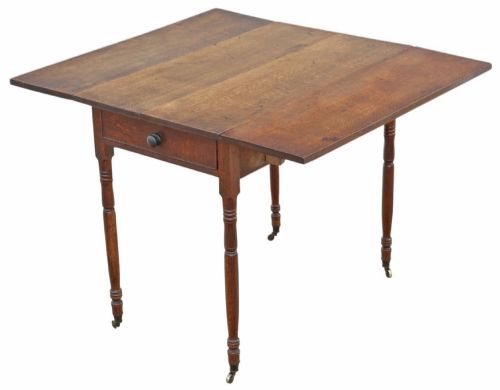
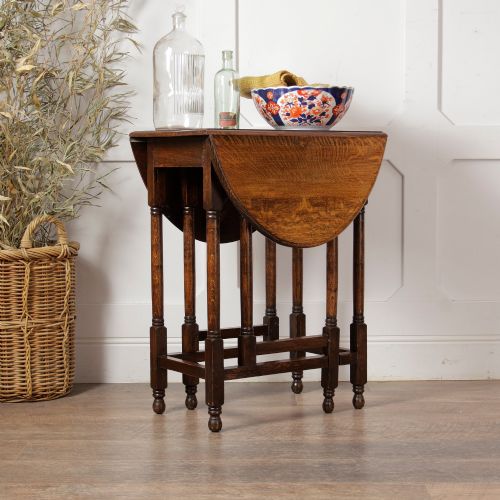
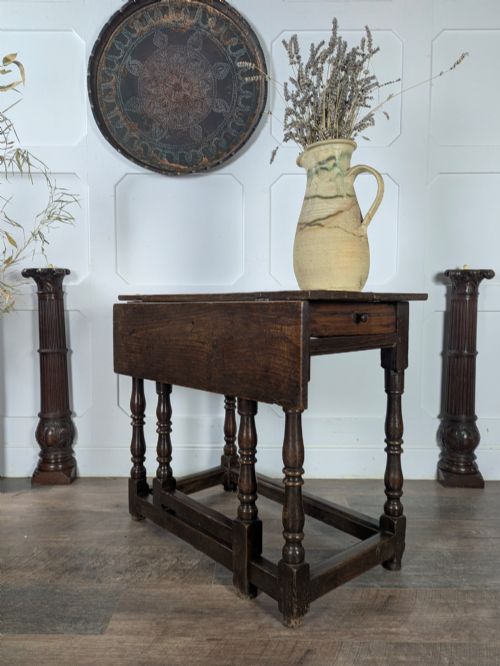
Dark oak drop leaf tables are practical folding timber furniture pieces providing expandable surface space with deep historical character.
Dark Oak Drop Leaf
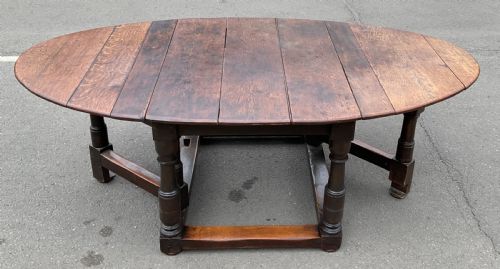
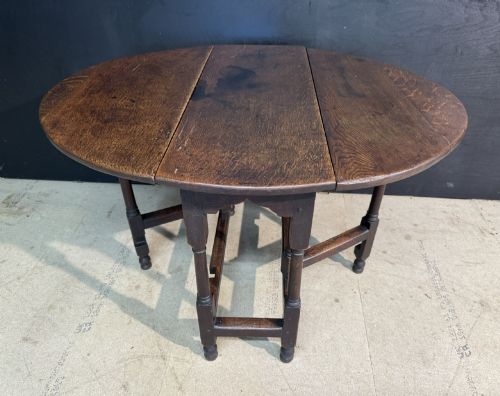
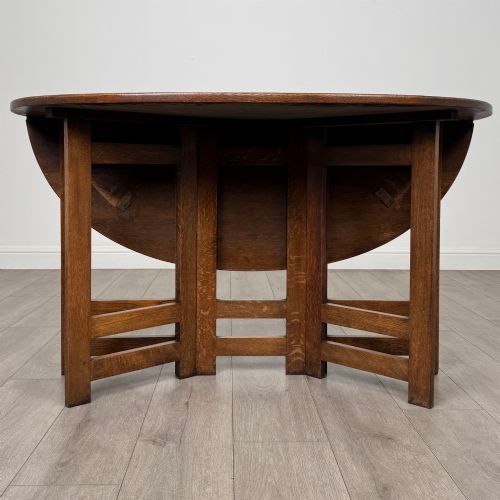
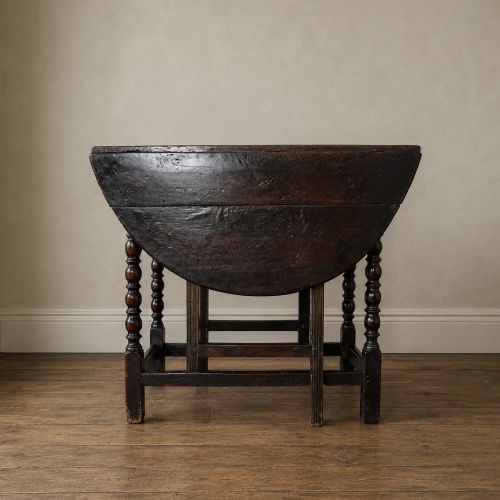
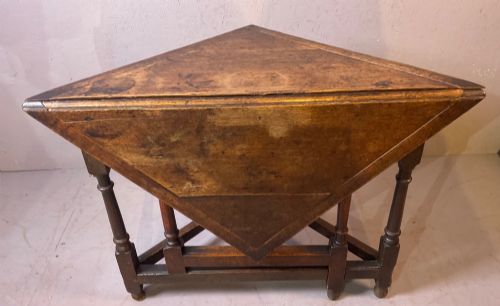
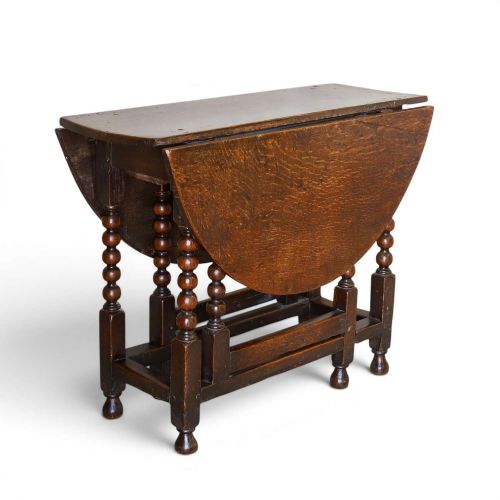
When you search for dark oak drop leaf furniture, you encounter gateleg tables, side tables, and dining tables spanning from the seventeenth century through the twentieth century. The selection ranges from early examples with plank tops to later revival pieces produced in the Edwardian era and the nineteen-twenties.
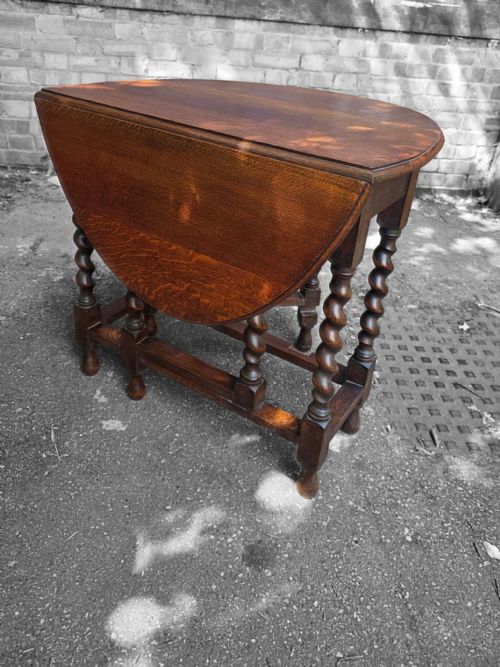
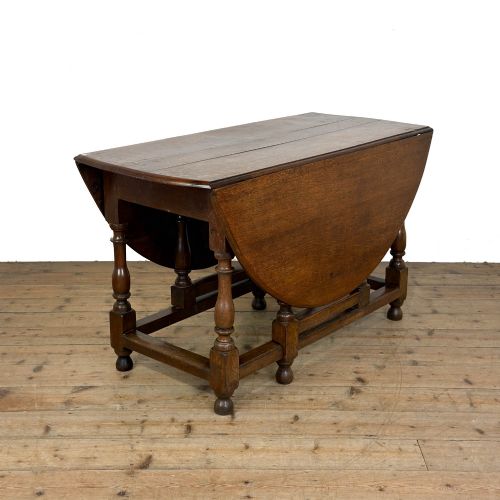
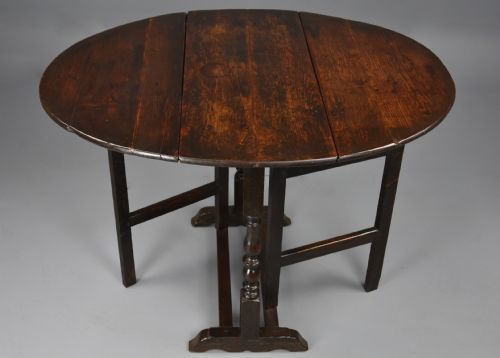
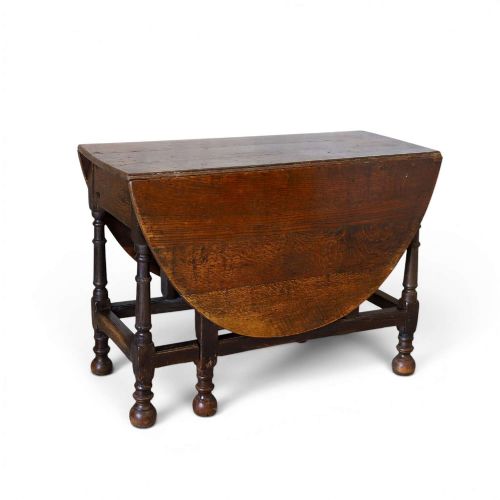
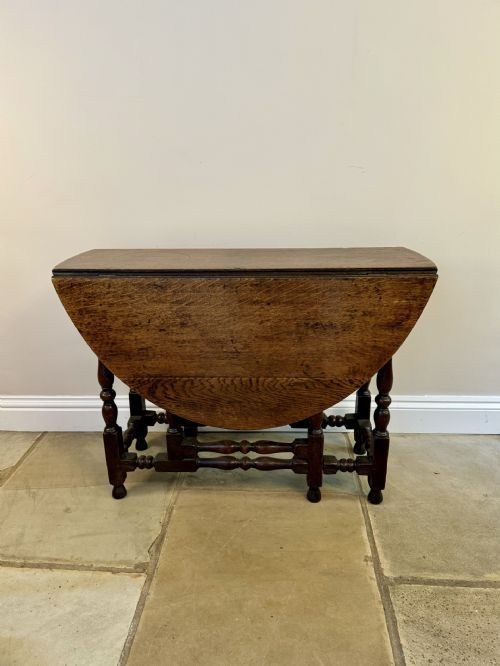
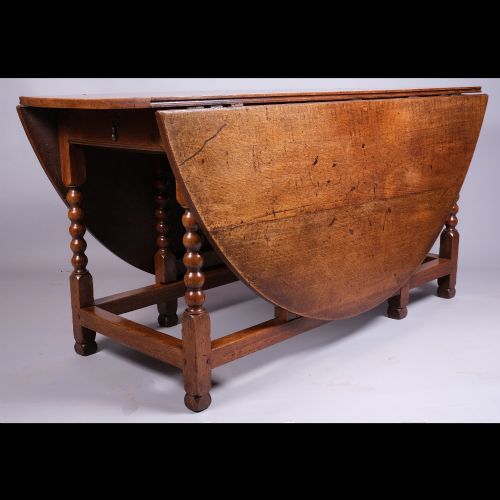
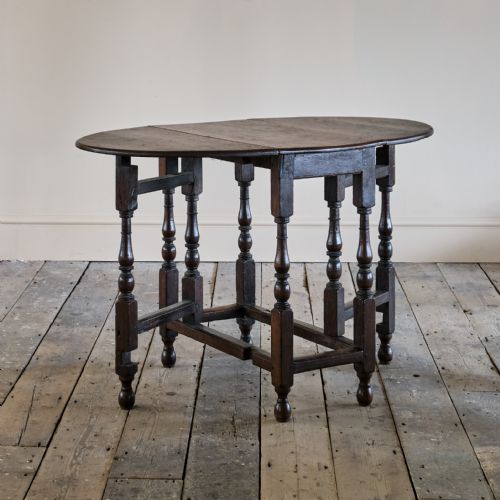
Gateleg tables dominate the listings, offering hinged leaves supported by pivoting legs that swing out to bear weight. Dining tables and smaller side tables appear frequently, alongside occasional tables and tea trolleys constructed in solid oak.
Materials and construction
Makers utilised solid oak supplemented by secondary timbers such as ash, employing pegged joints and turned supports including bobbin and baluster legs. Iron and brass hardware secure the hinges and structural movement of the leaves.
Surfaces demonstrate traditional finishing techniques that develop a warm patina over centuries of use, preserving the natural grain and darker tones of the wood.
Dark Oak Drop Leaf Retail Price Guide 2026
Typical asking prices for dark oak drop leaf among the pieces listed under this phrase on Sellingantiques today, from the lower quarter to the upper quarter. They describe what is for sale here now, not the wider market.
Some seventeenth-century gateleg tables retain the faint wax drips of old tallow candles spilled during long supper hours.
Proportion and originality
Superior examples display balanced proportions, small dimensions, and untouched original surfaces that reflect the integrity of the period. The handling of turned legs and the retention of original hinges distinguish exceptional pieces from standard production.
The depth of the natural patina and the tightness of the joinery separate early vernacular pieces from later revivals, marking the distinction between utilitarian age and refined craftsmanship.
The Dark Oak Drop Leaf Glossary
- Gateleg table
- A table with hinged flaps and swinging legs that support the leaves when raised. This design provides robust seating capacity while folding compactly when not in use.
- Bobbin turning
- A type of lathe-turned leg resembling a string of spools or bobbins. This decorative turning appears frequently on seventeenth-century joined furniture.
- Patina
- The surface sheen and darkening developed by timber over years of handling, exposure, and wax application. It serves as an indicator of age and continuous use.
- Plank top
- A table surface constructed from solid boards joined edge to edge. This construction method typifies early vernacular tables before veneering became widespread.
Dark Oak Drop Leaf: Frequently Asked Questions
How do I date a gateleg table?
Examine the construction methods, tool marks, and turning styles visible on the underframe. Seventeenth-century examples often feature heavy baluster or bobbin turnings with pegged joints, whereas twentieth-century revivals display machine-cut precision.
Hardware also provides clues, as hand-forged iron hinges differ markedly from modern brass substitutes. The wood's patina deepens over generations, offering a visual timeline of the piece.
Were these tables used for dining?
Large gateleg tables served as primary dining surfaces in seventeenth and eighteenth-century homes. Their expandable leaves accommodated families for meals and folded down to clear floor space afterward.
Smaller variants functioned as side tables or tea tables in parlours. This versatility explains their enduring presence across multiple centuries of interior design.
How do I care for antique oak?
Maintain the timber by applying a traditional beeswax polish sparingly to nourish the grain. Avoid placing the furniture near direct heat sources or strong sunlight, which causes the wood to dry and split.
Dust regularly with a soft cloth and wipe spills immediately. Preserving the natural finish protects the historic patina built up over decades.