



Dark Mahogany Extendable Table
A dark mahogany extendable table provides generous dining space using rich timber surfaces and clever mechanisms.

Dark Mahogany Extendable Table
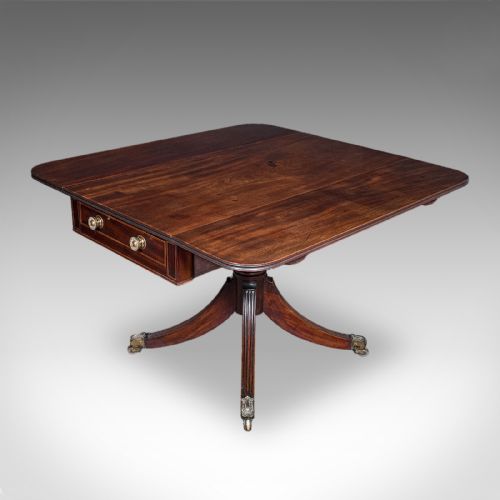
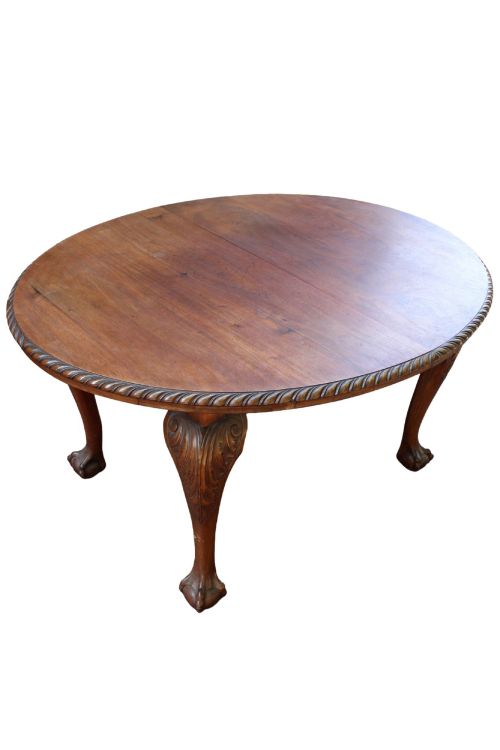
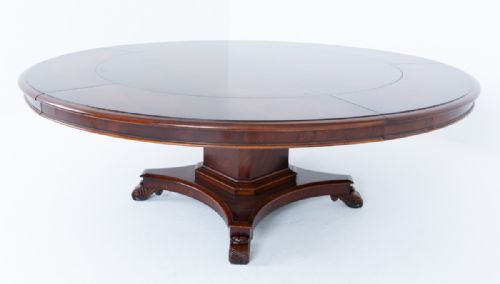
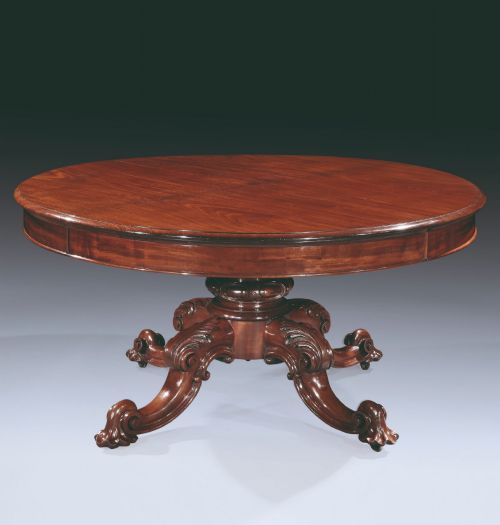
A dark mahogany extendable table brings centuries of dining tradition into a room through deep timber tones and practical design. Buyers searching for a dark mahogany extendable table encounter pieces originating from the Georgian, Regency, and Victorian periods alongside later revivals.
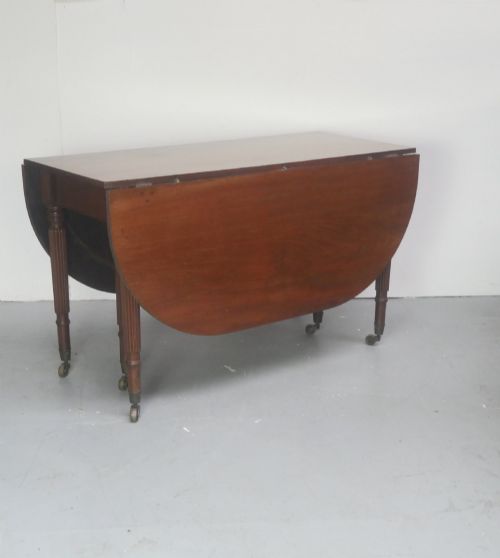
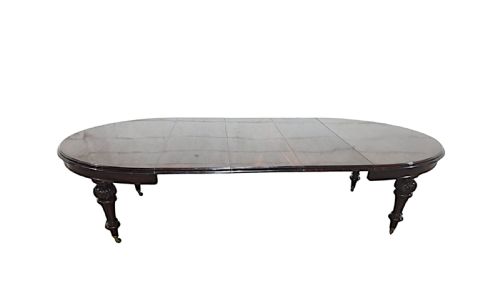
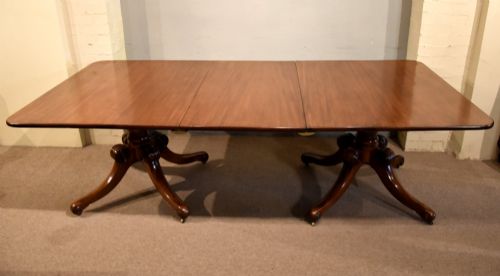
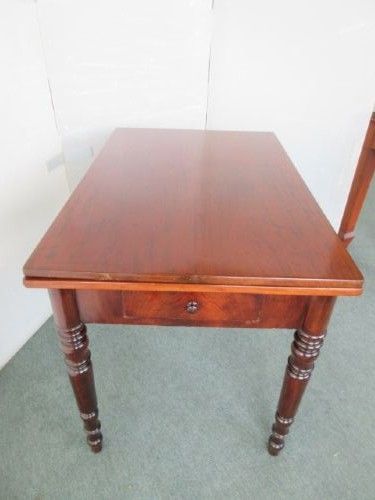
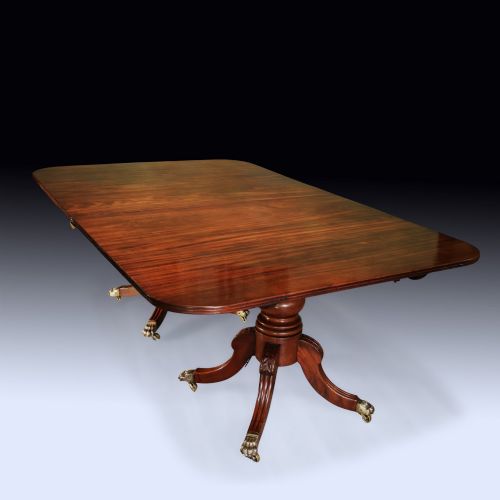
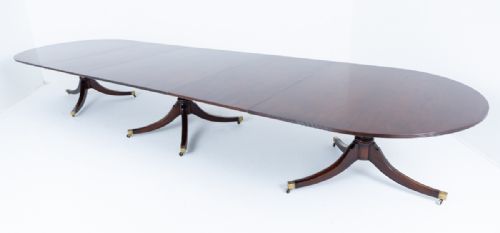
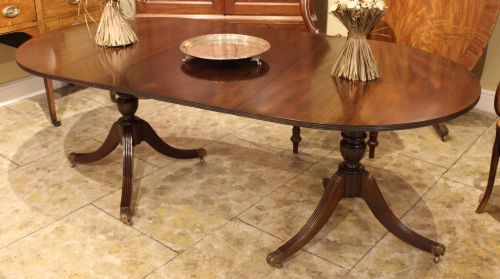
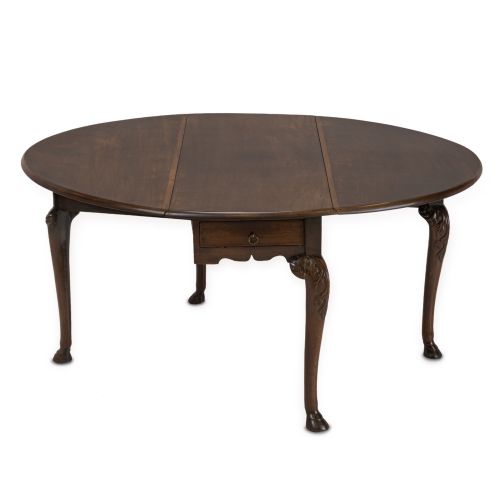
The selections on this page range from twin and triple pillar pedestal bases to drop-leaf formats and clever wind-out mechanisms. Dining tables span intimate four-seater proportions up to grand formats accommodating twenty or more guests with multiple extra leaves.
Materials and construction
Cabinet makers utilised dense mahogany timber for its deep colour and durability, frequently pairing the primary wood with satinwood inlay for contrast. Structural components often incorporate brass castors and metal mechanisms to facilitate smooth extension.
Tables rely on pedestals, gatelegs, or drop-leaf hinges to support heavy leaves while maintaining stability. Professional joinery techniques ensure the timber tolerates movement across seasonal humidity changes.
Several tables stretch long enough to feed twenty guests, requiring a brisk walk just to salt the potatoes at the far end.
Assessing craftsmanship and finish
The finest examples display richly figured grain patterns across matched timber leaves that align neatly when extended. Superior tables maintain a smooth, consistent operation in their wind-out systems and pillar alignments.
Lower tiers of quality show plain timber selections, less precise joints, or mechanical components that require heavy effort to adjust. The depth of the hand-polished finish and the integrity of the original brass castors separate standard production from masterwork execution.
Gillows·William and Gibton
The Dark Mahogany Extendable Table Glossary
- D-End
- A dining table format featuring semicircular ends that detach or fold, allowing the central section to receive extra leaves. This configuration was especially popular during the Regency period.
- Wind-out Mechanism
- An internal geared system operated by a crank handle that separates the table halves to insert additional leaves. It allows smooth adjustment for larger dining parties.
- Drop-Leaf
- A table style with a fixed centre section and hinged flaps that lower or rise on swinging brackets. It offers compact storage when extended leaves are not needed.
- Pedestal Base
- A central column support resting on splayed legs, often fitted with brass castors. Multiple pedestals support longer extending dining tables.
- Gateleg
- A table design featuring hinged legs that swing outward to support folding leaves. This construction provides robust support for drop-leaf surfaces.
Dark Mahogany Extendable Table: Frequently Asked Questions
How do wind-out mechanisms operate?
A removable metal crank handle inserts into a socket beneath the table rim. Turning the handle rotates internal metal screws that pull the table halves apart or draw them together.
This movement creates the precise gap required to drop in one or more additional wooden leaves. The mechanism ensures the table top remains level and tightly closed during daily use.
How do I care for mahogany surfaces?
Mahogany requires consistent dusting with a soft, dry cloth to prevent surface grit accumulation. Direct sunlight and extreme heat sources should be avoided to prevent timber warping and fading.
Periodic application of appropriate furniture wax nourishes the grain and maintains the rich dark lustre. Felt mats beneath hot dishes and protective pads under heavy objects safeguard the polish.
How do I distinguish Regency from Victorian tables?
Regency tables typically display restrained classical proportions, brass inlay, reeded pillar legs, and lighter brass castors. They date from the early nineteenth century and favour elegance.
Victorian pieces from the mid to late nineteenth century often appear heavier, with deep figured mahogany, heavy pillar turnings, and robust extendable frames. These later tables frequently accommodate larger seating capacities.