


Extending Drop Leaf Table
An extending drop leaf table offers clever space-saving flexibility, opening from a compact fold into a generous surface for dining.
Extending Drop Leaf Table
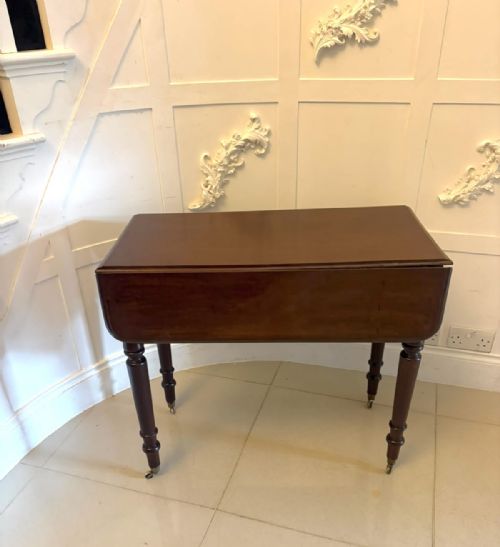
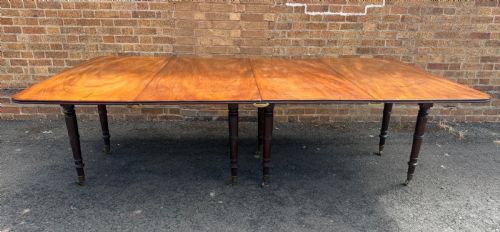
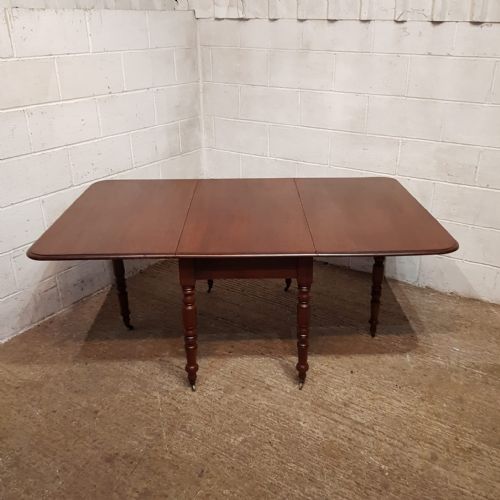
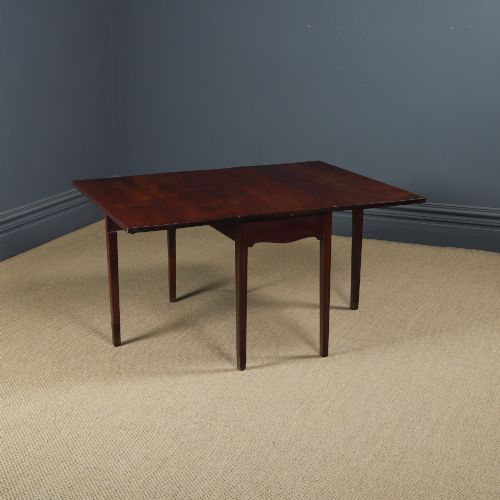
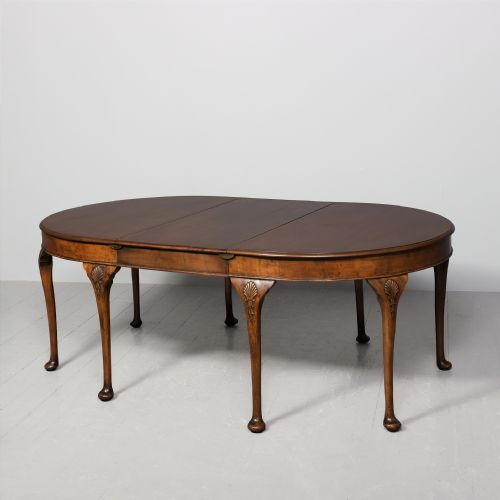
An extending drop leaf table combines hinged flaps with mechanisms or additional leaves to alter its footprint. You meet these primarily in mahogany and oak, spanning periods from the Georgian era through the Regency and Victorian periods up to the early twentieth century. Forms range from compact pembroke and sofa tables to large gateleg and wake dining tables designed to seat eight, ten, or twelve people.
The practical genius of these pieces lies in their adaptability for domestic interiors where space shifts between daily living and hosting. Smaller versions function as side tables or bedside cabinets until flaps are raised, while larger examples operate as substantial dining tables. The design vocabulary draws on styles such as George III, French Empire, Jacobean Revival, and rustic farmhouse.
How They Were Made
Construction relies heavily on timber selection, with solid mahogany, oak, and walnut forming the structural backbone, often enhanced by rosewood, pine, and marquetry inlay. Cabinetmakers utilised robust joints, gateleg actions, and sliding or drop-in leaves to support expanding weight safely.
Brass fittings appear frequently on castors and hinges, adding functional strength and decorative contrast to the timber surfaces. Surfaces are finished to highlight natural grain patterns, whether through polished mahogany or rustic painted pine.
Some tables hide extra leaves so well they double as clandestine dining rooms.
What Varies in Quality
Quality rests in the precision of the joinery and the integrity of the extending mechanism. Superior examples maintain stability and alignment whether fully closed or extended to maximum capacity with additional leaves.
Selection of timber grain and the refinement of brass hardware also separate standard utility items from finer workshop output. The retention of original leaves, operating actions, and structural soundness dictate the standing of individual pieces.
Gillows
The Extending Drop Leaf Table Glossary
- Drop leaf
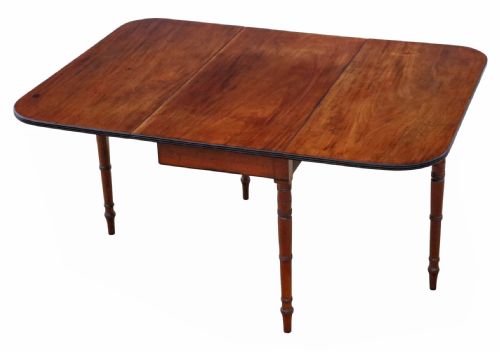
- A table with a fixed centre section and hinged flaps that fold down when not in use. These flaps are supported by swing legs or brackets.
- Gateleg
- A table design where hinged legs swing out like a gate to support the raised drop leaves. This construction provides robust support for large dining surfaces.
- Pembroke
- A small rectangular table featuring two drop leaves on opposite sides and typically a single drawer. They originate in the eighteenth century as versatile breakfast or writing tables.
- D-end
- A dining table format ending in semicircular sections that detach or fold, often used in combination with drop leaves or centre tables to extend length.
- Sofa table
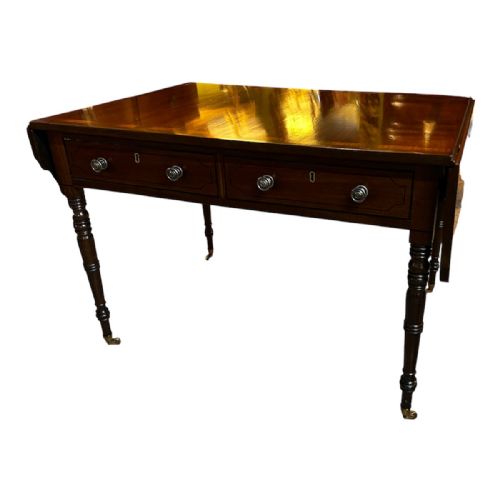
- A narrow table designed to stand in front of a sofa, featuring drop leaves on either side and occasional drawers. Regency versions often incorporate stretcher bases and brass castors.
Extending Drop Leaf Table: Frequently Asked Questions
How do these tables extend?
These tables extend through a combination of hinged drop leaves supported by swing-out gatelegs, pull-out rails, or additional centre leaves inserted into the frame.
This mechanical versatility allows a compact everyday footprint to expand rapidly into a surface capable of seating large dinner parties.
What periods do they cover?
The available pieces span from the seventeenth century through Georgian, Regency, and Victorian eras, extending into early twentieth-century reproductions and farmhouse designs.
Earlier examples often feature oak gateleg construction, while nineteenth-century pieces lean towards mahogany and rosewood dining formats.
Are they suitable for daily dining?
Many of these designs, particularly larger gateleg, wake, and D-end configurations, were built specifically as robust dining furniture intended for regular use.
Smaller pembroke and sofa tables function well for more intimate meals or as multi-purpose living space surfaces.
How do I identify a Regency version?
Regency examples frequently showcase figured mahogany or rosewood, sometimes paired with delicate brass inlay, sabots, and castor-mounted pillar supports.
Their design language emphasises restrained classical proportions and versatile mechanics suited to early nineteenth-century interiors.