
Dark Mahogany Display Case
A dark mahogany display case brings warmth and proportion to a room, offering glazed shelter for collections from the Victorian, Edwardian, and Georgian eras.
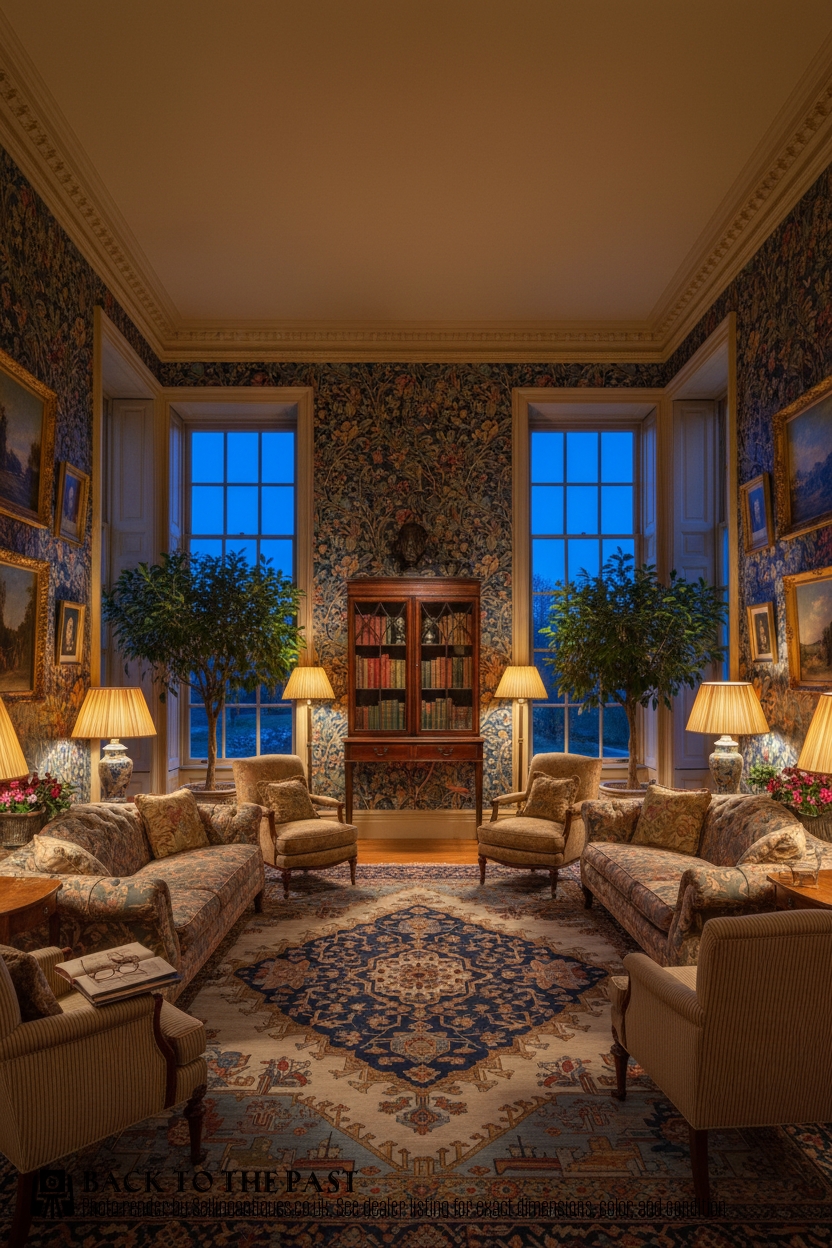
Dark Mahogany Display Case
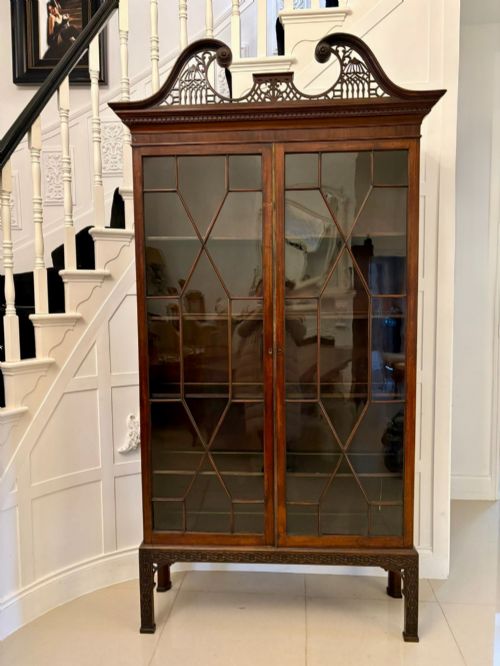
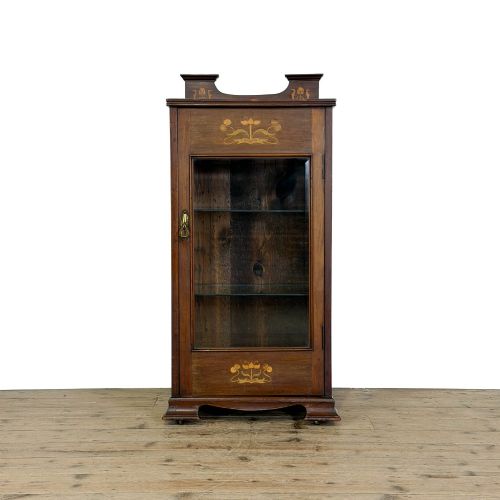
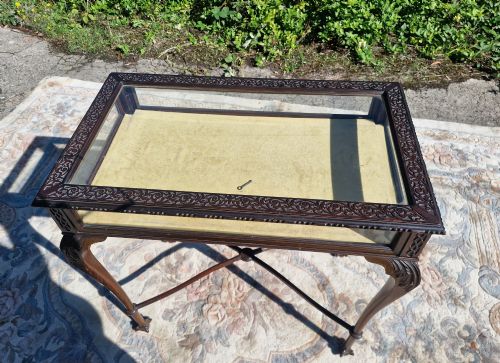
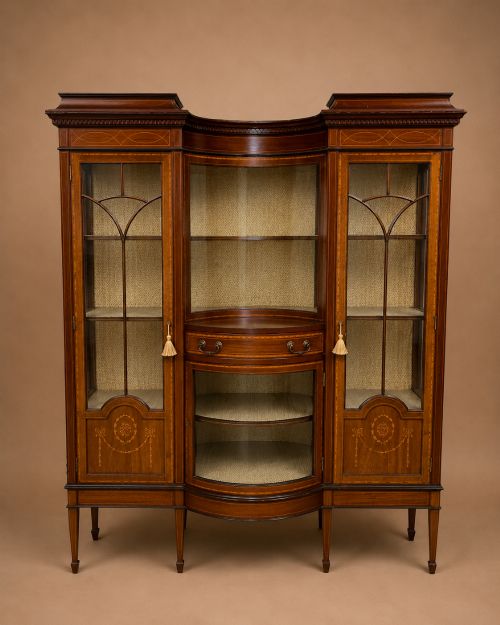
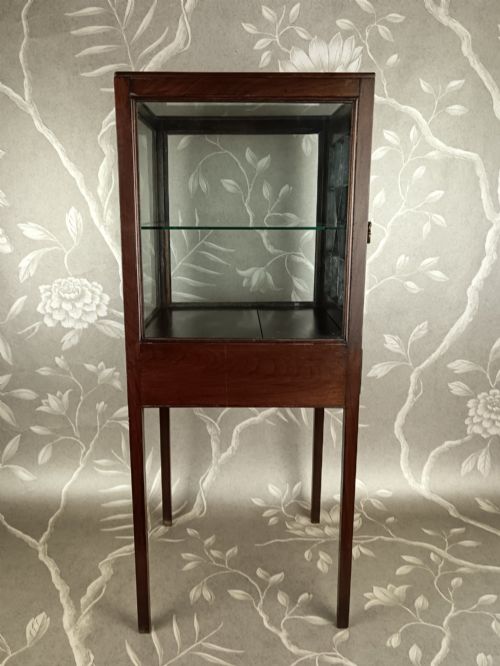
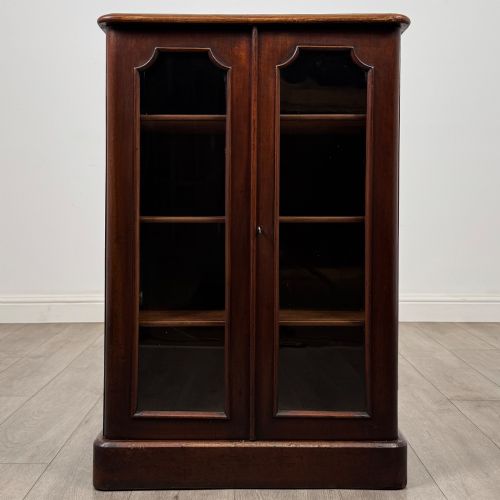
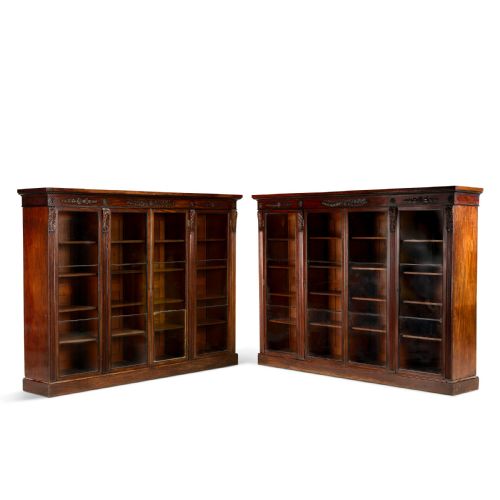
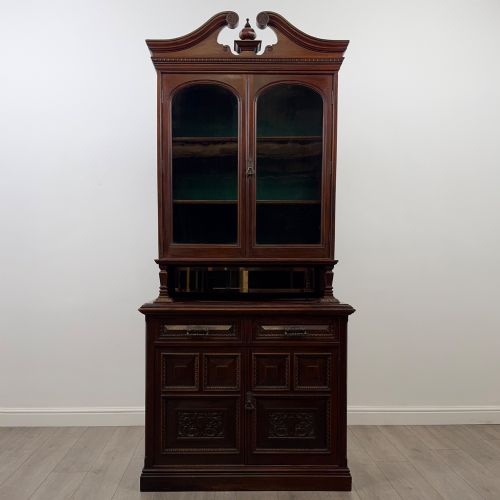
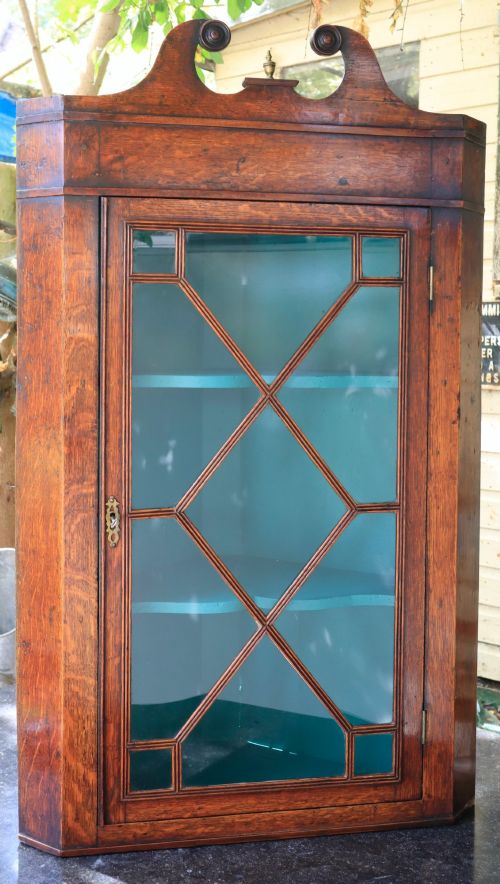
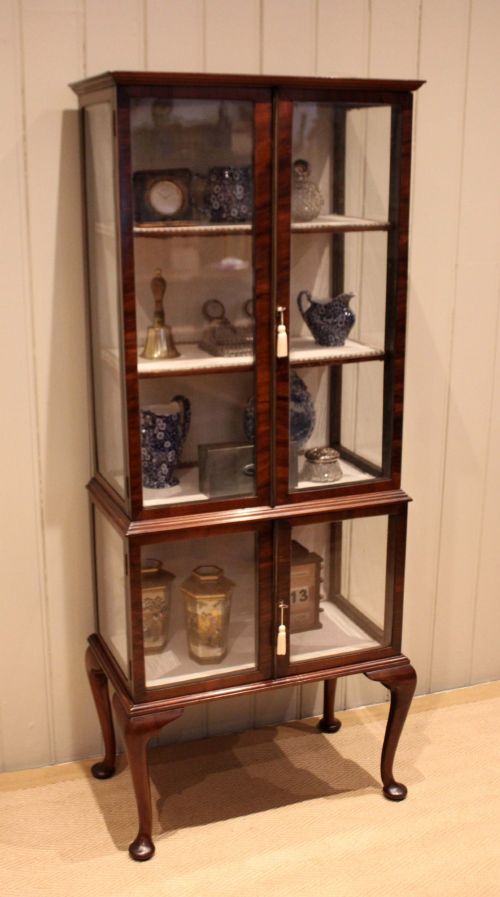
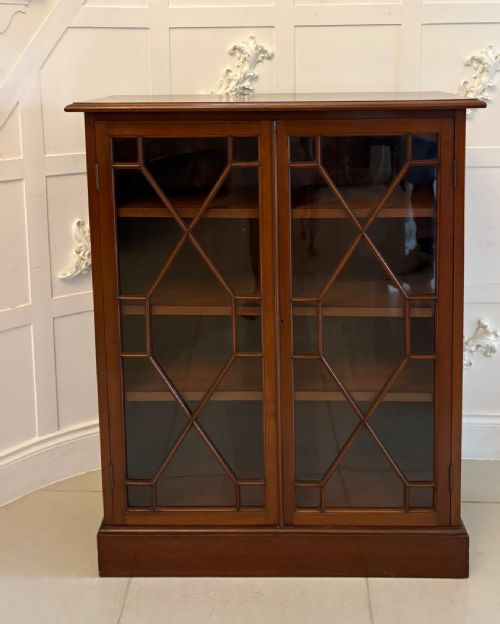
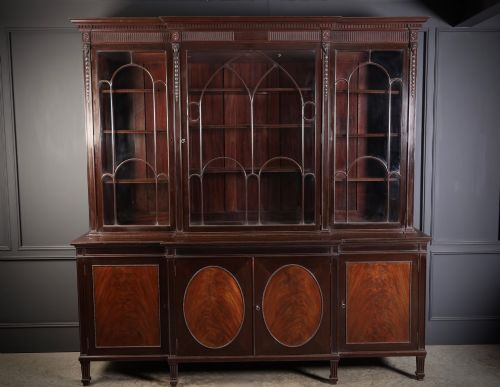
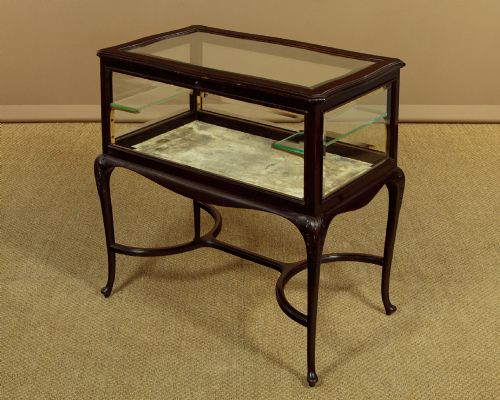
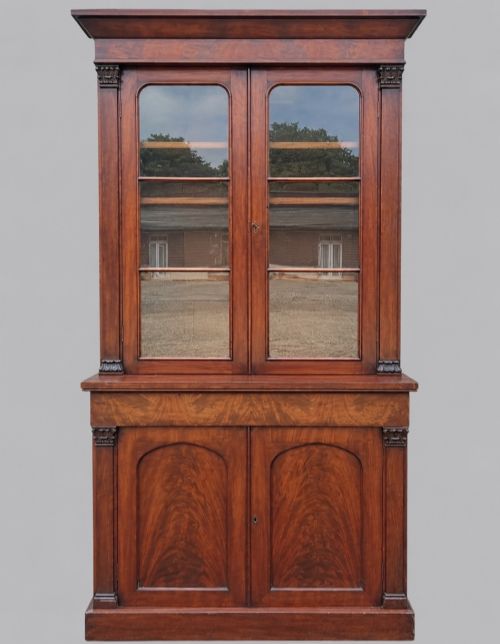
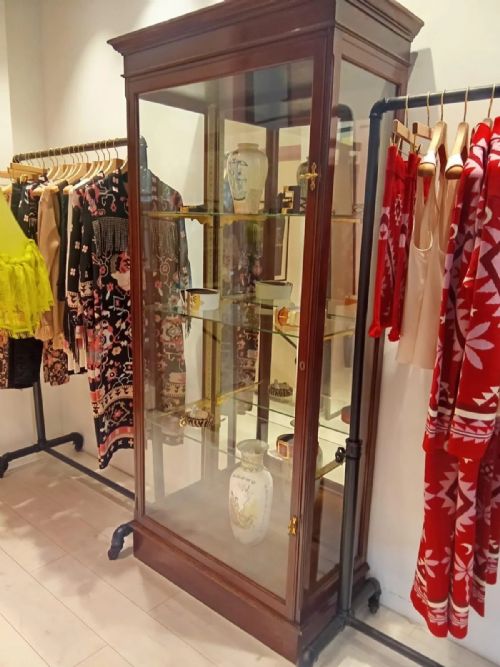
A dark mahogany display case is a structured piece of furniture designed to exhibit and protect treasured objects, drawing on forms from the Victorian, Edwardian, and Georgian periods. These pieces appear as tall bookcases, slender vitrines, corner cabinets, and low bijouterie tables, reflecting the diverse domestic needs of past centuries.
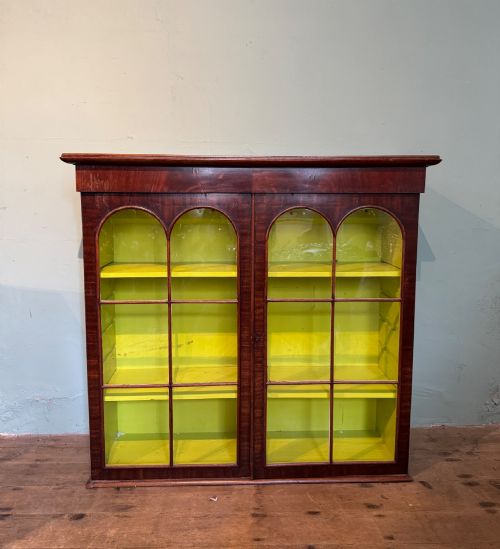
The version most commonly met on this page is the Edwardian or late 19th-century mahogany display cabinet, often featuring glazed doors to showcase contents while keeping dust at bay. Alongside domestic cabinets, shop display variants and wall-mounted corner units also appear, broadening the range of forms available to collectors.
Materials and construction
Makers utilised solid and veneered mahogany as the primary timber, often selecting rich, dark grain patterns that lent the furniture a formal gravity. This timber was frequently combined with secondary woods such as oak and pine for internal framing and drawer construction.
Glazing techniques defined the visual weight of each case, utilising glass panes held in wooden frames or detailed astragal bars. Details like brass hardware, mirror backs, fabric linings, and subtle satinwood inlay completed the construction of these cabinets.
Listings feature cases spanning from the Georgian era through Victorian and Edwardian periods, utilising mahogany, glass, and brass.
What separates the tiers
The distinction between a standard utility piece and an exceptional cabinet lies in the ambition of the design and the precision of the joinery. Carved ornamentation, well-proportioned astragal glazing, and harmonious proportions elevate certain examples far above simpler production furniture.
The choice of materials and the integrity of the timber preparation also dictate the standing of a piece. Finer cabinets display carefully selected mahogany veneers, intact brass fittings, and thoughtfully integrated interior mirrors or fabric linings that complement the objects displayed within.
F. Sage & Co. London
The Dark Mahogany Display Case Glossary
- Astragal
- Glazing bars dividing a window or cabinet door into smaller panes of glass. These thin wooden strips often feature moulded profiles that add decorative refinement to the door front.
- Bijouterie table
- A low display table with a glazed top and sides, designed for showing small valuables and jewellery. They became particularly popular during the Victorian and Edwardian periods.
- Breakfront
- A piece of furniture whose central section projects forward from the flanking wings. This architectural layout creates visual depth and breaks up the flat expanse of large bookcases.
- Vitrine
- A glass-sided cabinet or display case designed specifically for showing porcelain, curiosities, or fine objects. The term derives from the French word for glass.
- Demi-lune
- A half-moon shape used for the footprint or top of specific side and corner cabinets. This curved form softens room corners and allows for graceful placement against walls.
Dark Mahogany Display Case: Frequently Asked Questions
What is a dark mahogany display case used for?
These cases provide enclosed shelving and glass-fronted protection for books, porcelain, and collected curiosities. They keep dust away from delicate items while allowing them to remain visible in a principal room.
Historically, they served both domestic display functions in libraries and parlours, and commercial purposes in shops. Today, they continue to house personal collections with traditional elegance.
How do I date a mahogany cabinet?
Dating relies on observing stylistic markers, construction methods, and the specific proportions associated with periods like the Georgian, Victorian, and Edwardian eras. Finer details such as inlaid satinwood or Gothic revival motifs often point to specific decades.
Archival clues like maker plaques or trade labels can also narrow down the origin. Comparing the glazing bar style and timber finish against known historical periods helps confirm the age of the piece.
Where should I place a corner cabinet?
A wall corner cabinet fits neatly into unused room angles, making efficient use of awkward spaces. They work well in dining rooms or studies to display glassware or small collections without obstructing traffic flow.
Ensure the wall construction can support the weight of a solid timber and glass hanging cabinet. Positioning them away from direct sunlight protects the interior fabric linings and the mahogany finish.
How do I care for antique mahogany furniture?
Maintain the wood by keeping the cabinet away from direct heat sources and dramatic humidity fluctuations, which can cause timber to warp or split. Dust the glass and mahogany surfaces gently with a dry or slightly damp soft cloth.
Avoid commercial silicone sprays that can damage old polished finishes. Periodic waxing with a traditional beeswax formulation helps nourish the mahogany and preserves its deep lustre.