

Dark Mahogany Candle Stand
These dark mahogany candle stand pieces are compact timber furnishings designed to hold light close, bringing rich grain and steady tripod support to a room.
Dark Mahogany Candle Stand
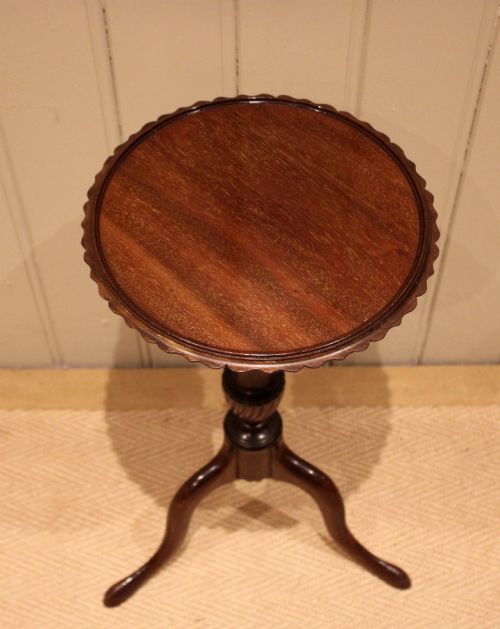
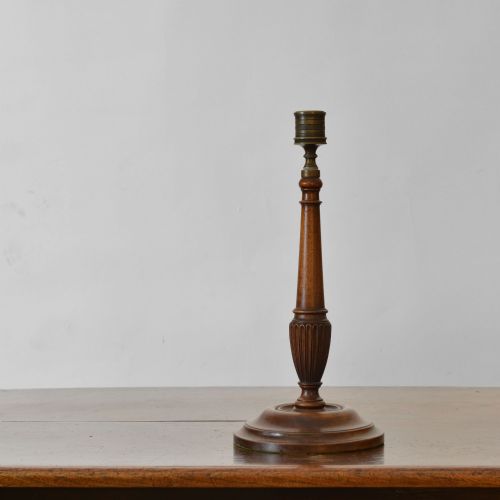
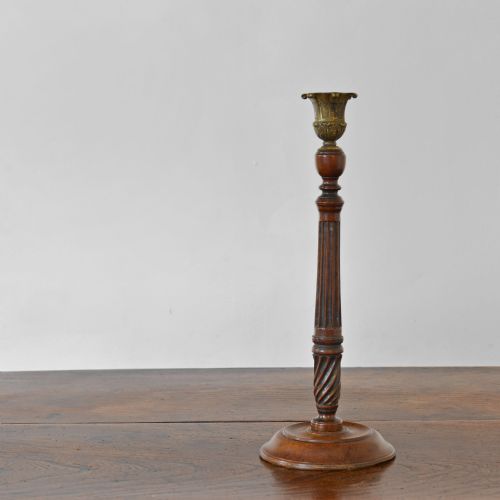
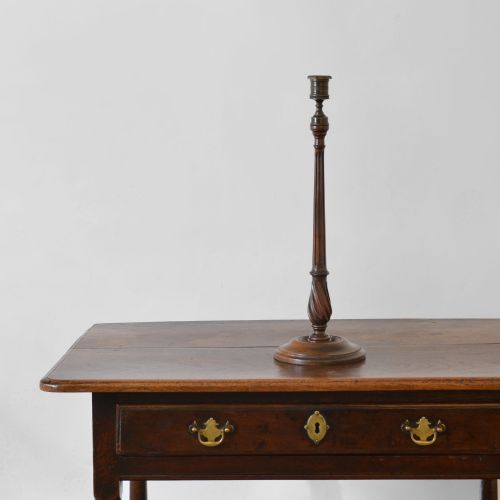
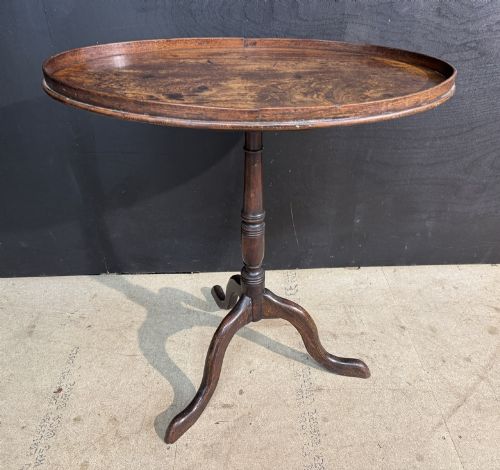
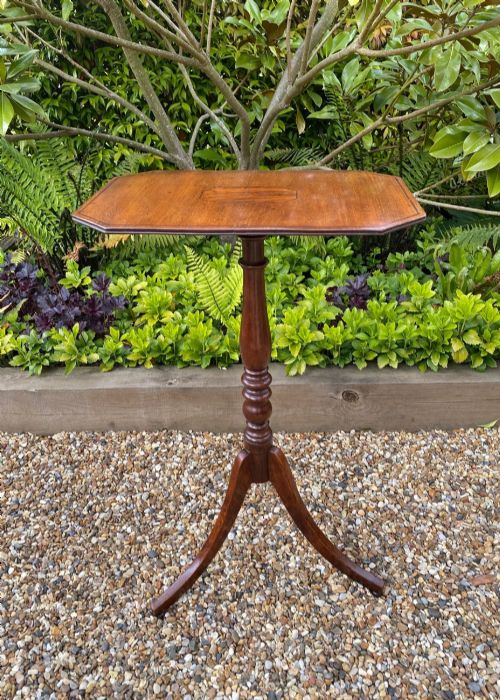
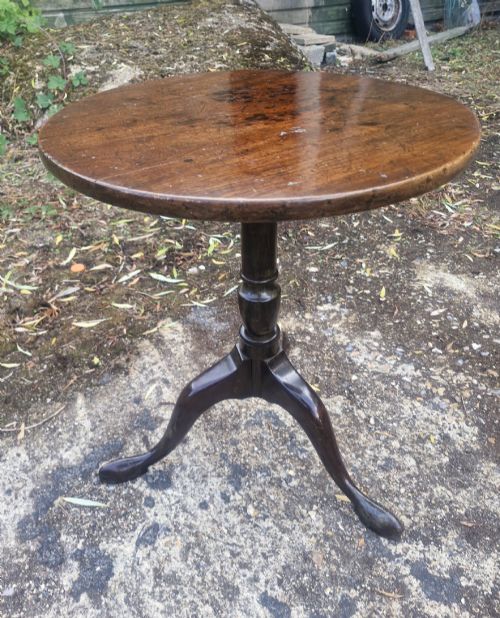
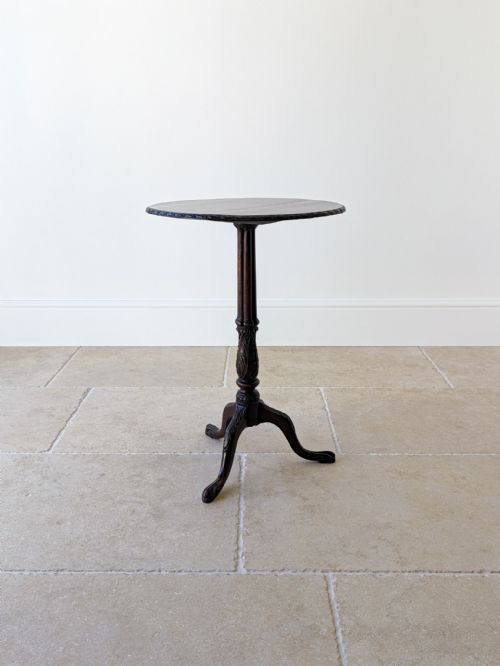
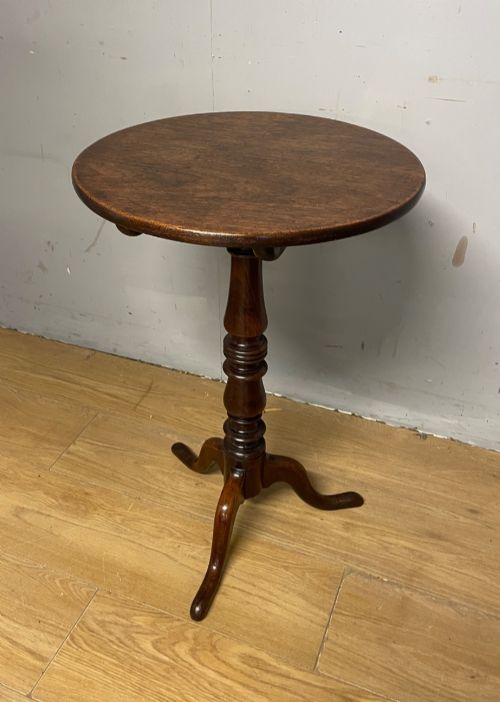
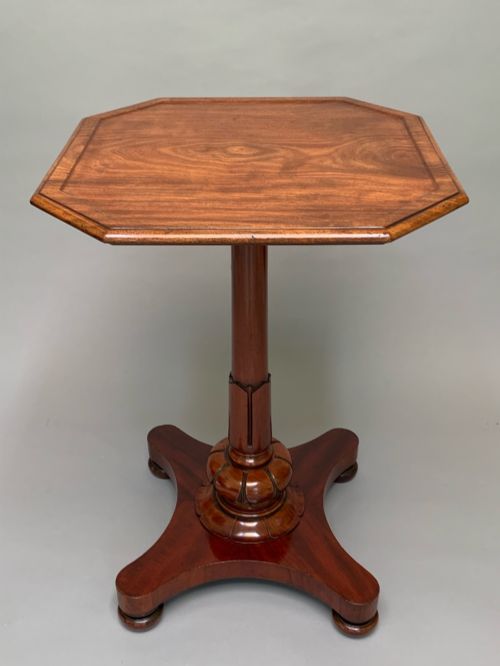
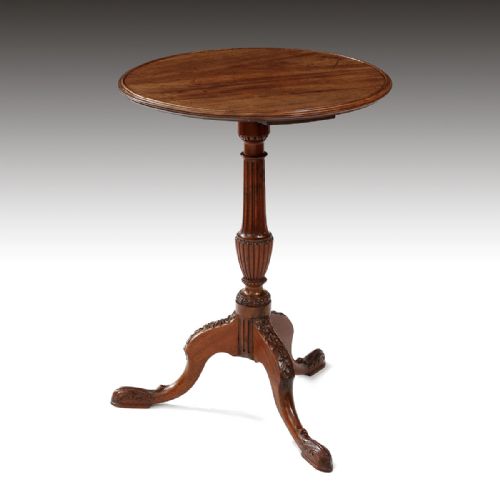
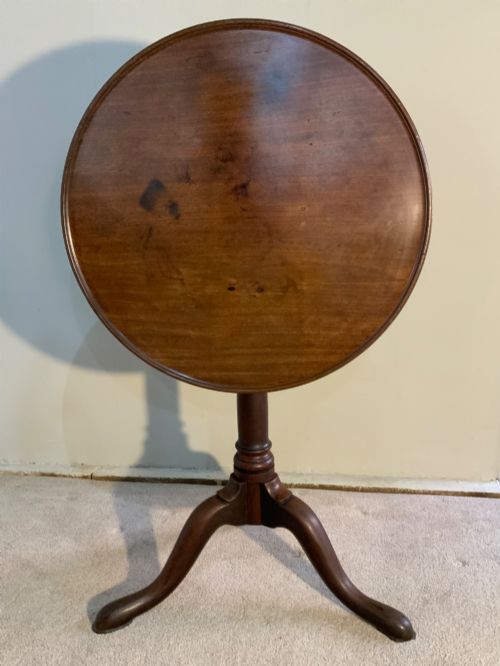
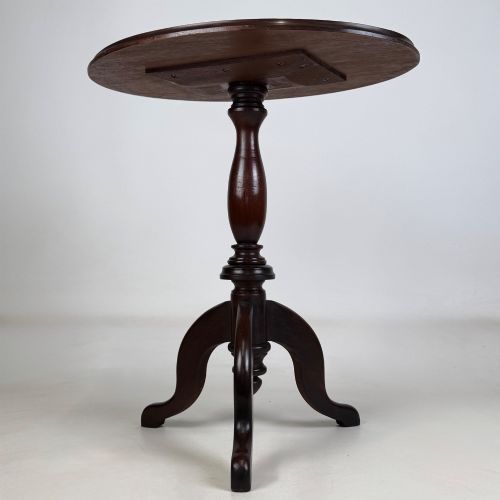
A dark mahogany candle stand is a traditional small table designed historically to hold a single light source or small decorative object. The pieces collected under this phrase span centuries of British cabinet making, appearing in forms such as tripod wine tables, candlesticks, torchères, and plant stands.
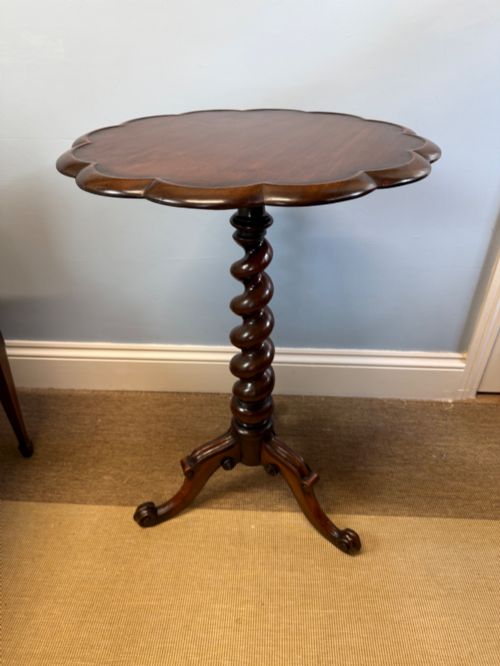
Most examples you will encounter date from the Georgian, Regency, and Victorian periods, alongside later Edwardian interpretations and revival pieces. They typically feature a slender central pedestal supported by three legs, making them easy to tuck beside a chair or into a corner.
Markers of quality in construction and finish
Quality in these pieces rests upon the selection of the timber and the crispness of the carving on the legs and column. Superior examples display rich, deep grain patterns in the mahogany top and solid joints where the pedestal meets the tripod base.
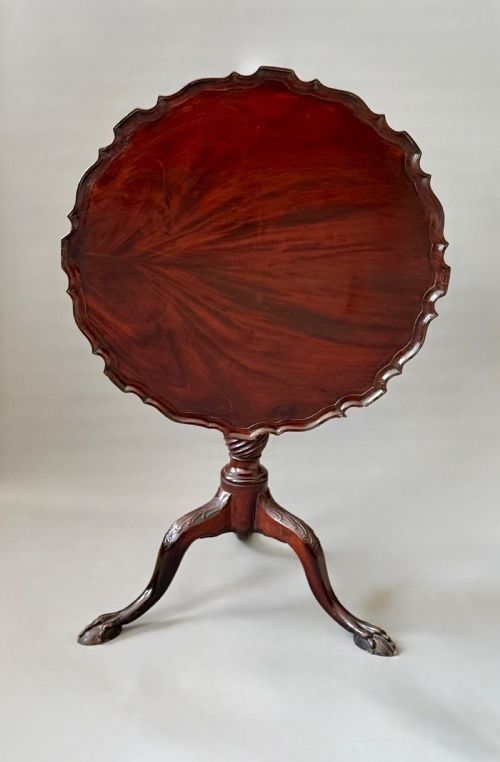
Refined pieces also show careful proportion between the height of the stand and the diameter of the top, ensuring stability without appearing clumsy. The handling of edges, whether turned smoothly or carved into a detailed pie crust rim, separates standard workshop output from finer cabinet work.
Listings feature mahogany, brass, walnut, and cherry wood across periods ranging from the Georgian era through to Edwardian times.
Gillows
The Dark Mahogany Candle Stand Glossary
- Tripod table
- A small occasional table supported by a single central pillar resting on three legs. This construction remained popular throughout the Georgian and Victorian eras for its stability on uneven floors.
- Tilt-top table
- A table featuring a mechanism that allows the wooden top to pivot vertically when not in use. This allowed makers and owners to store the stand flat against a wall.
- Torchère
- A tall, slender stand designed specifically to elevate a light source, candle, or decorative plant. These pieces emphasise vertical height over surface area.
- Pie crust rim
- A raised, undulating edge carved or moulded around the perimeter of a tabletop. The shape resembles the decorative crust of a pastry.
- Snap top
- A spring-loaded or catch mechanism beneath a table top that locks the surface securely in the horizontal position. It prevents the top from pivoting unexpectedly during use.
Dark Mahogany Candle Stand: Frequently Asked Questions
What was a dark mahogany candle stand originally used for?
These small stands were placed beside seating to hold candles, lanterns, or small cups of wine during evening hours. Their modest footprint allowed servants to move them easily around a room as lighting needs shifted.
Over time, their uses expanded to include holding small lamps, decorative plants, or music books. Today, they function primarily as compact side tables for drinks or display.
How do I tell a Georgian stand from a Victorian one?
Georgian pieces generally exhibit lighter proportions, restrained carving, and a focus on elegant lines. The timber often shows a warm, aged patina developed over centuries of polishing.
Victorian and later revival pieces tend to be heavier in construction with bolder ornamentation. Cabinet makers of the nineteenth century frequently drew inspiration from earlier Chippendale styles, adding denser carving to the knees and feet.
What is a tilt-top mechanism on these stands?
A tilt-top allows the wooden surface to pivot from horizontal to vertical via a hinge block beneath the top. This practical feature enabled historical households to tuck unused tables flat against walls or store them in hallways.
When examining a tilting stand, check that the original catch or wooden peg remains intact. A working mechanism allows the top to lock securely when lowered for use.