

Wooden Plant Display Stand
A wooden plant display stand lifts greenery into the light, bringing height and structure to a room through centuries of cabinet-making.
Wooden Plant Display Stand
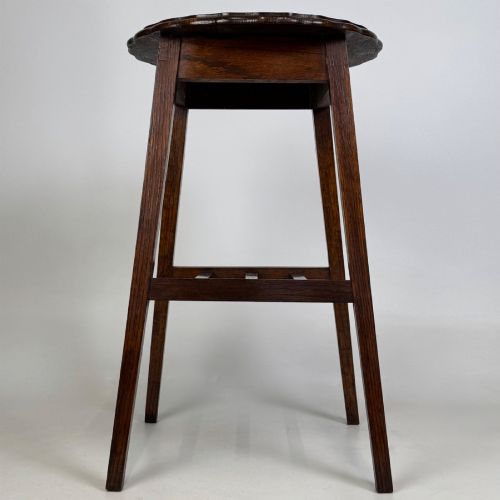
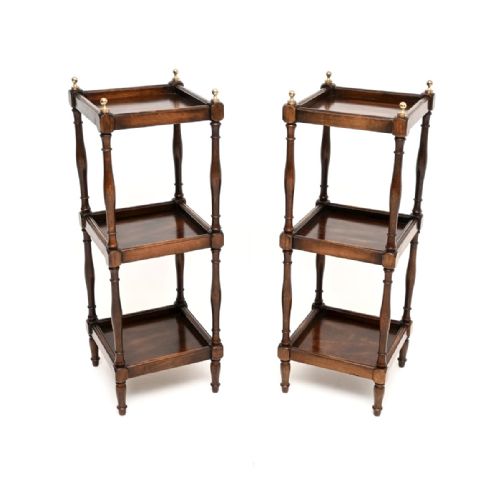
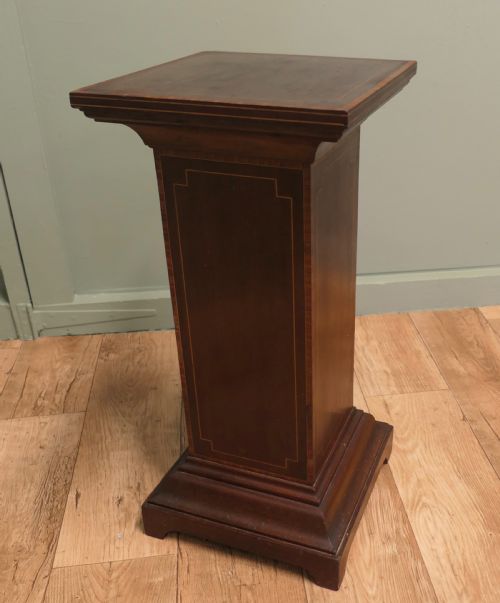
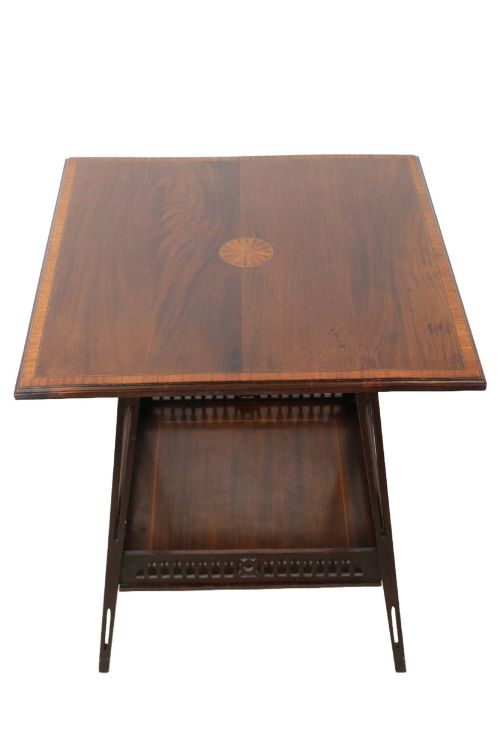
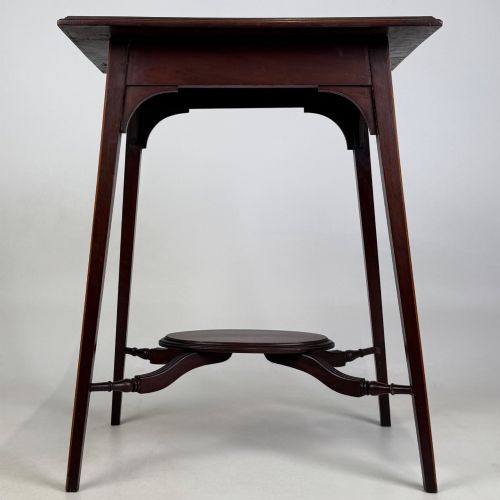
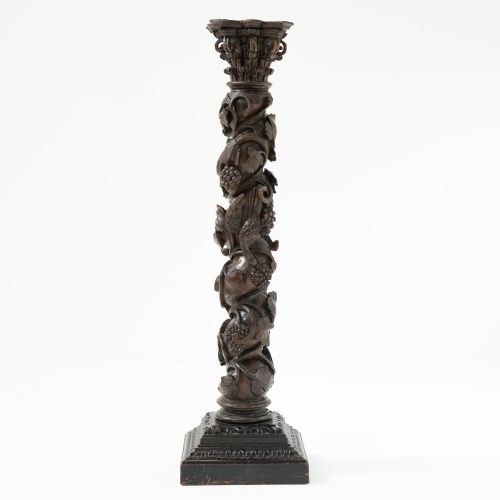
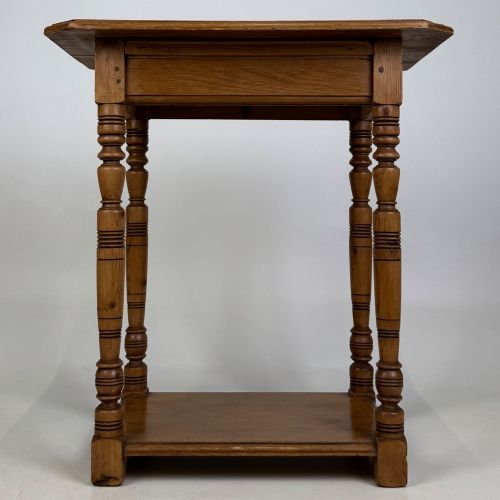
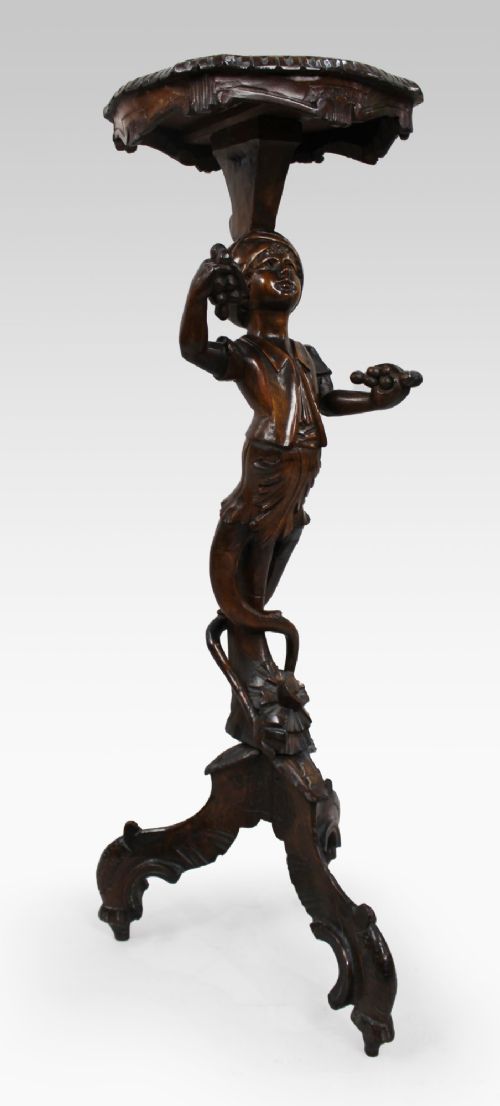
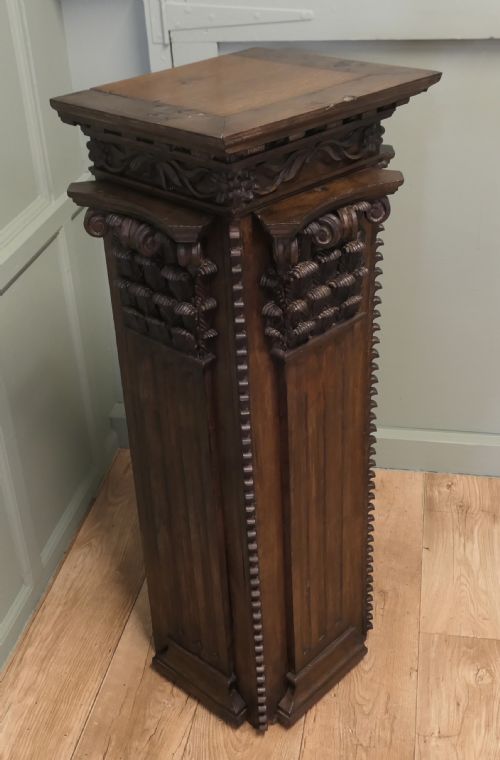
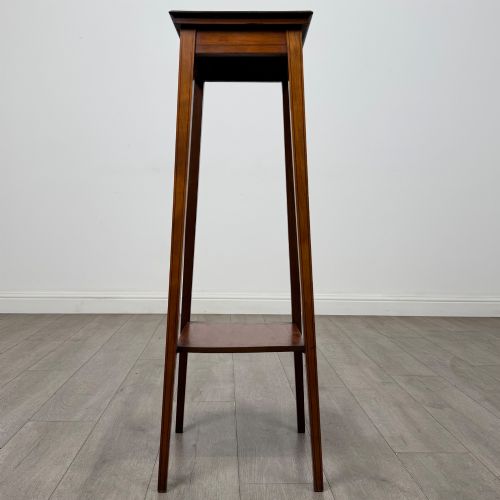
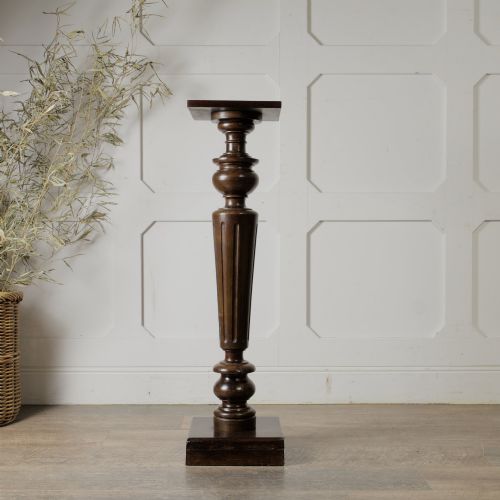
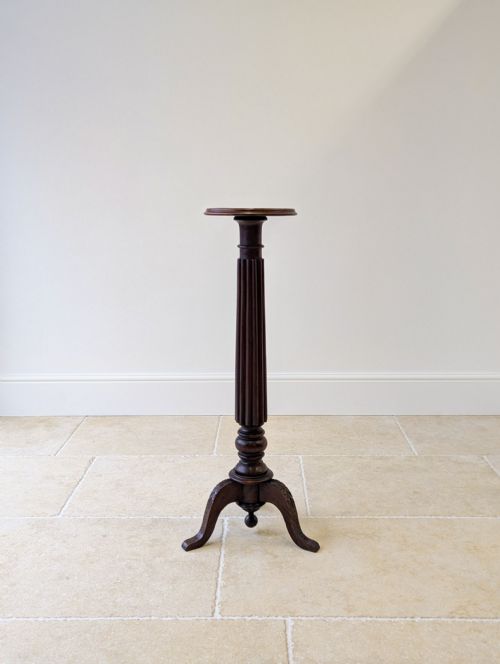
A wooden plant display stand takes many forms across the centuries, appearing as tall pedestals, torchères, columns, and low tier tables. These pieces elevate plants, vases, and busts, adding vertical interest to domestic interiors.
Most examples found here date from the Victorian and Edwardian eras, constructed in mahogany, oak, and walnut. Makers also produced pieces in satinwood, beech, and ebonised wood, alongside Chinese hardwood and marble-topped designs.
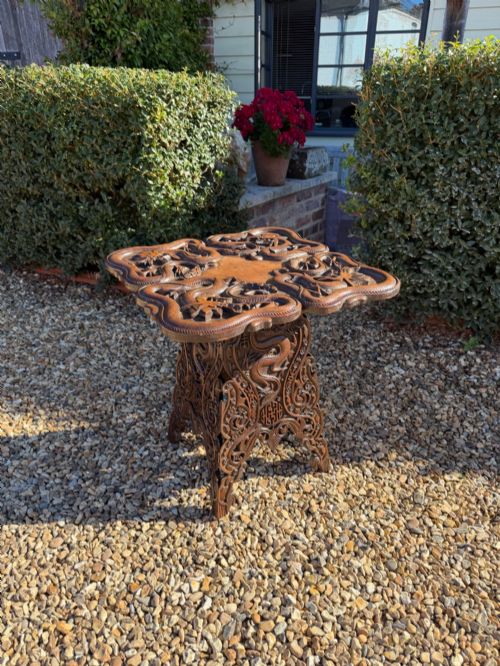
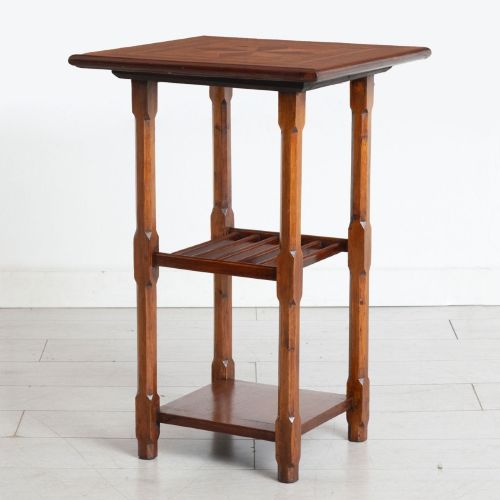
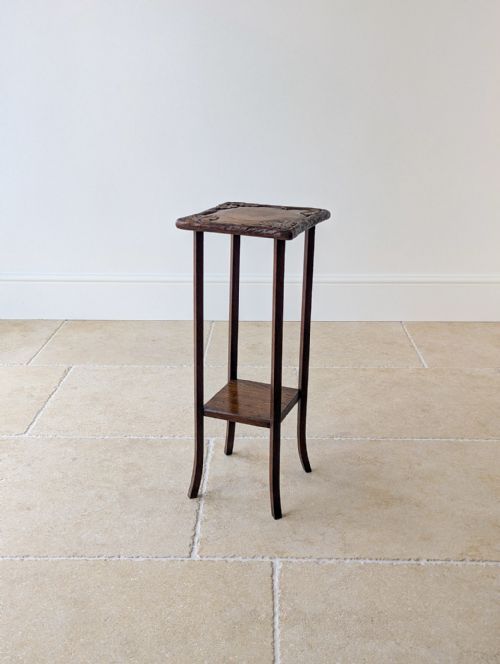
The selection ranges from simple turned columns to carved figural supports and inlaid occasional tables. Function shifts between dedicated jardiniere stands and versatile side tables that accommodate lamps and ceramics.
Materials and construction
Cabinet-makers relied heavily on dense hardwoods like mahogany, oak, and walnut to ensure stability for tall, slender columns and pedestals. Turning lathes shaped upright shafts, while joinery techniques secured square or round tops for heavy pots and vases.
Inlaid decoration in satinwood and exotic woods appeared on Edwardian surfaces, contrasting with the carved organic motifs seen on Arts and Crafts and Italian Renaissance Revival pieces. Marble inserts also featured on Chinese and European stands to protect timber from moisture.
The inventory combines British Edwardian and Victorian furniture with Chinese export tables and Italian Renaissance Revival pedestals.
Craftsmanship and design
Quality rests in the weight and balance of the timber, ensuring a tall column supports a heavy jardiniere without tipping. Superior examples display crisp hand-carved detailing, such as fluted columns, solomonic twists, or figural supports rather than cast repetition.
Timber selection and joinery define the upper tier of pieces, where solid mahogany or figured walnut exhibits rich grain and stable construction. Lesser pieces rely on simpler turned beech or plain softwood carcasses with minimal decorative embellishment.
Trevor Page & Co·Shoolbred·Liberty of London
The Wooden Plant Display Stand Glossary
- Torchère
- A tall, slender stand designed to hold a light or a decorative object. These pieces feature elevated tops supported by single columns or tripod bases.
- Pedestal
- A free-standing column or plinth used to display busts, vases, or plants. They provide height and architectural focus in a room.
- Jardiniere stand
- A specialised piece of furniture built to hold a plant container or flower pot. Tops often incorporate waterproof inserts or protective ledges.
- Solomonic
- A helical or spiral twist carved into a column or furniture leg. This motif adds dynamic movement and visual rhythm to vertical supports.
- Inlay
- A decorative technique where contrasting woods or materials are set flush into the surface of a primary timber. Edwardian makers utilised this for delicate borders and geometric patterns.
Wooden Plant Display Stand: Frequently Asked Questions
How do I choose the right height?
Consider the scale of the room and the plant or object you intend to place on top. Taller torchères work well in corners to fill vertical space, while lower occasional stands suit seating areas.
Ensure the base diameter matches the weight of the display to maintain stability on wooden floors or carpets.
Can these stands hold heavy pots?
Solid hardwood stands in mahogany, oak, or walnut generally offer the structural integrity required for heavier ceramic planters and marble vessels. Lighter occasional tables suit smaller flora and delicate vases.
Check the weight distribution and base footprint before placing heavy items on slender Edwardian columns.
How do I care for antique timber?
Keep wooden stands away from direct heat sources and sudden humidity changes to prevent the timber from warping or splitting. Regular dusting with a dry cloth maintains the finish.
Apply a traditional wax sparingly when the wood appears dry to nourish the grain without building up residue.
Where should I place a torchère?
Torchères fit naturally into empty corners, beside fireplaces, or framing doorways where vertical accents enhance the room layout. They draw the eye upward and break up horizontal furniture lines.
Ensure the location protects the stand from heavy household traffic that might cause accidental tipping.