


Dark Hardwood Pedestal
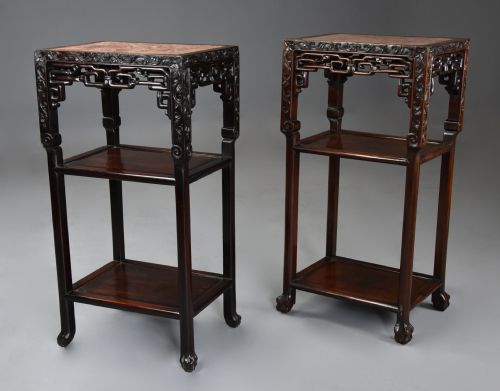
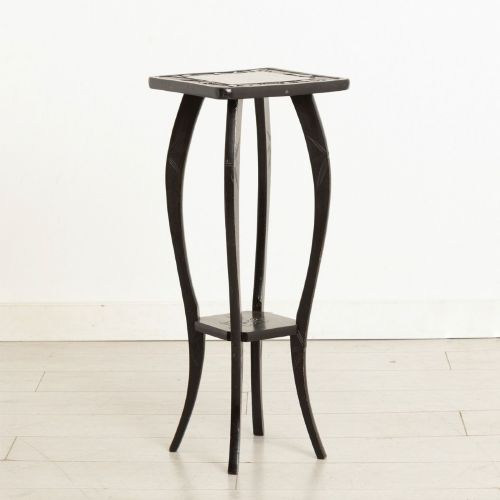
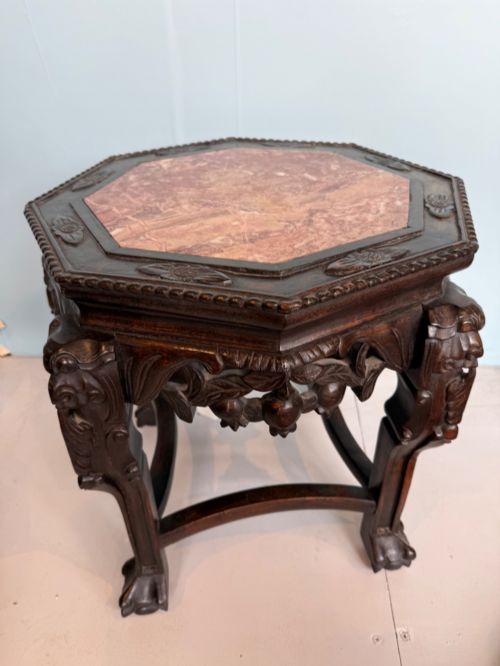
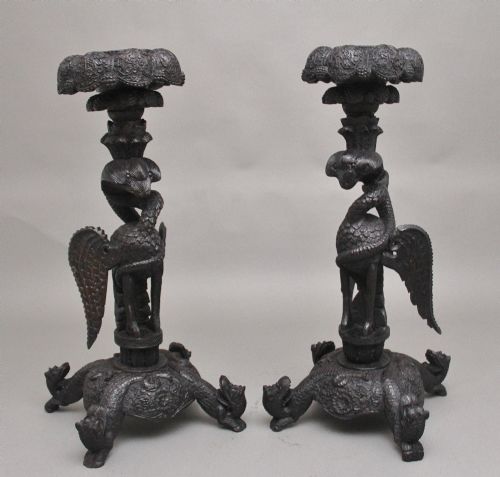
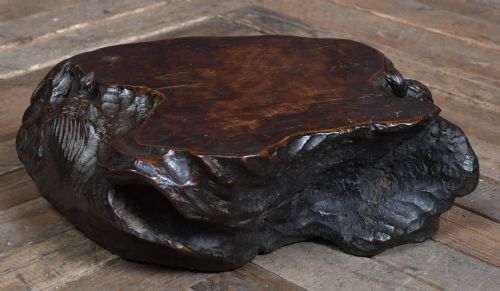
These dark hardwood pedestal pieces include carved plant stands, torchères and tables spanning the nineteenth and early twentieth centuries.

Dark Hardwood Pedestal
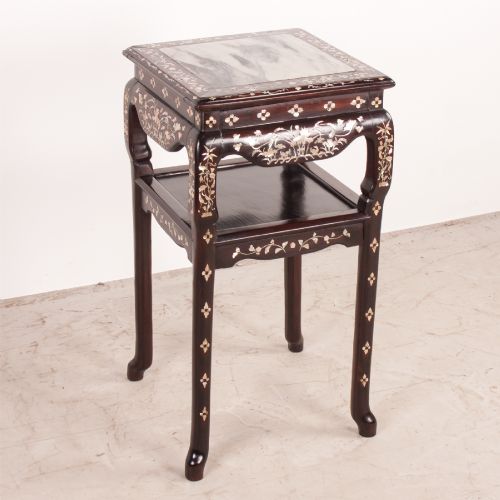
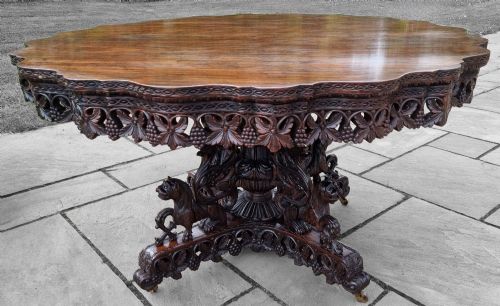
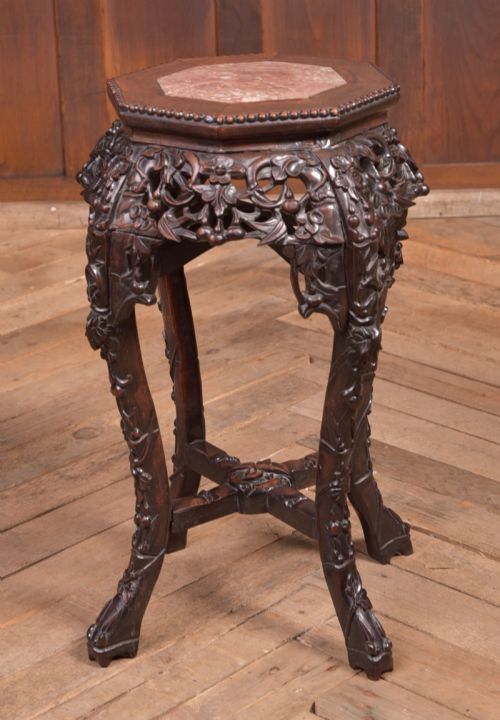
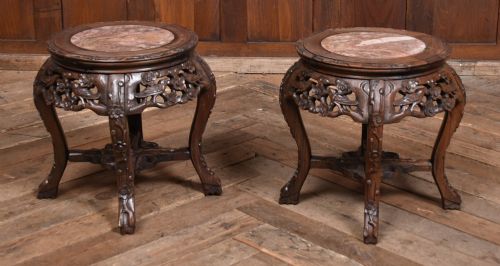
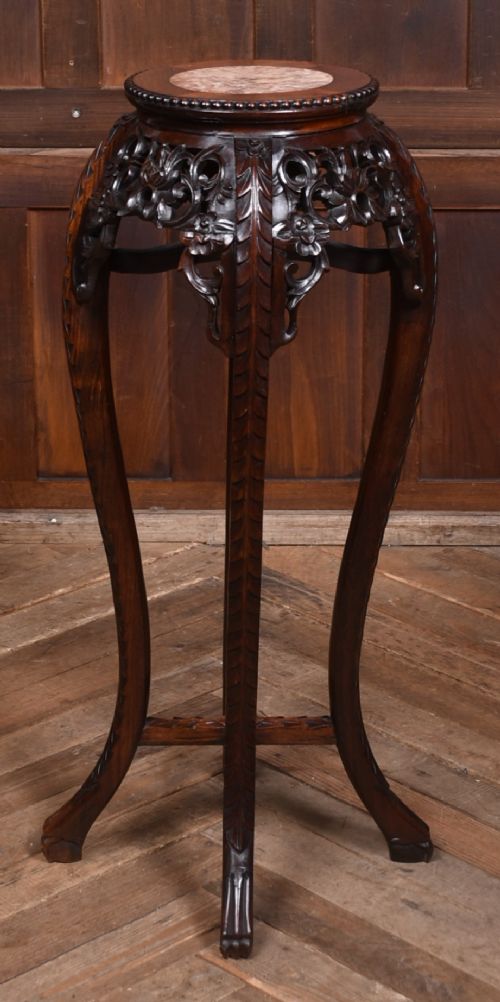
When searching for a dark hardwood pedestal, buyers encounter various elevated furniture forms originating primarily from Chinese export workshops, Anglo-Indian makers and Japanese Meiji craftsmen. The selection here centres heavily upon nineteenth century plant stands, jardiniere stands and vase tables designed to display decorative objects.
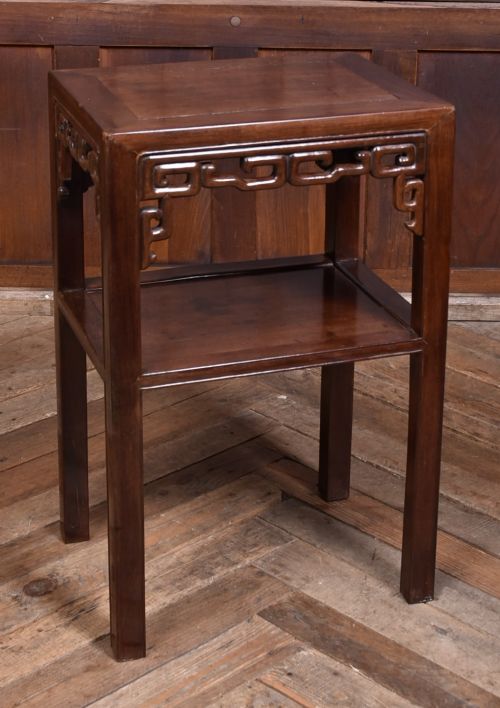
The inventory also spans occasional tables, side tables, partners desks and torchères constructed from dense exotic timbers. Many examples incorporate inset marble panels or intricate carved decoration reflecting traditional Qing Dynasty and regional Asian aesthetics.
How they were made
Craftsmen utilised heavy tropical timbers such as padouk, rosewood and teak, alongside ebonised wood and general hardwood. These materials were chosen for their density and capacity to hold deep, detailed hand carving.
Many elevated stands integrate fitted marble tops, often rouge or white stone, inset directly into the timber frame. Workshops also employed mother-of-pearl inlay and complex joinery systems to construct stable load-bearing pedestals without modern metal fasteners.
What varies in quality
Excellence in these objects relies on the crispness and depth of the hand carving, where deeper relief and undercut details distinguish finer workshop output. The selection of the timber grain and the precise fitting of inset marble tops further separate standard utility stands from exceptional exhibition pieces.
Structural integrity and the retention of original surface finishes dictate desirability. Pieces exhibiting harmonious proportions between the pedestal shaft and the upper display platform demonstrate superior design planning.
Liberty of London
The Dark Hardwood Pedestal Glossary
- Jardiniere stand
- A tall pedestal or small table specifically designed to hold a heavy ceramic plant pot or flower bowl. These stands usually feature a reinforced circular or square top.
- Torchère
- A tall ornamental stand intended to support a lamp or candleholder. They possess slender upright shafts and elevated platforms.
- Padouk
- A heavy, durable reddish-brown tropical hardwood utilised extensively in Anglo-Indian and Chinese export furniture. It darkens gracefully with age.
- Ebonised wood
- Timber treated with a dark stain or finish to imitate expensive ebony. This technique was popular in nineteenth-century cabinet making.
- Marble top
- A polished stone slab inset into the surface of a table or stand. It provided a cool, water-resistant plane for plants and vases.
Dark Hardwood Pedestal: Frequently Asked Questions
What were pedestal stands used for?
These pieces served functional roles in nineteenth-century interiors to elevate decorative plants, bronze vessels and porcelain vases. Raising the objects protected fine flooring and displayed botanical specimens at eye level.
They also functioned as occasional lamp tables or display surfaces within formal reception rooms and scholar's studies.
How do I identify Chinese export stands?
Chinese export pieces frequently display characteristic Qing Dynasty motifs such as prunus blossom carvings, key-fret borders and dragon designs. The timber is often dense padouk or rosewood.
Many incorporate inset marble tops and are constructed using traditional joinery methods suited for European and domestic markets.
What is an Anglo-Indian pedestal?
Anglo-Indian stands combine traditional British furniture forms with intricate regional Indian carving techniques. They often date from the mid-nineteenth century.
Workshop production in regions such as Bombay utilised native hardwoods to create deeply carved tables and torcheres intended for colonial homes and export.
How should I care for hardwood furniture?
Maintain these pieces by keeping them away from direct heat sources and rapid humidity fluctuations which can affect the timber and marble joints. Dust regularly with a soft, dry cloth.
Avoid commercial liquid polishes and wax the surface sparingly only when the wood appears dry to preserve the natural patina.