


Dark Brown Rug
When choosing a dark brown rug, collectors and interior designers encounter tribal and nomadic carpets woven with rich, deep earthen tones from the nineteenth and early twentieth centuries.
Dark Brown Rug
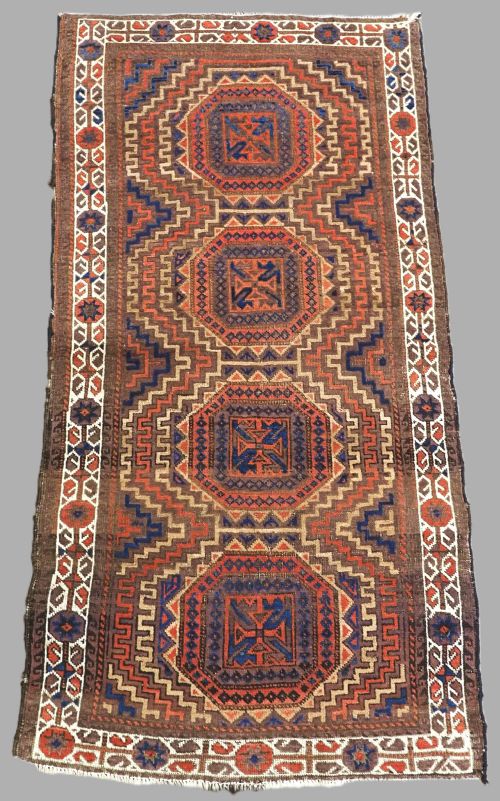
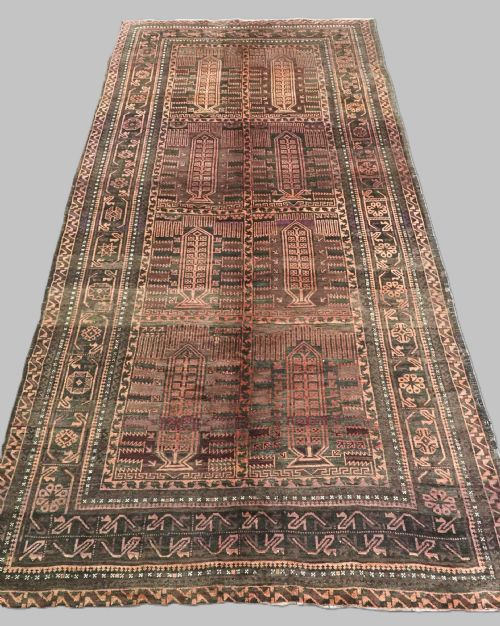
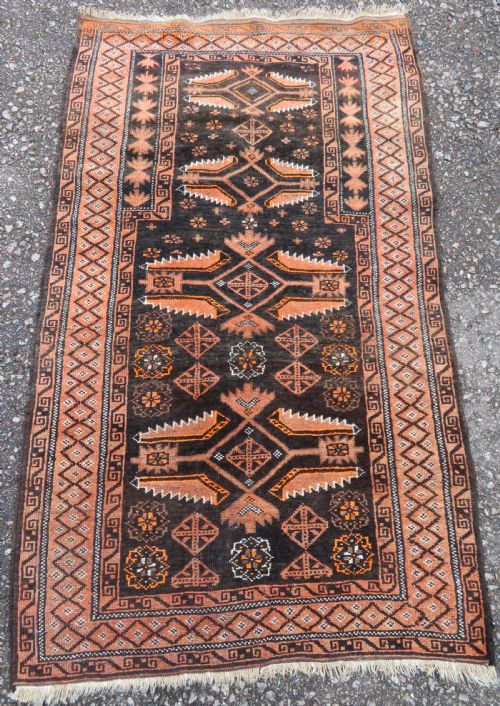
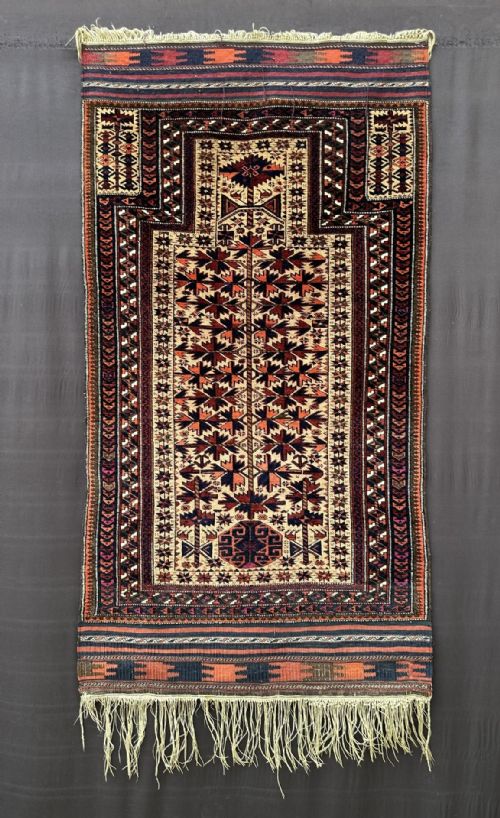
A dark brown rug brings together tribal traditions from Persia, Afghanistan, and the Caucasus, encompassing formats from small prayer rugs to long hallway runners and main carpets. The pieces available here originate predominantly from nomadic and village workshops spanning the late nineteenth and early twentieth centuries.
Buyers will encounter distinct regional weaving styles such as Baluch, Timuri, Kurdish, and Yomud Turkmen. These textiles frequently display repeating motifs like guls, lattice patterns, and mihrabs rendered in profound, earthy palettes dominated by deep browns, blacks, and madder reds.
Materials and construction
Weavers constructed these carpets using hand-spun wool and occasionally goat hair on robust cotton or wool foundations. The application of natural dyes yielded deep, enduring dark brown shades that deepen gracefully with age.
Traditional knotting and flatweaving techniques, including kilim construction and embroidery, produced durable structures designed for daily nomadic and village use. The manipulation of these organic materials accounts for the tactile weight and resilience characteristic of the period.
Judging quality in antique floor coverings
Quality rests in the handling of the wool, the clarity and saturation of the natural dyes, and the tightness of the weave. Finer examples display meticulous execution in complex repeating motifs such as Herati designs or large guls.
The integrity of the original borders and selvedges heavily influences the standing of a piece. Superior execution in tribal weaving demonstrates both disciplined structure and an assured artistic command over traditional regional iconography.
The Dark Brown Rug Glossary
- Gul
- A repeating medallion or floral-like motif commonly found in Turkmen and Baluch tribal carpets. These octagonal or polygonal designs often serve as tribal emblems.
- Prayer Rug
- A small carpet featuring a mihrab or niche design used historically for daily Islamic prayer. The arch motif typically points toward Mecca during ritual use.
- Kilim
- A flatwoven carpet or covering produced without a pile by tightly interweaving warp and weft threads. This technique creates a lightweight textile with identical patterns visible on both sides.
- Main Carpet
- A large-format floor covering traditionally woven for domestic use within a tribal household or tent. These substantial pieces required significant time and collective labour to complete.
- Runner
- A long, narrow carpet format designed specifically for corridors, staircases, and narrow hallways. They often repeat continuous linear motifs or border patterns along their length.
Dark Brown Rug: Frequently Asked Questions
How do I care for an antique wool rug?
Vacuum gently without using a rotating brush roll to protect the fragile wool pile and historic foundation threads. Professional cleaning tailored specifically for antique textiles ensures natural dyes remain stable and protected.
Keep the rug out of direct, harsh sunlight to prevent the deep dark brown tones and natural plant dyes from fading over decades of display. Rotating the piece periodically ensures even wear across high-traffic areas.
Where were these tribal carpets made?
These textiles were produced by nomadic and semi-nomadic tribes inhabiting the borderlands of Persia, Afghanistan, and the Caucasus. Regions such as Khorasan, Sistan, and the Caucasus fostered distinct weaving traditions.
Tribes including the Baluch, Timuri, Kurdish, and Yomud Turkmen utilised locally sourced wool and natural dyes specific to their geographic territories. Their isolation in mountainous and desert regions preserved unique tribal designs for generations.
What is a Baluch rug?
Baluch rugs are traditionally woven by nomadic groups originating from the border regions between Persia and Afghanistan. They are easily recognised by their dark, sombre palettes featuring deep browns, dark blues, and rich reds.
These smaller format rugs and prayer mats frequently incorporate geometric guls, camel foot motifs, and goat hair in the outer selvedges for added durability. Their intimate scale reflects the portable nature of nomadic life.
How can I tell the age of an antique rug?
Dating relies on examining the subtle irregularities in hand-spun wool, the chemical composition of natural dyes, and specific regional structural characteristics. Nineteenth-century examples often exhibit softer wool textures and organic colour variations unavailable in later chemically dyed pieces.
Structural traits such as abrash, where dye batches shift naturally across the field, indicate older hand-processing methods. Comparing knot density and traditional tribal motifs against documented historical examples confirms the approximate period of origin.