


Dark Brown Hall Stand
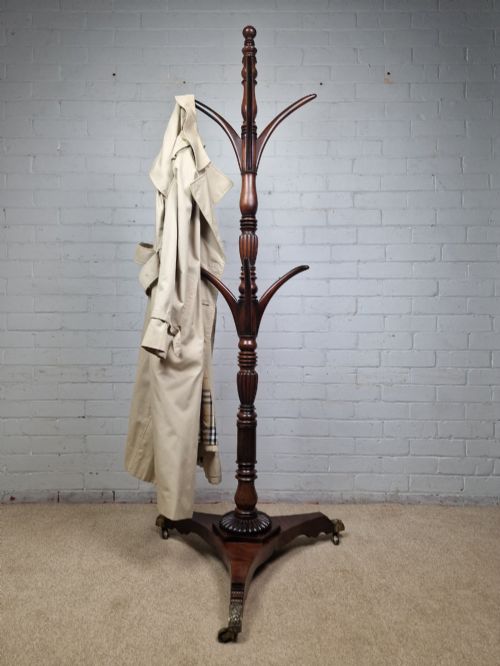
These dark brown hall stand pieces organise coats and umbrellas in an entranceway, bringing period character and sturdy utility to a hallway.
Dark Brown Hall Stand
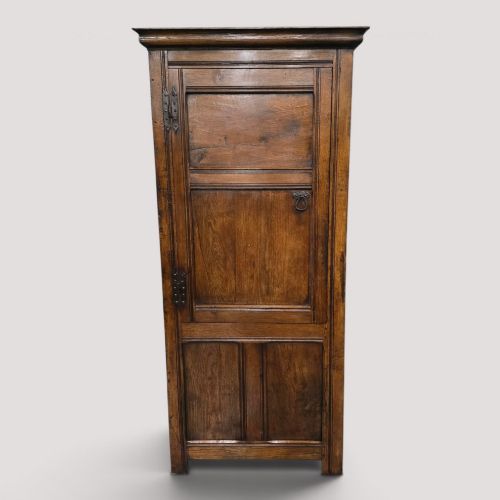
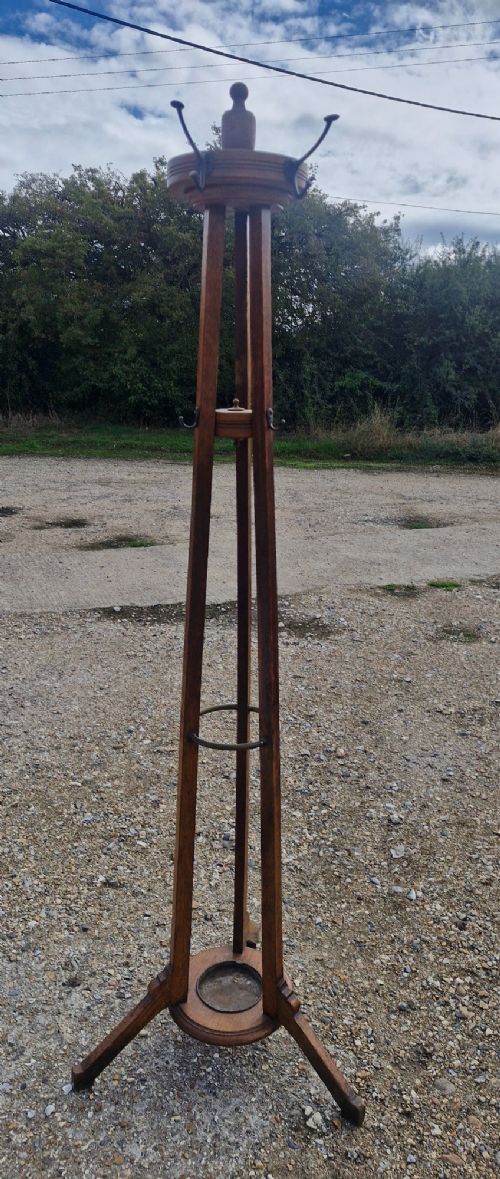
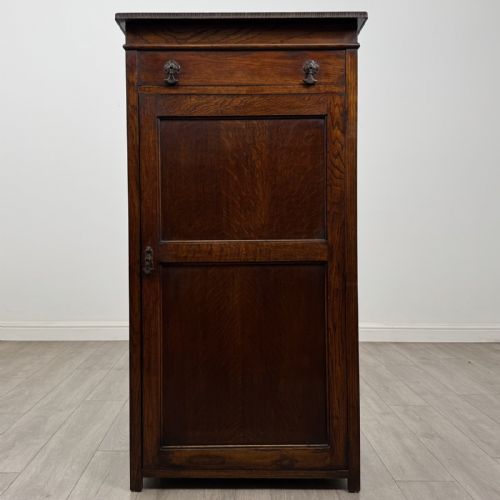
A dark brown hall stand serves as a functional piece of entranceway furniture designed to hold coats, hats, and umbrellas. The selections here draw from Victorian, Edwardian, and early twentieth-century periods, spanning the nineteenth century up through the nineteen-thirties.
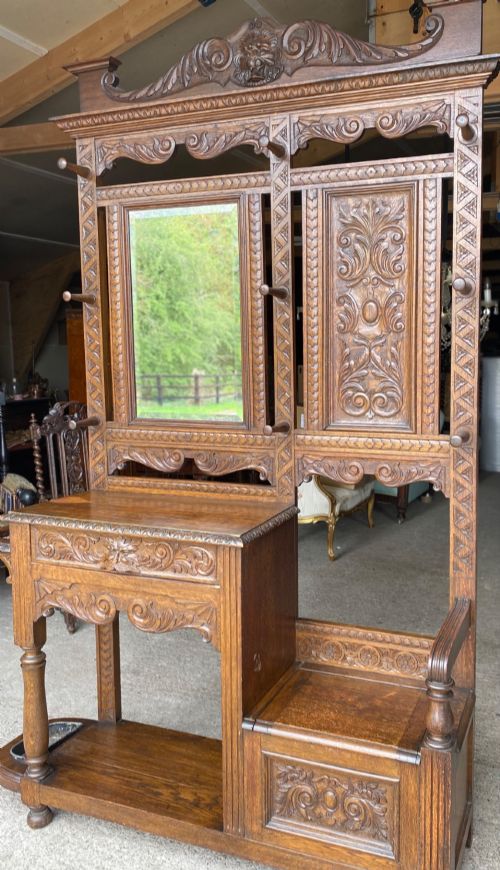
Buyers will encounter various forms, ranging from carved oak furniture incorporating mirrors and seats to bentwood frames and umbrella stands. These objects originate from British and continental workshops, reflecting regional cabinet-making traditions of their respective eras.
How they were made
Cabinet makers utilised solid oak and mahogany, shaping timber through traditional joinery techniques alongside steam-bending methods for curved bentwood structures. Workshops also incorporated metal elements such as brass hooks, glass inserts, and turned pillars to support the main wooden frames.
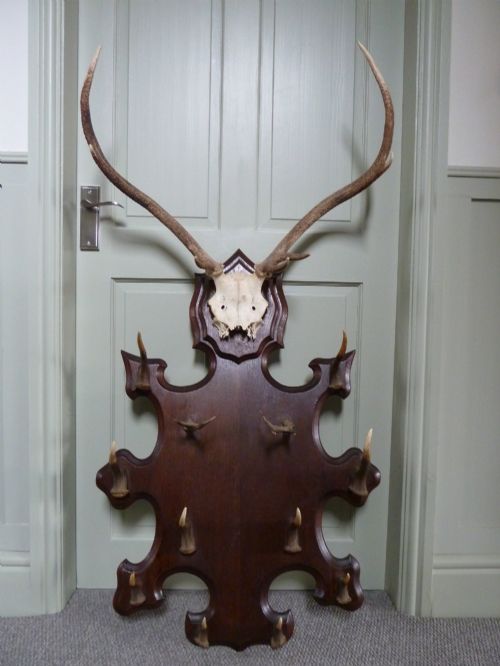
Surface decoration relied on hand-carving, dark staining, and turning, while specific examples integrated natural materials like stags' horn, antler, and bamboo. Construction often combined panelled cupboards, lift-up lids, and integrated mirror plates into unified hallway furniture.
Dark Brown Hall Stand Retail Price Guide 2026
Typical asking prices for dark brown hall stand among the pieces listed under this phrase on Sellingantiques today, from the lower quarter to the upper quarter. They describe what is for sale here now, not the wider market.
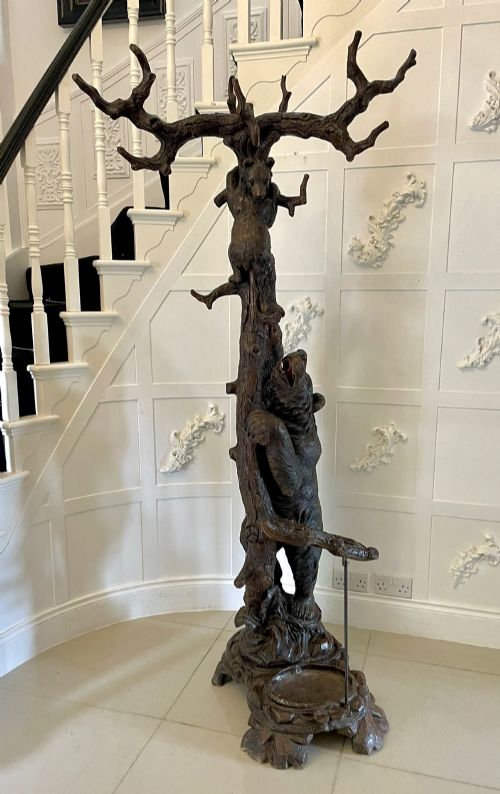
A carved wooden bear keeps watch over the hallway on Black Forest stands.
What varies in quality
The standard of a dark brown hall stand depends on the depth and crispness of its hand-carving and the structural integrity of its joints. Examples featuring integrated seating, original mirrors, and robust timber frames demonstrate superior workshop execution compared to simpler utility items.
Material selection dictates durability, with dense solid oak and well-seasoned mahogany outlasting softer woods or degraded bentwood components. The retention of original brass hardware and fitted drip trays for umbrellas further distinguishes finer examples from altered or lesser pieces.
J Parker of Woodstock·Liberty and Co·Thonet
The Dark Brown Hall Stand Glossary
- Bentwood
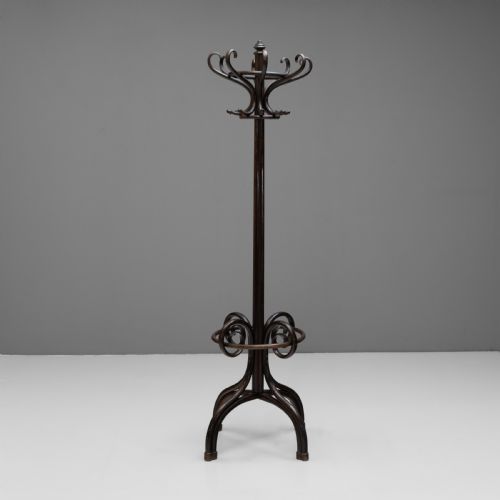
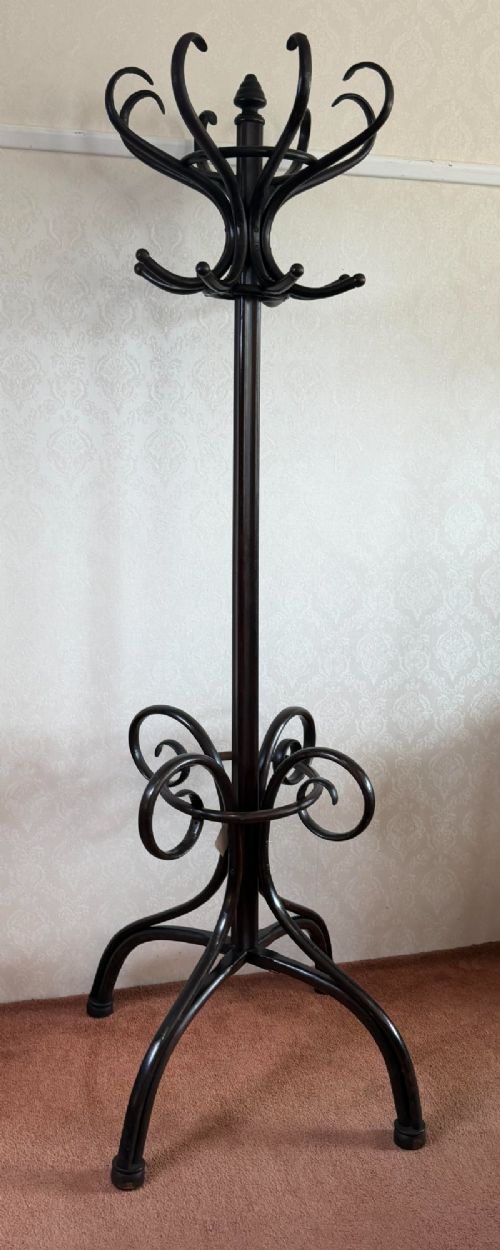
- Wood softened through steam application and bent into curved structural forms. This technique created lightweight coat and hat stands during the nineteenth and twentieth centuries.
- Umbrella stand
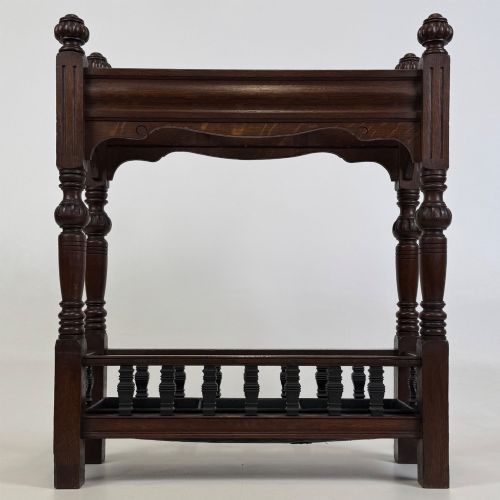
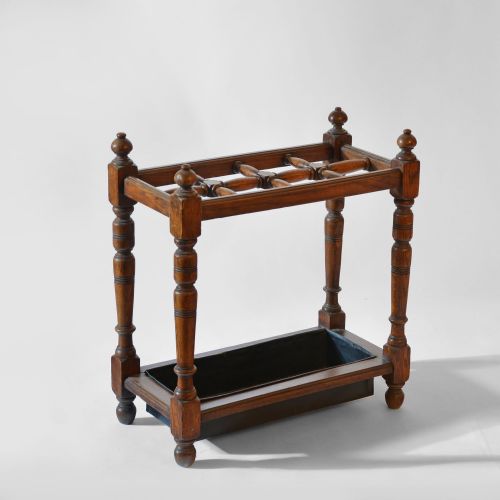
- A dedicated furnishing designed to hold walking sticks and wet umbrellas. These objects frequently include metal drip pans at the base to protect flooring.
- Hall seat stand
- A multifunctional piece of entranceway furniture combining coat hooks, a mirror, and an integrated bench seat. Many versions include a hinged lid for storage.
- Barley twist
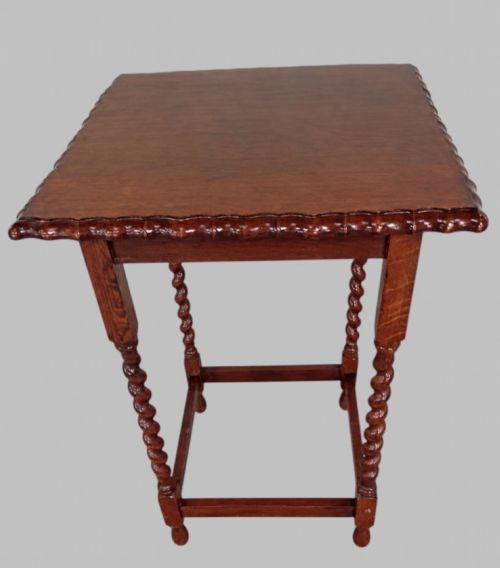
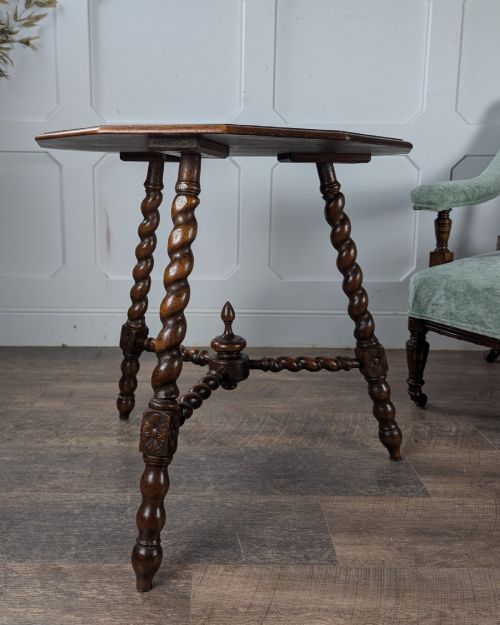
- A decorative turning technique resembling a spiralling rope. This detail appears on the legs and vertical supports of late Victorian oak furniture.
- Black Forest
- A regional style of carving originating in central Europe, characterised by naturalistic animal motifs. Bear figures and woodland themes are typical of this decorative tradition.
Dark Brown Hall Stand: Frequently Asked Questions
What is a dark brown hall stand used for?
These furnishings provide a central spot in an entranceway to hang coats, hats, and scarves while keeping walking sticks and umbrellas contained. Many variants also incorporate mirrors for a final check before leaving the house.
Larger versions include built-in benches with storage compartments beneath the seat, offering a place to sit while putting on shoes.
How do I identify a Victorian hall stand?
Victorian pieces typically feature heavy solid oak construction, deep hand-carving, and dark finishes that match the architectural styles of the nineteenth century. They often incorporate bevelled mirror plates, brass double hooks, and architectural details like barley twist pillars.
Earlier examples may also utilise unusual natural materials such as stags' horn or bamboo alongside traditional timber framework.
Where should I place a hall stand?
Position these pieces directly inside a main entrance or hallway where floor space permits the depth of the frame and any integrated seating. Ensure there is adequate clearance for hanging coats and accessing umbrella compartments.
Keep wooden and bentwood pieces away from direct heat sources and damp external walls to preserve the finish and structural stability.
What is bentwood furniture?
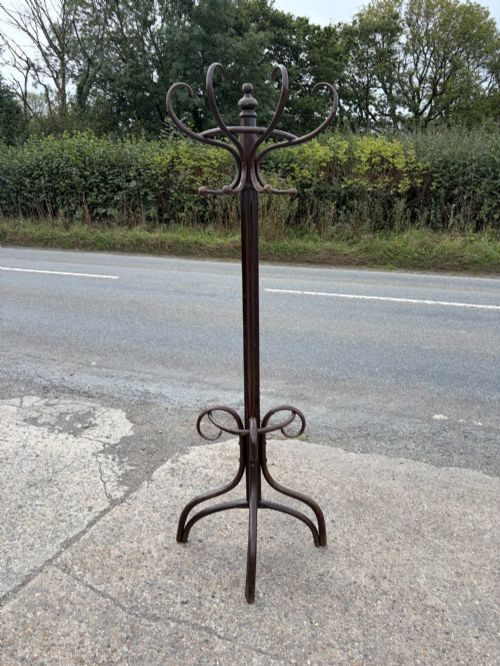
Bentwood furniture is constructed by steaming lengths of timber until pliable, allowing craftsmen to bend the wood into smooth curves. This technique produced lightweight coat stands and hat racks popular from the late nineteenth century onward.
These structures rely on continuous curved frames rather than heavy panelled joinery, resulting in an open aesthetic.