



Antique Bentwood Furniture
Antique bentwood furniture combines resilient steamed timber with clever curves, offering practical utility and enduring design for modern homes.
Antique Bentwood Furniture
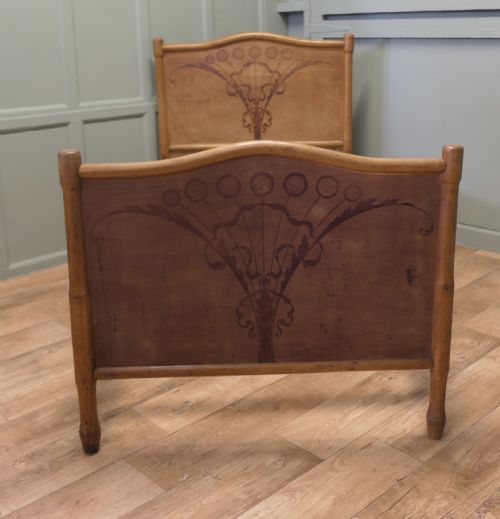
When you search for antique bentwood furniture, you encounter a selection spanning the Victorian and Edwardian eras into the Art Deco period. These pieces originate from diverse workshops, with notable output linked to makers such as Thonet and Fischel.
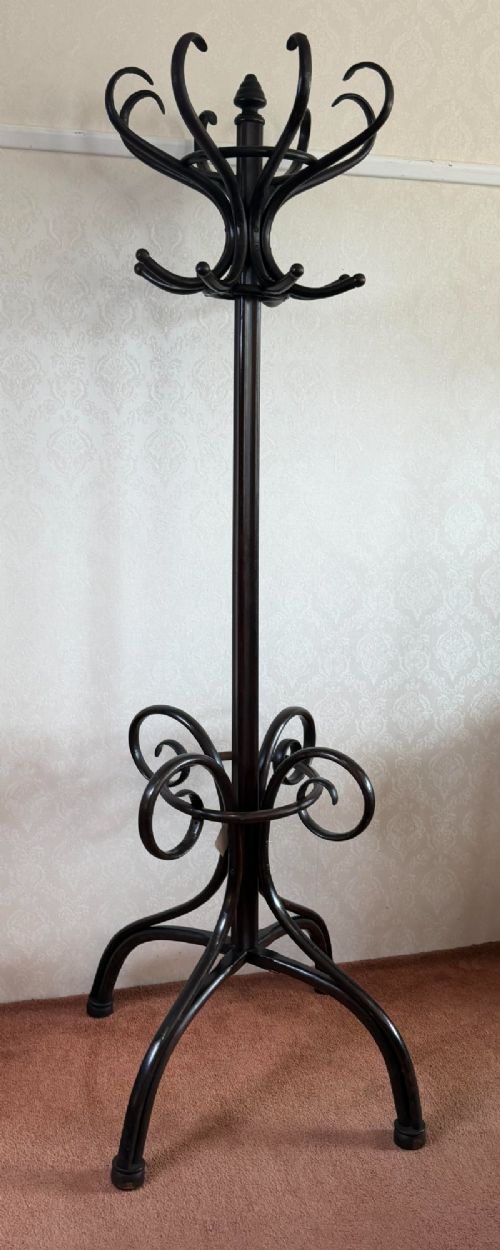
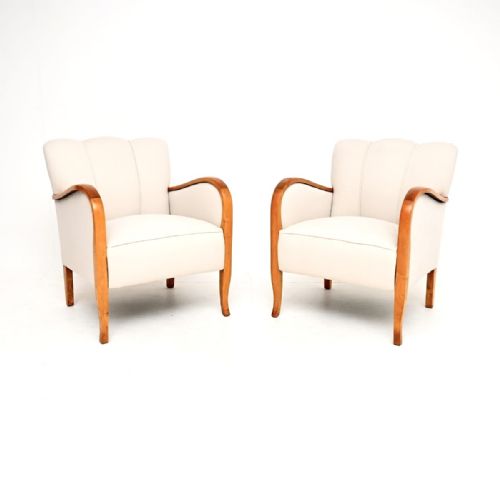
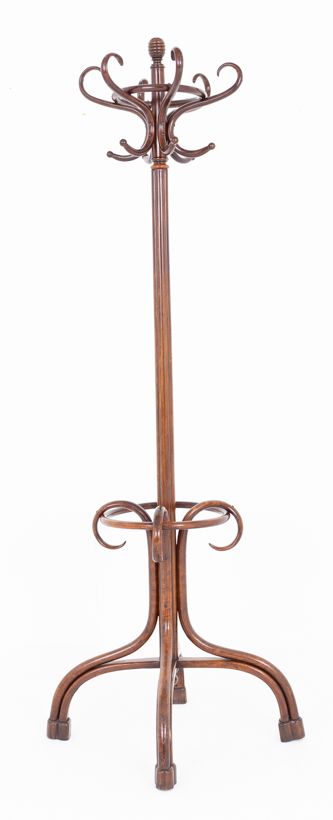
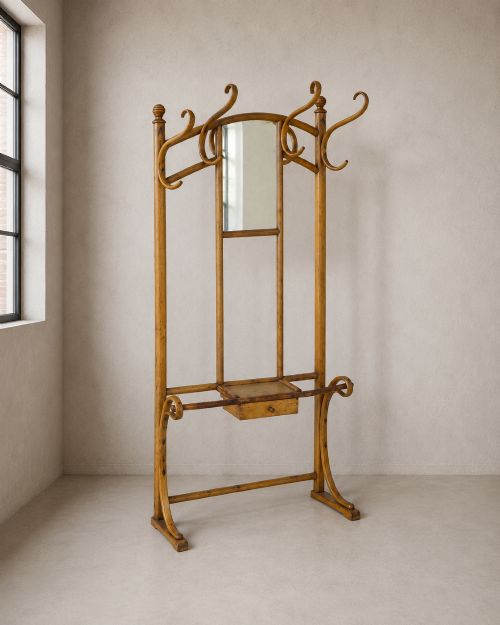
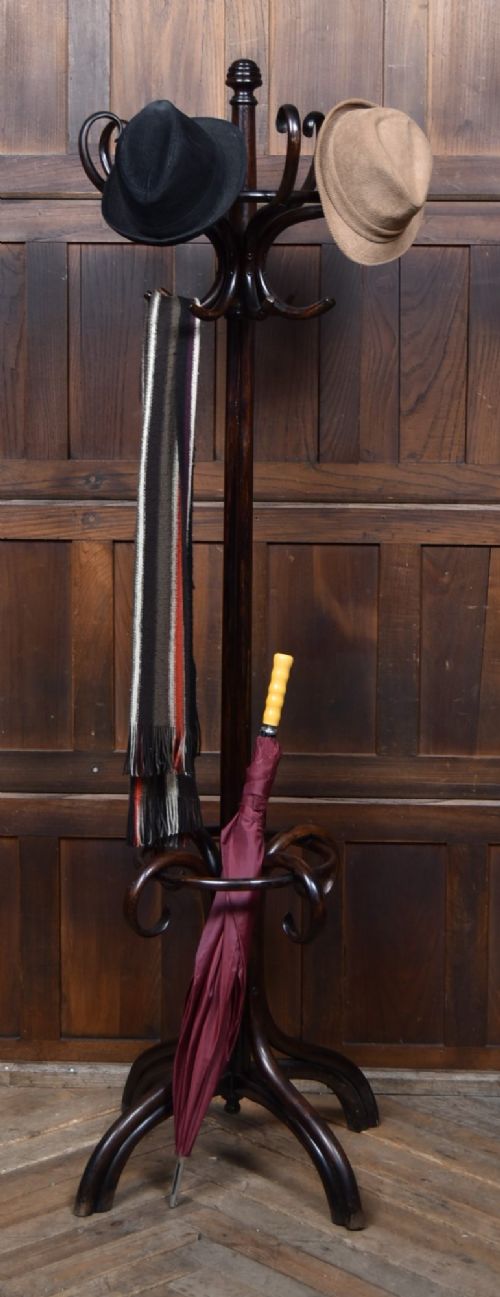
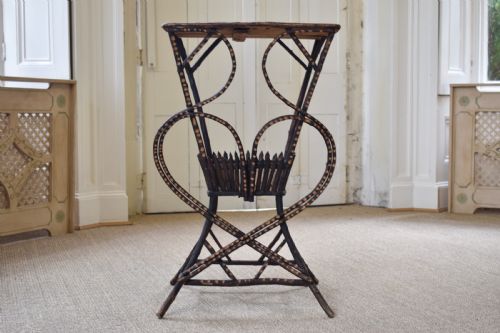
The objects available on this page lean heavily towards functional hall stands, coat stands, and seating such as armchairs and side tables. Examples range from simple wall-standing designs to elaborate card tables and salon suites.
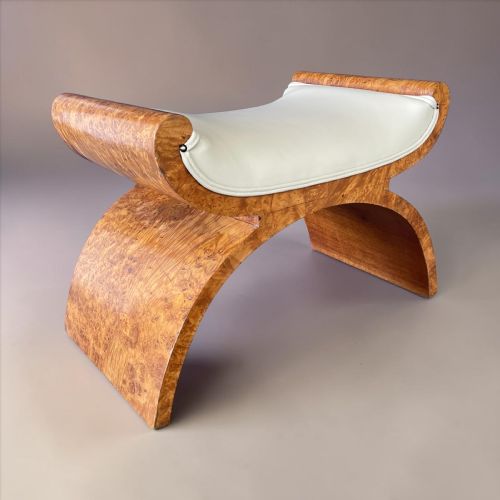
You are most likely to meet pieces constructed from beech or beechwood, reflecting the dominant material choices of the late nineteenth and early twentieth centuries. The styles shift from Victorian utility through Art Nouveau curves to geometric Art Deco lines.
Materials and steaming techniques
Makers utilised solid wood, primarily beech and beechwood, subjected to steam heating to soften the timber fibres before bending them into graceful radii. This technique allowed craftsmen to shape continuous members without traditional joints, yielding remarkable strength from slender sections.
Secondary materials such as cane, glass, brass, and satin birch appear alongside the primary wood frames, particularly in seating, tables, and drinks trolleys. Woven elements and metal hardware complement the curved wooden structures.
Antique Bentwood Furniture Retail Price Guide 2026
Typical asking prices for bentwood furniture among the pieces listed under this phrase on Sellingantiques today, from the lower quarter to the upper quarter. They describe what is for sale here now, not the wider market.
Materials recorded across the current selection include beech, bentwood, cane, glass, brass, satin birch, and walnut.
Evaluating construction and finish
The standard of a piece depends on the precision of the steam-bending and the integrity of the original joints. Finer examples retain crisp curves and stable frames without excessive distortion from moisture or age.
Surface treatments and manufacturer labels also distinguish better items, as documented pieces bearing maker marks carry stronger attribution. The quality of supplementary materials, such as undamaged cane seating or intact surface veneers, elevates the overall standard.
Harry and Lou Epstein·Fischel·Thonet·Baumann
The Antique Bentwood Furniture Glossary
- Bentwood
- Wood shaped by applying steam to soften the grain before bending it into curves. This process defines the structural form of chairs, stands, and tables.
- Cane
- Woven rattan material utilised for seat panels and backs. It provides a lightweight, flexible surface supported by the wooden frame.
- Bergere
- A closed upholstered armchair with a wooden frame, often featuring cane work on the sides or back. It represents a refined seating form from the period.
- Gout stool
- An adjustable footrest designed to elevate the legs for comfort. Examples from the bentwood repertoire employ curved wooden stretchers.
- Hall stand
- A tall piece of furniture placed near an entrance for hanging coats and hats, frequently incorporating umbrella holders and mirrors.
Antique Bentwood Furniture: Frequently Asked Questions
What is antique bentwood furniture?
Antique bentwood furniture comprises items shaped through the steam-bending of solid timber, principally beech, to create flowing curves and lightweight frames.
Production flourished from the nineteenth century onwards, yielding diverse forms ranging from practical coat stands to elegant armchairs and salon tables.
How do I identify a Thonet piece?
Thonet pieces often feature stamped manufacturer marks, paper labels, or distinctive structural numbering pressed into the wood.
The fluid lines, elegant scrollwork, and pioneering use of steamed beech are characteristic signatures of this historic workshop.
Where were these pieces used?
These items served functional roles throughout domestic interiors, from grand entrance halls to intimate parlours and dining rooms.
Coat stands populated hallways, while armchairs, side tables, and card tables furnished living spaces and reception rooms.
How should I care for bentwood?
Maintain bentwood pieces by placing them away from direct heat sources and drastic humidity changes that could affect the steamed timber.
Dust with a dry cloth and protect cane or upholstered surfaces from heavy wear to preserve their structural integrity.