
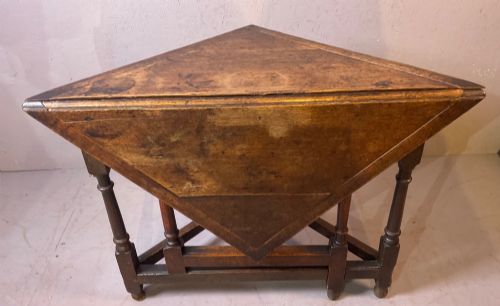
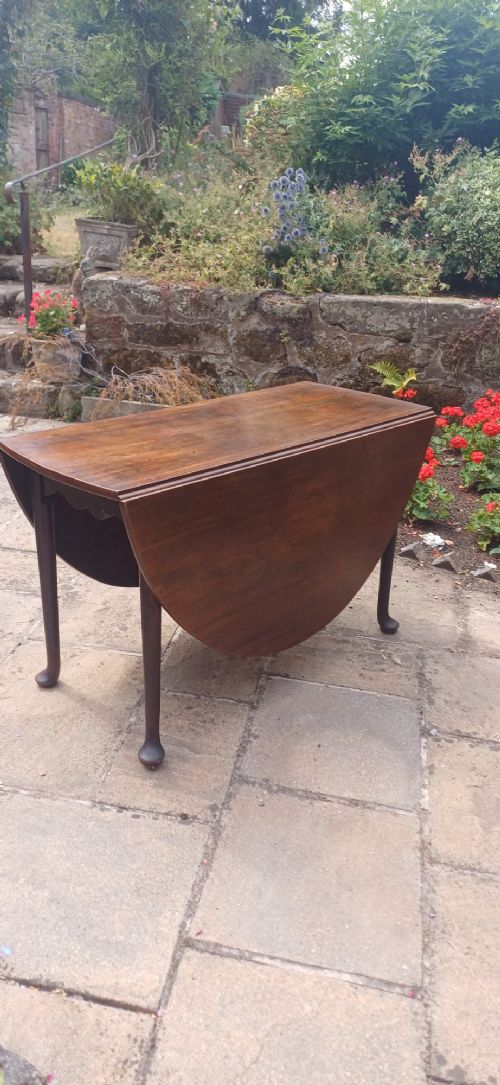
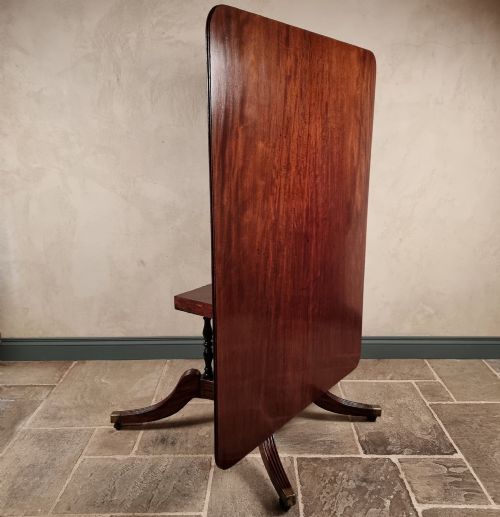
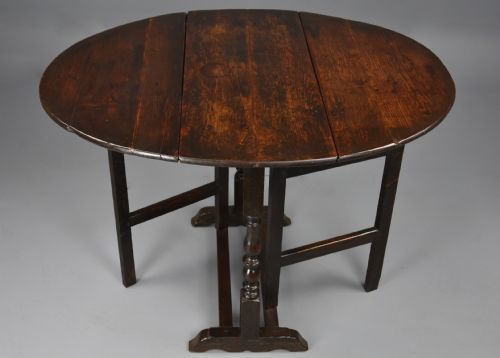
Dark Brown Drop Leaf Table
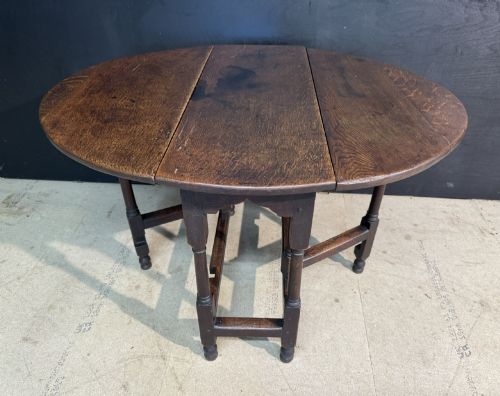
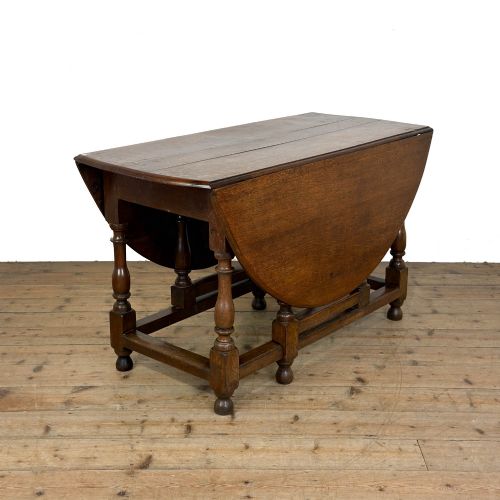
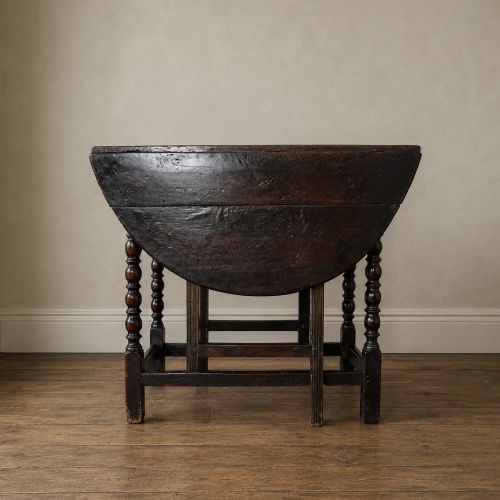
A dark brown drop leaf table provides versatile folding surfaces spanning multiple centuries of English craftsmanship and timber traditions.
Dark Brown Drop Leaf Table
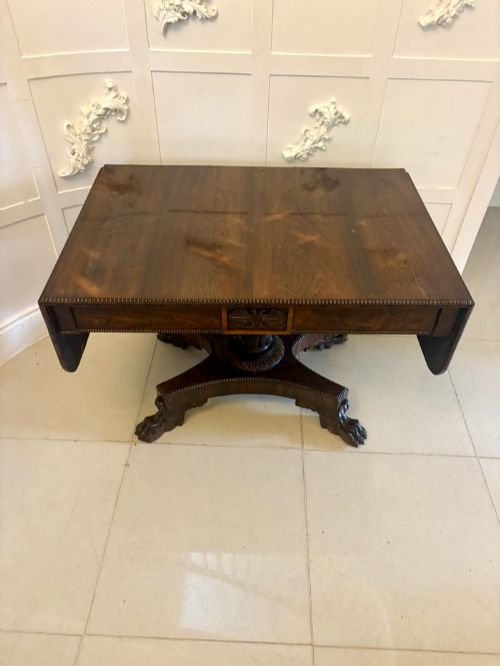
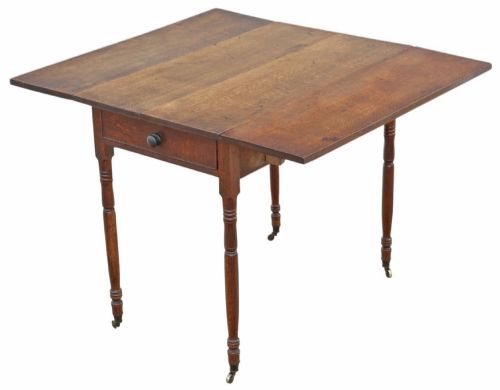
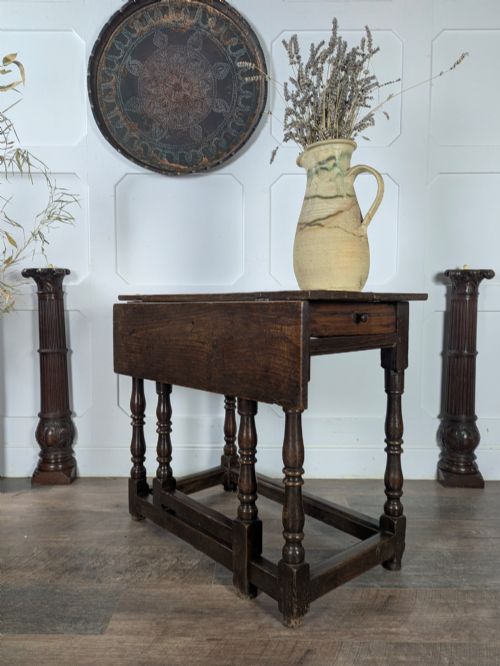
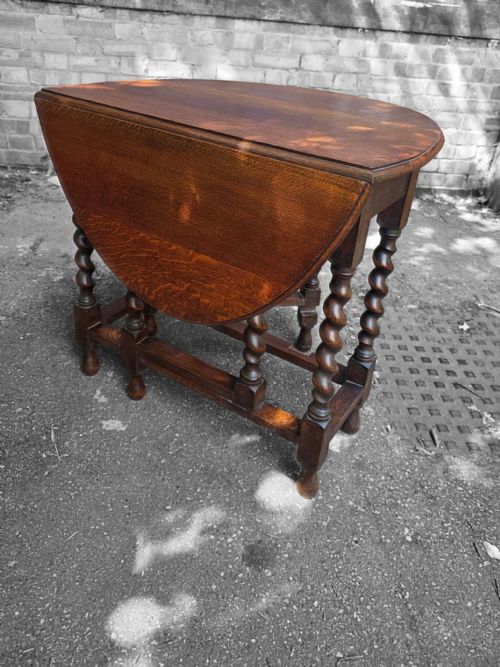
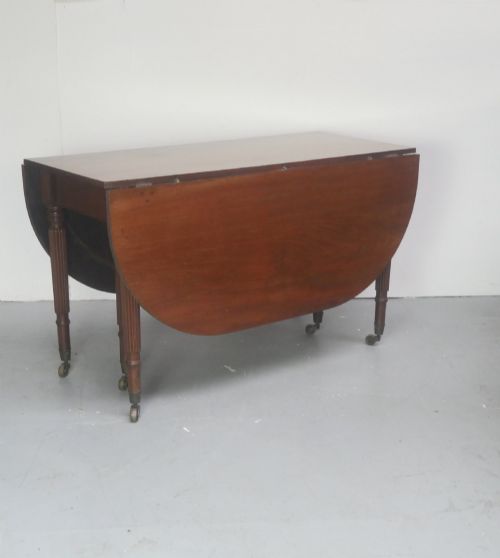
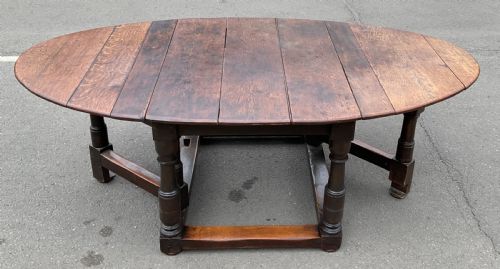
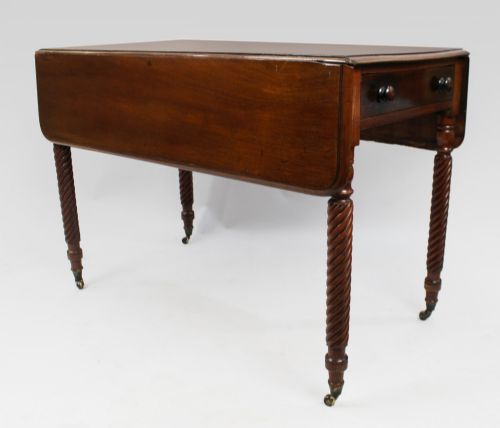
A dark brown drop leaf table meets the buyer searching for practical folding furniture built to expand when needed and tuck away compactly. These items emerge in diverse formats, from substantial gateleg dining tables to slender Pembroke and sofa tables.
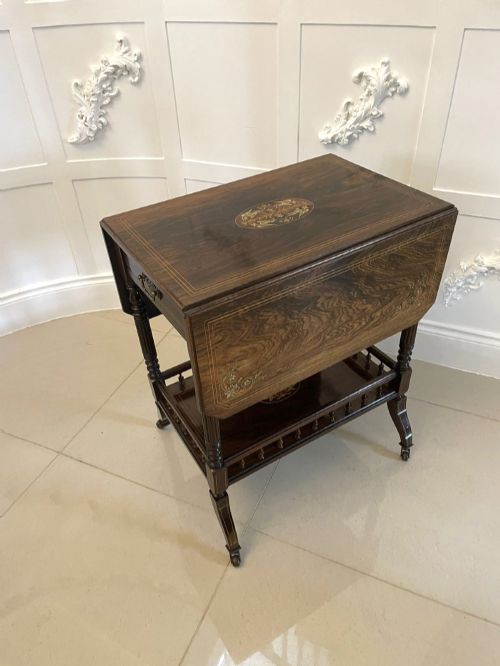
The selections span significant historical periods, appearing in solid oak from the seventeenth and eighteenth centuries alongside mahogany, rosewood, and satinwood examples from the Georgian, Regency, and Victorian eras.
Gateleg versions dominate the earlier oak groupings, while mahogany Pembroke and rosewood occasional tables represent the refined tastes of later centuries.
The Measure of Excellence
Distinction across these tables rests upon timber selection, surface patination, and the integrity of the original hinges and folding supports. Superior examples retain untouched surfaces with deep, warm tones developed over centuries of use.
Proportion and scale dictate refinement, where smaller gatelegs or finely figured mahogany Pembroke tables demonstrate the maker's eye for balanced form.
Several seventeenth-century gateleg tables arrive with secret drawers and original hinges that still pivot smoothly after three hundred years.
The Dark Brown Drop Leaf Table Glossary
- Drop leaf table
- A table with a fixed centre section and hinged flaps that fold down when not in use. This design allows the footprint to alter rapidly according to space requirements.
- Gateleg table
- A table featuring hinged legs that swing outward to support the raised drop leaves. These forms are frequently constructed in solid oak with turned baluster or bobbin legs.
- Pembroke table
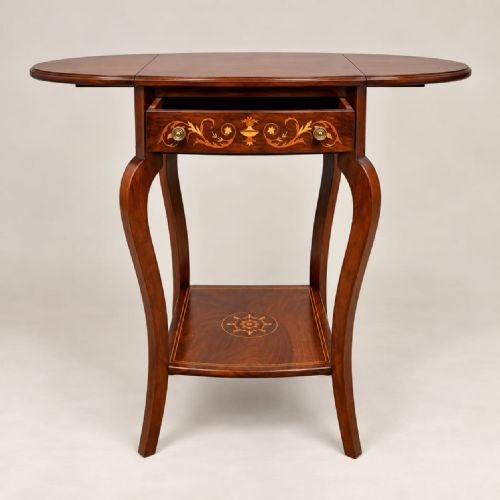
- A small rectangular table equipped with two hinged drop leaves and typically a single drawer. They originated during the eighteenth century for breakfast or light writing use.
- Patina
- The surface sheen and mellow colour developed by aged wood through handling, polishing, and exposure to light over generations. Original patination is highly valued by collectors.
- Sofa table
- A rectangular occasional table designed to stand in front of a sofa, featuring drop leaves at either end. Regency and Victorian versions often incorporate trestle supports and brass details.
Dark Brown Drop Leaf Table: Frequently Asked Questions
How do I date an oak drop leaf table?
Dating relies on observing construction methods, timber choice, and leg turning styles. Seventeenth and early eighteenth-century examples display pegged joints, hand-split oak boards, and robust gateleg frameworks with bobbin or baluster turnings.
Later pieces transition to lighter timbers, standard iron hinges, and refined proportions characteristic of Georgian or Victorian workshop practices.
Where should I place a drop leaf table?
These tables adapt well to dining rooms, hallways, and living spaces due to their adjustable surface area. Keeping one leaf down against a wall allows the piece to function as a console or side table in compact rooms.
Raising both leaves transforms the unit into a full dining or centre table when guests arrive.
What is the difference between a gateleg and a Pembroke table?
Gateleg tables rely on swinging legs that pull out from the main frame to hold up large folding leaves, often creating a substantial oval or round top. They are predominantly found in seventeenth and eighteenth-century oak.
Pembroke tables use smaller folding flaps supported by hinged wooden brackets rather than swinging legs, typically presenting a more slender profile in mahogany or rosewood.
How do I care for antique mahogany and oak?
Maintenance requires keeping timber away from direct heat sources and sudden humidity shifts to prevent wood shrinkage and splitting. Applying natural beeswax periodically helps preserve the original surface sheen without building up heavy chemical residues.
Avoid using modern silicone-based polishes that can permanently alter the historic patina.