
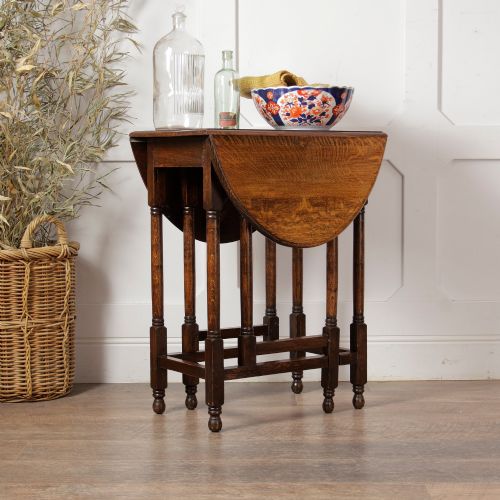
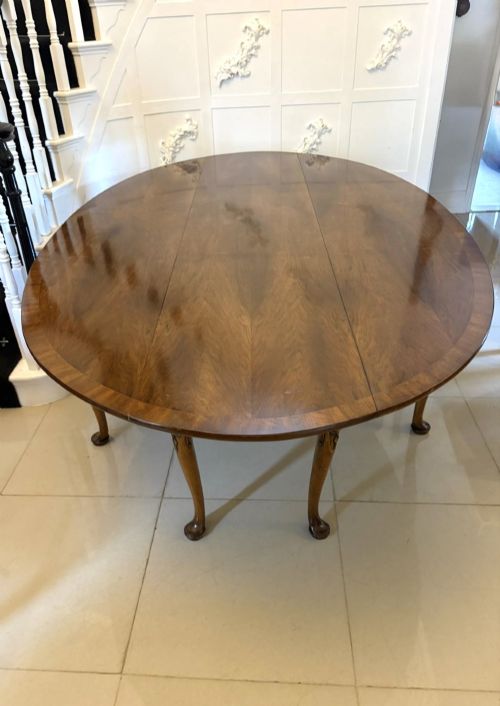
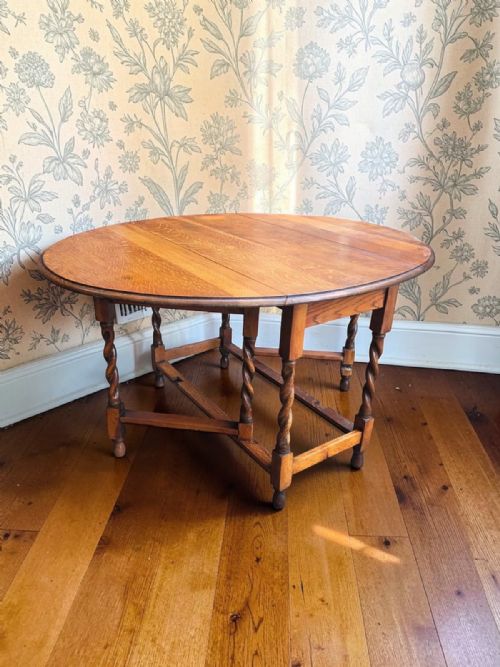
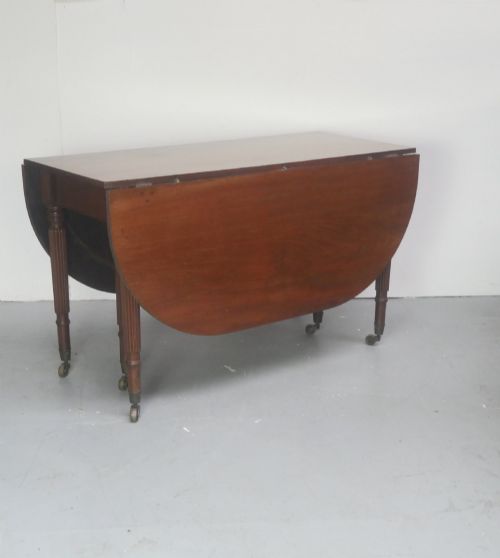
Traditional Drop Leaf Dining Table
A traditional drop leaf dining table offers a practical surface that folds away neatly, spanning periods from the seventeenth century to the twentieth.
Traditional Drop Leaf Dining Table
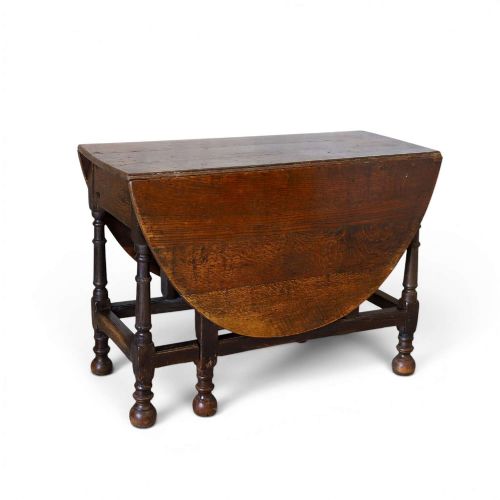
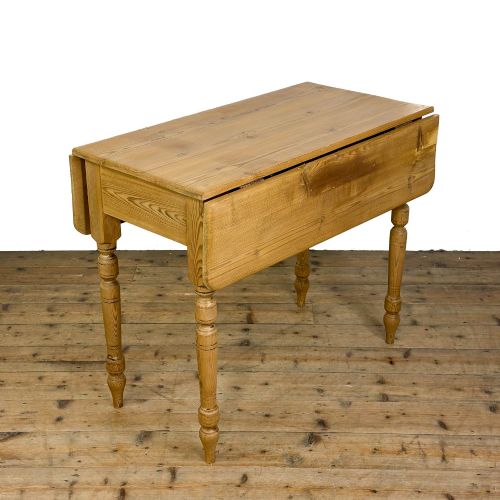
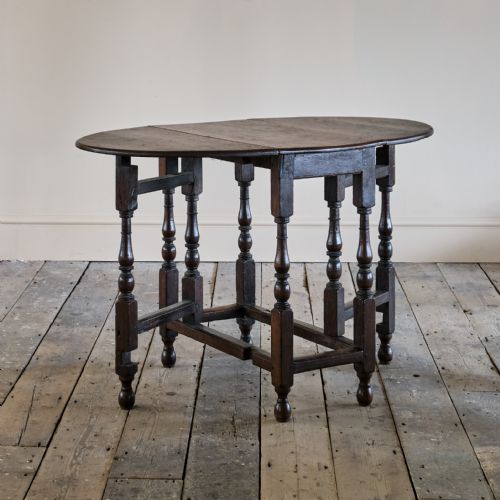
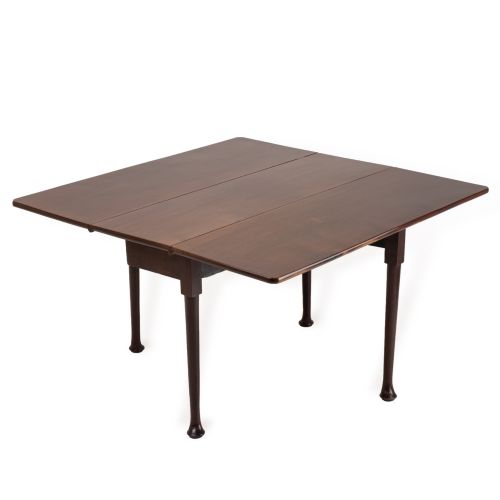
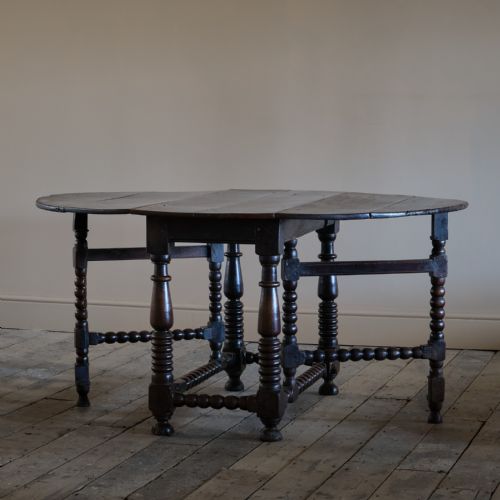
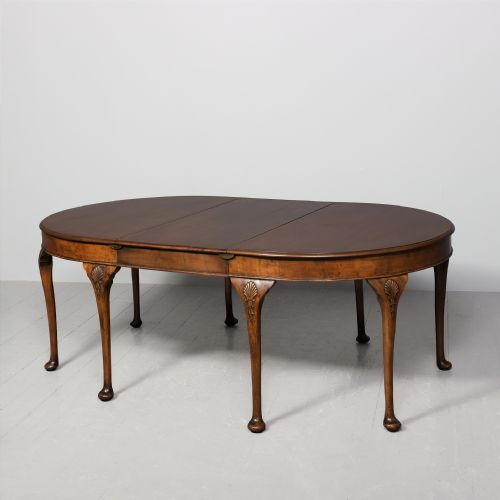
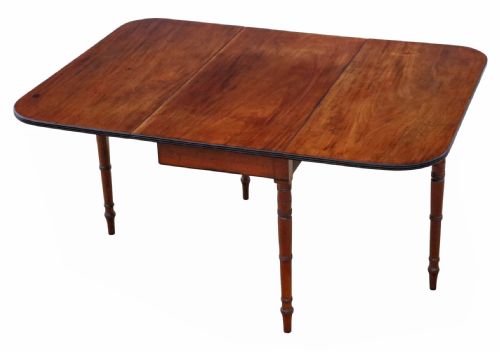
When searching for a traditional drop leaf dining table, buyers encounter formats ranging from seventeenth-century gateleg designs to Georgian and Regency mahogany pieces, alongside later oak and pine variations. These tables function primarily as flexible dining furniture, featuring hinged flaps that drop down to save space when not in use.
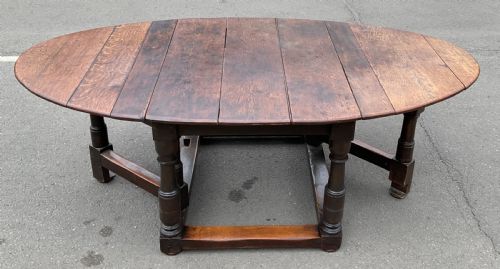
The pieces listed on this page span diverse eras including the Victorian, Edwardian and early twentieth-century periods, utilising forms like wake tables, Sutherland tables and Pembroke tables. Solid oak and mahogany predominate, with specific examples offering seating capacity for up to ten people through supplementary folding or swinging legs.
What varies in quality
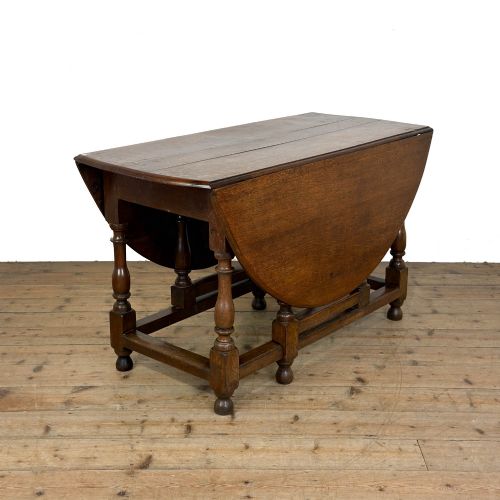
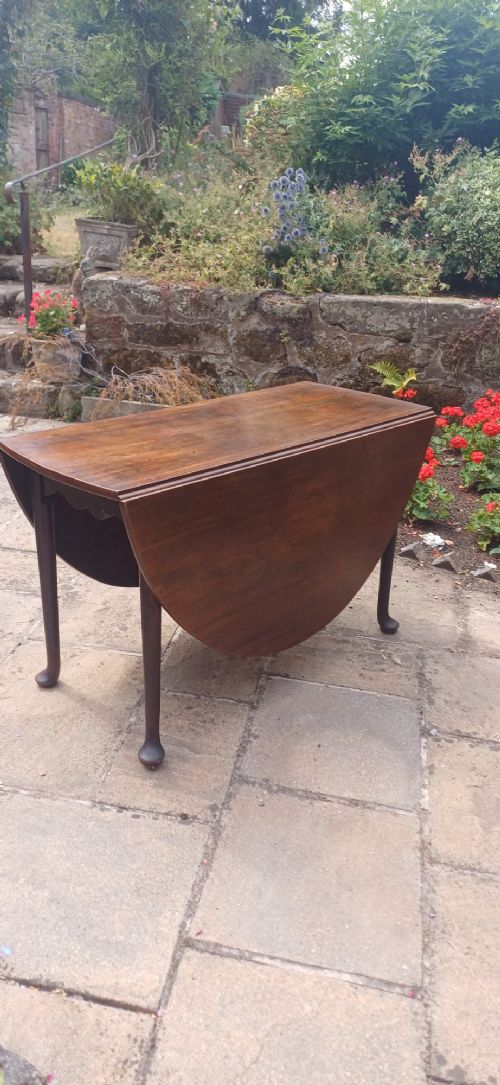
Quality in these tables rests upon the selection of timber, such as figured walnut or solid mahogany, and the structural integrity of the pivoting gateleg or drop mechanism. Tables featuring dense, well-figured grain and robust timber framing exhibit superior durability compared to lighter pine or later revival pieces.
The finesse of the leg turning, the retention of original brass or iron hinges, and the depth of the timber's patina distinguish finer examples from standard utilitarian formats. Construction details, such as the snugness of joints when the leaves are raised, separate accomplished cabinet work from basic production.
Materials across these listings span solid oak, mahogany, walnut, pine, brass and iron, reflecting centuries of cabinet making traditions.
The Traditional Drop Leaf Dining Table Glossary
- Gateleg table
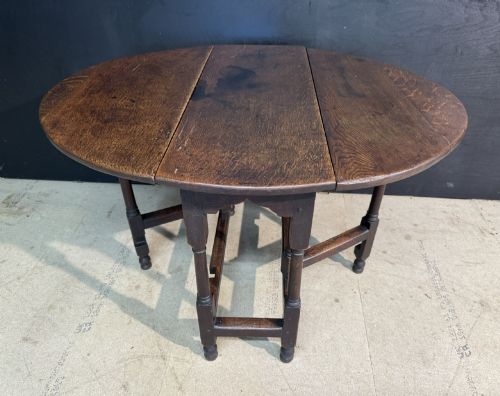
- A dining or side table with hinged leaves supported by one or more legs that swing outward like a gate. This design provides robust support for the drop leaves when extended.
- Wake table
- A very large drop leaf dining table, typically oval in shape, designed to seat many people. They often feature multiple swing legs on each side to support the extended leaves.
- Sutherland table
- A narrow drop leaf table featuring exceptionally slender legs and a particularly narrow central fixed top. The leaves on these tables drop down almost vertically.
- Pembroke table
- A small rectangular drop leaf table with hinged flaps on either side, frequently fitted with one or more small drawers. They originated in the eighteenth century as occasional or breakfast tables.
- Patina
- The surface sheen and coloration developed on timber over decades or centuries of use and exposure. A warm patina indicates age and natural wear rather than modern chemical stripping.
Traditional Drop Leaf Dining Table: Frequently Asked Questions
How do I seat guests comfortably?
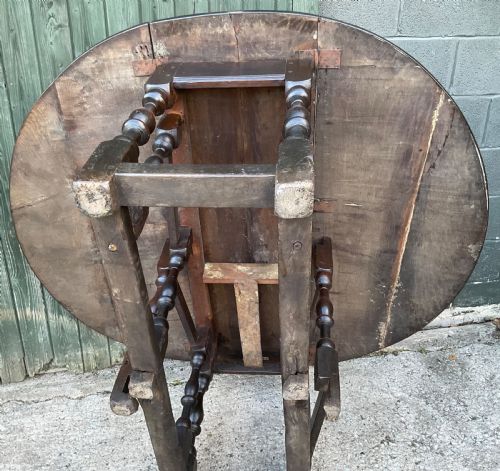
Raise one or both leaves of the table and ensure the swing legs are locked firmly into their proper supporting position beneath the flap. The placement of the leg frame dictates where chairs can be tucked underneath.
Larger formats like wake tables accommodate ten diners, whilst smaller gateleg or Sutherland versions suit compact rooms and four chairs.
Can I use daily?
These tables served primarily as everyday dining furniture for centuries and handle regular use well when treated with sensible care. Use coasters and placemats to protect the polished timber surfaces from moisture and heat.
Inspect the hinges and swing leg joints periodically to ensure the mechanical supports remain stable under normal weight.
How do I date a piece?
Examine the timber species, turning style and hardware to determine the likely era of manufacture. Seventeenth-century examples often display heavy oak construction with bobbin or barley twist turning, while Georgian and Regency pieces favour mahogany with refined lines.
Hardware such as handmade iron or early brass hinges provides further clues regarding whether a table dates to the seventeen hundreds or a later revival period.
What is a gateleg mechanism?
The gateleg mechanism consists of a hinged leg frame that pivots outward from the central undercarriage to support the drop leaf. When the leaf is lowered, the leg swings back flush against the main frame.
This clever hinged arrangement allows a compact side table to transform into a large dining surface within seconds.